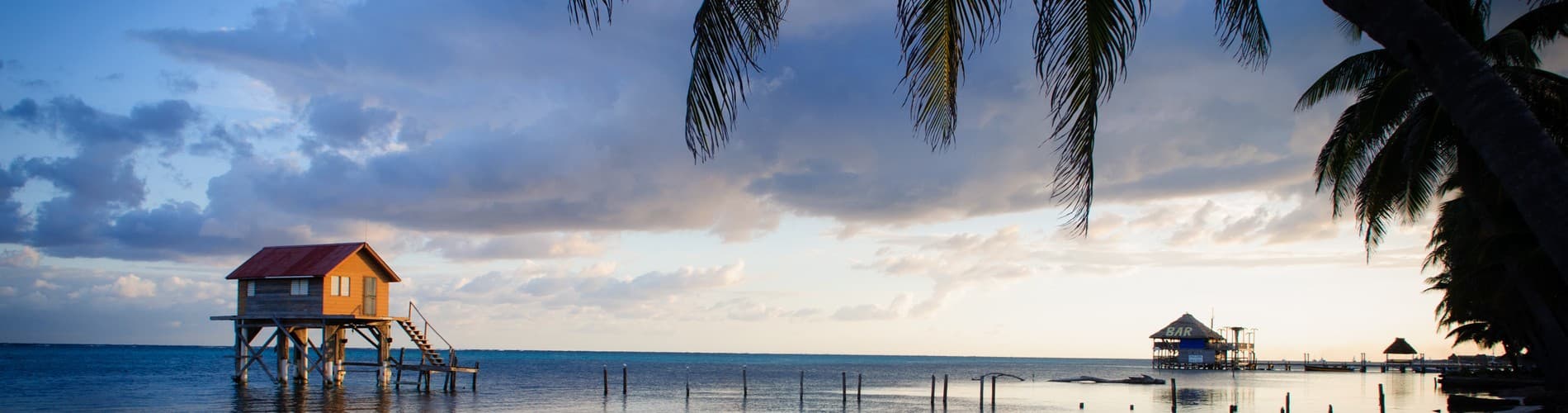
Planning a trip to Belize is an exciting endeavor, but navigating the logistics of this diverse Central American gem requires the right information. From understanding the best transportation methods and currency exchange to knowing the ideal travel seasons and safety tips, this guide provides all the essential tools to ensure your Belizean adventure is seamless and unforgettable.
Getting There
One of the most encouraging aspects of a Belize trip is its easy accessibility by air, land, and sea. Once you land in Belize, moving around is cheap, and most attractions are at close quarters – making it easier to plan a weekend or a short trip.
Air Travel
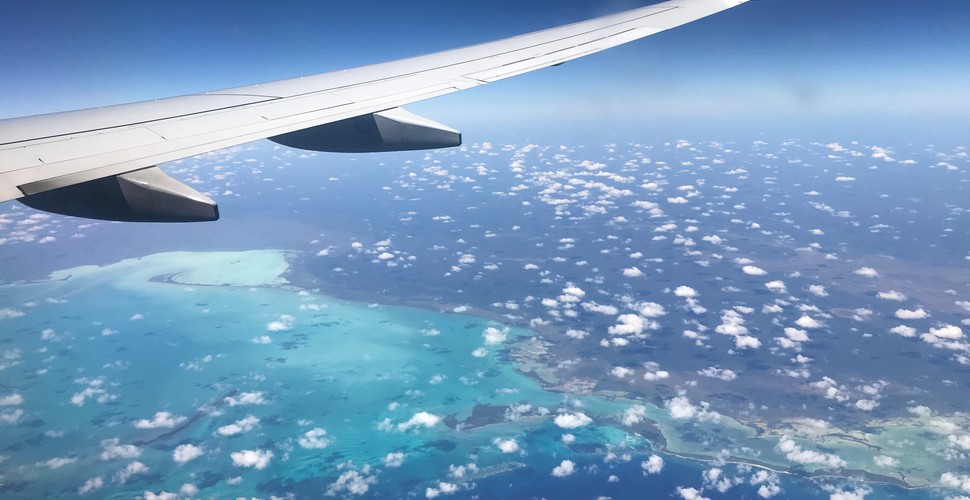
Arriving in Belize from anywhere in North America is fast and convenient – with the array of flights, cruises, and bus lines entering the Belizean borders at regular intervals. And, if you love the Caribbean Sea and have your boat, you can enjoy the Belizean bonanza even before you reach the shores of Belize. If you are traveling from Europe, usually you will fly via the US or another great option, and generally cheaper is to fly to Cancun in Mexico, then onto Belize on a connecting flight or bus. The quickest service is run by a company called ADO. The bus departs from Cancun at 10.15 pm every night and arrives in Belize City around 8.30 am. The journey does involve a border crossing at about 3 am, but the buses are clean and comfortable – if slightly over-air-conditioned.
Travel by road
If you are a road warrior, you can plan on taking a luxury bus or even driving to Belize anywhere in North and Central America. Flights from major cities like Miami, Dallas, Houston, and Charlotte are operated by American Airlines, Continental Airlines, and US Airways.
Getting around Belize
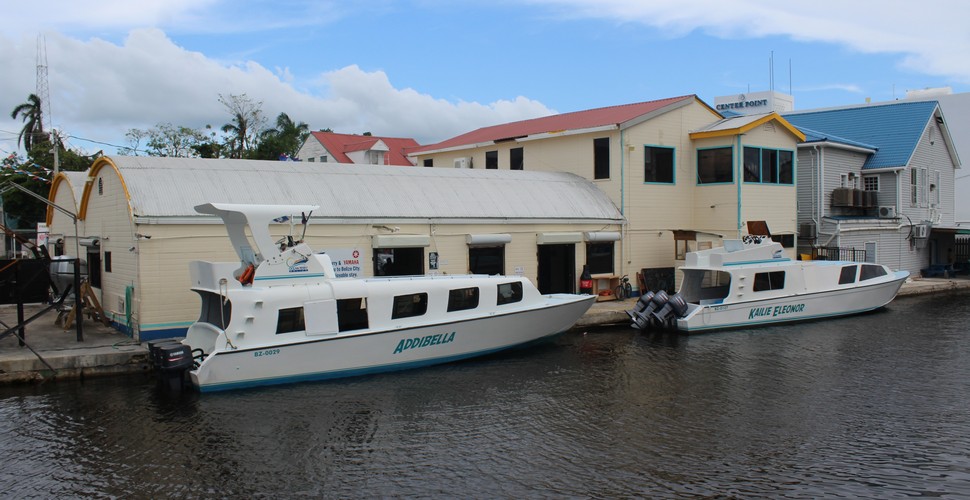
Traveling around Belize is simple for even the most conservative tourists, with the option of car rental, taxi, and bus, with frequent departures. If the trip is slightly longer, planes and buses are available. For the more adventurous, rental bikes can also be available at very reasonable prices. If time is at a premium, local airlines can be an option for a quick trip. However, many visitors prefer buses as they give you a window view of Belize's cultural and geographical landscape. Many of the frequent visitors to Belize are also likely to hop around in ferries and water taxis, offering a closer look into the heart and soul of Belize, the river system, and inland waterways.
Currency
The currency of Belize is the Belizean dollar (BZD). Travel costs in Belize are much cheaper than in the US or Europe, and Top-end hotels charge visitors in US dollars; the same is true for most operated tours. The standard currency is either the U. S. Dollar or the Belizean dollar (BZ$), which is equal to roughly US$1=BZ$2.
The best time of the year to visit
The heaviest tourist season begins in December and continues until June, and Belize experiences a rainy season from June until November. So, if you want to experience Belize in a cooler and milder form, December to May is the suitable period.
Language
The official language of Belize is English, making it the only country in Central America that speaks English. Half of the population, however, are Spanish speakers so a few Spanish phrases can get you a long way.
Credit Cards and ATMs
Most major credit cards are accepted in Belize, especially Visa and Mastercard. American Express may not be accepted at smaller restaurants, hotels, and tour operators. Like with any other destination, it is wise to carry some cash with you at all times. Unfortunately, ATMs are not consistent throughout the country. You will find ATMs in big cities, including Belize City, San Pedro, Caye Caulker, San Ignacio, and more. Luckily, many establishments will also take the US dollar.
Plug Sockets
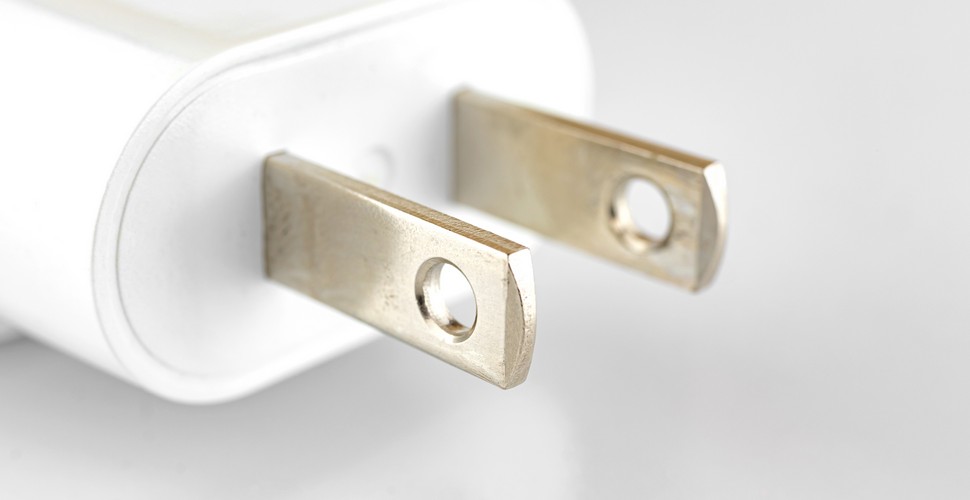
In Belize, the power plugs are type A, B, and G, the standard voltage is 110 / 220 V, and the standard frequency is 60 Hz. We recommend buying a universal adapter (to ensure surge protection) and a converter for hairdryers and hot tools.
Safety
Belize is a generally safe country for visitors. Depending on who you ask, that might change. Others will say that criminal activity is a big problem. Luckily, illegal activity remains pretty low in popular tourist areas and is generally found in other areas that tourists do not usually frequent.