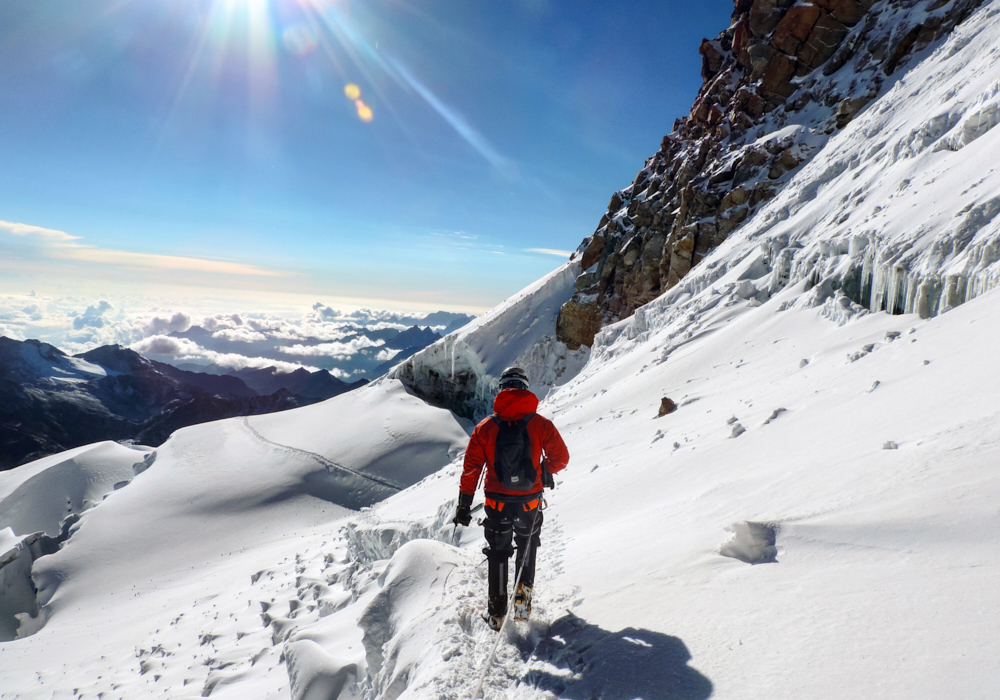
4 Highlights
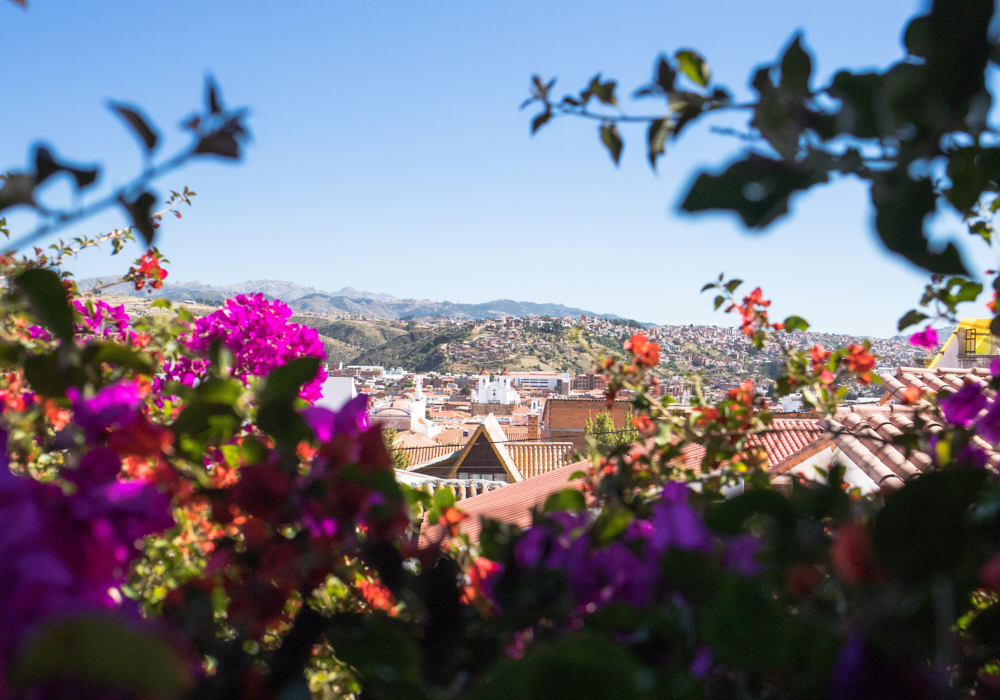
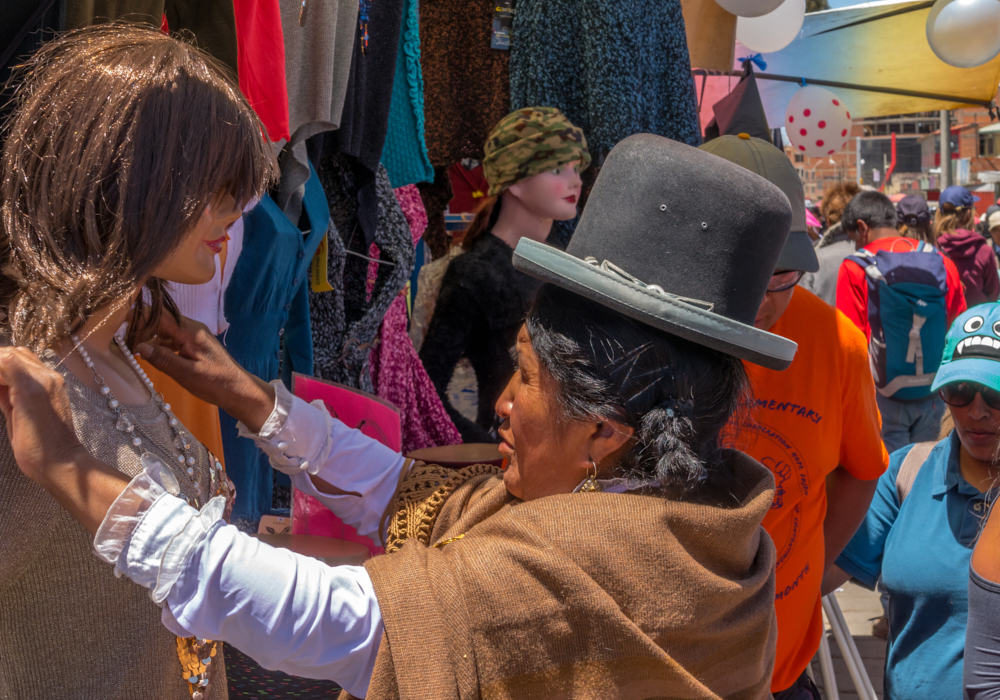
La Paz
At an elevation of roughly 3,650 m (11,975 ft) above sea level, La Paz is the highest capital city in the world.
Explore destination
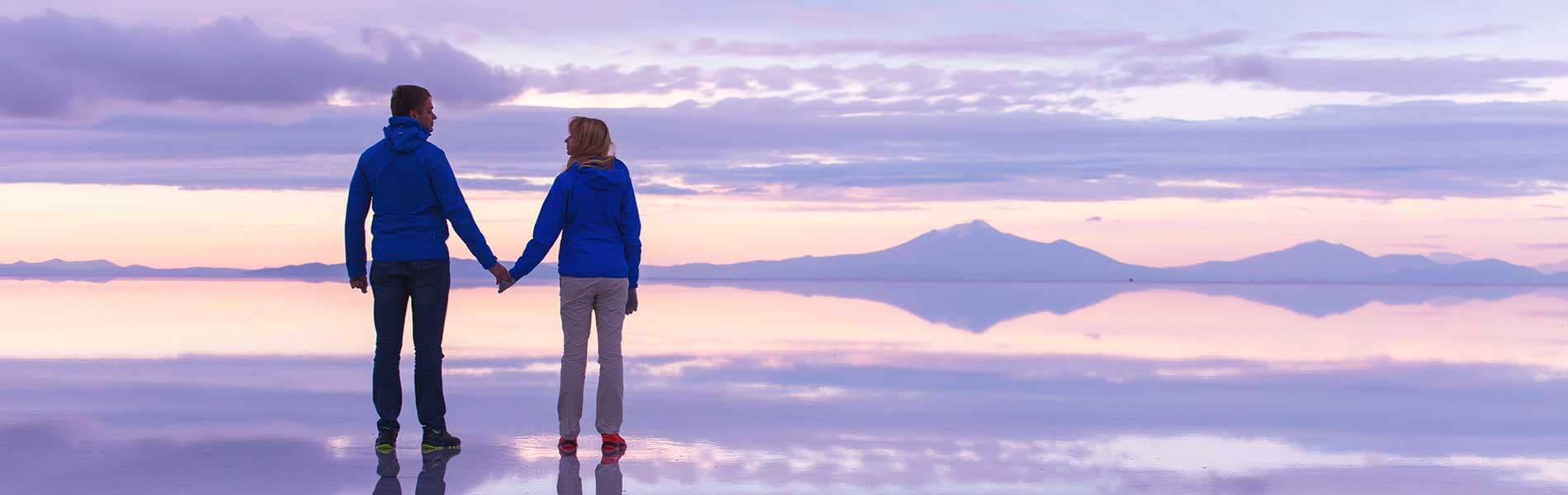
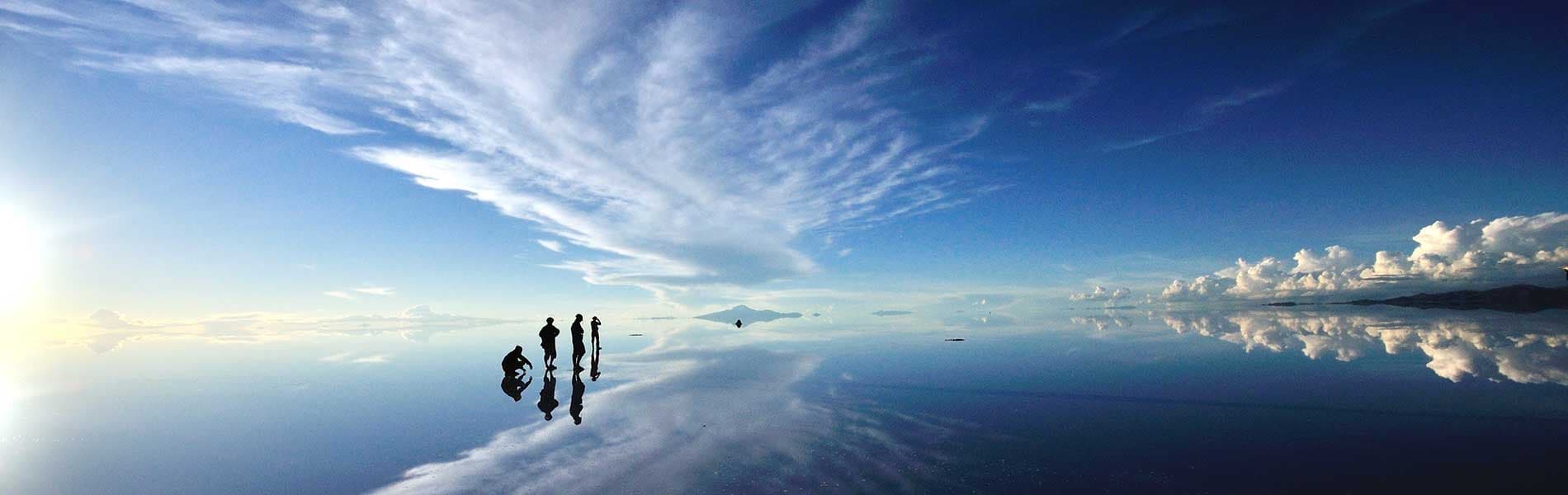
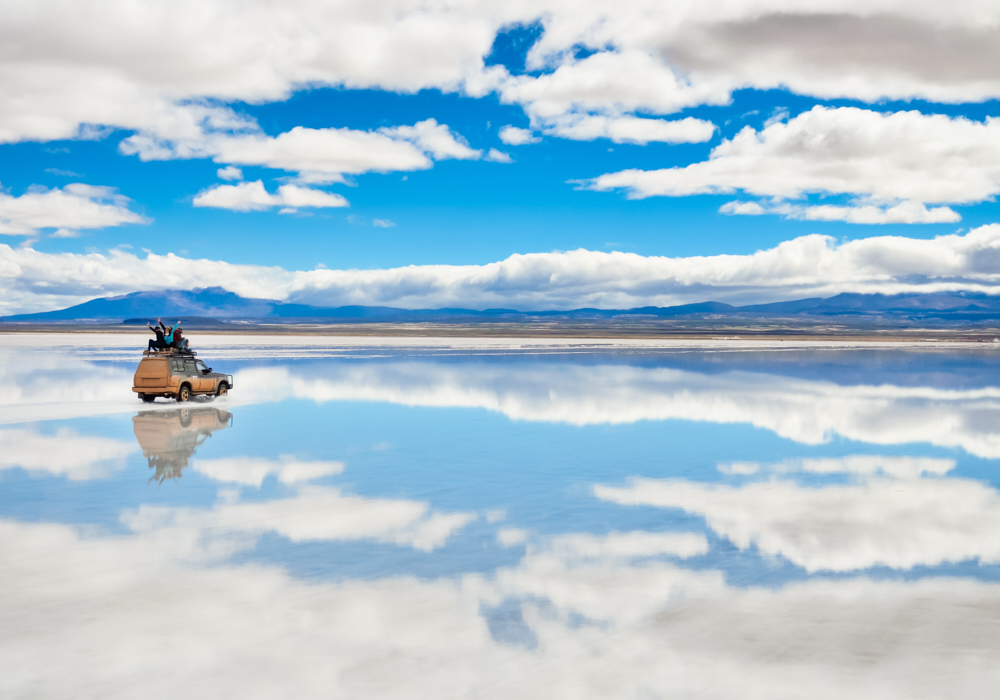
Uyuni Salt Flats
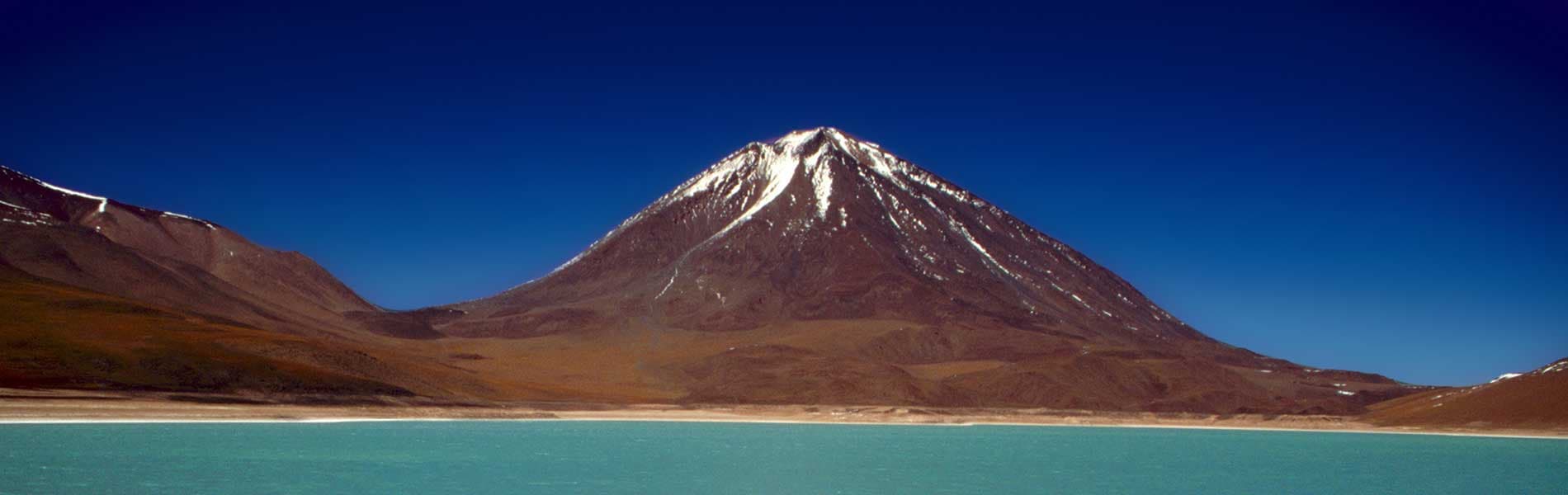
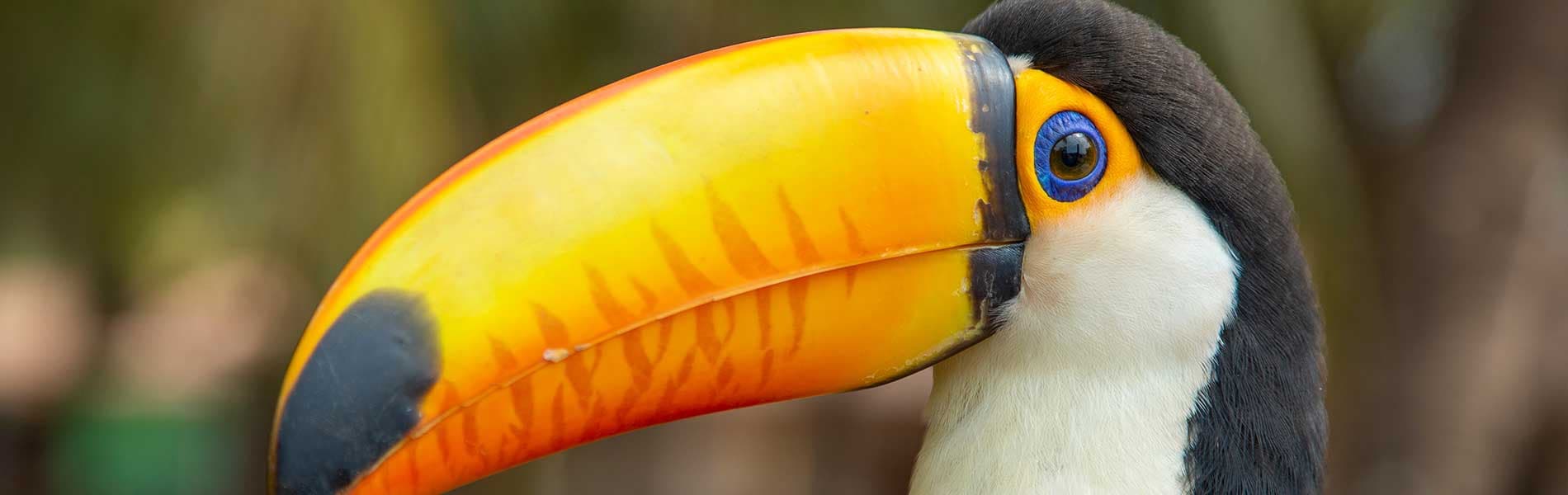
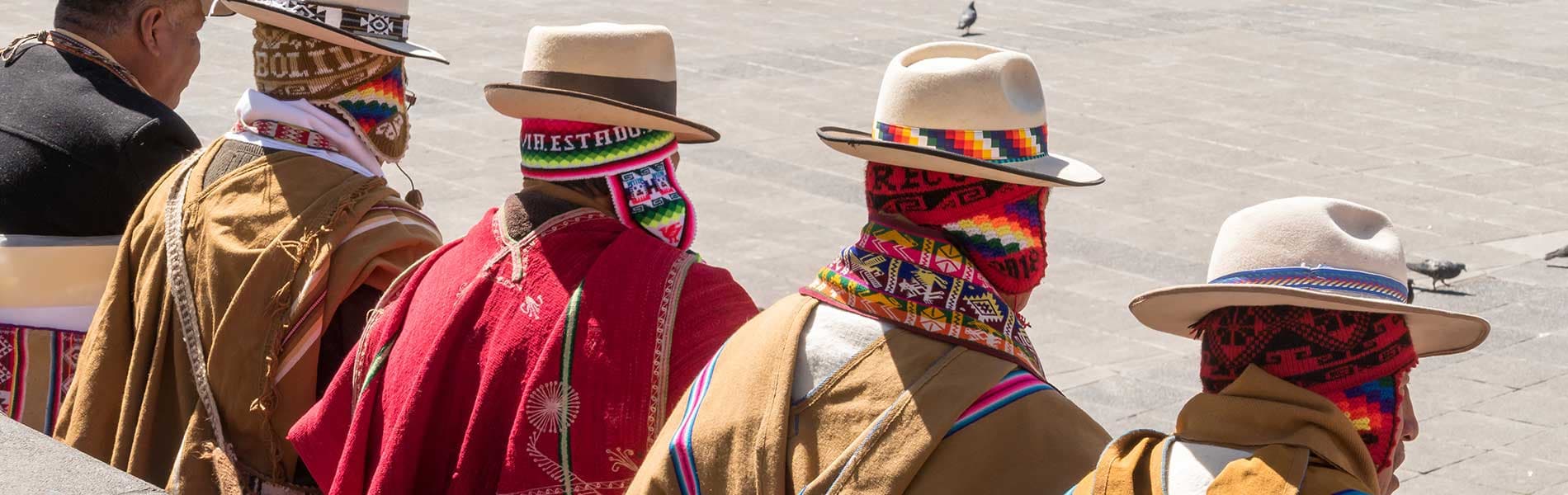
The high elevations of the Andean mountain range, descend into the steamy tropical jungle regions of the Amazon. The one thing that Bolivia does not have is a sea border, which was taken from them by Chile during the Atacama border dispute during the war of the Pacific in 1884. Since then, Bolivia has been a landlocked country. Bolivia is a large country geographically but has a relatively low population count with just over 10 million inhabitants. These people can generally be found in the cities such as La Paz, Sucre, Santa Cruz and Potosi. A large part of the country is covered in jungle and is also the home to a wide range of animal species and the biodiversity is even greater due to the geography of the country. Bolivia is renowned as being somewhat politically unstable but has regained a certain amount of stability in recent years under the government of Morales. Bolivia is also "infamous" for its massive cocaine production and exportation. The coca leaf is legally grown in the country and it is suggested that it forms a significant, yet illegal part of the Bolivian economy. Bolivia however remains one of the most exciting places to visit in South America, which its cultural traditions still intact, its stunning mountains, Lake Titicaca, The Uyuni salt flats and The Amazon jungle. The country is a backpacker's paradise as it is really cheap to travel with lots to see and do. Life is a little more basic and rugged than in other parts of Latin America, but this naturalness only adds to the Bolivian charm and the country is still one of the safest places to visit in the Americas!
Bolivia offers visitors many different ways to discover her cities, nature and ecological zones, which all make the perfect recipe for a wide variety of
Package type:Adventure
Physical Rating:Low
Bolivia is a small and compact country yet has so much to see. Whether you decide to visit Bolivia alone or if you want to
Package type:Traditional
Physical Rating:Moderate
Because Bolivia is such a small country, many people choose to visit as an extension from either Peru or Chile. This is the perfect way
Package type:Adventure
Physical Rating:Moderate
Because Bolivia is such a small country, many people choose to visit as an extension from either Peru or Chile. This is the perfect way
Package type:Adventure
Physical Rating:Moderate
The best way to describe Bolivia is a colourful palette, painted by Mother Nature and a series of stunning, picturesque and impressive natural destinations, reflecting
Package type:Adventure
Physical Rating:Moderate
The best way to describe Bolivia is a colourful palette, painted by Mother Nature and a series of stunning, picturesque and impressive natural destinations, reflecting
Package type:Multi-Destinations
Physical Rating:Moderate
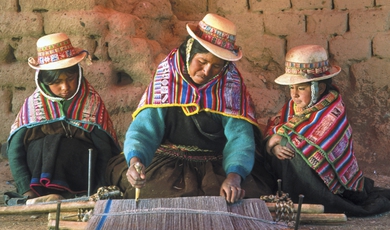
The best way to describe Bolivia is a colourful palette, painted by Mother Nature and a series of stunning, picturesque and impressive natural destinations, reflecting
Package type:Traditional
Physical Rating:Moderate
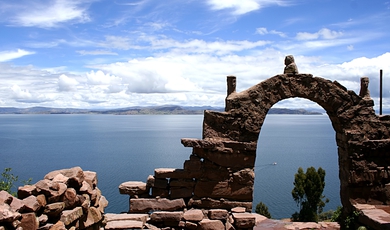
The best way to describe Bolivia is a colourful palette, painted by Mother Nature and a series of stunning, picturesque and impressive natural destinations, reflecting
Package type:Multi-Destinations
Physical Rating:Moderate
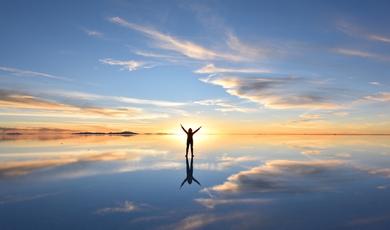
Bolivia Is a land of contrasts ruggedness and rawness, with stunning mountains and snow caps, high altitude deserts, volcanos, hot springs and luminous lakes. One
Package type:Luxury
Physical Rating:Moderate
Discover remarkable landscapes, historic cities, and iconic landmarks across the region.
Explore monthly average temperatures across major regions to help plan your adventure.
| City | Jan | Feb | Mar | Apr | May | Jun | Jul | Aug | Sep | Oct | Nov | Dec |
|---|---|---|---|---|---|---|---|---|---|---|---|---|
| La Paz | 16°C | 15°C | 16°C | 16°C | 15°C | 15°C | 15°C | 16°C | 16°C | 18°C | 18°C | 17°C |
| Uyuni | 11°C | 10°C | 10°C | 8°C | 5°C | 3°C | 3°C | 4°C | 7°C | 9°C | 11°C | 12°C |
| Sucre | 22°C | 22°C | 22°C | 22°C | 22°C | 22°C | 22°C | 23°C | 24°C | 24°C | 24°C | 23°C |
| Potosi | 18°C | 18°C | 18°C | 17°C | 18°C | 16°C | 16°C | 17°C | 19°C | 21°C | 21°C | 19°C |
| Rurrenabaque | 29°C | 28°C | 29°C | 29°C | 27°C | 27°C | 27°C | 30°C | 32°C | 32°C | 31°C | 30°C |
| El Alto | 9°C | 9°C | 9°C | 8°C | 6°C | 5°C | 5°C | 7°C | 8°C | 10°C | 10°C | 8°C |
Real stories and authentic feedback from travelers who explored with VA Expeditions.

Everything you need to know before visiting Bolivia: local customs, safety guidelines, currency, health advice, and practical tips.
Bolivianos are the local currency but are called "pesos" by the local people. The Boliviano is linked but not fixed to the US dollar. Notes are quite often taped and look old, but try and keep hold of the better quality bills as that is what most other people will do also! Denominations come in $10, 20 50 100 and 200s.
Dollars are accepted but should be pristine, with no small tears. The best exchange rates can usually be found at the border towns. Offload your bolivianos before you leave as they are hard to change outside of the country.
The general standard of accommodation for its specific category tends to be good value. Outside of the main cities, options are a lot more limited, so luxury options may be an issue, but there are plenty of budget options abound in most towns and cities. Even the most economical of lodgings with usually have a private bathroom and a hot shower, though the cheaper options may have shared facilities. There are excellent eco-lodges in the jungle, top-end hotels in the bigger cities and even salt hotels in the Salar de Uyuni! On the 3 day Salar tour, there are basic hostels in the national park of Eduardo Avaroa with shared bathrooms and no showers, for example! So accommodations generally depend on the specific area you are visiting.
Bolivia is one of the poorest countries in South America and their national health care system is of a generally low quality. There are decent private clinics in la Paz and in Cochabamba, but outside of these cities, health services are limited and basic. Make sure you have a comprehensive travel insurance policy, which covers you for health insurance.
The jungle regions have a wide variety of tropical illnesses and yellow fever is rife. Mosquito-borne illnesses such as malaria, zika and dengue are common also. Visit your local travel clinic before you go!
Water is treated in the bigger cities but not in smaller towns. Salads will be washed, but you should check the water source of what they are washed in! Traveller's diarrhoea is common in Bolivia due to the lower standards of water quality, so take stomach medication with you. Amoebic illnesses are also common with Giardia being common.
Bolivia is, in general, a safe country to travel in. However, petty crime is quite common in the bigger cities and the fact that we stand out more makes us a more obvious target. Opportunistic theft is common; violent crime is not. Be aware of your surroundings and even more so with your valuables.
Most hotels have safety deposit boxes, use them! Photocopy your travel documents and carry the copies with while you lock up the originals. Use your common sense; the gut is usually correct! Avoid using ATMs at night and avoid dark areas, or streets, if walking on your own. There is a common story of the "false policeman" approaching you in La Paz. In general, unless you are misbehaving, police will not approach tourists so be aware if they do, they will possibly be trying to scam you.
A common reason is checking for "false notes" which of course, the fake police officer finds in quantity in your wallet and confiscates them!
Bolivians generally tend to be conservative and a little old-fashioned, as a sweeping generalisation of course! A 'good morning' and a 'good evening' are essential before you enter any type of conversation and 'please' and 'thank you's' are an essential travel item! Older people or people in a position of status should always be addressed as Señora or Señor. Bolivian people tend to be very generous, especially with food and drink. They may be offended if you refuse their gesture!
Race is a delicate topic, especially when it refers to the indigenous people of Bolivia. Never use the word "Indio" this is deeply offensive and stick to "indigeno" if referring to an indigenous person. African or Afro-Americans visiting, will find the locals more inquisitive than racist.
People are a mixture of Catholic and indigenous religions, always ask before taking part in any traditional ceremony and always ask before taking a photo.Clothing is generally conservative in the highlands, arguably because it is much colder there. Santa Cruz is a lot more liberal with regards to dress once again, possibly due to the heat.
Women travellers will have an easier time in Bolivia than other Latin American countries, with men having a more conservative approach. Santa Cruz is somewhat more Latino and a little more "machismo" exists towards women, with whistling and sexual comments. However, women are generally safe all over Bolivia.
Visa requirements depend on each individuals' home country.
Visa categories fall into one of three groups, all of which require a valid passport with at least 6 months' validity.
Most countries will fall into category 1, which is an automatic entrance on arrival, for 30 days. You can then extend this to 90 days at the immigration office. You will be given an immigration card on entrance and this should be handed in when you leave Bolivia.
Check which countries require a visa in advance with the Bolivian consulate as things frequently change!
Homosexuality is not illegal in Bolivia, but it is definitely "frowned upon", especially in the Andean regions as opposed to Santa Cruz and the jungle regions, where people are generally more relaxed. People tend to be slightly more conservative and religious in Bolivia, so a discreet approach is probably the best.
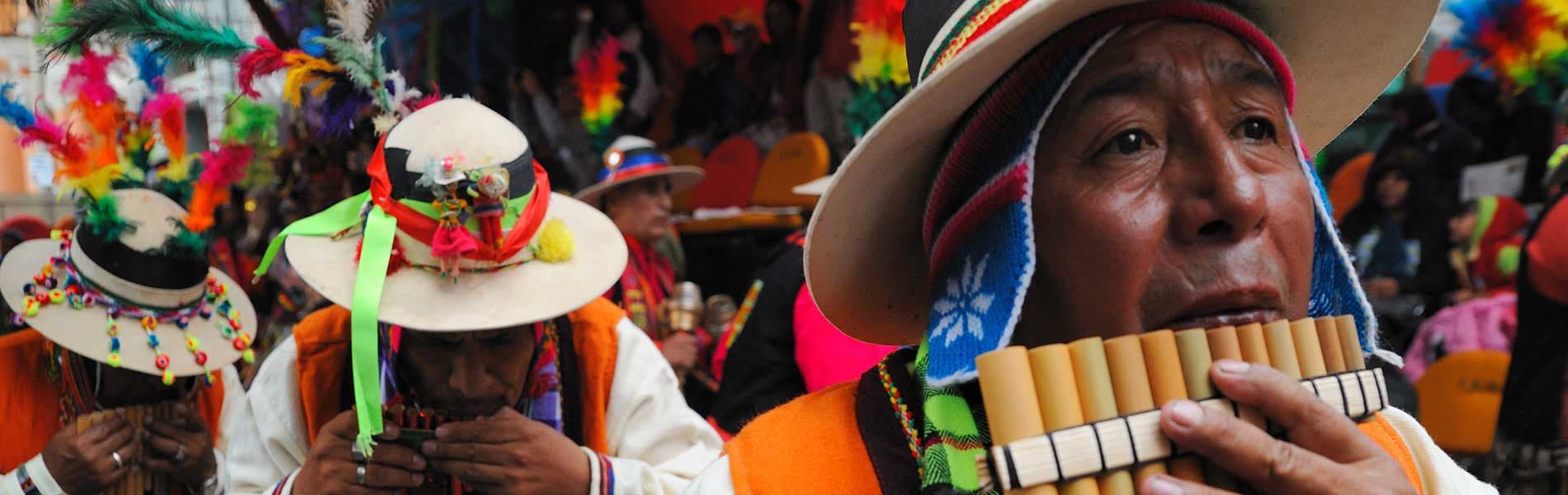
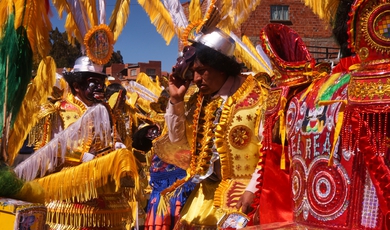
Bolivians are very cultural with their traditional festivals, dress and dances. Oruro is famous for its carnival in February and worth a visit if you can! They also celebrate traditional festivals to the sun and moon, for example.
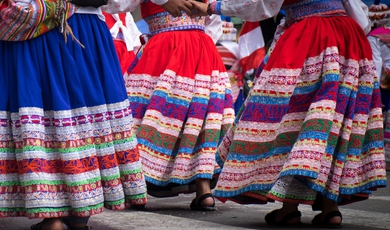
Bolivians, like most other Latin American countries, enjoy their football (soccer), volleyball and baseball. The female "cholitas" wrestlers are also popular in La Paz, which is a combination of the Mexican style wrestling masks and the big Andean skirts… a sight to behold! In general, Bolivian pastimes depend on social class. Still, all people will watch the national football team, get together for the festivals and visit the local markets, which also forms a part of the daily activities in Bolivia.
Llama is a popular dish in Bolivia and is the Bolivian "steak" and you will also find the dried llama meat called "Charki "as a popular snack.
Potatoes. In the highland areas, potatoes are eaten in abundance as well as broad beans and yellow Andean corn.
Llauja. You will find "Llajua" on most tables to dowse meals, which is a spicy sauce made of yellow chilli peppers.
Soups are common and most contain quinoa.
Pique de macho is a popular dish also which is made from sausages, beef, onions, peppers and fried eggs.
Silpancho is a lot of carbohydrates; usually, rice and potatoes, served with ground meat and then tomatoes, parsley and fried eggs.
Salteñas are probably the most popular street food in Bolivia which are very similar to a pasty
For the sweeter tooth, chocolate and coconut are commonly used ingredients and come from the east of Bolivia in the tropical regions. Manjar Blanco is a sweet caramel sauce often used and fruits from the jungle region, such as "membrillo", chirimoya and mangos.
Drinks include a lot of fizzy sodas, fresh fruit juices and the alcoholic option is the Zingani which is similar to Pisco and made from grapes.
Everything you need to know before and during your travel experience in Bolivia.
You can check our safety protocols in the following link:
We suggest that you speak with your doctor to ensure that you are up-to-date with the recommended vaccinations when traveling to the destination. In any case, a negative Coronavirus Molecular Test (PCR) is needed to enter the country.
As in any city in the world, there can be pickpockets in crowded places. We suggest being vigilant at all times, but if you are in a group you will always be safer.
Yes, hotels will charge the cost of a double room as standard, so a single supplement will be charged if you are traveling alone.
Each trip is customizable, but there may be additional restrictions and expenses in each case. We suggest contacting your sales representative for more information.
Yes, you can add additional or optional services to your regular tour. We appreciate contacting your sales representative for any changes you wish to make.
We work with a maximum group size of 12 passengers for sustainability reasons and a more personaized experience.
We suggest consulting with your embassy to review any documents, tests or special visa you need for your trip.
Yes, we cater for all special dietary requirements. Please let us know at the time of booking if you have any allergies or special dietary needs.
Tips are not included in the cost of the tour. You should plan to tip 10% in restaurants and for your guided services, however, tipping is never required.
This depends on each itinerary, and will be indicated in the detail of the day. However, our itineraries always usually include free times to offer more flexibility to our guests.
At VA Expeditions we believe that every action we take should generate a positive impact on the communities and the environment of our entire production chain, which is why we carry out various activities focused on this objective. An example of our sustainable projects: Visit to Native bees farms and local communities, visit to local communities that promote organic coffee production, camelid program for the conservation of Wild Vicuñas in Sajama National Park.
This depends on each itinerary, but generally is a ratio of one guide for every nine guests.
The tours are carried out by an expert team that has determined the optimal times of visits to make the most of our guests' time, without rushing. All our programs are customizable, so if at any time at the destination you want to adjust the pace of the trip, you can ask your guide to reach a consensus with the whole group in case you need to make adjustments to the pace of the trip.
Yes, you can safely store any luggage at your hotel.
In the mountains and remote places there is no Internet connection. Hotels and public places usually have WIFI available.
It depends on each itinerary. Please ask your sales representative for this information.
Thank you very much for your interest! You can follow us on our networks:
Facebook: https://www.facebook.com/vaexpeditions/
Instagram: https://www.instagram.com/vaexpeditions/
Pinterest: https://www.pinterest.com/vaexpeditions
Twitter: https://twitter.com/vaexpeditions
Linkedin: https://www.linkedin.com/company/vaexpeditions/
We do not include travel or health insurance and we strongly recommend a comprehensive travel insurance for any unexpected circumstances. This is not obligatory, however. An full travel insurance policy that covers cancellations and delays as well as medical insurance.
We suggest that you speak with your doctor to ensure what medications you will need to bring to the destination. Pharmacies and drugstores are common in all cities, however, it is not certain that you will be able to find a specific drug that you can find in your country of origin.
We do not include the cost of any domestic or international flight in any of our programs. These services must be booked independently by each guest.
VA Expeditions is supported by Valencia Travel, a company with more than 12 years of foundation with a solid financial position. We have insurance from the insurance company La Positiva, that supports us and protects our guests from any eventuality at the destination, covering our guests for more than 5 million US dollars.
Yes, in addition to multi-day programs, we offer half-day experiences and excursions without overnight, which you can purchase as additional services. In case you wish to purchase one of these services, you can ask your guide, the transfer representative or your sales representative to provide you with the support you need.
Yes, you can travel with children and we have many activities to do as a family, however, depending on your itinerary, some experiences can be a bit demanding for young children. As a recommendation, we suggest that you ask your sales consultant if the tour you wish to book is suitable for children.
We suggest making your reservations at least one month before your trip in order to reserve the best hotels, transportation and services for your travel dates, however, in last minute cases, we can reserve up to 15 days in advance.
The official currency in Bolivia is the Boliviano (BOB). In large cities there is a good chance that you will find ATMs or ATMs, however, we suggest that you do not rely entirely on this solution, as it may not be enabled to work with your bank.
As a sustainable travel company, we are in constant search of how we can improve the sustainability of our operations, that is why we carry out the following activities to generate a fair and sustainable development in our areas of operation: https://boliviamilenaria.com/sustainable-travel/
Cultural norms vary within each Latin American country, even within each city within the country, however, we recommend the following measures to have a pleasant visit in each destination: Latin American culture in general tends to be closer and more informal than in others cultures, so there is usually always a friendly approach in all conversations, and going directly to the point could be considered offensive to some people. Personal space can be much shorter as well, but without being interpreted as sexual in nature.
The schedules are also usually more relaxed and informal, however, this is not the case of VA EXPEDITIONS, since we will always respect the hours indicated in your itinerary. This may be different for other appointments that you can book on your own at other locations.
For any emergency, we appreciate contacting the following number: +59170176589
All our guests have 24/7 support for any type of emergency or eventuality. For emergencies you can contact the following number: +59170176589 . For general inquiries, you can write to us at the following email: info@valenciatravelcusco.com
This depends on the type of the type of Travel insurance that the passenger has. We recommend that you have a comprehensive travel insurance policy for better care and hospital facilities.
Each trip is customizable, but there may be additional restrictions and expenses in each case. We suggest contacting your sales representative for more information.
For city tours, there are public bathrooms available, in remote destinations bathroom facilities are more sparse.
In cities and tourist centers you will have good telephone reception. In remote areas, there may be no cell phone reception.
We suggest that you bring a refillable water bottle or purchase bottled water if necessary. At various points on your trip there will be places where you can fill your water bottle. We include in all the programs 20 liters of water and passengers can refill their bottles with no trouble
Committed to international standards of excellence, safety, and sustainable tourism.






Recognized globally for quality management, environmental responsibility, adventure travel safety, and premier customer satisfaction.