4 Highlights
Chilean Patagonia
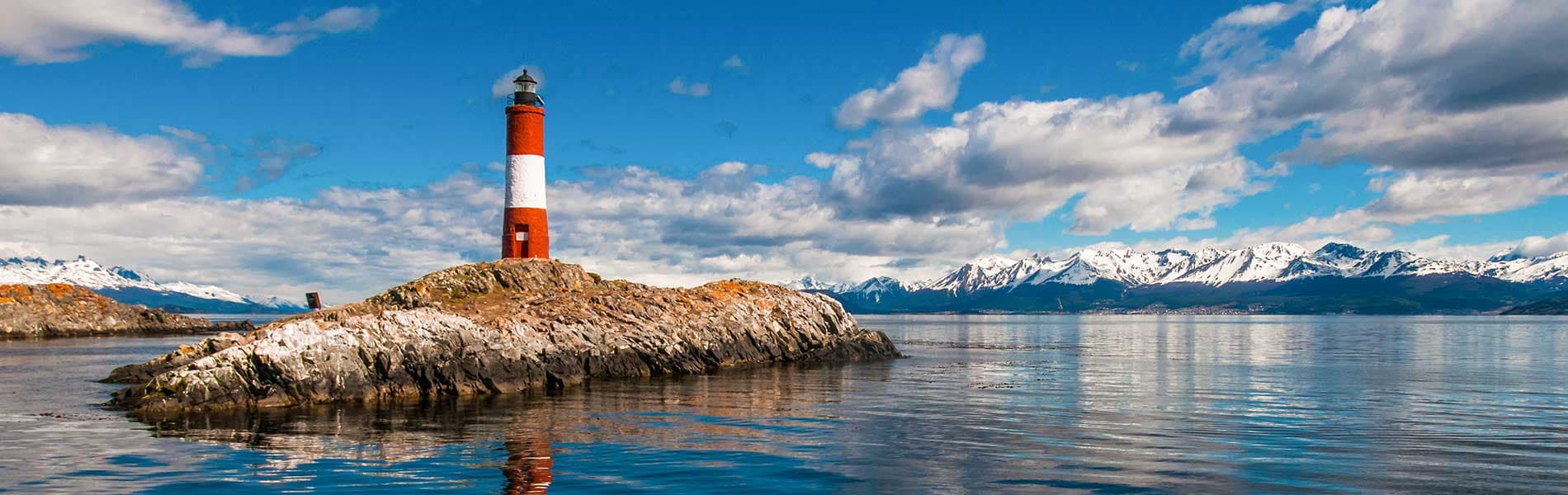
Is dramatic, mountainous and cold! As we head south to Antarctica, the scenery is rustic, natural, wild and exciting.
Explore destination
San pedro de Atacama
Chile is one of the most geographically varied countries in the world. It runs roughly 2,600 miles along the Pacific coast but averages only about 110 miles wide, so a single trip can move from desert to vineyards, lakes, glaciers and fjords. In the north, the Atacama Desert is one of the driest places on Earth, with salt flats, geysers and exceptionally clear night skies. Central Chile, around the capital Santiago, has Mediterranean-climate wine valleys and the hillside port of Valparaíso, a UNESCO World Heritage city. Farther south, the Lake District brings snowcapped volcanoes and forested lakes, and Patagonia brings Torres del Paine National Park, glaciers and wind-swept steppe. Rapa Nui (Easter Island), home of the moai statues, lies roughly 2,200 miles off the coast in the Pacific.
Many first-time visitors combine Santiago with the Atacama or with Patagonia, then add wine country, the Lake District or Rapa Nui. Distances on the map can be misleading: Chile is so long that the regions are far apart, and domestic flights are usually the practical way to link them, so we plan routes with realistic flight and transfer times in mind.
The regions also suit different priorities. The Atacama is known for its dark night skies and is comfortable for much of the year, while Patagonia is best in the long days of the southern summer and can be windy and changeable. Comfort levels differ too: Santiago and the wine valleys offer polished city and estate stays, while desert and Patagonian lodges can be remote and simpler. Chile also works well as an extension to a Peru, Argentina or Bolivia trip.
This page shows what to see, when to go, how long it takes, and what to plan for, including distances, seasons, altitude in the north and current travel conditions.
VA Expeditions LLC is a U.S.-based travel company. We manage your itinerary and your questions, and we coordinate supplier availability and payment arrangements across the route. Local operators deliver the on-the-ground services, such as transfers, guides and accommodations.

Chile is one of the most extraordinary countries in the world! It is a country of incredible geography and natural diversity, making it a fabulous
Package type:Multi-Destinations
Physical Rating:Moderate

Chile is one of the most extraordinary countries in the world! It is a country of incredible geography and natural diversity, making fabulous destination for
Package type:Luxury
Physical Rating:Low

Chile is one of the most extraordinary countries in the world with its unique geographical coastline and long slender shape. Stretching more than 4000 kilometres along the Pacific Ocean, this
Package type:Adventure
Physical Rating:High

Chile is a fascinating destination to visit with something for everyone. Santiago, the cosmopolitan capital, Valparaiso is the colourful fishing town on the coast steeped
Package type:Multi-Destinations
Physical Rating:Moderate

Chile is one of the most extraordinary countries in the world! It is a country of incredible natural diversity and is a fabulous destination for
Package type:Adventure
Physical Rating:Moderate

Chile is one of the most extraordinary countries in the world! It is a country of incredible geography and natural diversity, making it a fabulous
Package type:Luxury
Physical Rating:Moderate

Located towards the southeast of La Serena, The Elqui Valley is the perfect, picturesque place to visit for its traditional activities and stunning scenery. Here
Package type:Adventure
Physical Rating:Moderate

Chile is one of the most extraordinary countries in the world! It is a country of incredible natural diversity. It is a fabulous destination for
Package type:Adventure
Physical Rating:High
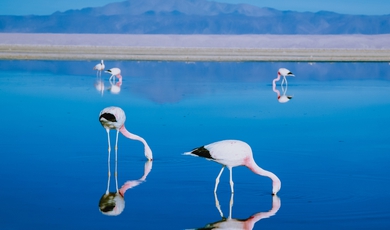
If you are short on time but are intrigued to find out more about Chile and its history, then this is the tour for you.
Package type:Traditional
Physical Rating:Moderate
Discover remarkable landscapes, historic cities, and iconic landmarks across the region.
Explore monthly average temperatures across major regions to help plan your adventure.
| City | Jan | Feb | Mar | Apr | May | Jun | Jul | Aug | Sep | Oct | Nov | Dec |
|---|---|---|---|---|---|---|---|---|---|---|---|---|
| Tierra del Fuego | 14°C | 13°C | 12°C | 10°C | 7°C | 5°C | 5°C | 5°C | 8°C | 10°C | 12°C | 13°C |
| Punta Arenas | 13°C | 13°C | 12°C | 9°C | 7°C | 5°C | 5°C | 5°C | 7°C | 9°C | 11°C | 12°C |
| Pucon | 22°C | 22°C | 19°C | 15°C | 11°C | 7°C | 6°C | 7°C | 10°C | 13°C | 16°C | 19°C |
| Isla Chiloe | 14°C | 14°C | 13°C | 11°C | 9°C | 8°C | 7°C | 8°C | 9°C | 10°C | 12°C | 13°C |
| Puerto Varas | 20°C | 19°C | 17°C | 15°C | 12°C | 11°C | 10°C | 11°C | 12°C | 15°C | 16°C | 18°C |
| Calama | 24°C | 23°C | 24°C | 23°C | 20°C | 18°C | 18°C | 20°C | 22°C | 23°C | 24°C | 24°C |
| San Pedro de Atacama | 24°C | 24°C | 23°C | 21°C | 19°C | 16°C | 16°C | 18°C | 21°C | 22°C | 23°C | 24°C |
| Hanga Roa | 24°C | 25°C | 25°C | 24°C | 22°C | 21°C | 20°C | 20°C | 20°C | 20°C | 21°C | 22°C |
| Santiago | 30°C | 29°C | 26°C | 23°C | 19°C | 15°C | 15°C | 16°C | 19°C | 22°C | 26°C | 28°C |
| Valparaiso | 23°C | 22°C | 21°C | 19°C | 17°C | 15°C | 15°C | 15°C | 17°C | 18°C | 20°C | 22°C |
Real stories and authentic feedback from travelers who explored with VA Expeditions.

Everything you need to know before visiting Chile: local customs, safety guidelines, currency, health advice, and practical tips.
Chile has experienced demonstrations in Santiago and other cities that can disrupt transportation. TheU.S. Department of State travel advisory for Chile was issued on August 19, 2026, at Level 2 (exercise increased caution), citing crime, civil unrest and health. The CDC may also post travelers’ health notices for Chile, including for Andes virus, so check theCDC Travelers’ Health page for Chile for the current notice. Other governments’ advice may differ. Conditions can change quickly, so check the advisory and your own government’s advice before you book and again before you travel. We confirm routes with local operators and talk through options with you if conditions affect your dates.
A guidebook can describe Torres del Paine, but it cannot sequence your trip for you: how to link regions that are hundreds of miles apart, which season suits which region, and what to do when a flight or road changes. That is the part of a Chile trip we plan with you.
A VA Expeditions travel designer is your main contact for itinerary design, proposals and changes.
Local operators deliver services in Chile, such as transfers, guides and lodging. We can tell you which operator delivers each part of your trip.
Itineraries are sequenced with Chile’s long distances in mind, using domestic flights where they save time, easing into the high-altitude Atacama, and leaving buffer time around flights and Patagonian weather.
Itineraries are shaped around who is actually traveling. A family taking a short extension after Peru needs a different pace than a couple with two weeks and an interest in trekking.
Before you travel, VA Expeditions manages your itinerary and bookings. During your trip, the local operator delivers your services, and your trip documents list the contacts to use if plans change.
Request a Tailor-Made Proposal
Insider tip: Weather changes quickly and winds can be strong, so pack layers. Trekking lodges and campsites generally need to be reserved well in advance, especially for December to February, and we confirm availability with local operators.
Insider tip: Keep your first day light while you adjust to the altitude. San Pedro is at about 7,900 feet and El Tatio at roughly 14,000 feet, and mornings and nights are very cold.
Insider tip: Santiago works well as an arrival and recovery stop. Keep valuables out of sight in busy areas.
Insider tip: Rapa Nui has its own entry process, a park ticket and accredited guides at certain sites. Allow at least three nights, and keep a buffer day in case flights change.
Insider tip: Many wine regions can be visited as a day trip from Santiago. Harvest is typically March and April.
Insider tip: Rain is possible in any month. Some parts of the southern Araucanía region have been affected by security concerns, so check current advisories for any route there.
Insider tip: Schedules depend on wind and weather and cannot be guaranteed. Book early for the peak summer months.
Insider tip: Favor flights over long road transfers where possible, keep some flexibility in the schedule, and check official advisories before you book and before you travel.
Transport times, border procedures and operations can change. Each route is confirmed with the operators before it appears in your proposal.
A short planning checklist for your trip. Your travel designer can go through each point in detail.
Official sources:CDC Travelers’ Health: Chile andU.S. Department of State: Chile.
Official source for Rapa Nui:Chile Tourism: entry and visa requirements.
These Chile tours can be customized to your dates, pace and comfort level. Each tour name links to its own page, where you can see the route and inclusions. Not sure which fits? Ask a travel designer to adapt one for you.
|
Tour |
Days |
Type |
Physical rating |
|
12 Day Chilean Multi Destination Adventure |
12 |
Multi-Destinations |
Moderate |
|
9 Day Luxury Chilean Adventure |
9 |
Luxury |
Low |
|
Trekking Patagonia |
8 |
Adventure |
High |
|
Chile and Easter Island Multi-Destination |
12 |
Multi-Destinations |
Moderate |
|
6 Day Chilean Altiplano and Andes |
6 |
Adventure |
Moderate |
|
12 Day Luxury Chilean Adventure |
12 |
Luxury |
Moderate |
|
Elqui Valley Immersion |
4 |
Adventure |
Moderate |
|
12 Day Full-On Chile Adventure |
12 |
Adventure |
High |
|
Whistlestop Chile |
9 |
Traditional |
Moderate |
About the physical rating. Ratings reflect general activity level, including walking, altitude and accessibility, not your personal fitness. Low means mostly easy, short activities with comfortable transfers. Moderate includes longer days, some walking and some time at altitude. High includes multi-day trekking or demanding terrain. Altitude affects everyone differently, and many Chile itineraries include high elevations in the north, long travel days, and trekking in changeable Patagonian weather. Ask your travel designer how a tour suits your health and experience.
Luxury tours include higher-comfort accommodations and services, and the level of comfort can vary by location, especially in remote areas. Your proposal describes each property and service.
Dramatic, mountainous and wild, with Torres del Paine National Park, glaciers, turquoise lakes and long hiking trails at the southern end of the continent.
Lush farmland, dense forest, snowcapped volcanoes and clear lakes, with lakeside towns such as Puerto Varas and the island of Chiloé nearby.
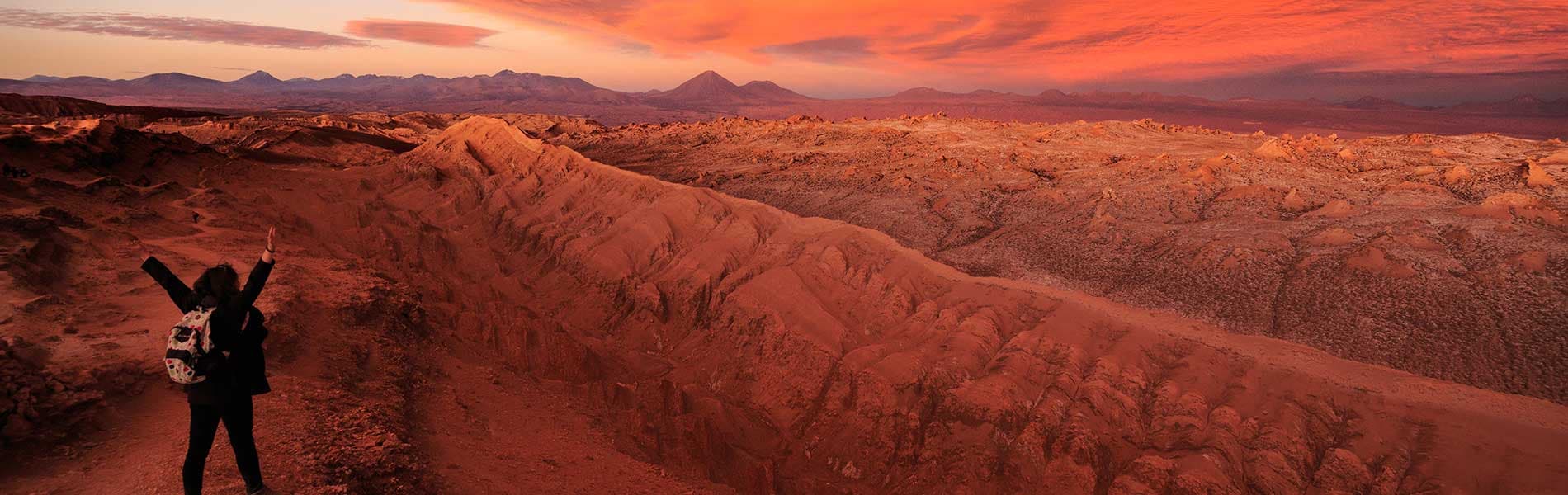
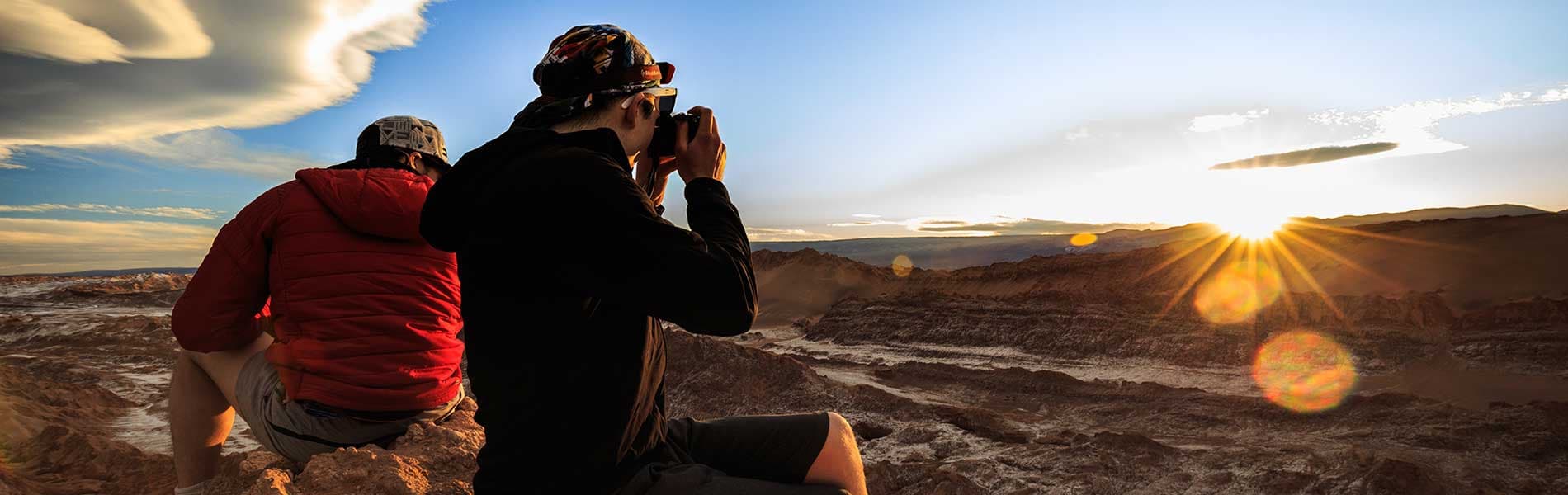
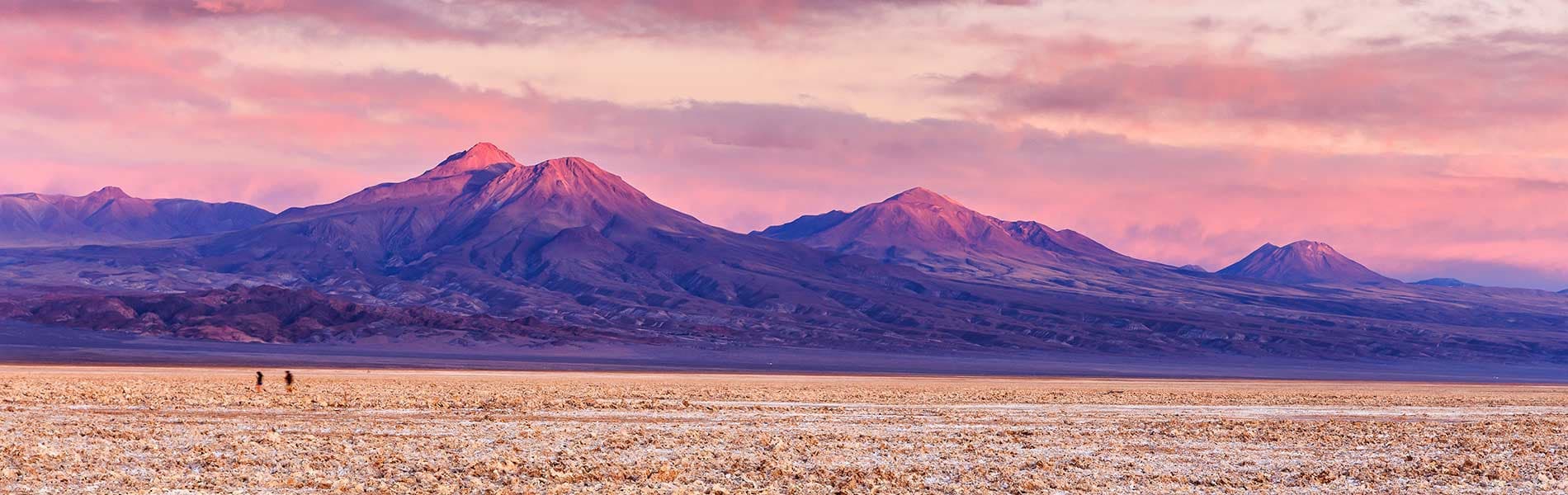
One of the driest deserts on Earth, based around San Pedro de Atacama, with salt flats, lagoons, geysers, moonlike valleys and exceptional stargazing.
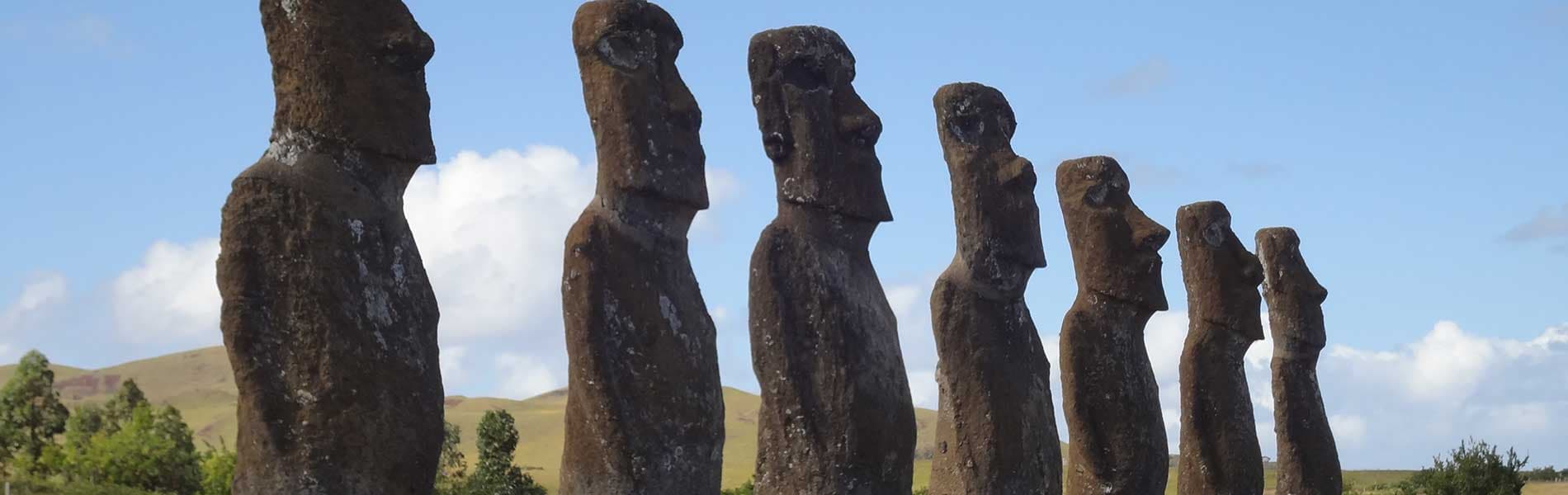
A remote Pacific island closer to Polynesia than to the Chilean mainland, known for its moai statues and volcanic scenery. Visits follow a special entry process, which your travel designer walks you through.
Chile’s capital, set in a valley beneath the Andes, with historic neighborhoods, museums, restaurants and easy access to nearby wine valleys and Valparaíso.
Chile’s strongest pairings follow real geographic links: Patagonia shared with Argentina, the Uyuni–Atacama corridor between Bolivia and Chile, and the flight connections to Peru. The examples below show common ways to build a route rather than every option. Durations are indicative, and your proposal confirms the exact route, transport and border steps.
Patagonia spans both countries, and many travelers pair Torres del Paine with El Calafate and the Perito Moreno Glacier in Argentina. Border crossings, mountain passes and weather can affect the schedule, especially in winter. A Patagonia route like this is different from a Lake District–Bariloche route or a Santiago–Mendoza–Buenos Aires route, which we can explore on request. A trip combining both countries usually takes about 14–18 days.
Chile and Peru are most often linked by flight, for example between Lima or Cusco and Santiago. This works well for travelers who want Machu Picchu and Cusco alongside the Atacama or Patagonia. A trip combining the two countries usually takes about 14–18 days. Allow time for flight connections, and keep in mind that Cusco is at high altitude.
The usual route between Chile and Bolivia is the multi-day 4x4 journey between San Pedro de Atacama and Uyuni, with a border post and a change of vehicle along the way. A trip combining both countries usually takes about 8–12 days. The high-altitude desert scenery is the highlight, but cold nights, altitude and weather can affect the schedule.
|
Example route |
Typical length |
What it covers |
|
Chile + Argentina |
14–18 days |
Santiago, Torres del Paine, El Calafate and Perito Moreno |
|
Chile + Peru |
14–18 days |
Cusco, Machu Picchu, Santiago, and the Atacama Desert or Patagonia |
|
Bolivia + Chile |
8–12 days |
Uyuni Salt Flats, high plateau lagoons, San Pedro de Atacama |
There is no single best month for Chile, because the country spans so many climates. Its seasons are the reverse of the Northern Hemisphere, with summer from December to February. The best time depends on the regions you plan to visit.
|
Region |
Preferred window |
Trade-offs and limits |
|
Patagonia and Torres del Paine |
Roughly November to March (summer) |
Longest days and the most access, but also the strongest winds and the biggest crowds from December to February. Trekking lodges and campsites fill early. Roughly October and April can be quieter, with colder weather and some closures. |
|
Atacama Desert |
Year-round; roughly March to May and September to November are comfortable |
Dry almost all year, with strong sun and very cold nights. Summer rain in the high desert can occasionally affect some excursions. Altitude affects the high-elevation excursions in every season. |
|
Santiago and the Central Valley |
Roughly September to November and March to May |
Mild in spring and fall. Summer (December to February) is hot and dry, and winter is cool with possible rain. |
|
Lake District and Chiloé |
Roughly December to March |
Warmest and driest in summer. Rain is possible year-round, especially from April to September. |
|
Rapa Nui (Easter Island) |
Year-round; the warmer months are roughly December to March |
Mild all year. Cooler and wetter from roughly June to August. Flights from Santiago are limited, so schedule changes can affect your plans. |
|
Tapati Rapa Nui festival |
Early February (dates change each year) |
A major cultural celebration on Rapa Nui. Accommodation fills early and prices rise, so plan far ahead. |
Chilean school holidays in January and February can make domestic flights, hotels and popular parks busier. For trips that combine Chile with Peru or Bolivia, the shoulder months of roughly March to May and September to November can offer a good balance of weather and smaller crowds, although nights at altitude are cold in all three countries.
Seasonal windows are general guidance and can change. Last reviewed: October 29, 2026. Your travel designer can advise on availability and booking timing for your dates.
|
S.No |
Stage |
What happens |
|
1 |
Consultation |
You share your interests, dates and travel style. |
|
2 |
Qualification |
We confirm party size, service level and timing, and you can share a budget range if you wish. |
|
3 |
Route design |
We sequence destinations by distance, flights, transfers and season. |
|
4 |
Proposal |
You receive a proposal with the route, services and what is included. |
|
5 |
Revisions |
We adjust pace, accommodation level and time in each area with you. |
|
6 |
Availability confirmation |
Local operators confirm availability for your dates. |
|
7 |
Payment |
You confirm the trip and pay under the terms in your proposal. |
|
8 |
Pre-departure preparation |
You receive trip documents and guidance on entry requirements, health and logistics. |
|
9 |
On-trip support |
Local operators deliver your services and provide on-the-ground support, with contacts listed in your trip documents. |
Practical Information for Your Chile Trip
VA Expeditions does not provide legal, immigration or medical advice. Use the official sources below for your passport and route. Last reviewed: October 29, 2026.
|
Resource |
Official source |
|
Entry requirements and visas |
|
|
Rapa Nui entry and park requirements |
|
|
Travel advisories and safety |
|
|
Health and vaccinations |
|
|
Altitude |
CDC Yellow Book: altitude illness |
|
Road conditions |
Chilean Ministry of Public Works (MOP) road status (in Spanish) |
Everything you need to know before and during your travel experience in Chile.
It depends on how much of the country you want to see. As an add-on to a Peru or Argentina trip, roughly five to seven days covers Santiago plus either the Atacama or Patagonia. As a stand-alone trip, about ten to twelve days is a common base for Santiago, the Atacama and Torres del Paine, and two weeks or more leaves room for wine country, the Lake District or Rapa Nui (Easter Island). Distances are long and domestic flights add time, and your proposal confirms the exact route.
Entry requirements depend on your nationality and can change. The U.S. Department of State currently states that U.S. citizens do not need a tourist visa for stays of up to 90 days, and that your passport must be valid at the time of entry and throughout your stay, with at least one blank page. Additional conditions can apply to minors and to travel to Rapa Nui. According to CDC Travelers’ Health, a yellow fever vaccine is not required for entry to Chile and is not recommended for travel there. If your trip includes other countries, check their rules separately. Speak with a travel clinician well in advance. This is general information, not legal, immigration or medical advice.
Mainly in the north. San Pedro de Atacama is at about 7,900 feet, and many excursions, such as the El Tatio geysers and high-altitude lagoons, go much higher. Santiago, Patagonia, the Lake District and Rapa Nui are at or near sea level or much lower. Reactions vary from person to person. Plan a gradual ascent, keep the first day light, and speak with a clinician before you travel, especially if you have heart, lung or other health conditions. A single rest day does not guarantee that you will adjust. This is general information, not medical advice.
Usually, yes. Chile is about 2,600 miles long, and flights are the practical way to link Santiago with the Atacama, Patagonia or Rapa Nui. We plan routes with realistic flight and transfer times, and with buffer time for weather in the south. Flight inclusions depend on the tour, and your proposal states what is included.
Yes. Chile and Argentina share Patagonia and the Lake District, and a common pairing links Torres del Paine with El Calafate. Chile and Peru are usually linked by flight. Chile and Bolivia connect through the multi-day overland route between San Pedro de Atacama and Uyuni. Border crossings, mountain passes and weather can affect the schedule, and we confirm the route, transport and border steps with you before you book.
It depends on the region. Patagonia is best in the southern summer, roughly November to March, while the Atacama Desert can be visited year-round and is especially comfortable in spring and fall. Central Chile and its wine valleys are pleasant from roughly September to November and March to May. Seasonal windows are general guidance and can change.
Rapa Nui has its own entry process. According to Chile Tourism, travelers generally need to complete the Easter Island entry form (FUI) within 48 hours of their flight, hold a round-trip ticket for a stay of no more than 30 days, and have registered lodging or a qualifying invitation. A national park ticket is required, and some sites must be visited with an accredited guide. Rules can change, so your travel designer confirms the current steps for your dates.
The southern summer, roughly November to March, offers the longest days and the most access, though it is also the busiest and windiest time. Many travelers allow two to four days for the highlights, while the W Trek typically takes four to five days. Trekking lodges and campsites generally need to be reserved well in advance, so plan ahead. Conditions and schedules can change.
Petty theft in busy areas of larger cities is a common concern for travelers. Chile has also had demonstrations that can disrupt transportation, and the U.S. Department of State advisory issued on August 19, 2026 lists Chile at Level 2, exercise increased caution. Official advisories change, so check the U.S. Department of State and your own government’s travel advice before you book and again before you travel. We confirm routes with local operators before they appear in your proposal, and we recommend comprehensive travel insurance.
Yes. Chile itineraries can be arranged privately and at different comfort levels, and some packages are designed as luxury trips. Services, comfort level and availability vary by route and operator, and your proposal states what is included for each part of the trip.
Committed to international standards of excellence, safety, and sustainable tourism.






Recognized globally for quality management, environmental responsibility, adventure travel safety, and premier customer satisfaction.