Belize is a hidden gem of Central America, offering a perfect blend of lush rainforests, ancient Mayan ruins, and pristine Caribbean beaches. Whether you are seeking adventure in the jungle or relaxation by the world's second-largest barrier reef, understanding the local climate and seasonal trends is key to planning your perfect getaway.
While the country remains a warm, inviting destination year-round, timing your visit between April and May can offer the best balance of pleasant weather and fewer crowds. Discover the ideal time to explore this tropical paradise, from navigating the wet and dry seasons to experiencing the vibrant local festivals that define Belizean culture.
The weather in Belize
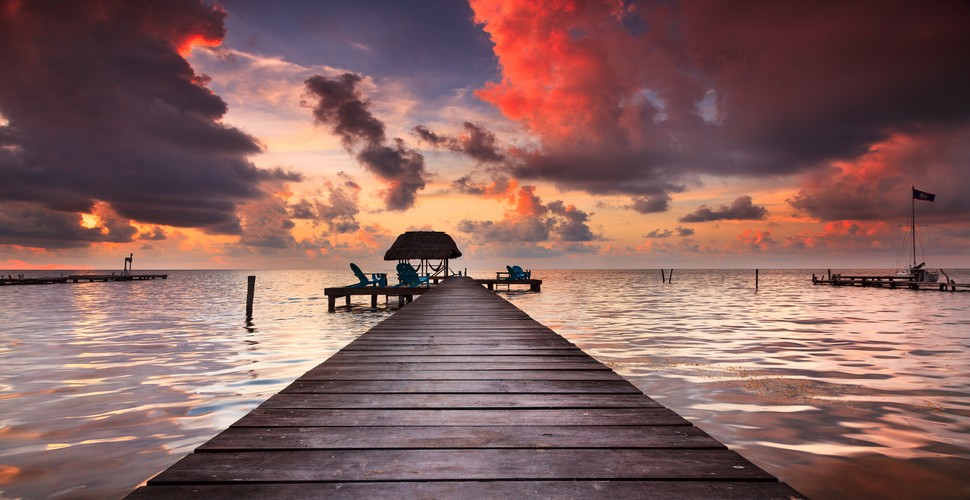
Due to its tropical location, the weather in Belize remains warm year-round. However, there is usually a chance of tropical rain throughout the year. The country´s climate is primarily split between wet and dry seasons. The average monthly rainfall is heavier in spring and Autumn, as the wet season begins in June and ends in November.
Hurricane season runs from June to November, with the most active period for tropical storms starting in late August, after a momentary pause in the country’s rainfall, called the “Little Dry” season. February through April are the driest months of the year, though it’s important to note that even during the rainy season, it is improbable for storms to occupy the entire day. Usually, these showers will pass quickly in the afternoons or early evenings, leaving you free to go about your activities and enjoy some stunning sunsets.
Peak Tourist Season in Belize
Belize combines the rugged natural beauty of the jungles of Central America with the pristine coastline of the Caribbean islands. Yet, unlike its neighbors to the north in Mexico and the Caribbean Islands towards to east, Belize is not on the traveler's list of places to visit. Though many regions of the country remain fabulously untouched, such as the Maya Mountains, the Cayo jungle, and numerous off-shore Cayes, destinations such as San Pedro are becoming increasingly more -visited to escape the cold winter months home.
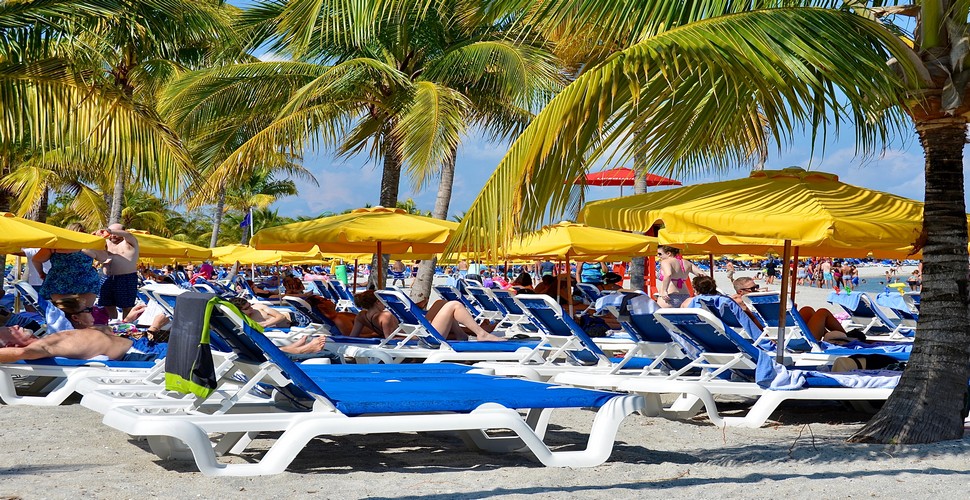
The peak season arrives in November, starting with Thanksgiving, and ends in mid-April, after the last of the party-goers head back home after enjoying the spring break. The heaviest rush of visitors descends upon its tropical soil from mid-December to mid-January. During this time, travel costs, including hotel rates, airline tickets, and regional activities, increase due to the higher demand.
Prices return to normal in early spring, and the temperatures remain compliant. Apart from the often-fleeting afternoon shower, the weather stays warm and sunny in Belize all year round.
Key Holidays & Festivals in Belize
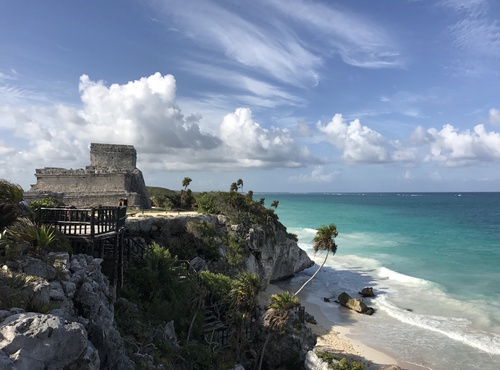
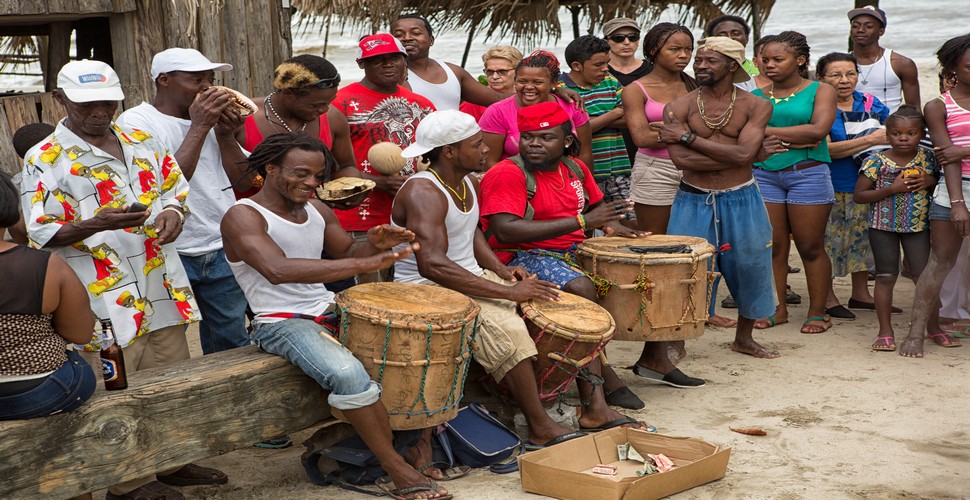
Steeped in Mayan history and home to many of its ancient ruins, Belize is a treasure trove of heritage sites and annual festivals that showcase the nation’s fascinating culture and heritage. This cultural heritage is not just limited to the Mayans; Belize boasts diverse national cultures within its borders, including the Garifuna tribe, who arrived in Belize in the early 1800s. Garifuna Settlement Day, on Nov. 19, is a public holiday and the Garifuna Music Festival: (which occurs the weekend beforehand, celebrates the distinct tradition of song and dance, as well as delicious food. Another important public holiday is Belize Independence Day, on Sept. 21, when there are flag-raising ceremonies and street parades. Additional annual festivities include the Holiday Boat Parade in San Pedro and Belize Lobsterfest, a delicious seafood tradition in June and July every summer.
Geographic Diversity in Belize
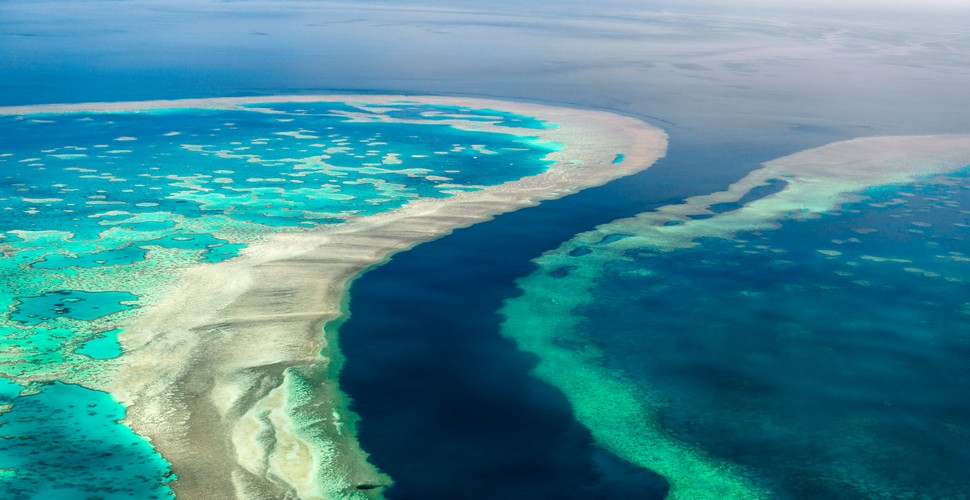
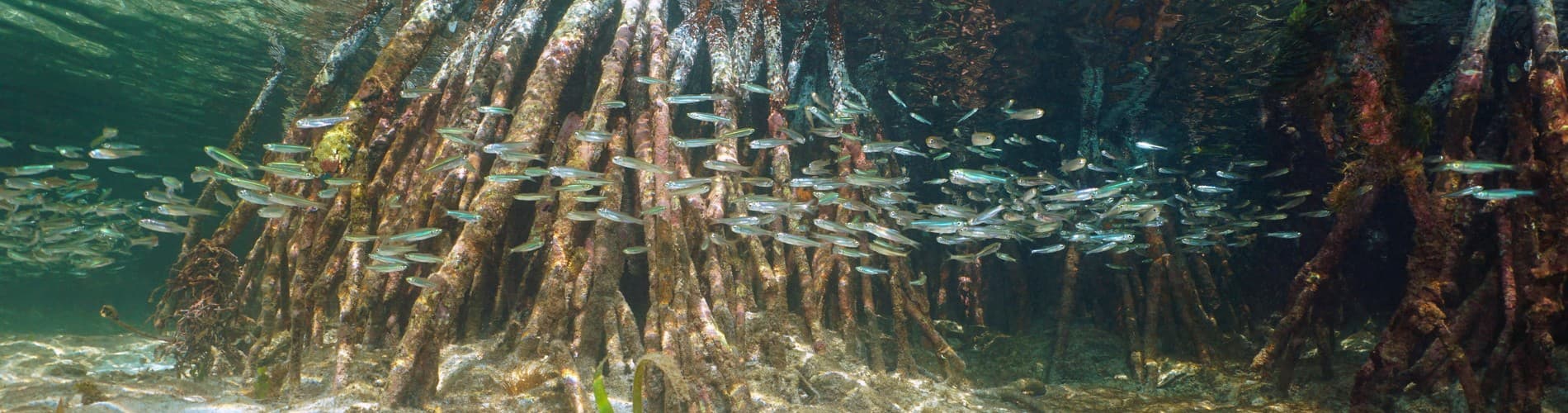
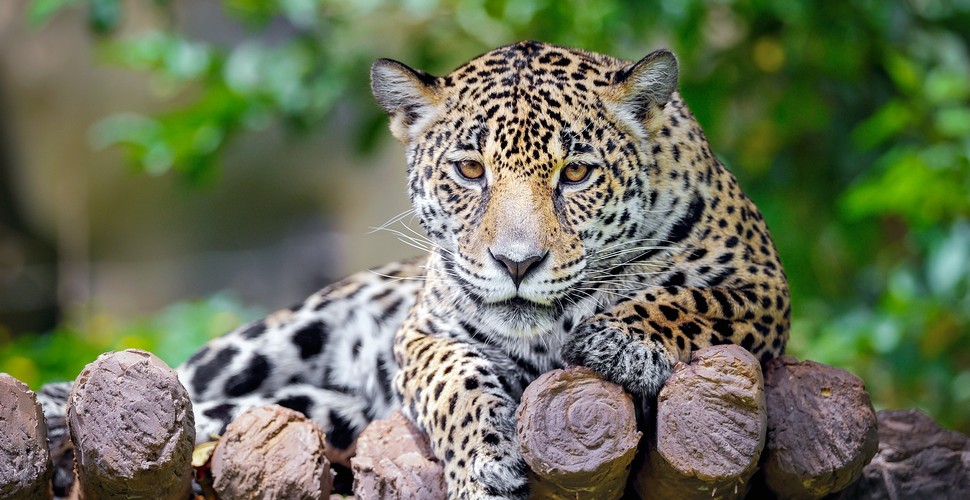
Belize boasts an incredibly diverse ecosystem, from the famous Belize Barrier Reef, the second-largest in the world, to its old-growth rainforests and tropical jungles, a native homeland for jaguars. Since the country is relatively small, there isn’t a tremendous variance in the monthly climate for each region. The hottest average temperatures are found inland, where the land’s atmosphere isn’t cooled by the breeze rolling off the Caribbean Sea.
The average annual maximum temperature in the Cayo District is 88 F /31 °C, and the lowest is 69 F /21 °C). As for the coastal area, the average annual high is slightly lower at 86 F /30 ° C, with a low of 73 F (23 °C. These changes in latitude don’t necessarily signify changes in attitude, however, as the warmth of the nation’s climate and the kindness of its people ensure travelers will have a warm welcome wherever and whenever they visit!