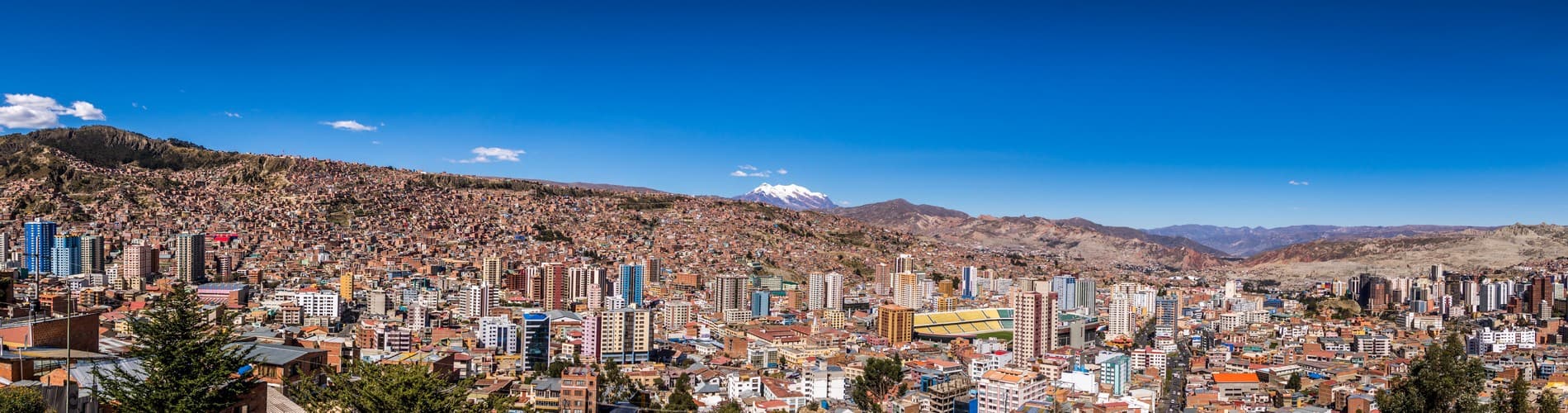
Discover the unique charm of La Paz, where friendly zebras have taken to the streets to restore order and safety. This innovative social initiative not only helps manage the city's chaotic traffic but also provides life-changing opportunities for disadvantaged youth.
Learn how these iconic costumed figures have become a beloved part of Bolivian culture, promoting road safety, education, and community values in one of the world's highest-altitude cities.
The origin of the zebra initiative
These zebras are part of an initiative for public road safety after a government employee was inspired by a Colombian campaign where mime artists shamed bad drivers in the city of Bogota, Colombia. The idea was adapted to have young people dressed up as zebras helping pedestrians in La Paz to teach road safety to motorists and pedestrians alike. The animal was chosen because of the zebra crossings throughout the city of La Paz. In the beginning, two people would squeeze into one four-legged costume, although the concept eventually evolved into single person suit as the original design was rather uncomfortable and not too practical, adding to the dangers of the La Paz streets.

Social impact and road safety
The purpose of the initiative is to improve road safety, mainly for pedestrians and provide meaningful employment and opportunity to the city’s disadvantaged youth. Anyone who has visited La Paz already, can testify for the need for better road safety. An influx of new inhabitants of La Paz from the countryside in recent years has created a population boom, meaning that there are a large number of vehicles compete for the limited space, and road safety is somewhat disregarded. Rather than relying solely on the use of traffic police, who have a bad reputation among locals for their tendency to focus on bribes, the city of La Paz decided to commission these furry, fun-loving zebras to promote public support.

Empowering disadvantaged youth
The zebra initiative also provides an invaluable way to enter the local workforce for disadvantaged youths. Many young people from poor backgrounds in La Paz fall into the familiar traps of drug abuse, alcoholism, delinquency and subsequent homelessness. The provision of a modest monthly wage and some useful on the job training has proven invaluable to help these youths get back on track. Almost entirely aged between 15 and 25, the zebras earn below Bolivia’s low minimum wage for a 25 hour work week, but extra training in subjects like computer literacy and nutrition has shown to be useful in increasing their self-esteem and give extra guidance for these young people.

Expansion and community education
The programme has been popular since its launch, expanding into three Bolivian cities and employing over 400 zebras. The zebras have moved into other areas too, educating school children and adults on important issues such as recycling, water conservation and even bullying. Now as far-removed as a zebra can be from its natural habitat, these animals are an everyday part of the city of La Paz and have become part of the furniture for locals and visitors to this high-altitude city.