
Discover the fascinating world of capoeira, a unique Brazilian art form that masterfully blends dance, acrobatics, and martial arts. Born from the resilience of enslaved Africans in Brazil, this captivating practice evolved from a hidden method of self-defense into a celebrated cultural symbol that continues to inspire people worldwide.
Explore the rich history, rhythmic music, and the profound legacy of Mestre Bimba, who helped transform capoeira into the respected discipline it is today. Whether you are planning a trip to Brazil or simply curious about its vibrant traditions, understanding capoeira offers an authentic connection to the heart and soul of Brazilian culture.
Capoeira: A Blend of Martial Arts and Dance
Like many customs and traditions in Brazil, especially in northern Brazil, capoeira has deep rooted African influences due to the slave trade. Africans forced into slavery and brought to Brazil to work on sugar and coffee plantations were restricted in their ability to express their own traditions and customs and they were prohibited to perform any style of sparring or martial arts.
Capoeira Origins
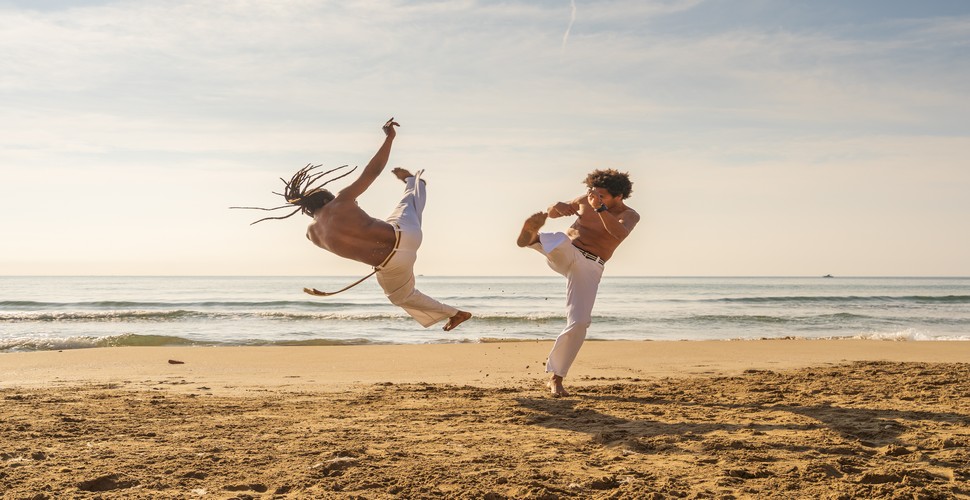
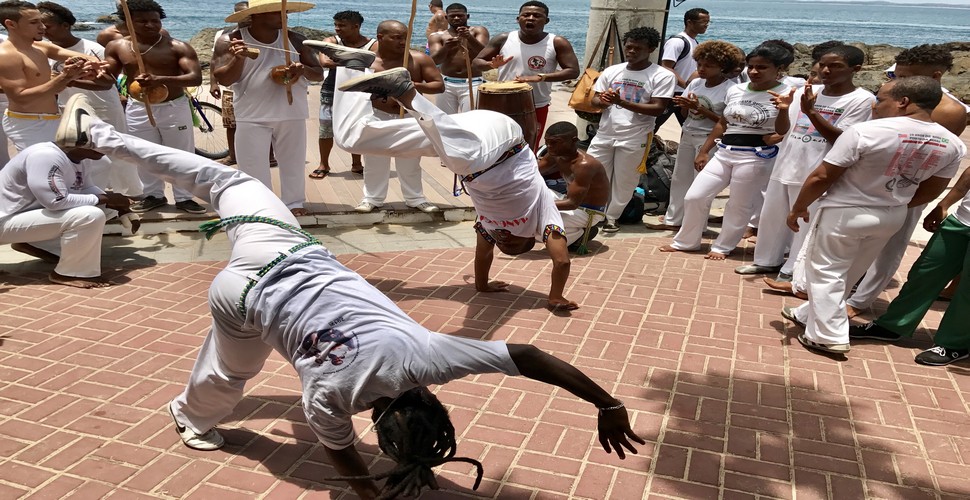
The intermingling of African tribes on the plantations and in escaped slave colonies lead to new traditions being formed and the rise of a different, Afro-Brazilian identity. Capoeira was born out of African and Brazilian cultures coming together, as well as from the need to create a form of self-defence without the actual appearance of fighting. The dancing and fluidity of movement in capoeira was designed to hide the combative movements of a martial art. Instead of a sparring fight, capoeira looks like acrobatic dancing, but hidden in the dance are a variety of martial arts moves, including punches and slaps, body throws and feints, kicks and headbutts. These martial art movements were disguised by the dance so that slaves wouldn’t be discovered or punished for training the martial art.
Practicalities and Music
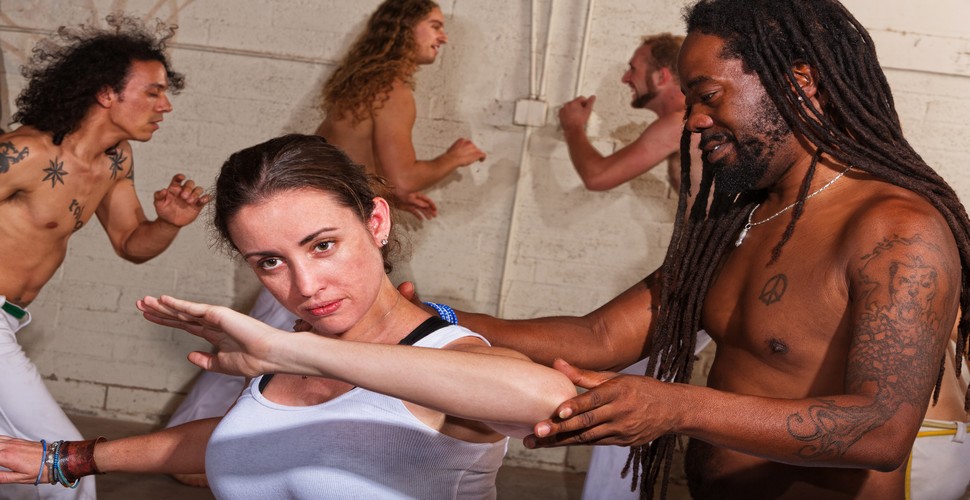
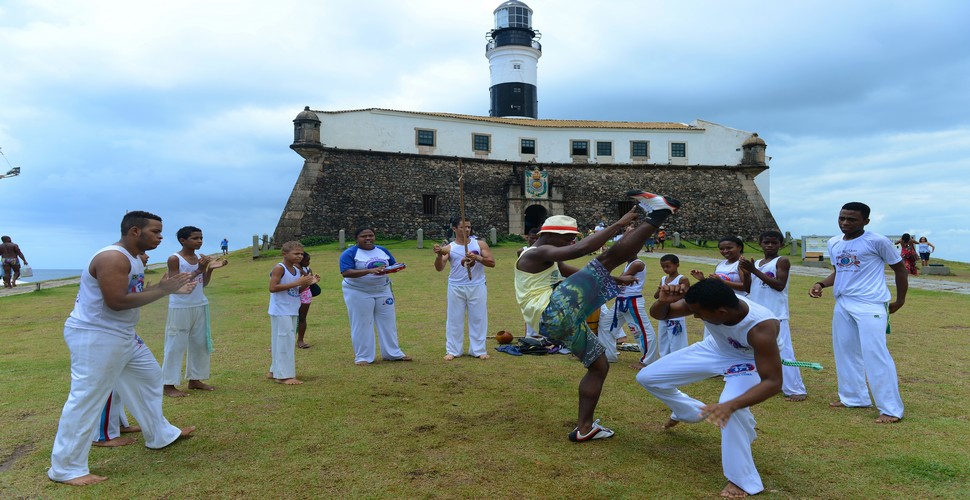
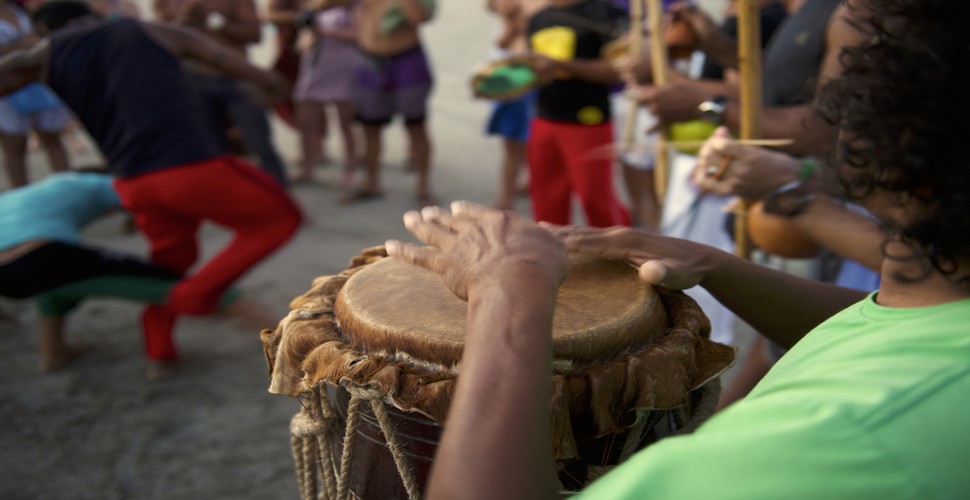
Capoeira is practiced in the formation of a circle called the roda, within which two or more capoeiristas practice the martial art. There are also specific musical instruments and music that accompany capoeira including the berimbau, the pandeiro and the atabaque. The berimbau is an instrument with a single string and has its origins from Africa. This instrument dictates the speed of the capoeira within the circle. The pandeiro is a tambourine instrument that accompanies the main beat of the capoeira music that comes from the atabaque, or the drum. These simple hand-made, beautiful instruments, combined with the voices of the members of the roda, create a unique sound reminiscent of the African roots of capoeira.
Recent History
Africans who were captured and taken to Brazil as slaves, frequently tried to rebel against their captivity and capoeira was one of their most important developments. It began as a means of self defence, allowing slaves to practice fighting without looking like it. During the 1800s the abolitionist movement and the popularity of capoeira grew among blacks, and finally in 1888 the Lei Áurea was signed, ending slavery in Brazil. Though this was a pivotal moment for slaves, the blacks as well as indigenous people of Brazil were still often discriminated against and they turned to capoeira for self-defence. This was a difficult time in the country and people who practiced capoeira were often hired to take out the members of rival political parties, creating a perpetual cycle of violence that led capoeira to be banned.
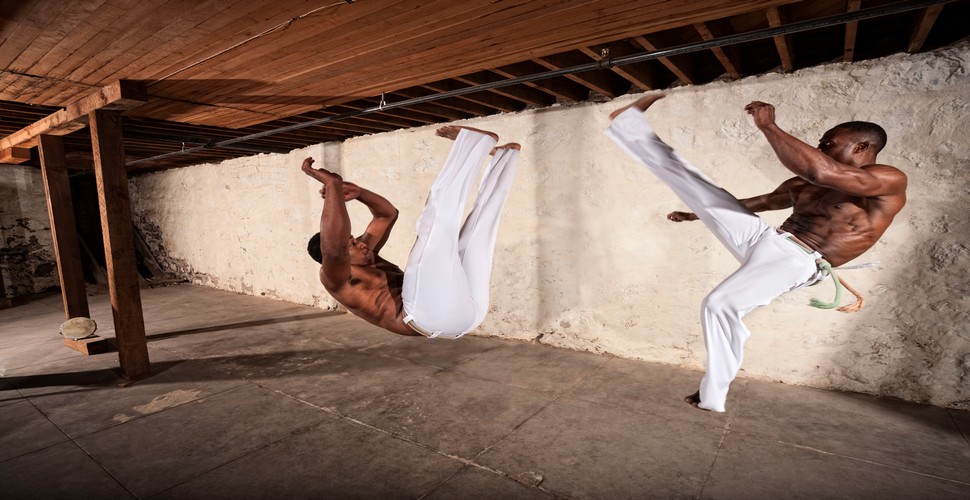
Capoeira remained taboo until 1932, when Manuel dos Reis Machado, better known as Mestre Bimba, persuaded the Brazilian authorities to allow him to open a capoeira school. Mestre Bimba was a pivotal figure in the resurgence of capoeira as a martial art form and not a means of criminal activity. He was also responsible for developing a new, more objective style of training.
Capoeira Today
Today capoeira is practiced around the world, and it is known for creating increased body awareness as well as mental agility. Capoeiristas benefit from faster reflexes as they learn how to create graceful, impactful movements through this martial art. They maintain healthy fitness habits, and it is an activity that can be – and is – practiced by people of all ages and gender. Definitely consider trying a capoeira class on your trip to Brazil. It will be a unique and authentic way to connect to Brazil´s history and culture.