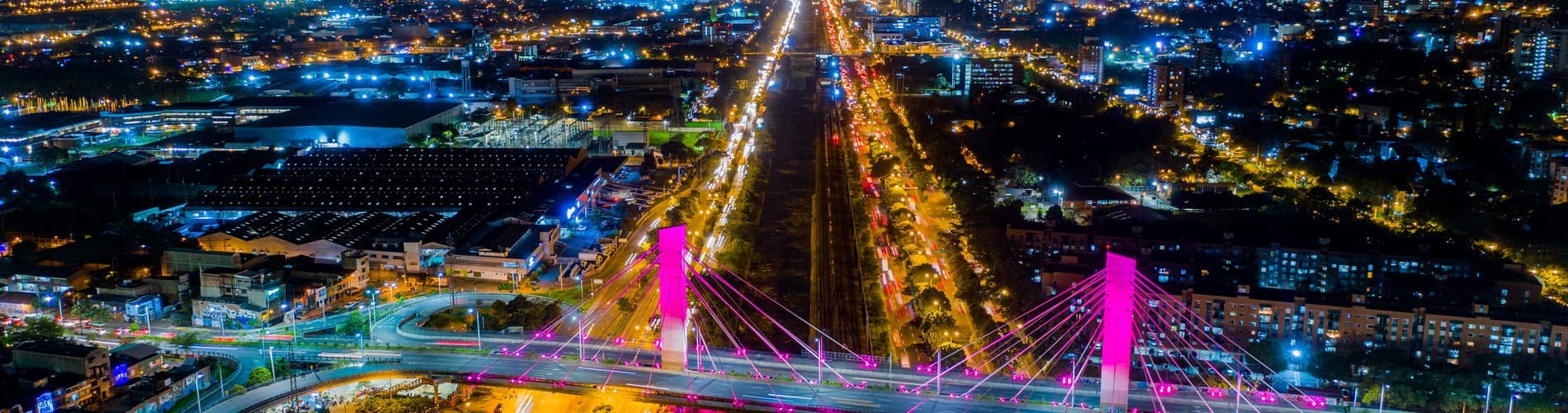
Discover the vibrant charm of Medellín, Colombia's "City of Eternal Spring." Nestled in the Aburrá Valley, this modern metropolis offers a perfect blend of rich history, innovative urban transport, and a welcoming temperate climate that makes it a must-visit destination in the Andes.
From the iconic flower festivals and world-class art at Plaza Botero to the efficient metro system connecting the city's diverse neighborhoods, Medellín invites travelers to experience authentic Colombian culture. Whether you are exploring colonial architecture or enjoying the city's bustling nightlife, this guide provides everything you need for an unforgettable trip.
Medellín at night
How to Get There
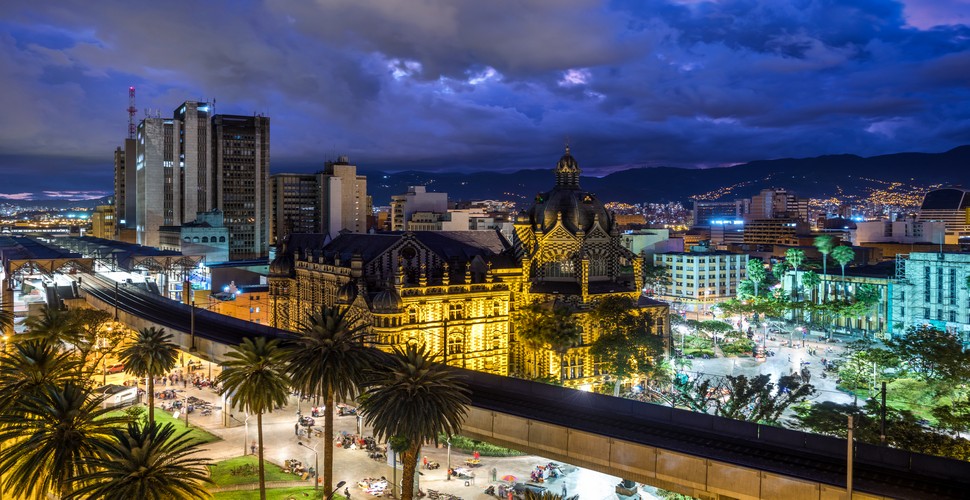
A number of international airlines fly into Medellín using the international airport of José María Córdoba, found in the southeast of the city. National flights use the older Olaya Herrera airport. Affordable flights can be found with LATAM Airlines, Copa Airlines, and JetBlue, as well as budget carriers like Spirit. On arrival, you can take a shuttle from the airport straight to the downtown area, which saves the hassle of finding a taxi.
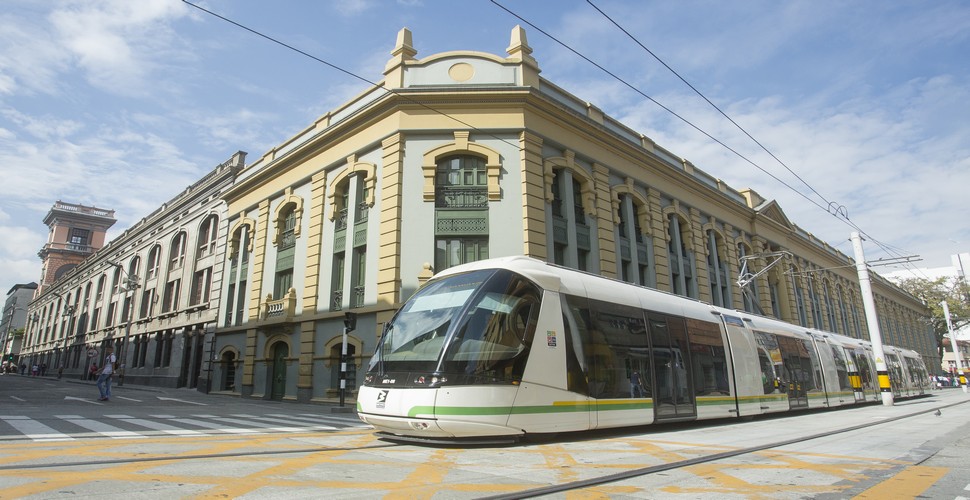
If you're already in the country, there are excellent bus services available between most major Colombian cities, from the Terminal del Norte or the Terminal del Sur. If you are looking to travel further afield and get out of the city, there are reasonably priced car hire companies. Medellín is the first Colombian city to have a metro system, which makes getting around the city very convenient and easy. Experience Colombian city culture to the full on the metro!
When to Go
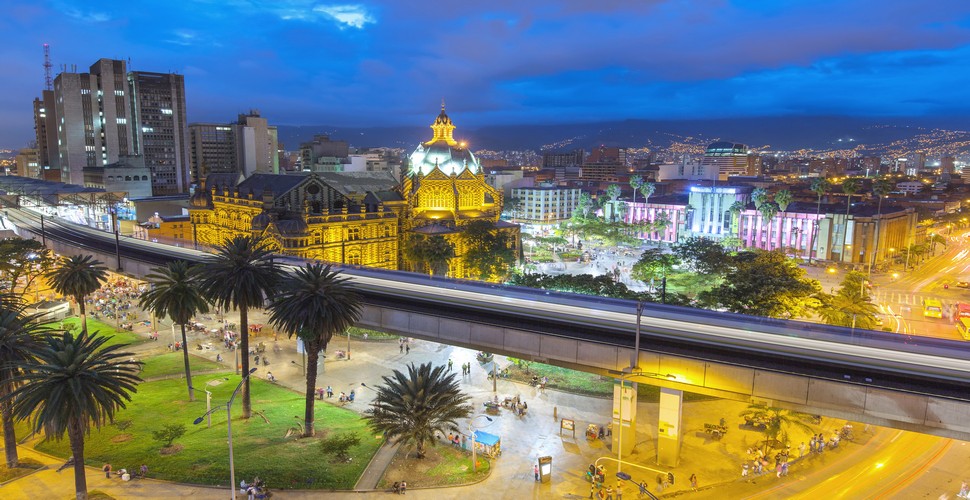
The equator runs through the centre of the country, so Colombia has a wonderful, warm, temperate climate all-year-round. Temperatures do however vary depending on the altitude. Cities found at sea level are blessed with a pleasant 28°C on average, whereas cities found at higher elevations and near the Andes, such as Medellín, generally have comfortable 21 °C. Although there are no defined seasons being on the equator, April and May are generally a bit damp and September to November, are the wettest months of the year. Early August is an ideal month to visit Medellín when the flower festival is in full bloom.
Things to Do and See
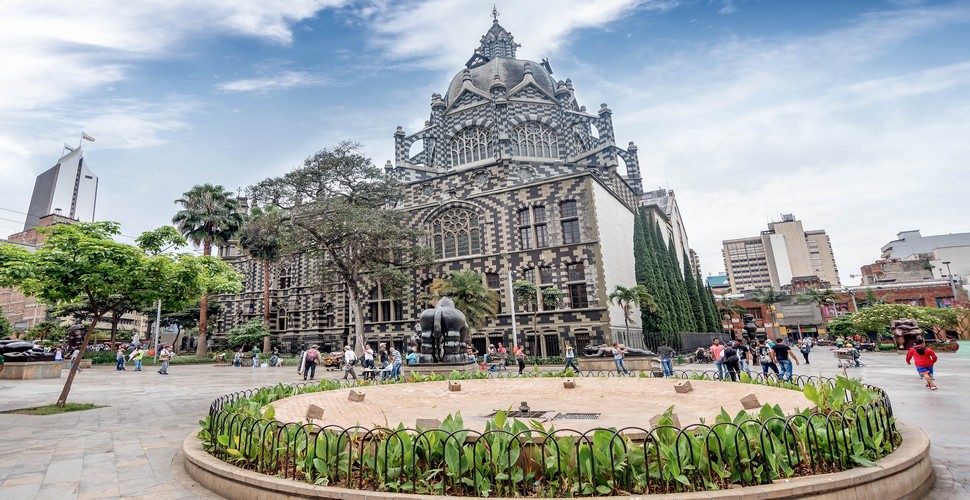
Medellín may be smaller than the capital of Bogotá, but they are on a par when it comes to cultural sights and museums to enjoy on your visit. The Medellín Metro system has three cable car lines across the valley. Take one to the top for impressive views over the city and the surrounding mountains. The Basilica de la Candelaria is one of the few colonial buildings in the city and is definitely worth a visit.
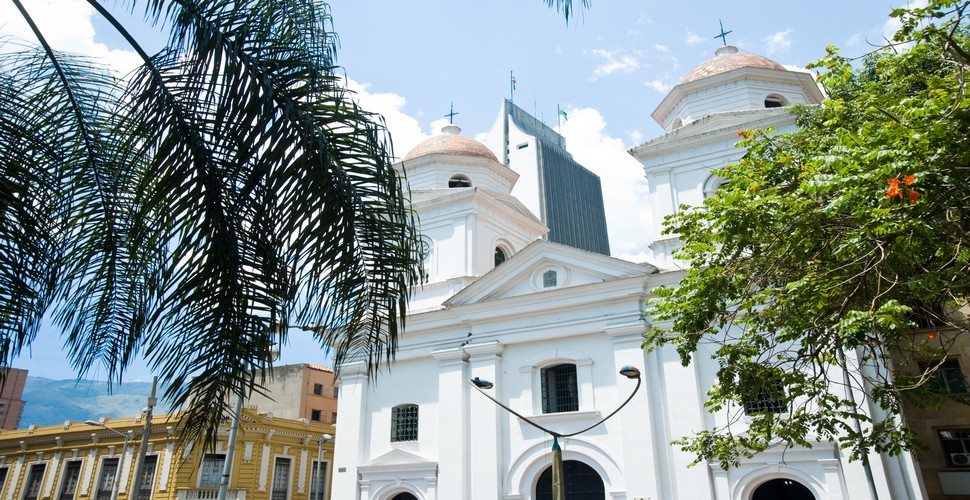
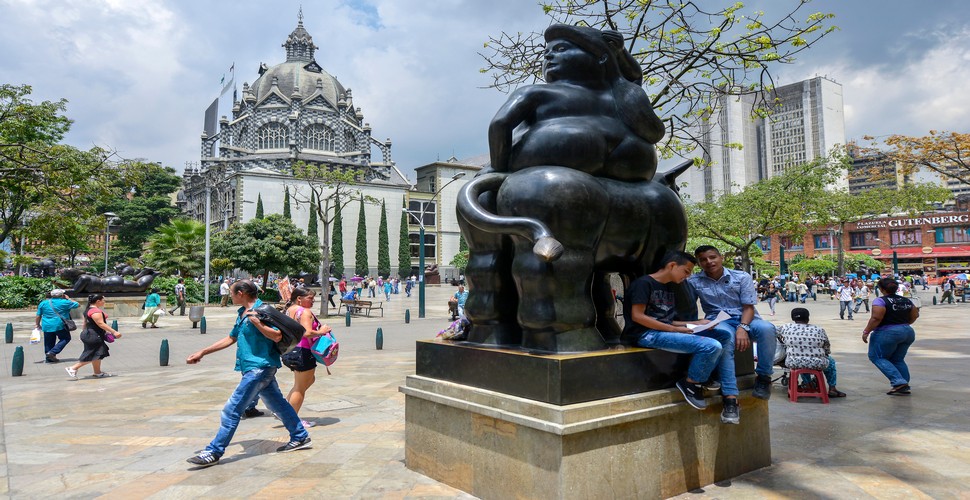
The Basilica Metropolitana, in the Parque de Bolivar, was completed early in the 20th century and is thought to be the largest brick church in all of South America. Pueblito Paisa is a replica of a typical Antioquiana village, complete with handicraft shops. Plaza Botero displays many works of art by Fernando Botero, the famous Medellín sculptor who specializes in oversized human figures. There are more works on display at the Museo de Antioquia. The JoaquÍn Antonio Uribe botanical gardens host an annual orchid exposition, bringing bloom to the city.
Holidays and Events
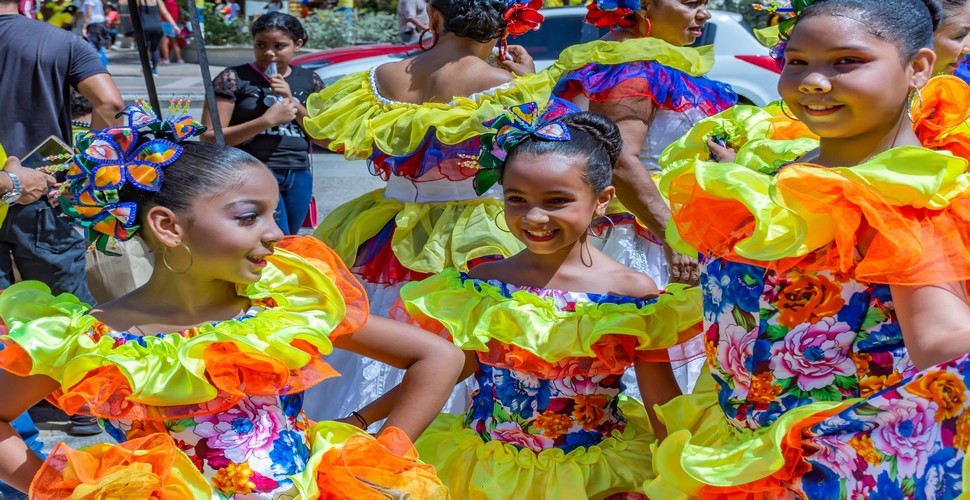
Colombia has the most festive holidays in any South American country and that’s saying something! Medellín celebrates a number of regional festivities such as the Fería de Las Flores, the cherry on the cake. The festival begins with horse parade through the city that lasts the entire day. Music, traditional dances, and a variety of cultural events celebrate the traditional customs, but the highlight is the “Desfile de Silleteros”, where local countryfolk come down from the mountains with their baskets, filled with beautiful wildflowers. In July, the annual poetry festival takes place, bringing a plethora of poets, artists, writers, and musicians from all over the country.
Travel Tips
Before you arrive in Medellín, here are some things that you may want to plan ahead for, including:
A tourist visa is not required to visit Colombia unless you plan on staying longer than 90 days.
The water in Medellín is actually safe to drink, although most hotels will provide bottled water just in case. If you're travelling to rural areas outside of the city, it's a good idea to stick to bottled water, as you never know where the water supplies are sourced from.
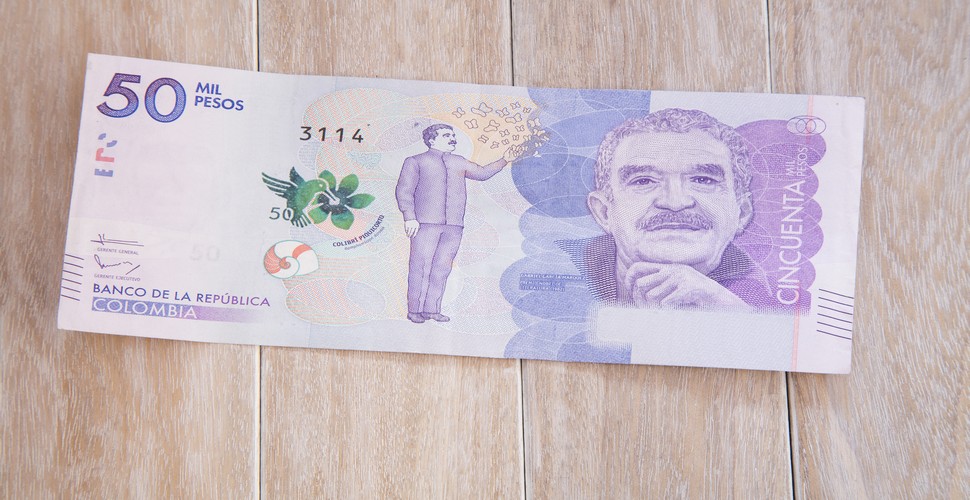
The Colombian peso is the only currency accepted at small, local shops, and there are many ATMs around the city for getting more cash out. Most hotels and upscale restaurants accept credit cards. The local attire is somewhat big-city formal. Men should wear long pants, and women should pack nice sundresses to keep cool as opposed to shorts and miniskirts.
Medellin is a fascinating city steeped in history, soak it up, breathe it in and enjoy its friendliness and local charms.