Almost every trip to the Galapagos begins with the same question: stay on a boat or stay in a hotel? The real trade-off is this: a cruise gives you access to remote islands that day trips cannot reach, while a land-based trip gives you flexible, hotel-based pacing and more time in island towns. Both involve boats. On both, you will see sea lions, giant tortoises, marine iguanas, and blue-footed boobies, always from the distance that park rules require.
Below, we compare the two styles on itinerary reach, wildlife, comfort, seasickness, cost, and timing, and show how a hybrid trip can work.
The Short Answer
Choose a cruise if you want to reach the remote northern and western islands, prefer meals and guides arranged for you, and are comfortable living aboard a small vessel.
Choose a land-based trip if you want to stay in town, manage your own timing and spending, or sleep on land every night. It also suits travelers who want to experience island communities.
Seasickness, mobility, and budget matter more than age or family type. Day boats and inter-island speedboats can be rough, and some cruise vessels are more stable and accessible than a long day-boat schedule. Decide based on your mobility, your sensitivity to motion, which islands you most want to see, and your budget. In this regard, neither option is always better than the other. Many travelers who choose one style wish they had added a few days of the other.
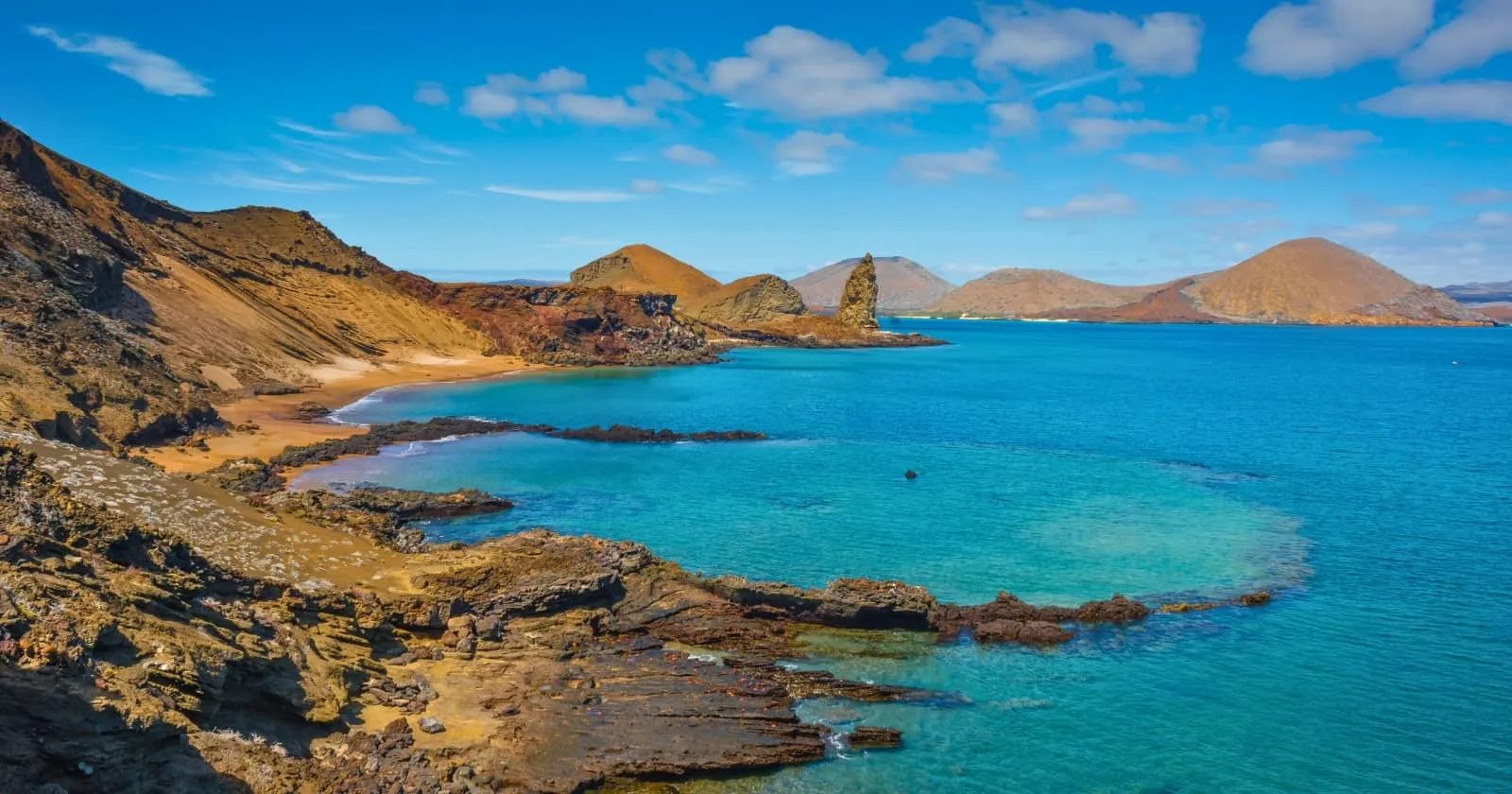
Side By Side Summary
|
Factor |
Cruise |
Land-based |
|
Remote islands |
Strongest reach, depending on the authorized route |
Limited to sites within day-trip range |
|
Pace |
Set itinerary; the vessel moves while you sleep |
Flexible; you can skip or rest |
|
Where you sleep |
Small cabin aboard |
Hotel or guesthouse |
|
Seasickness |
Overnight crossings can be rough |
Inter-island speedboats can be rough too |
|
Pricing |
One price per voyage, mostly all-in |
Built from hotels, meals, tours, and transfers |
|
Best for |
Naturalists, photographers, travelers who want simplicity |
Flexible schedules, town life, mixed-ability groups |
Not sure which fits? Compare Galápagos Cruise and Island-Based Options With Our Team (see the end of this guide).
How Each Style Works
Cruises
Cruise vessels in the Galapagos are small by design. The national park limits the size of tourist vessels, and vessels fall into different classes, from small yachts with a few cabins to larger ships carrying around 100 passengers. You sleep aboard, and the ship moves between islands, often while you sleep, so you wake up near a new landing site.
Each vessel follows an itinerary authorized by the Galapagos National Park Directorate. Routes are set by the park, not improvised by the captain, so check the exact route before you book. Itineraries are often grouped by region, such as the northern, western, central, or southern islands, and they commonly run from about 4 to 8 days. Not every vessel is authorized for every route, and not every ship offers the same level of comfort.
In practical terms, northern and western itineraries are the ones that can reach islands such as Genovesa and Fernandina, while central and southern routes focus on islands closer to the main hubs. Itineraries can change because of weather, permits, and operational conditions, so daily access to any given site is not guaranteed.
A typical day includes one or two guided landings on shore, snorkeling from the beach or a small boat (called a panga, the small inflatable boat used to move between ship and shore), and time aboard for meals and talks. Guides, landings, and snorkeling inclusions vary by vessel, route, physical difficulty, and weather, so confirm what your specific cruise includes.
Land-Based Trips
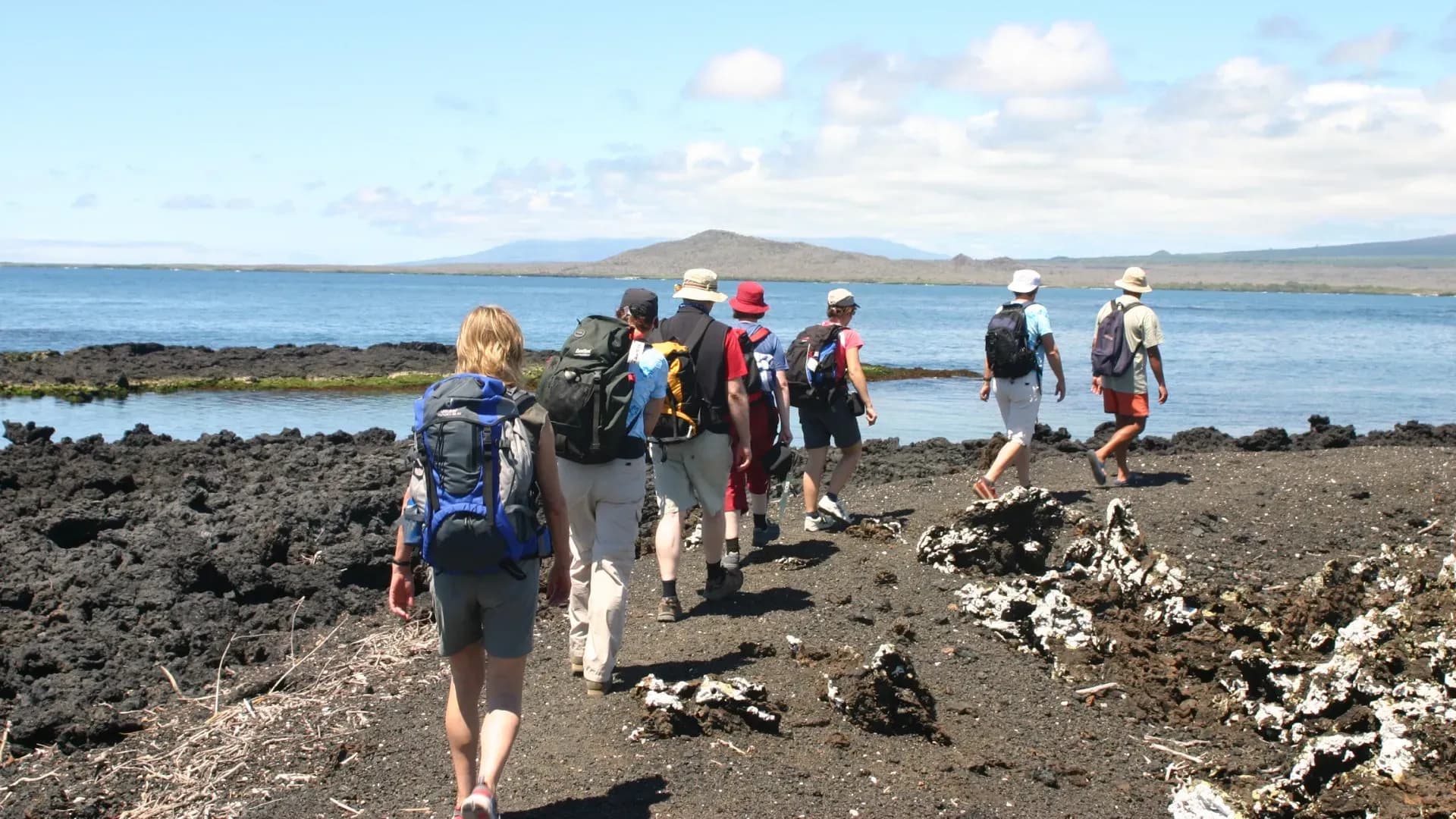
A land-based trip uses one or more inhabited islands as a home base. The main bases are Santa Cruz (Puerto Ayora), San Cristóbal (Puerto Baquerizo Moreno), and Isabela (Puerto Villamil). You sleep in a hotel or guesthouse and take day trips by boat or on land.
Many land-based itineraries are “island hopping.” You spend a few nights on one island, then move to the next by a scheduled inter-island speedboat. The crossings can be rough, so factor that in if you are prone to motion sickness. Departures run at fixed times. For some travelers, staying on a single island and taking day trips is gentler than changing hotels several times. Day tours vary by island and by season, and the park decides which sites can be visited on a day trip, so your options are narrower than a cruise’s.
What You Will See
Cruise Wildlife Access
The biggest advantage of a cruise is reach. Vessels may be authorized to visit sites that are too far for a day trip from any town. Depending on the route, that can include sites on the northern and western islands, such as Genovesa, Fernandina, and parts of Isabela. These sites are known for dense seabird colonies, flightless cormorants, and landscapes shaped by recent volcanic activity. Whether a given itinerary includes these sites depends on the vessel and its authorized route; access is possible, not guaranteed.
A cruise also makes it practical to visit several different islands in a short time, with a guide on each landing. Sailing overnight saves daylight hours for wildlife, so you can spend more of each day at the sites.
Wildlife depends on route and season, and no operator can guarantee a particular sighting. Ask which species and landing sites your itinerary is built around, and how the operator handles route changes.
Land-Based Wildlife Access
Land-based travel is better than many people expect. Around the inhabited islands you can see giant tortoises in the highlands of Santa Cruz, marine iguanas and sea lions in town, and Galapagos penguins and flamingos at certain sites on Isabela. Snorkeling spots such as Kicker Rock off San Cristóbal are reached on day tours.
You can also see parts of island life that a cruise barely touches: fish markets, local restaurants, farms in the highlands, and the research and conservation work in town. For people who care about the human side of the islands, that matters.
What you give up is reach. Day trips cover the nearer sites, and the remote northern and western islands are mostly out of range. You also spend more time in transit between hotels, docks, and tour meeting points. If a specific remote island is your priority, a land-based trip is unlikely to deliver it.
Whichever style you choose, park rules require you to keep a respectful distance from wildlife. Do not expect close encounters; the rules exist so the animals set the terms.
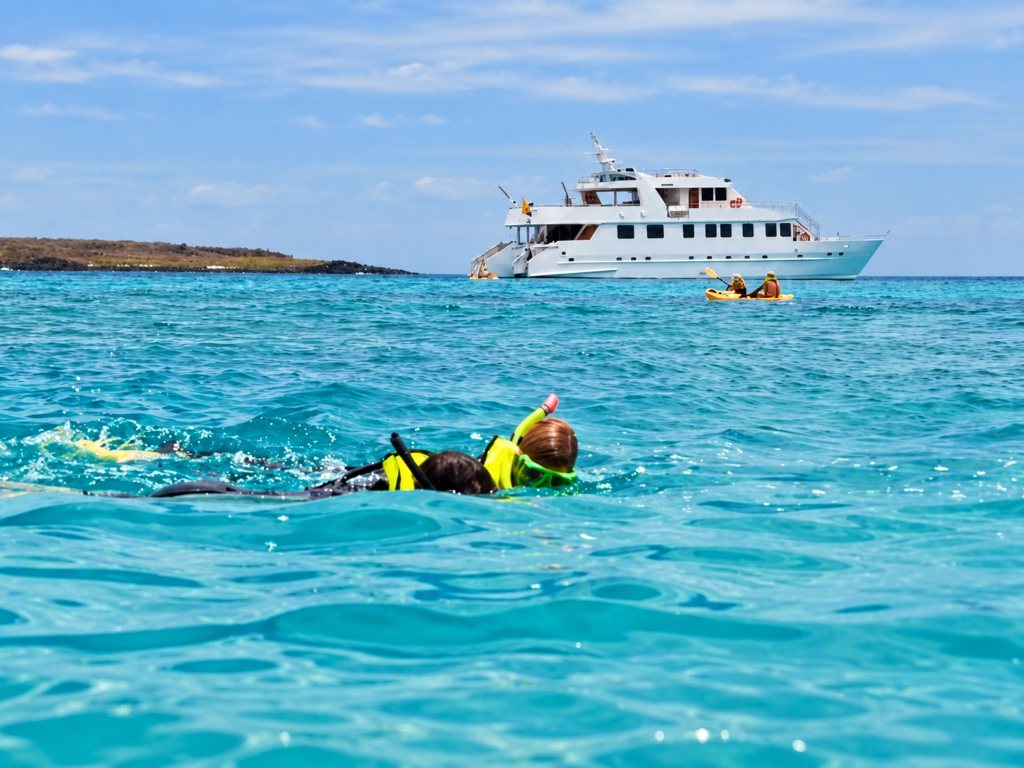
Comfort, Pace & Seasickness
Comfort depends on the specific vessel or hotel more than on the style. When comparing, look at cabin or room size, stabilization, air-conditioning, panga transfers, medical capability, food and guide service.
Cruises
Life aboard is comfortable but compact. Cabins are small, and the ship’s size and class set the level of comfort, from simple “tourist class” vessels to luxury yachts. Meals, guides, and most equipment are usually included, which takes much of the planning off your plate.
Seas can be rough, especially during longer overnight crossings. If you are prone to motion sickness, ask the operator about the vessel’s size and stabilization, the length of the overnight crossings, and what you can do before and during the trip. Speak with a clinician about options before you travel.
Accessibility is a real constraint. Many landings are “wet landings,” where you step into shallow water, or “dry landings” onto rocks or steps from a panga. Boarding and disembarking involve small boats and uneven surfaces. If anyone in your group has mobility limits, ask each operator specifically what is required.
Land-Based
A hotel bed, a private bathroom, and the option to skip an activity without affecting the group are the main comforts here. You set your own pace, and you can rest on a day when the heat or the walking is too much. That flexibility is useful for many travelers, including families and anyone who wants downtime.
Land-based trips have their own physical demands. Hikes, beach walks, and boat transfers all involve uneven ground and strong sun. An accessible hotel does not make every shore landing or boat boarding accessible. The inter-island boat transfers are the roughest part for many travelers, so they are worth planning around.
Cost
Cruises are usually priced per person for the full voyage, with accommodation, meals, guides, and often snorkeling gear included. Land-based trips are priced more like a regular vacation: you pay for hotels, meals, day tours, and transfers separately or in a package.
One 2026 cost guide estimates roughly $200 to $450 per day for land-based travel, and $3,000 to $7,500 or more for a 5 to 7 night cruise. Treat those figures as a rough range, not a quote. Actual prices depend on the vessel class, the season, the group size, and the operator.
|
Factor |
Cruise |
Land-based |
|
Pricing |
Usually one all-in price per voyage |
Built from hotels, meals, tours, and transfers |
|
Typically included |
Cabin, meals, guide, most gear |
Varies by package; day tours often priced separately |
|
Common extras |
Tips, drinks, some excursions |
Meals, tours, inter-island boat fares |
|
Cost control |
Less; the itinerary is fixed |
More; you choose hotels and tours |
|
Best for |
Travelers who want a single, simple price |
Travelers who want to adjust spending day by day |
Land-based travel can cost less overall because you can choose mid-range or budget lodging and decide which tours to take. It can also cost as much as a cruise if you book many day tours or high-end hotels, so total your plan before assuming it is cheaper.
Whichever style you choose, ask exactly what is included and what is not, including tips, drinks, gear rental, and port or landing fees.
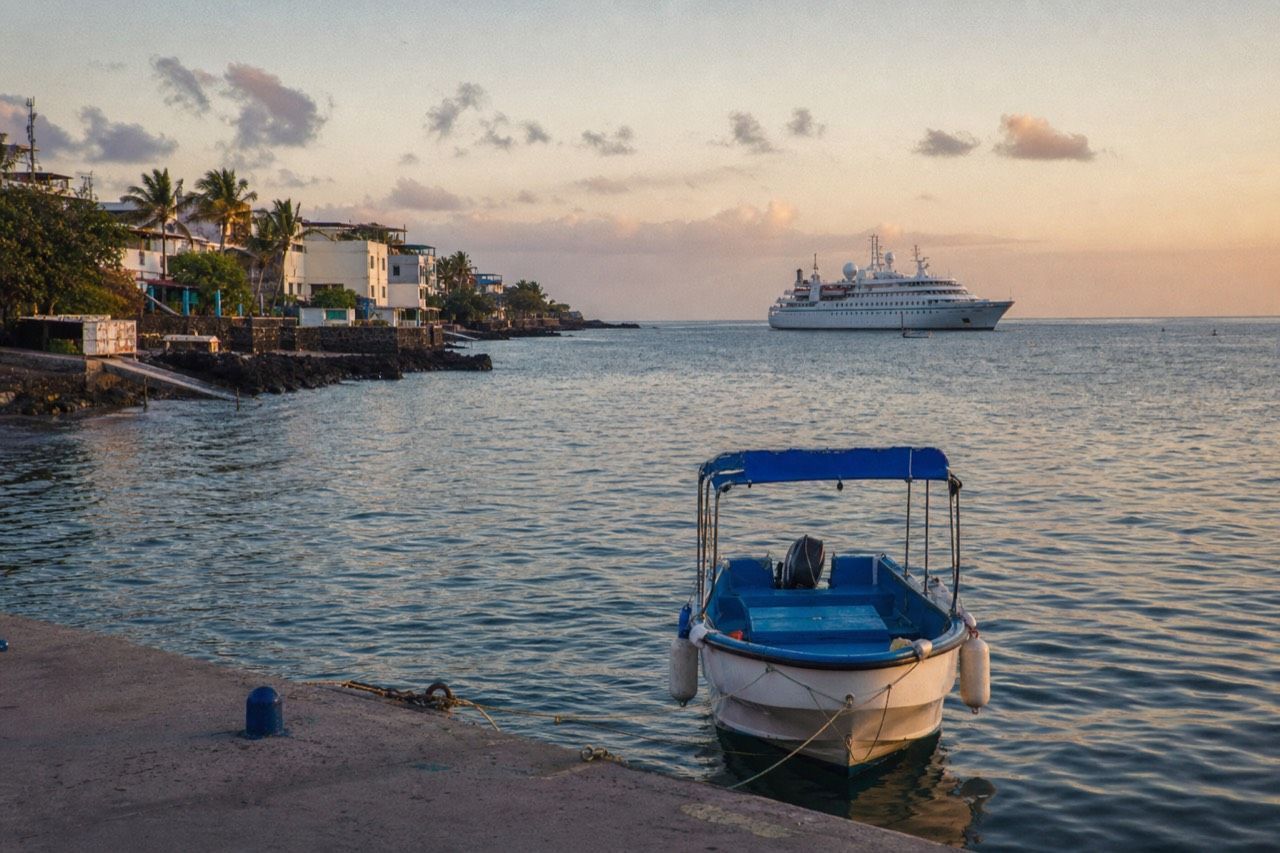
When to Go
The Galapagos has two broad seasons, and the right one depends on what you want to do. Conditions vary by year and location, so treat the descriptions below as general patterns.
Warm season (roughly December to May). Air and sea temperatures are warmer, and brief showers are more common. Many travelers find snorkeling conditions pleasant, and the islands are greener.
Cool, dry season (roughly June to November). Skies are often overcast in the highlands, seas can be rougher, and the water is cooler, so bring a wetsuit or rent one. Some sites show strong wildlife activity in these months, supported by cooler, nutrient-rich water.
Breeding and nesting seasons differ by species. For example, waved albatrosses on Española are generally present for part of the year, so check the timing if a specific species matters to you. Demand is highest in the main holiday periods and in mid-year, so book early for those dates. Cruise space in particular is limited, and the best vessels fill many months ahead.
Seasonal patterns shift from year to year, so confirm current conditions with your operator.
Who Each Style Suits
Use these as decision criteria rather than assumptions about age or family type. Within each style, specific vessels, hotels, and operators vary a lot.
|
Traveler |
Cruise |
Land-based |
|
Wildlife and photography enthusiasts who want remote islands (naturalists, photographers) |
Strong fit, depending on the route |
Limited reach |
|
Honeymooners |
Strong fit on smaller, higher-end vessels with private cabins; ask about private-guide options |
Strong fit for privacy and relaxed pacing |
|
Multigenerational families |
Check age rules, cabin layout, and landing demands |
Often more flexible, though boat transfers remain |
|
Comfort-focused travelers, 50+ |
Ask about stabilization, cabin size, landings, and onboard medical capability |
Often easier to pace; still check walking and boat demands |
|
Travelers prone to seasickness |
Ask carefully about vessel size and overnight crossings |
Fewer overnight crossings, but inter-island boats can be rough |
|
Travelers who want local culture and town life |
Limited time ashore |
Strong fit |
|
Budget-conscious travelers |
Less flexible |
More flexible |
|
Travelers who dislike planning |
Strong fit |
Needs more arranging |
The Hybrid Option
You do not have to choose only one. Many travelers combine a few nights on land with a shorter cruise. A common pattern is to spend two to three nights on Santa Cruz or San Cristóbal for tortoises, town life, and easy day trips, then board a 4 or 5 night cruise for the remote sites.
This works well if you have 8 days or more. Embarkation and disembarkation days are tied to flight schedules and to the specific airport and port, so build in a buffer for delays and confirm exact timetables with your operator. Land days will not tell you how you handle the sea, because the cruise is normally booked in advance. If seasickness worries you, choose a shorter cruise, ask about vessel stability, and speak with a clinician beforehand.
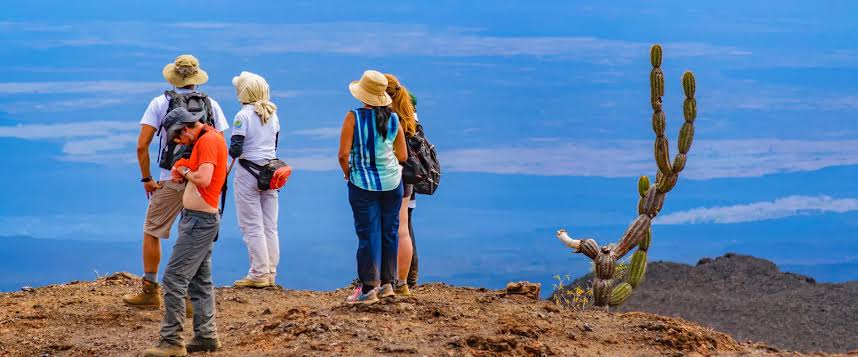
Rules and Fees That Apply to Both
Everyone who visits the islands must follow the same entry process, whether on a cruise or land-based. The figures below are the published rates at the time of writing (checked November 2026) and are not universal to every traveler; categories and exemptions apply. Official source: the Galapagos Governing Council and National Park (galapagos.gob.ec).
- Transit Control Card (TCT). Travelers need this card before flying from mainland Ecuador. The published fee is $20 per person, paid or presented at the mainland airport (Quito or Guayaquil) or arranged online, depending on the process in force when you travel. We will tell you whether your itinerary includes it.
- National Park entrance fee. The published rate for international visitors is $200 for adults (age 12 and over) and $100 for children under 12, generally paid in cash (US dollars) on arrival. Infants under 2 are commonly reported as exempt. Ecuadorian nationals, residents, and some other categories pay different amounts. The fee has changed in the past and can change again, so confirm it before you travel. We will tell you whether your itinerary includes this payment.
- Biosecurity checks. Luggage is inspected before the flight to protect the islands from invasive species. Do not bring fruit, plants, or soil.
- Additional local fees. Some islands charge their own small fees, so ask your operator whether any apply to your route.
- Park rules. Authorized guided excursions require accredited guides. Stay on approved routes and marked trails, and keep your distance from wildlife.
Rules and fees can change, so verify them with the Galapagos Governing Council or your operator close to your departure date.
Final Thoughts
If your priority is the widest range of islands and wildlife in the least time, with logistics handled for you, a cruise is usually the better fit. If your priority is comfort, flexibility, local life, or a lower-stress trip for a mixed group, land-based travel is often the better fit. If you have enough time, combining the two gives you the strengths of both.
Decision Matrix
|
Priority |
Cruise |
Land-based |
|
Reach (remote islands) |
Strong |
Limited |
|
Comfort |
Depends on vessel class |
Depends on hotel; flexible pacing |
|
Seasickness |
Overnight crossings |
Inter-island speedboats |
|
Mobility |
Wet and dry landings, panga boarding |
Hikes and boat transfers still apply |
|
Time |
Best coverage in the least time |
More transit time, more flexibility |
|
Total cost |
One all-in price, less control |
Adjustable; can match a cruise if tour-heavy |
The decision that matters most is not the label but the details: which islands the route visits, how long you will be at sea, how much walking and boat transfer is involved, and what is included in the price. Start by deciding how many days you have and what you most want to see, then compare itineraries on those points. Finally, talk with a clinician before you travel if you have concerns about motion sickness, heat, or health conditions.
Compare Galápagos Cruise and Island-Based Options With Our Team
Frequently Asked Questions
Is a Galapagos cruise worth the extra cost compared with a land-based trip?
It depends on what you want to see. A cruise is often worth it if reaching the remote islands is a priority. If you mainly want to see tortoises, sea lions, and iguanas and enjoy local life, a land-based trip can deliver that for less.
Will I get seasick on a cruise?
Some travelers do. The risk depends on the route, the season, the vessel, and the individual. Ask about overnight crossing lengths and vessel size, and speak with a clinician about prevention before you go. Land-based trips are not immune, because inter-island boat transfers can also be rough.
Can I snorkel on a land-based trip?
Yes. Several sites near the inhabited islands offer snorkeling, and day tours often include equipment. Conditions and visibility vary by site and season, so ask your operator what to expect.
How many days do I need?
Many visitors find that 4 to 5 days gives a taste, while 7 to 8 days allows a more complete experience. Cruises are often sold in set lengths, and land-based trips are easier to adjust. Remember to add time for flights to and from the mainland.
Is the Galapagos suitable for children?
It can be. Land-based trips often allow more schedule flexibility, but some cruise operators set minimum ages, so confirm the rules before booking. Plan for strong sun, uneven terrain, and boat transfers.
How far ahead should I book?
As early as you can, especially for cruises and for peak travel periods. Cruise cabins are limited, and the best vessels and departure dates fill well in advance. Land-based trips are generally more flexible, but hotels and inter-island boats also sell out in busy periods.
Can I visit the Galapagos independently?
You can arrange a land-based trip yourself, but authorized guided excursions still require accredited guides. Independent travelers must handle hotels, day tours, inter-island boats, and fees on their own. A cruise or a package handles these for you.
Plan Your Galapagos Trip with a Local Expert
VA Expeditions is a U.S.-based travel company. We design your itinerary and coordinate with local specialists in Ecuador who deliver services on the ground. For the Galapagos, that can mean comparing vessels and routes, building a land-and-cruise combination, sequencing flights and mainland nights, and adjusting the pace to your comfort. Cruise routes and departures are fixed, so we tailor within what is available rather than redesigning a route. Cruise space and flight availability are limited, so planning early improves your options for the dates you want.
Compare Galápagos Cruise and Island-Based Options With Our Team. You can also visit our Ecuador page to request a tailor-made proposal.