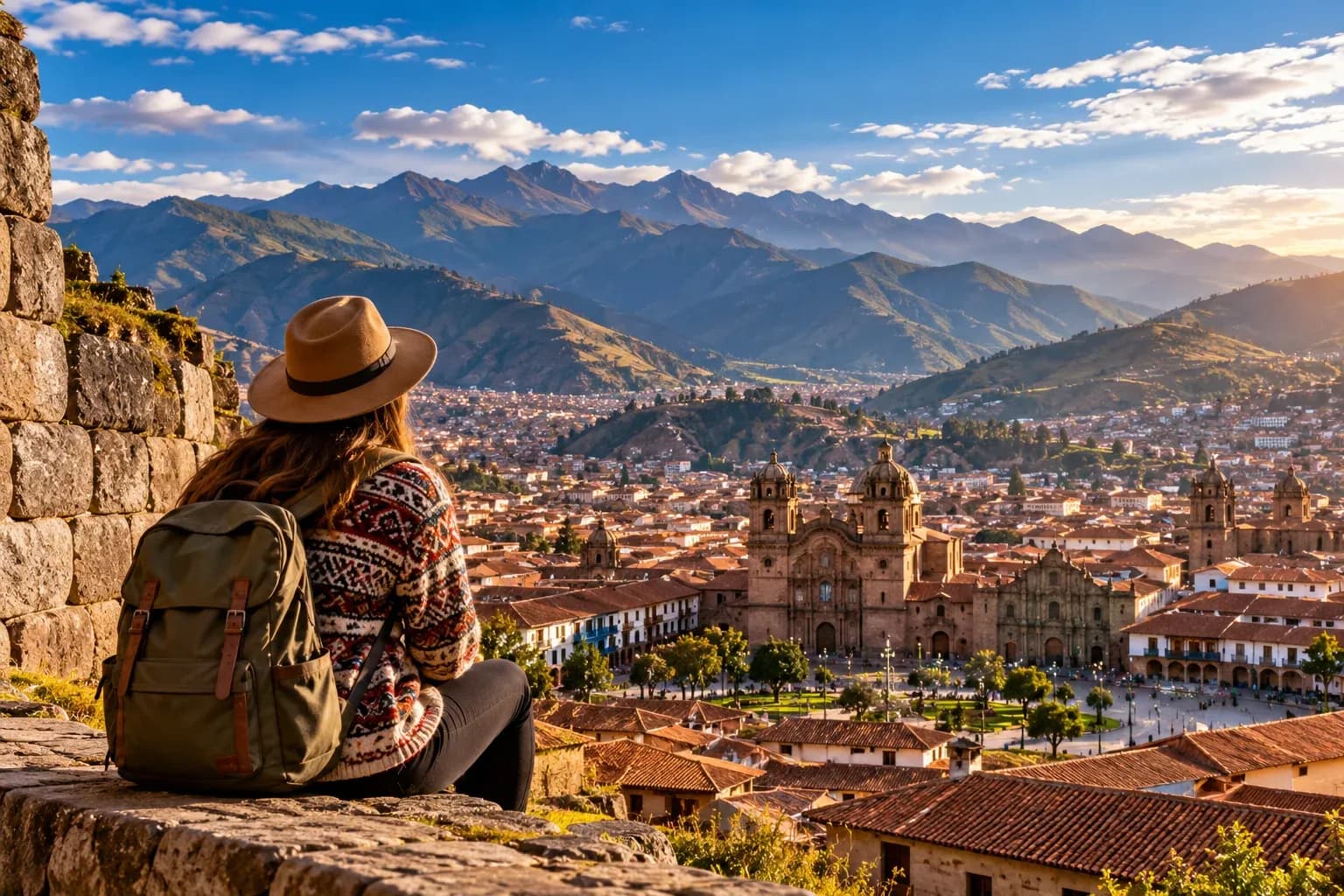
Cusco sits at roughly 3,350 to 3,400 meters (about 11,000 to 11,150 feet), an elevation higher than most places many travelers have ever slept. For most visitors, altitude is a planning consideration rather than a reason to skip the city. Individual risk varies, and it is difficult to predict based solely on age, fitness, or past travel experiences.
This guide explains how altitude affects the body, the prevalence of altitude sickness among visitors to Cusco, which symptoms require immediate action, and how strategic itinerary design can support a gradual, safer start to your trip. Please note that this is general information for planning purposes and does not replace professional medical advice tailored to your specific health history.
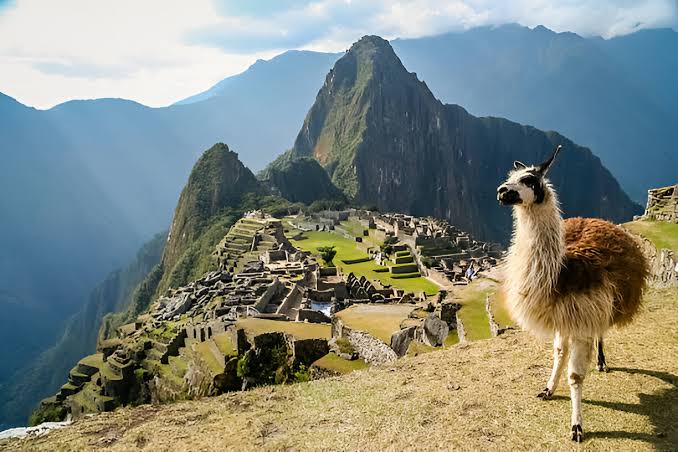
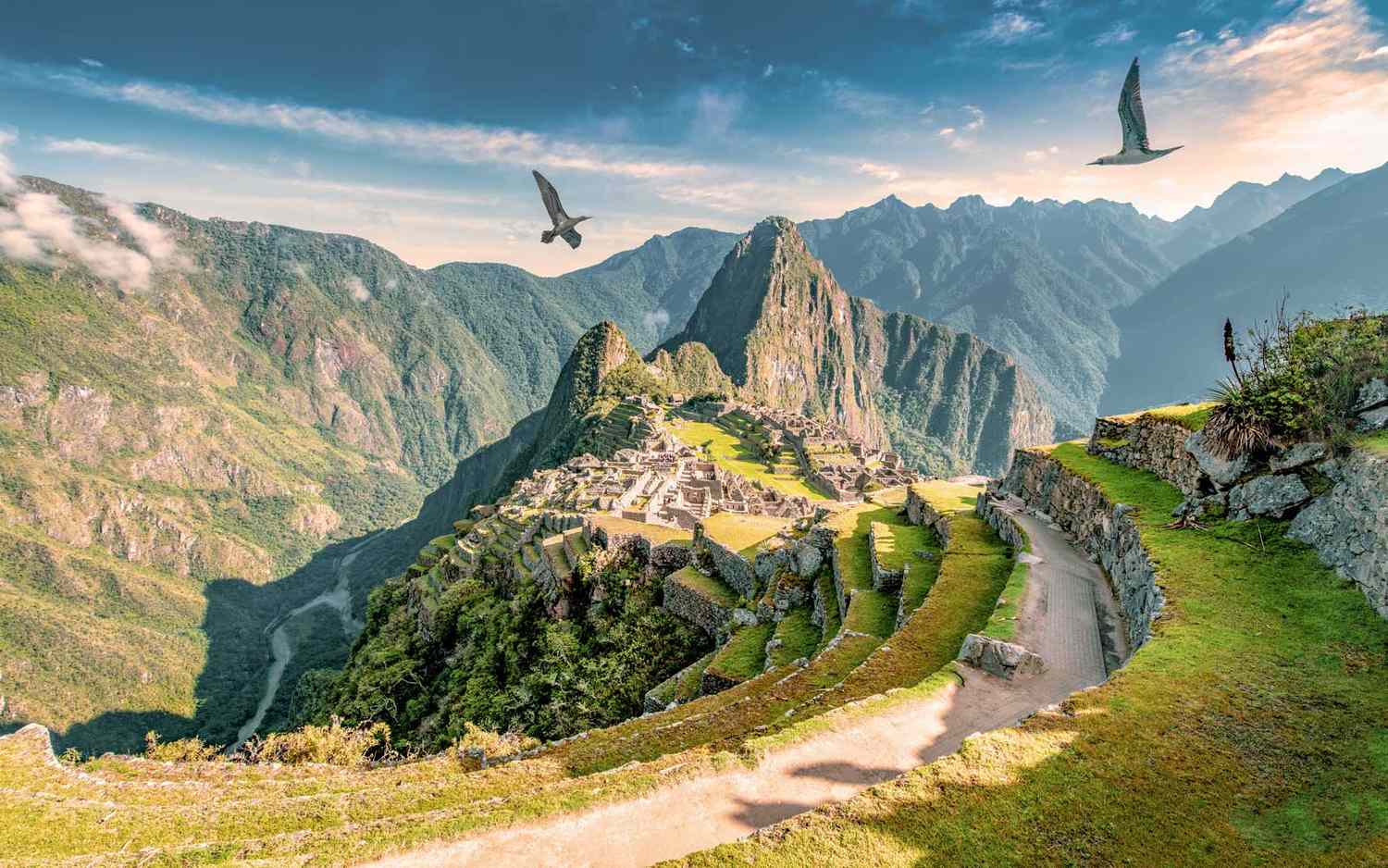
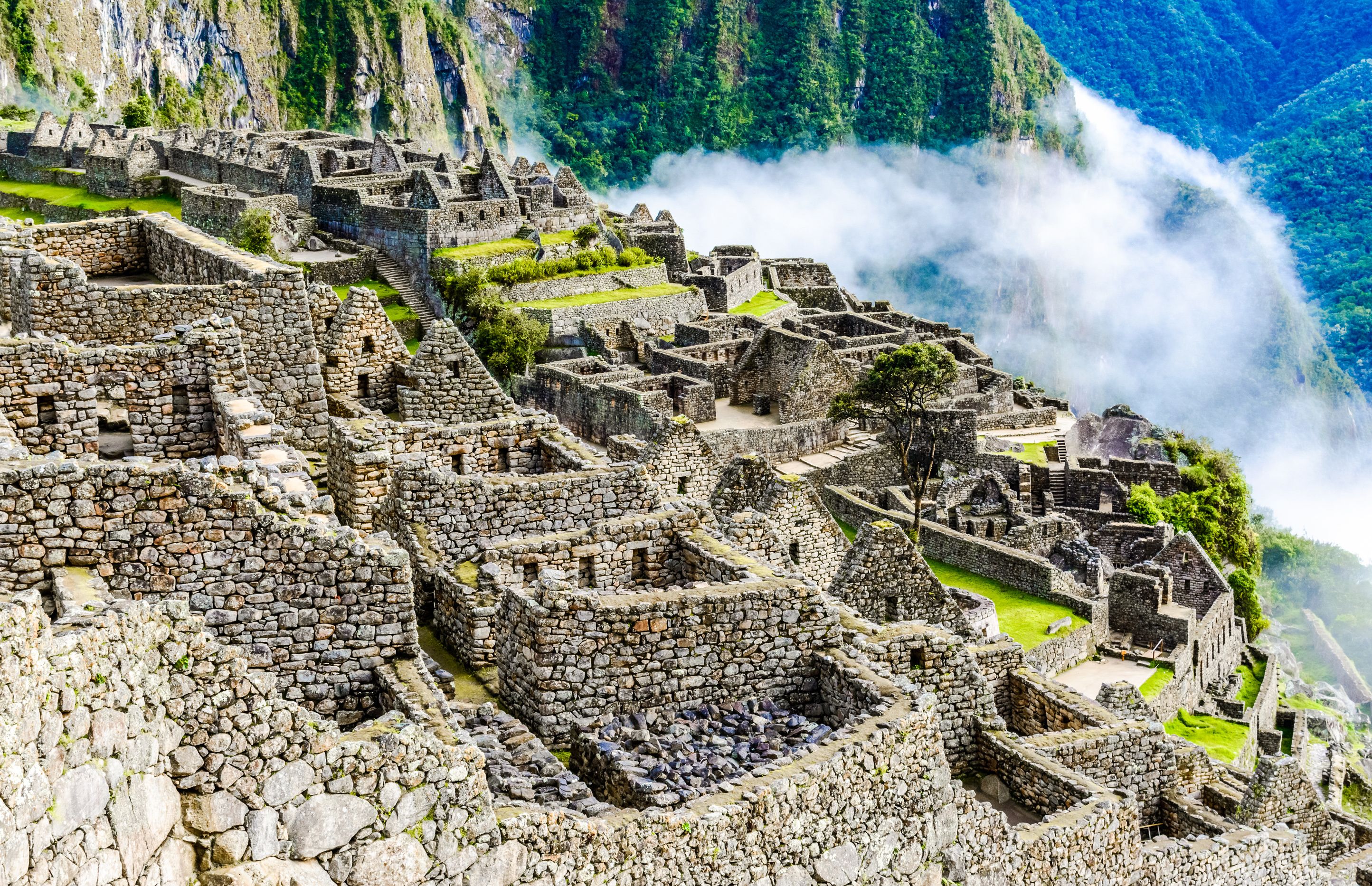
Panoramic view of the historic ruins of Machu Picchu
How High Is Cusco?
Cusco's elevation is commonly given as about 3,350 to 3,400 m (11,000 to 11,150 ft) depending on the source and the point measured.
- Lima: near sea level.
- Machu Picchu: about 2,430 m (7,972 ft), roughly 900 to 1,000 m lower than Cusco.
- Ollantaytambo (Sacred Valley): roughly 2,800 m about 600 m lower than Cusco. Elevations vary across the valley.
- La Paz, Bolivia: higher than Cusco at about 3,640 m.
The air at altitude contains about the same percentage of oxygen as at sea level. What changes is barometric pressure so each breath delivers less oxygen to the lungs. Your body adjusts by breathing faster and making other changes a process called acclimatization that takes time.
How Common Is Altitude Sickness in Cusco?
Altitude sickness or Acute Mountain Sickness (AMS) is not just about being at high altitude. A survey of 1,274 foreign travelers from Cusco in 2017 found that 37% of travelers showed symptoms of AMS during their first two days in Cusco. This study utilized the 2018 Lake Louise Score technique and the sample size consisted mostly of tourists who had a median length of stay of four days.
Among travelers showing symptoms of AMS, around 1 in 5 stated that they were affected by their travel plans. Ten percent stated that they had to stay in bed. According to the previous Cusco airport survey, based on Salazar et al. (2012), the figure was found to be higher, reaching 49%. The 2020 authors attribute the lower number to the fact that the methods of scoring have changed in 2018.
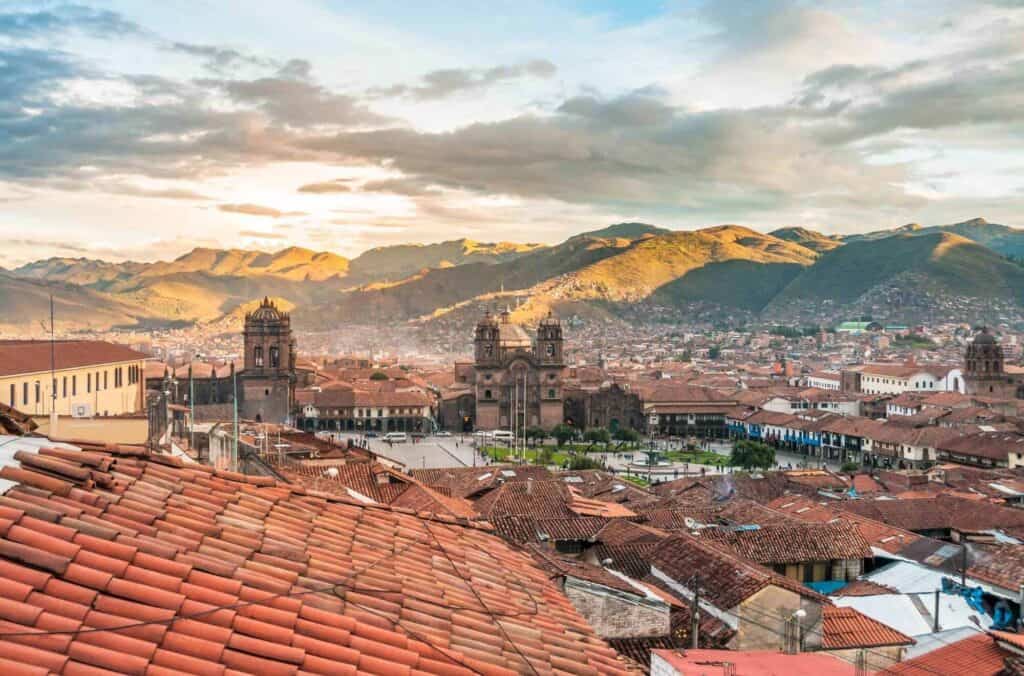
Travelers exploring the historic streets of Cusco
What Altitude Symptoms Feel Like
Normal adjustment. Many travelers notice breathlessness on stairs a faster heartbeat and lighter or interrupted sleep in their first days. These can happen during normal acclimatization and are not automatically AMS.
Acute mountain sickness (AMS). Headache is the main symptom. It is usually joined by at least one of the following:
- Loss of appetite
- Dizziness
- Fatigue
- Nausea or vomiting
Symptoms often begin 2 to 12 hours after arrival, and commonly appear during or after the first night. Mild AMS usually improves within one to three days if you do not go higher.
Severe Altitude Illness
Two rarer forms of altitude illness can be life threatening:
- High altitude cerebral edema (HACE): swelling of the brain. It is rare particularly below about 4,300 m, but serious.
- High altitude pulmonary edema (HAPE): fluid in the lungs.
Risk depends on how quickly you ascend your susceptibility and your previous response to altitude. Serious illness can occasionally occur even when a traveler has been careful so clear rules matter more than reassurance.
Rules to follow
- Do not go higher while you have symptoms of altitude illness.
- If symptoms worsen at the same altitude, descend and get medical evaluation.
- Confusion, loss of coordination, unusual drowsiness, breathlessness at rest or respiratory distress are emergencies. Get urgent medical help and descend.
Why the Arrival Matters
Many travelers reach Cusco by a short domestic flight or connection from low elevation Lima. That means going from near sea level to a sleeping altitude of about 3,350 to 3,400 m within hours leaving little time for gradual acclimatization.
Risk is shaped by your sleeping altitude, how fast you ascend, your prior response to altitude and individual susceptibility. Not everyone reacts the same way and previous experience does not guarantee the same result next time.
Supporting a Gradual Start
However, these actions will not eliminate any risk.
- Think about gradual exposure. CDC advises that sleeping at 2,450 to 2,750 meters (8,000 to 9,000 feet) for at least two nights provides some protection when traveling to higher altitudes. The Sacred Valley region has varying elevations, with Ollantaytambo being on the high end of that scale. This means that staying in the valley is an itinerary option but not a failsafe one.
- Limit strenuous activity in the first two days. CDC recommends only light activity during that time, and also to avoid drinking any alcohol.
- Drink normally. Drink whenever thirsty. Drinking excessive amounts of water will not protect you from altitude sickness, and it can even be harmful due to fluid overload.
- Talk to a doctor before your trip. Ask if it is worth getting medication like acetazolamide, based on your travel plans and medical history.
- Make your first days easy. Schedule time for rest just in case you do not feel well.
Consult your physician before embarking if you have heart and lung diseases or diabetes, as well as if you are pregnant or have a history of altitude sickness.
Coca Tea and Supplemental Oxygen
In Cusco, people have been consuming coca tea for ages. The Wilderness Medical Society states that there have not been enough studies on coca tea and its effect on altitude sickness, so it can not be used instead of safer options like ascending gradually. Coca products may also result in a positive drug test and be banned at some places.
Oxygen helps increase your oxygen level but should not be considered a replacement for a medical check-up. It can't be used instead of descending if serious health problems occur. Small canisters provide very short relief and contain insufficient oxygen for a long time use.
When to Seek Help
| Situation | What to do |
| Mild headache, tiredness or nausea | Rest, do not go higher and monitor. Tell your guide or hotel. |
| Symptoms worsen or appear at rest | Stop ascending, descend and seek medical evaluation. |
| Confusion, drowsiness, clumsiness or loss of coordination | Possible HACE. This is an emergency: seek urgent care and descend. |
| Cough, chest congestion, breathlessness at rest or reduced ability to do usual activity | Possible HAPE. This is an emergency: seek urgent care and descend. |
Do not wait for frothy or pink sputum to act. Contact your guide, hotel or local emergency services immediately if you are concerned.
Building Altitude Into Your Itinerary
The order of your first days is one of the few things you can control. Some itineraries start in Lima and go straight to Cusco. Others place early nights in the Sacred Valley before Cusco. Neither is a medical prescription and the right choice depends on your route, health and availability.
If you plan to hike, acclimatize before you start. The Inca Trail reaches high passes, so it does not provide acclimatization along the way.
Planning your Andean itinerary for optimal acclimatization
Frequently Asked Questions
How long does acclimatization take?
Acute acclimatization takes about 3 to 5 days according to the CDC. Mild AMS symptoms can last for 1 to 3 days if you do not climb further. If worse symptoms occur such as confusion, loss of coordination or difficulties in breathing, it is important to seek medical assistance.
Should I visit Machu Picchu or Cusco first?
Machu Picchu is around 900-1000 meters lower than Cusco, and that is why some itineraries take you there first. However, almost all routes will stop at Cusco or in the Sacred Valley anyways, so treat this as a travel option but not a medical advice.
Does fitness prevent altitude sickness?
No. Even fit people get affected by altitude sickness. Ascent speed, overnight altitude, and susceptibility of certain people are more important factors than weight training.
Can children and older travelers visit Cusco?
Children get sick just like adults. Age plays no role in the decision related to the traveling.
Plan Your First Days With Local Support
A travel planner cannot diagnose, prevent or treat altitude illness. What we can do is help pace your itinerary, consider a lower elevation first night, schedule lighter first days and set up an emergency support process.