
Planning a trip to Peru requires understanding its diverse geography, ranging from the arid coast to the high Andes and the lush Amazon basin. While the dry season from May to September is generally considered the best time to travel for outdoor activities and trekking, each region offers unique cultural festivals and microclimates that can enhance your experience throughout the year.
Whether you are looking to explore the historic ruins of Machu Picchu, witness the condors in Colca Canyon, or immerse yourself in the vibrant traditions of Puno, timing your visit correctly is key. This guide breaks down the best times to visit Peru by region, helping you balance weather conditions, crowd levels, and local cultural events for an unforgettable journey.
Lima and the Coast
Lima experiences mild temperatures year-round, with very little rainfall. The coastal regions of Peru are generally dry and have a mild climate. You can visit Lima and the coastal areas at any time of the year.
Cusco and Machu Picchu
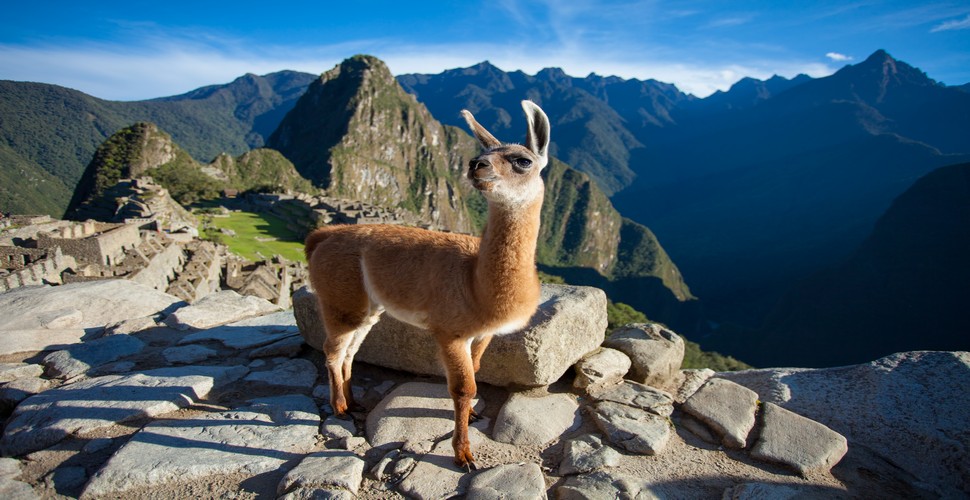
The dry season from May to September is the most popular time to visit Cusco and Machu Picchu. The days are sunny and clear, but temperatures can drop significantly, particularly at night. It's advisable to bring warm clothing. Note that this period is also the peak tourist season, so expect larger crowds.
Cultural festivals in Cusco
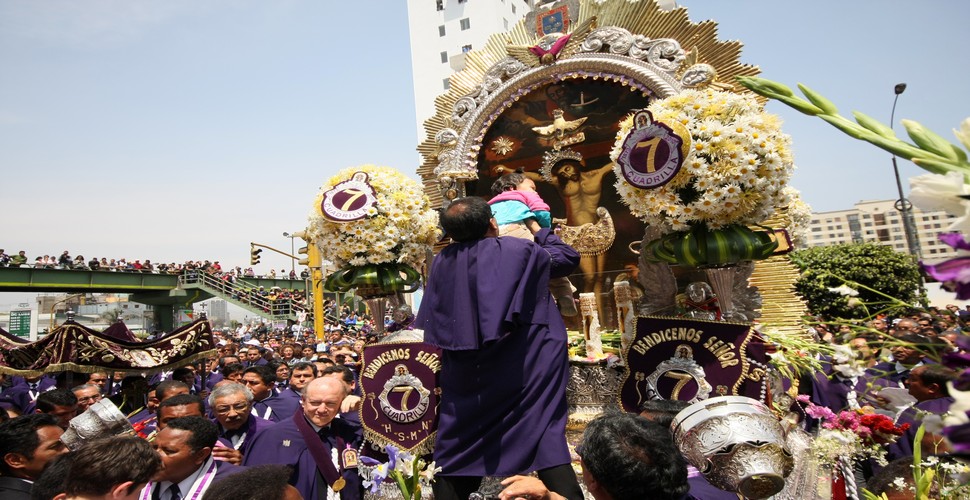
Inti Raymi is one of the most significant festivals in Cusco and celebrates the Inca Sun God, Inti. It takes place during the winter solstice and includes colorful processions, traditional dances, and reenactments of ancient Inca rituals. Qoyllur Rit'i (May/June) takes place in the Sinakara Valley near Cusco, in the Ausangate region. Qoyllur Rit'i is a unique pilgrimage that blends Inca and Christian beliefs. Thousands of pilgrims hike to the sacred mountain, accompanied by lively music, dances, and rituals.
Puno and Lake Titicaca
Puno's weather is influenced by its high altitude and proximity to Lake Titicaca. During the dry season from May to September, days are generally sunny and dry, with cooler temperatures, especially in the evenings. Average daytime temperatures range from 15°C to 20°C (59°F to 68°F), but it can drop below freezing at night. Puno experiences its rainy season from November to April when rainfall is more frequent.
Festivals in Puno
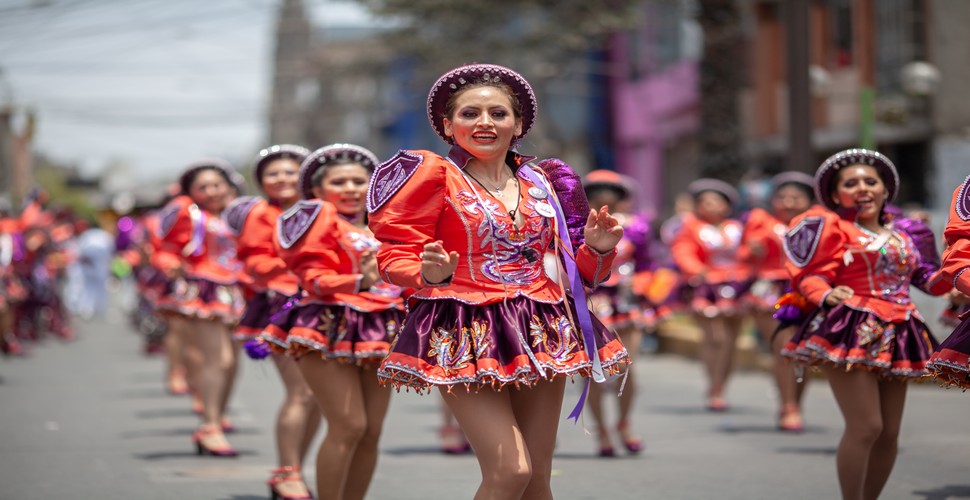
The Fiesta de la Virgen de la Candelaria (February) combines indigenous and Catholic traditions, featuring extravagant parades and vibrant costumes. The Virgen de la Asunción Fiesta (August 15th) is a religious celebration observed in Puno with processions, mass ceremonies, and traditional dances.
Amazon Rainforest
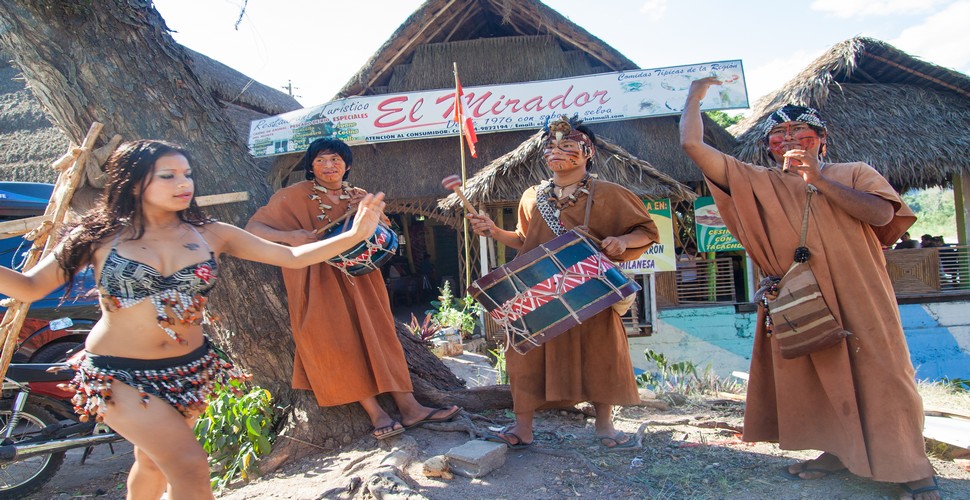
The Amazon region of Peru has a tropical rainforest climate with high humidity and rainfall throughout the year. The dry season from May to October is a popular time to visit as there tends to be less rainfall. The festival of San Juan (June 24th) is celebrated across the Amazon region to honor Saint John the Baptist, while the festival of the Peruvian Amazon (September) in Iquitos showcases Amazonian culture and biodiversity.
Arequipa and the Colca Canyon
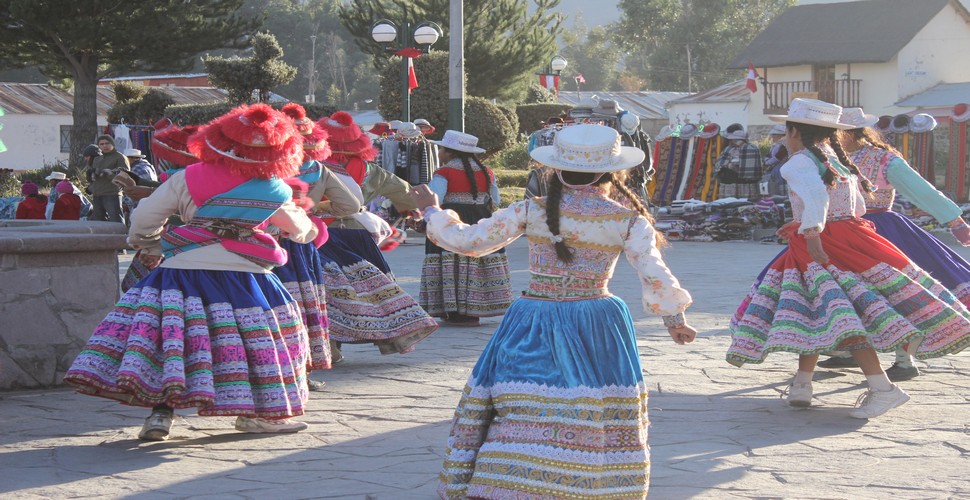
Arequipa enjoys mild and sunny weather year-round. The best time to visit the Colca Canyon, near Arequipa, is during the dry season from May to September, as it's easier to access hiking trails and witness the condors soaring above the canyon. Arequipa Anniversary (August 15th) marks the founding of the city with parades and cultural performances. Additionally, during the second week of June, the towns surrounding the Colca Canyon celebrate Colca Week, a vibrant festival showcasing the rich cultural heritage of the region.
Northern Peru
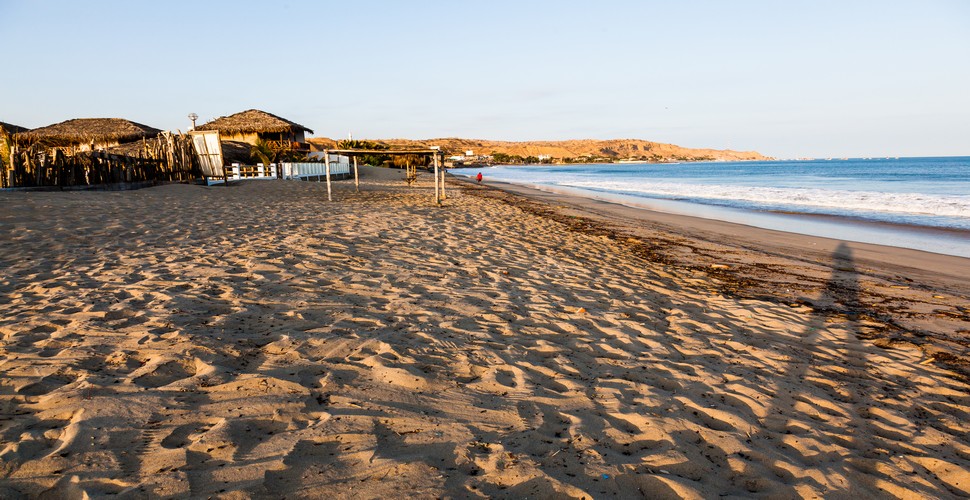
The northern coastal regions have a dry desert-like climate. The best time to visit is during the shoulder seasons, from April to June and September to November, when the weather is pleasant and there are fewer tourists. The Festival de la Marinera (January) is held in Trujillo, showcasing the traditional Peruvian dance known as Marinera.
Remember that weather patterns can vary in Peru and it's always a good idea to check the specific weather forecasts for your intended travel dates. Additionally, popular tourist attractions can be crowded during peak seasons, so consider your preferences for weather, crowd levels, and prices when deciding on the best time to travel to Peru. Contact us here for more information!