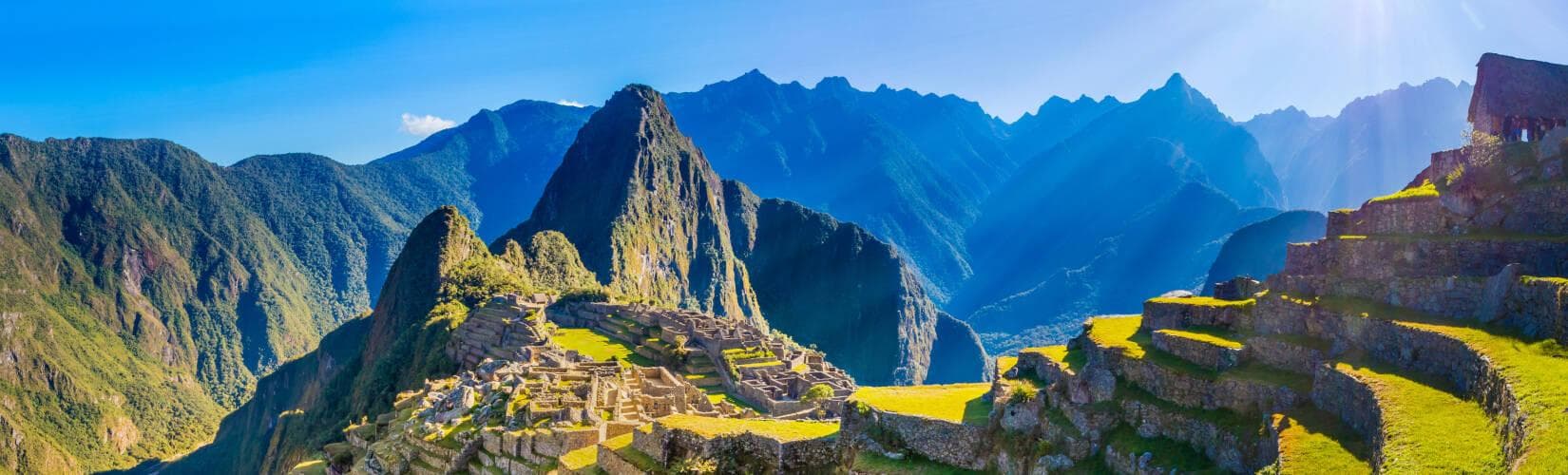
Machu Picchu Tour Packages
Overview of Machu Picchu
Machu Picchu is one of Peru's most visited destinations, and the way you reach it shapes the whole trip. You can hike the Classic Inca Trail, take a shorter trek on its final section, follow an alternative route such as Salkantay or Lares, or travel by train to Aguas Calientes and continue by bus to the site. Each option differs in length, physical demand, and how far ahead you need to book.
VA Expeditions is a US-based team that works with local specialists in Cusco to build Machu Picchu trips around your dates, fitness level, and time in Peru. Itineraries include time to acclimatize in Cusco or the Sacred Valley, and your planner helps you choose a ticket route and entry time that fit what you want to see. Permits, site entry, and train space are controlled by government agencies and transport operators, so availability varies by date and early planning helps.
Our Travelers REVIEWS
Additional Information
Everything you need to know before visiting Machu Picchu: local customs, safety guidelines, currency, health advice, and practical tips.
Choosing How to Reach Machu Picchu
Most travelers researching Machu Picchu have already chosen the destination and are deciding how to get there. That choice shapes your trip. It affects how many days you need, how much hiking you do, and how far ahead you must book.
The Classic Inca Trail is a multi-day trek with a daily permit cap, and permits for popular months can sell out well in advance. Train-based itineraries reach Aguas Calientes, the town below the site, and continue by bus to the entrance. Alternative treks such as Salkantay and Lares follow different routes through the Andes and typically connect to Machu Picchu by road, rail, or a separate entry. Ausangate is a high-altitude trek in a different part of the Cusco region. We offer it as part of a longer itinerary that also includes Machu Picchu, not as a direct route there.
Our US-based team works with local specialists in Cusco to build your itinerary. We include acclimatization time in Cusco or the Sacred Valley, which can reduce the risk of altitude symptoms but cannot prevent them for everyone. We also help you choose a site ticket that fits what you want to see. No single ticket route covers every part of Machu Picchu.
Classic Inca Trail
The original trek to Machu Picchu covers roughly 26 miles. Daily access is capped, and the cap includes guides, cooks, and porters. Permits for peak months can sell out months ahead. Arrival time at the Sun Gate depends on trail operations, checkpoints, weather, and group pace. The trail closes for annual maintenance.
Short Inca Trail
A shorter trek on the final section of the Inca Trail. It has its own permit requirements and is a good fit for travelers with less time.
Alternative Treks
Salkantay and Lares offer different landscapes and cultural stops than the Inca Trail. Access rules, permits, and conservation requirements vary by trek and can change. Most programs finish with transport to Aguas Calientes and a separate Machu Picchu entry.
Train-Based Trips
Take the train to Aguas Calientes, then a short bus ride to the site. Rail services vary by season, operator, and departure station, and some include road segments. Your time at the site depends on your entry ticket and route.
Combination Itineraries
Trips that pair a shorter trek with rail or road travel to Machu Picchu.

Machu Picchu Itineraries
|
Itinerary |
Overview |
Link |
|
Classic Inca Trail to Machu Picchu |
A multi-day trek on the historic route, ending at Machu Picchu. |
/package/peru/4-day-classic-inca-trail |
|
Inca Trail Express to Machu Picchu |
A shorter Inca Trail option for travelers with less time. |
/package/peru/5-day-inca-trail-express-to-machu-picchu |
|
7-Day Lares Trek & Machu Picchu |
A trek through Andean weaving communities and highland landscapes, followed by Machu Picchu. |
/package/peru/7-day-lares-trek-machu-picchu |
|
8-Day Salkantay Trek & Machu Picchu |
A high-mountain trek with varied scenery, followed by Machu Picchu. |
/package/peru/8-day-salkantay-trek-machu-picchu |
|
10-Day Ausangate, Rainbow Mountain & Machu Picchu |
A high-altitude trek and Rainbow Mountain, combined with Machu Picchu. Best for travelers comfortable with sustained altitude and long trekking days. |
/package/peru/10-day-ausangate-rainbow-mountain-machu-picchu |
|
3-Day Machu Picchu Express |
A train-based visit with time at the site. It typically begins and ends in Cusco. |
/package/peru/3-day-machu-picchu-express |
Machu Picchu Tickets, Circuits, and Routes
Your trip involves two separate choices:
- How you reach Machu Picchu: train and bus, the Classic Inca Trail, the Short Inca Trail, or another trek plus transfer.
- Which route you are authorized to walk inside the site. This is set by the Ministry of Culture's circuit-and-route system and tied to a specific entry time.
Site Circuits and Routes
Machu Picchu operates on timed entry with assigned routes, and what you can see depends on your ticket. No single ticket guarantees access to every highlight, and some routes are seasonal or not always available. Your planner will confirm your ticket route, entry time, and what it includes.
Huayna Picchu and Machu Picchu Mountain
Both peaks are sold through specific limited ticket routes, not as a simple add-on to general entry. Availability is limited, so book early.
Rules Can Change
Route availability, entry times, and ticket terms are set by authorities and can change. We confirm current options when you book.
What You Can Experience at Machu Picchu
What you see depends on your official route. These experiences may or may not be included on your ticket.
- Explore the citadel. Terraces, temples, and viewpoints vary by route. Tip: ask your planner which areas your route includes.
- Climb Huayna Picchu. A steep, narrow climb with views over the site, sold on a limited ticket route. Tip: book as early as possible.
- Climb Machu Picchu Mountain. A longer climb on its own limited ticket route. Tip: book early, as with Huayna Picchu.
- Stay overnight in Aguas Calientes. This gives you a buffer before your entry time and avoids an early start from Cusco. Tip: a cushion day helps if plans change.
- Visit Intipunku (Sun Gate). The traditional arrival point for Inca Trail hikers. Access from the main entrance depends on your route and the season. Tip: confirm with your planner whether it's included.
Best Time to Visit Machu Picchu
- Dry season (roughly May to September): Typically the busiest period. Permits, tickets, and trains can sell out earlier.
- Shoulder months (April and October): Conditions and crowds vary from year to year.
- Wet season (roughly November to March): More rain, especially in January and February, which can affect trails, transport, and visibility. Some travelers find it quieter, though this varies.
Trekking conditions often differ from conditions at the citadel. The Inca Trail closes for maintenance each year, and temporary closures or transport disruptions can occur in any month.
Altitude and Health
Machu Picchu sits at about 7,970 feet, lower than Cusco at about 11,152 feet. Many trips begin in Cusco, where travelers may notice headaches, fatigue, or shortness of breath. The optional peaks above the citadel are higher than the main site.
Risk and symptoms vary by person, route, and sleeping altitude. Spending time at a lower elevation first, such as in the Sacred Valley, can help some travelers. Rest and hydration may help, but neither guarantees you will avoid altitude illness. Treks can be remote, so emergency response and evacuation may take time.
If you have heart, lung, or other health conditions, talk with a qualified clinician before booking a high-altitude trip.
Why Plan Your Machu Picchu Trip with VA Expeditions
- Options for different fitness levels and schedules. Treks, train-based trips, and combinations, subject to permit and supplier availability.
- A US-based planning team with Cusco specialists. Guidance on permits, altitude, and timing.
- Itineraries adapted to your group. Pace and accommodation options depend on the itinerary, whether service is private or shared, and supplier terms.
- A planner to guide you. Your planner helps you choose a route and understand your options.
Combine Machu Picchu with More of Peru
- Sacred Valley: Pair Machu Picchu with Pisac and Ollantaytambo.
- Cusco: Most itineraries include time in Cusco before or after Machu Picchu.
- Peruvian Amazon: Extend your trip to the rainforest.
- Lake Titicaca: Add the highland lake and its island communities.
- Arequipa: Add Peru's colonial "White City" and the Colca region.
Frequently Asked Questions about Machu Picchu
Everything you need to know before and during your travel experience in Machu Picchu.
It depends on your priorities. Trekking offers multi-day hiking and mountain scenery but requires more time and fitness, and permits can be limited. Train-based trips are shorter and less physically demanding. We can help you compare options for your dates.
Yes. These climbs are sold through specific limited ticket routes, and availability is limited.
Machu Picchu is lower than Cusco, but symptoms vary by person, route, and sleeping altitude. Spending time at a lower elevation first may help some travelers. Consult a qualified clinician if you have health conditions.
Book as early as you can. Inca Trail permits are limited and often sell out months ahead for peak periods. Site tickets and train seats also vary by date, route, season, and operating conditions, so availability isn't guaranteed close to your travel dates.
Yes. You can take the train to Aguas Calientes and a bus to the entrance. The site has uneven stone paths, slopes, and stairs, and accessibility varies by route. Tell us about any mobility needs when you plan.
A train-based package can be as short as three days. It normally begins and ends in Cusco, so it isn't a complete Peru trip. Trekking itineraries are longer, so check each itinerary for total days and trekking days.
Certified Excellence: Amazing tours & Adventures
Committed to international standards of excellence, safety, and sustainable tourism.
AWARDS AND RECOGNITION
Recognized globally for quality management, environmental responsibility, adventure travel safety, and premier customer satisfaction.