|
Aspect
|
Manu National Park
|
Tambopata / Puerto Maldonado
|
Iquitos / Loreto
|
|
Transfer from Cusco/Lima
|
Overland + river (multi-day)
|
Around 35 to 40 min flight, then boat
|
Via Lima to Iquitos then river toward Nauta
|
|
Typical recommended stay
|
5+ days
|
3 to 4 days
|
4 to 7 days
|
|
Physical effort
|
Moderate to High (remote access)
|
Low to Moderate
|
Low to Moderate
|
|
Good to know
|
Limited lodge capacity — advance booking recommended
|
274,690 hectare reserve, road and river access
|
Gateway to Pacaya Samiria, largest city in the region with no direct road connection
|
Manu National Park
Manu is a UNESCO World Heritage Site and Biosphere Reserve which occupies almost 1.7 million hectares of area from the Andean cloud forest down to the lowland Amazon floodplain. The diversity of species found in the park includes:
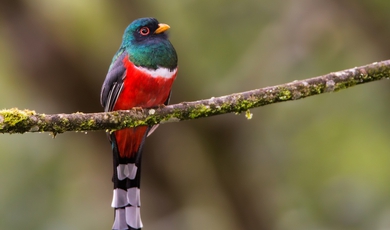
- More than 1,000 types of birds have been recorded.
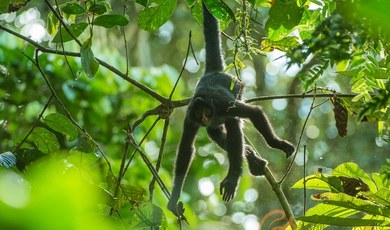
- 13 different species of monkeys
- Over 200 species of mammals have been registered including jaguar, giant otter and giant armadillo.
Reachability to Manu includes both land and river travel, on the basis of visitor zone and travel route, as well as season. Since traveling to Tambopata is more time consuming, the park has lower tourism rates although this does not resolve the issue of wildlife spotting while visiting.
Tambopata & Puerto Maldonado
Puerto Maldonado is located at the meeting point of the Tambopata and the Madre de Dios rivers. The journey from Cusco takes about 35 to 40 minutes by plane. From Puerto Maldonado, it is possible to travel by boat to the Tambopata National Reserve. This reserve is huge, with an area of 274,690 hectares that includes:
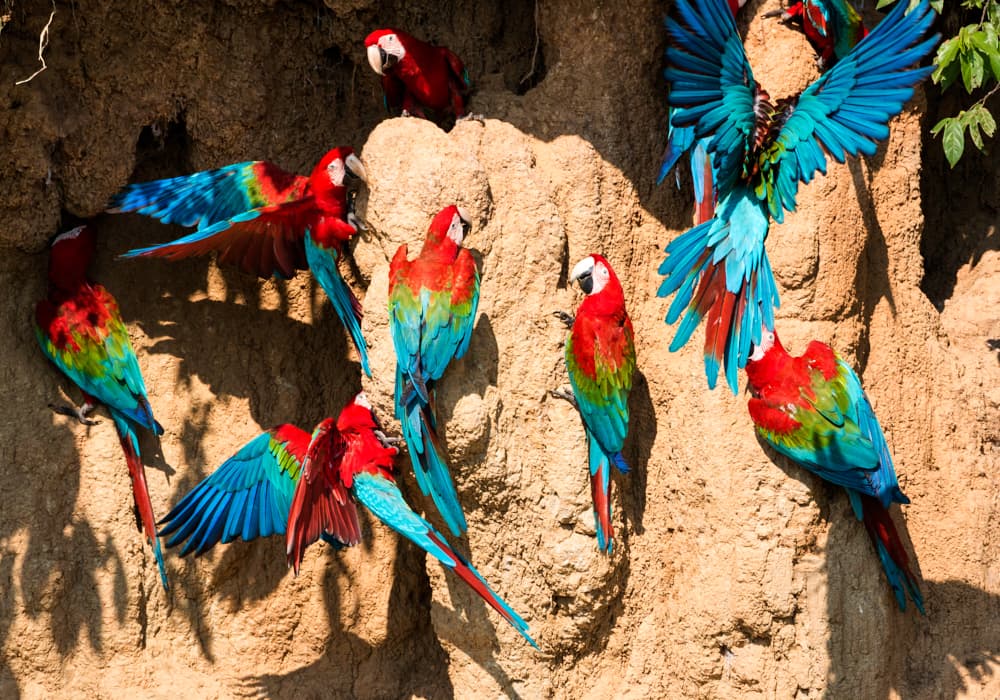
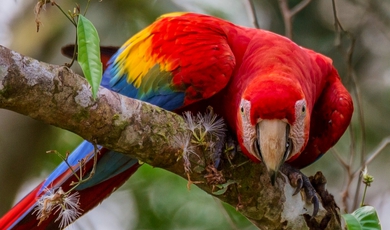
- a clay lick for macaws, where many macaws and parrots assemble each day
- oxbow lakes inhabited by the giant otter (however, no guarantees in this regard)
- many different rainforest paths of different lengths and levels of difficulty that depend on the lodge chosen, the route followed, the water level and the traveler’s ability
Iquitos
Iquitos is considered the entrance point to the northern Amazon of Peru. The majority of people arrive in Iquitos first and then move on to Nauta, and continue their journey by boat to a lodge or a cruise. The city is sometimes called the biggest city in the world that does not have roads leading to it.
The options available from Iquitos often include:
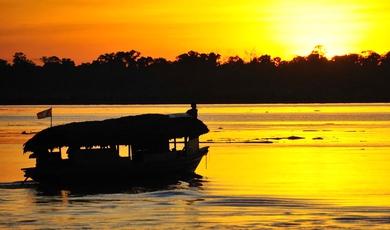
- Amazon river cruises
- Trips to various indigenous communities approved and led by local people
- The canopy walk and forest excursions