


Written by:undefined undefined
Published: 09-02-2023
Bolivia is a country of extremes. From freezing cold snowy mountain peaks to sweltering hot amazon lowlands, the nation has a dizzying array of climates and cultures, attractions, and adventures. Authentic, adventurous, and largely unscarred by mass tourism, Bolivia is one of South America's best-kept secrets. Many travelers list Bolivia as their favorite country in South America because of the diversity available and you can experience it all on this 2-week tour of Awe-Inspiring Bolivia!
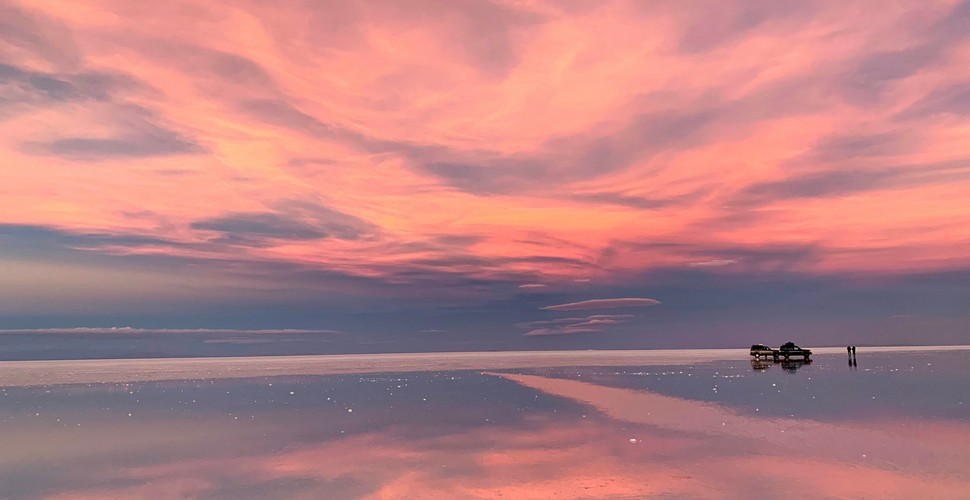
Largest Salt Flats in The World
Santa Cruz
This Bolivia tour begins in the lesser-visited city of Santa Cruz. The eastern Bolivian lowlands, where Santa Cruz lies, are rich in natural resources and mineral deposits, oil and gas are found in plenty here, agriculture and forests flourish in the tropical climate of the plains, and the greenery makes it one of the largest producers of the beef cattle. The dairy industry milks money here, too. Santa Cruz borders the Amazon Rainforest and the city’s surroundings are lush and green. This change in scenery makes Santa Cruz a great place to visit in Bolivia for those wanting to experience Bolivia’s biodiversity.
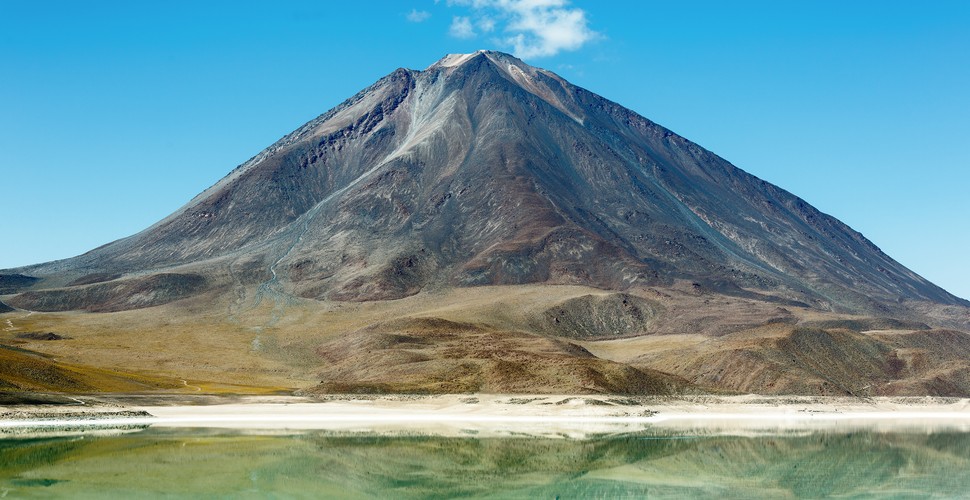
Tunupa Volcano
Sucre
In its heyday, Sucre was the crown jewel of the Spanish empire. It was the most lavish and refined city on the entire continent, and it’s not difficult to discern why. Sucre was the birthplace of the first uprising against the Spanish empire. Though for what should now be rather obvious reasons, Bolivia was one of the very last countries to gain its independence. This city wears its history on its sleeve and it’s impossible not to feel moved by it. There are numerous fantastic museums charting their course over time, but in a way, the city itself is a living museum. Spreading out from the central square, Plaza 25 de Mayo, Sucre’s narrow streets are a treasure trove of enchanting architecture. The Parque Cretacico boasts a vertical wall of perfectly preserved dinosaur footprints. How, when, and why they got there is all explained in a revealing tour. The Tarabuco Market makes a great Sunday day trip from Sucre. More than just a market, it’s a cultural melting pot where people from various indigenous tribes come to hang out. Prepare to be amazed by the wide array of eye-catching traditional items available!
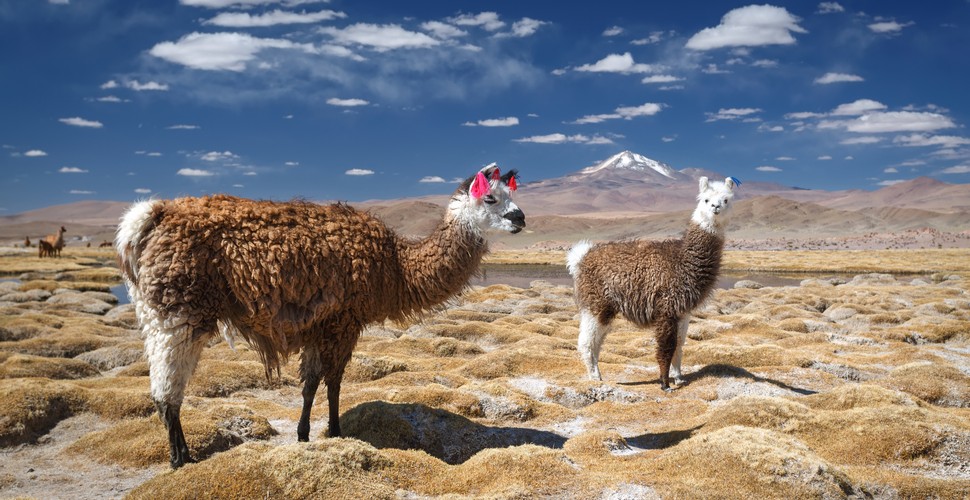
Llamas
Potosi
Potosi was once the largest and wealthiest city in the western hemisphere thanks to the Cerro Rico silver mine. Today, the city’s colonial wealth and splendor have faded a bit, but visiting Potosi’s still-active mine is an exciting way to experience this major part of Bolivia’s history and economy first-hand. Those who visit this Bolivian destination come away with a gritty understanding of the hardships of daily life in this country. You can meet modern-day miners working relentlessly to find their riches (hopefully) and who are grateful for the gifts you will donate to them. With horrendously low life expectancies and the constant risk of the mineshafts collapsing around them, these guys work in some of the most brutal conditions I have seen. Spend a day in their environment at The Cerro Rico mine whilst learning about their trade and experiencing what life is like underground.
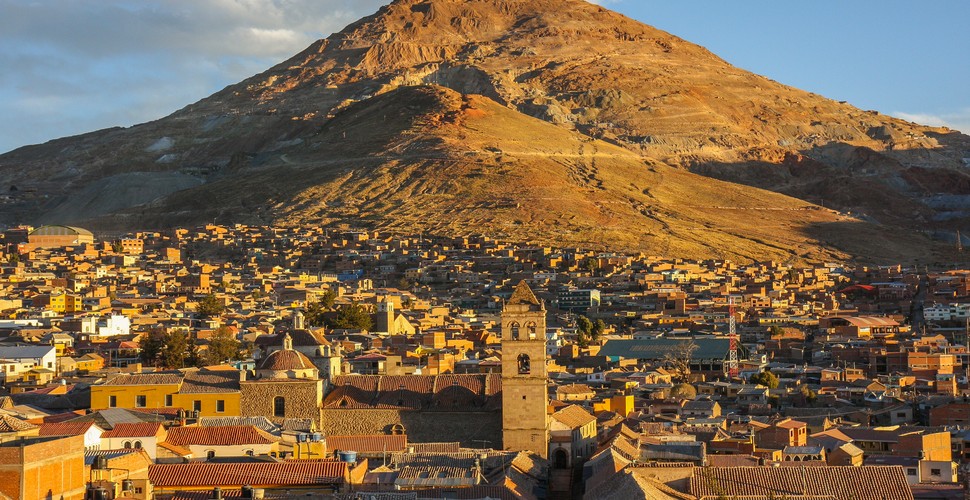
Cero Rico
Uyuni
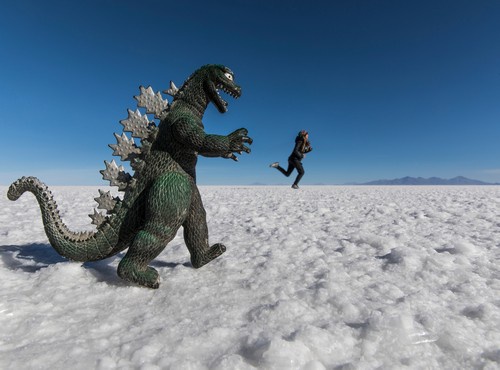
You’ve undoubtedly heard of the Salar de Uyuni, Bolivia’s premier tourist attraction that captivates visitors from all over the world. While it may sound touristy or cliché, this is a place that really lives up to the hype. Be sure to sign up for the longer three-day tour that visits some surreal nearby attractions as well. You certainly won’t regret it. Uyuni is the world’s largest salt flat. Being one of the most famous places in South America and receiving more than 90,000 visitors per year, this region is as impressive as you can imagine! The salt flats have an extension of 10,582 kilometers and an altitude of 3,660 meters above sea level. But, what makes this place so unique is the mirror effect caused after rainfall, which fades away the limits between the sky and the land, making it look as if you were walking on the clouds.
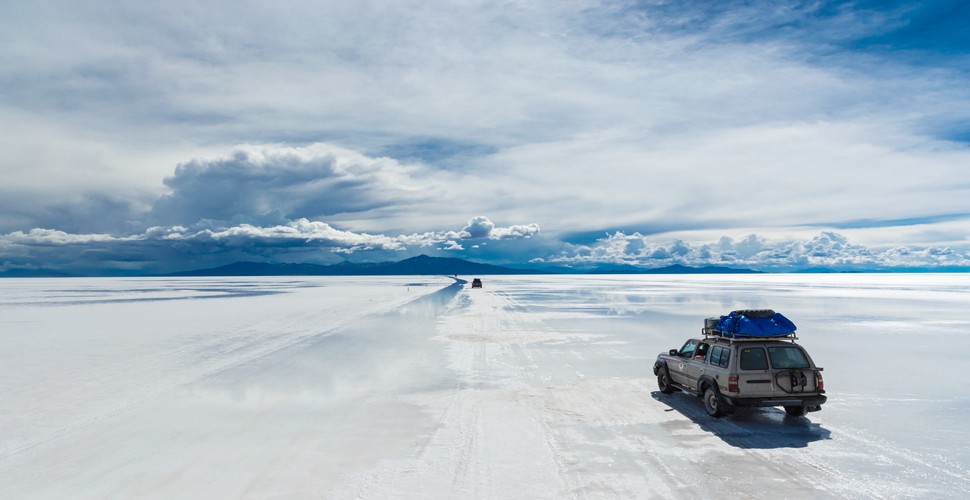
Salar de Uyuni
La Paz
La Paz is a brilliant spot to base yourself for a week or two whilst you sign yourself up for some of the craziest experiences of your life. You can cycle the Death Road and survive to tell the tale (please) or spend 3 days hiking to the summit of Huayna Potosi. If that’s not your thing then spend an afternoon at the brewery or join the locals for a night of Cholita Wrestling. LA Paz is the unique collision of the traditional and the modern, where pollera-wearing women mix with suited businessmen and the witches market combines with top-end international restaurants, La Paz really is a high-altitude city of extremes.
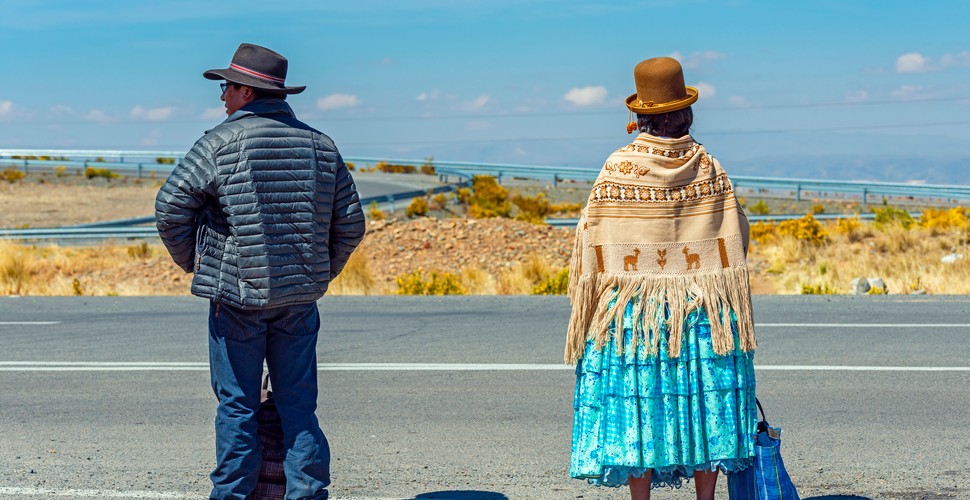
El Alto, La Paz
Titicaca
The glistening crystalline waters of Lake Titicaca under the majestic backdrop of snowy mountain peaks are a highlight of any Bolivian itinerary. Thought by indigenous inhabitants to be the birthplace of the sun, this tranquil area is packed with ancient Inca relics and picturesque hiking trails. Isla del Sol is the undisputed highlight of the region. It can be visited in a day, or even an afternoon, but to get a true appreciation of the island it’s a good idea to spend a night in either Challapampa or Yumani.
The best way to see the island is by hiking from north to south or vice versa. The trip takes three to four hours and is suitable for those with a moderate fitness level. Keep in mind that the altitude here is extreme so those who are not acclimatized will definitely feel it.
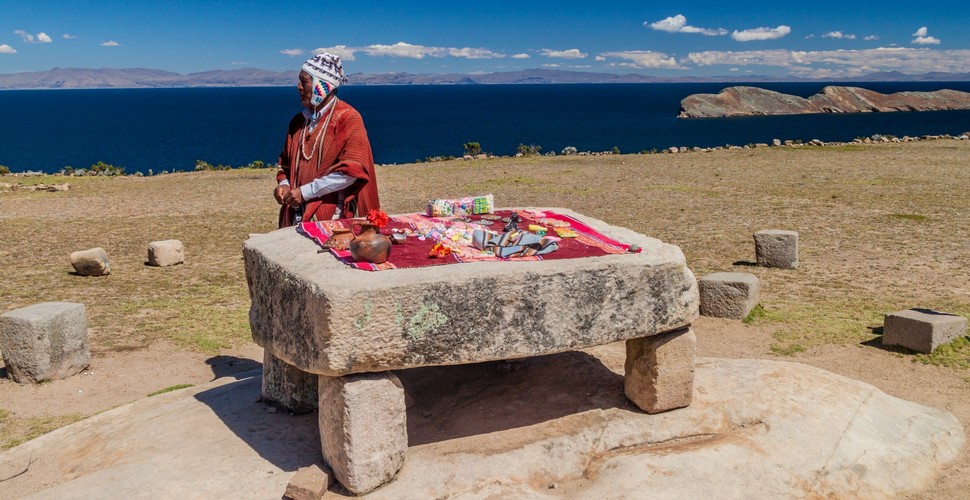
Isla del Sol
Madidi National Park
While many think of Brazil when they are considering visiting the Amazon rainforest, eastern Bolivia is also part of the Amazon Basin. The jumping-off point for most people wanting to explore this area is Rurrenabaque. A boat trip down the river to Madidi National Park where you can come face-to-face with wildlife such as pink dolphins, parrots, and even anacondas!
Those looking to get face-to-face with exotic Amazonic animals such as snakes, spiders, crocodiles, monkeys, and dolphins need to look no further than Bolivia’s pampas region near Madidi. Offering up what is arguably the best amazon wildlife spotting in South America, the pampas tour is a real highlight of the country’s eco-tourism agenda. A place where trees reach high into the sky to grow amongst the clouds and land is surrounded by never-ending rivers. A place guarded by stealthy jaguars, fearsome caimans, and skittish dolphins. This jungle paradise is Madidi National Park, Bolivia’s hidden gem. Home to a record-breaking number of species and plants, the park is not only one of the most diverse ecological hot spots on the planet but one of the largest protected areas in Bolivia.
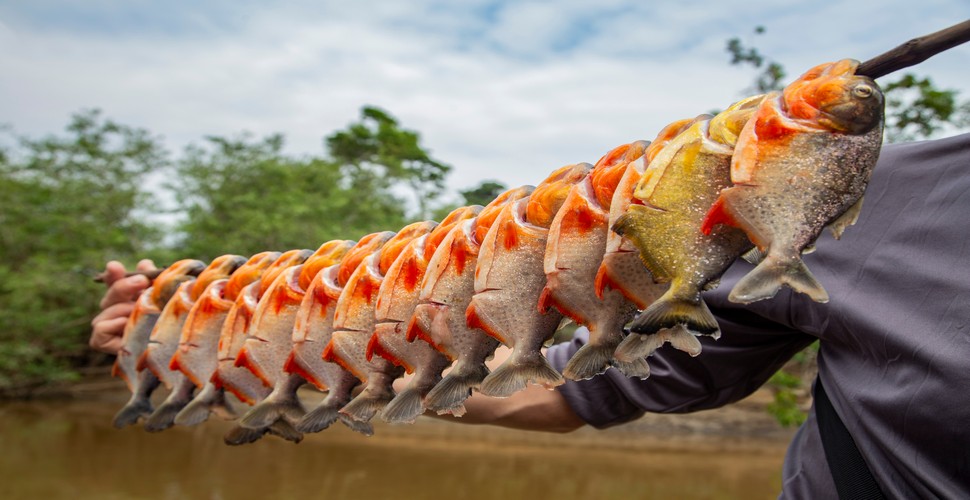
Piranhas Madidi
Rio Yacuma
The Yacuma’s pampas extend along the Yacuma River and represent a large area of grasslands without a tree (because of drought). There is an important concentration of wild fauna, this is the perfect place to observe wild animals in the river or to see monkeys trying to catch an anaconda. Pampas are made of great spaces, great rivers, and intense fauna. The Pampas de Yacuma is yet another biodiverse paradise home to many endemic species such as the Rio Beni titi monkeys and blue macaws making this area crucial for their preservation. Eco-tourism plays an important role in the conservation of these areas since it represents one of the fundamental economic activities in the municipality. This area represents an opportunity to have even closer encounters with wildlife. You can swim with dolphins or piranhas, catch a glimpse of the furtive jaguars and if you venture far enough you can even meet the giant anacondas.
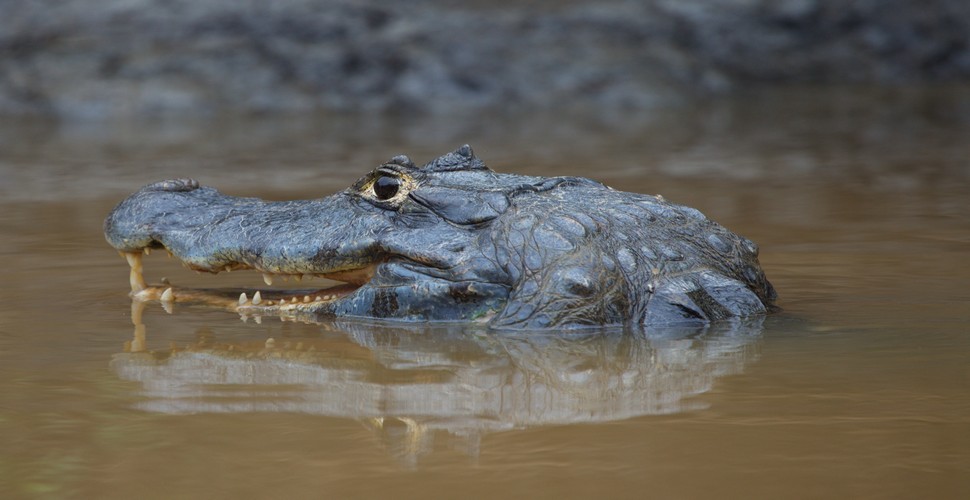
Black Caiman
Book the Awe-Inspiring Bolivia tour with Va Expeditions here and be prepared to have your mind completely blown away!