
Discover the fascinating wonders of Bolivia, a landlocked gem in the heart of South America. From the world's highest capital city and the legendary Lake Titicaca to the breathtaking salt flats and unique indigenous traditions, this country offers an unparalleled travel experience steeped in history and natural beauty.
Whether you are exploring the vibrant culture of the Andes, encountering diverse wildlife in the Amazon, or marveling at the architectural ingenuity of salt hotels, Bolivia promises adventure at every turn. Join us as we uncover the most intriguing facts about this diverse and captivating nation.
Geographical and Political Facts
Bolivia technically has two capitals. One is called La Paz, but the legal capital of Bolivia is Sucre. La Paz is the highest city above sea level in the world and it has the world's longest and highest cable car system where you can admire some of the most beautiful views of the city. The western half of Bolivia is dominated by the Andes, a huge world-famous mountain range with steep slopes and snowy peaks. Almost half the population of Bolivia lives in the Altiplano (a high plateau) chains, in between the Andes mountains.
Lake Titicaca and History
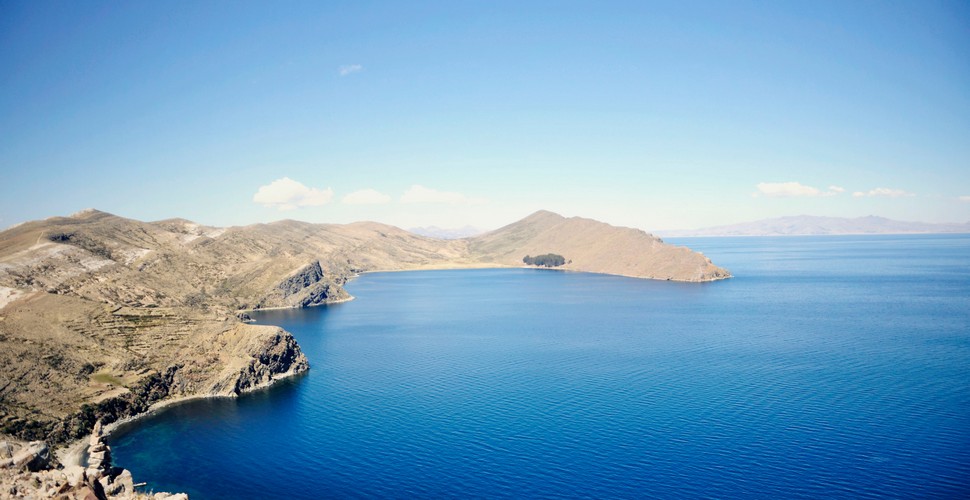
Bolivia is home to Lake Titicaca, bordering Peru. This is a world-famous lake, said to be the birthplace of the Inca people. It is the largest and highest navigable lake in the world. The Inca people say it means the 'cradle of the world'. Furthermore, Bolivia's human history dates back 5,000 years, going all the way back to the Tiwanuku Empire.
Indigenous Culture and Society
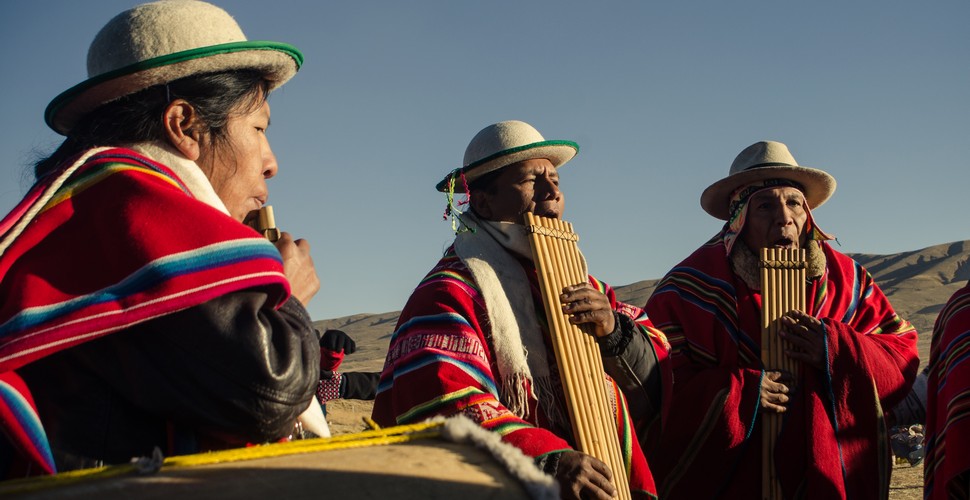
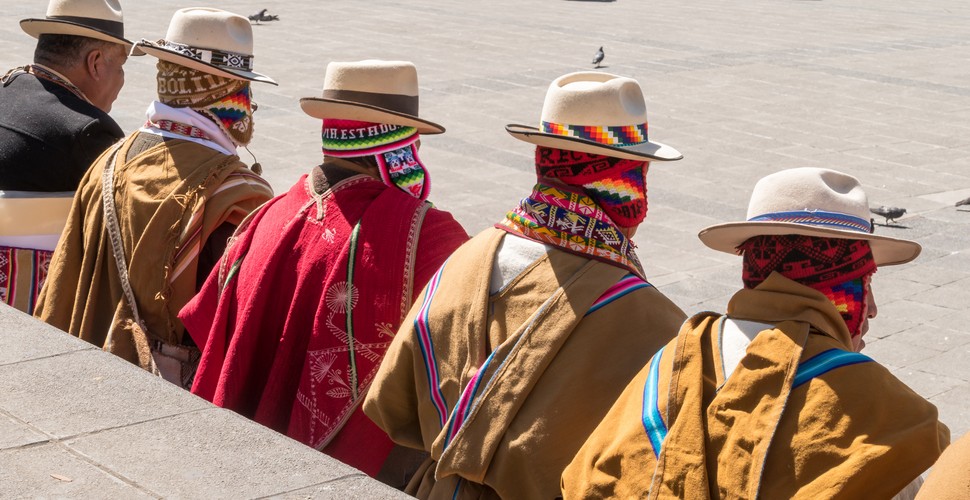
Of the 36 indigenous cultures in Bolivia, the Quechua people have the largest population. Most Quechuan people live in the mountainous Andes and work as farmers. Additionally, Bolivia recognises 37 official native languages. San Pedro prison in Bolivia is a famous tourist attraction for many people and one of a kind. Unlike other prisons in the world, this prison is unique because it allows its inmates to live with their own families.
Wildlife and Nature
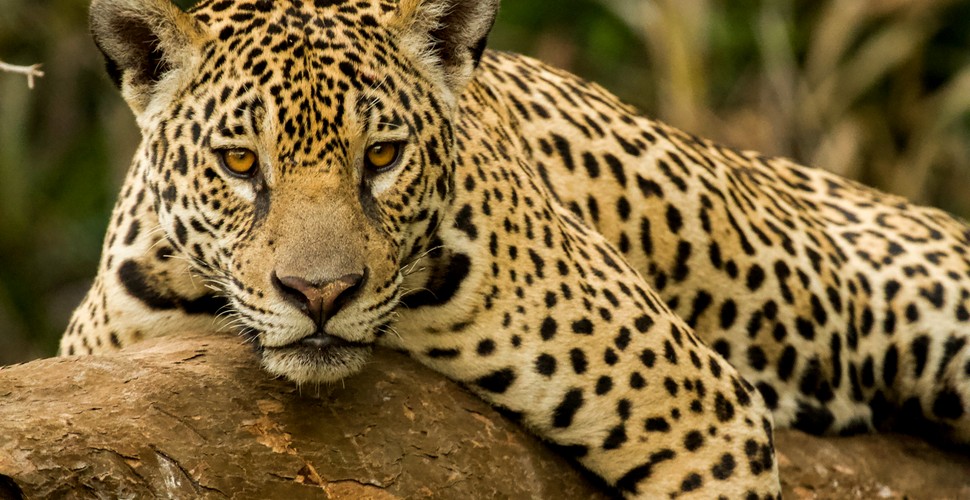
Bolivia has diverse wildlife with over 40 species of animal and so many species waiting to be discovered. The country is home to one of the world's largest butterfly sanctuaries, spanning 24 hectares with over 1,000 types of butterflies. Bolivia is also known for having pink dolphins, which are considered the most intelligent type of dolphin and live in the Amazon.
Unique Bolivian Experiences
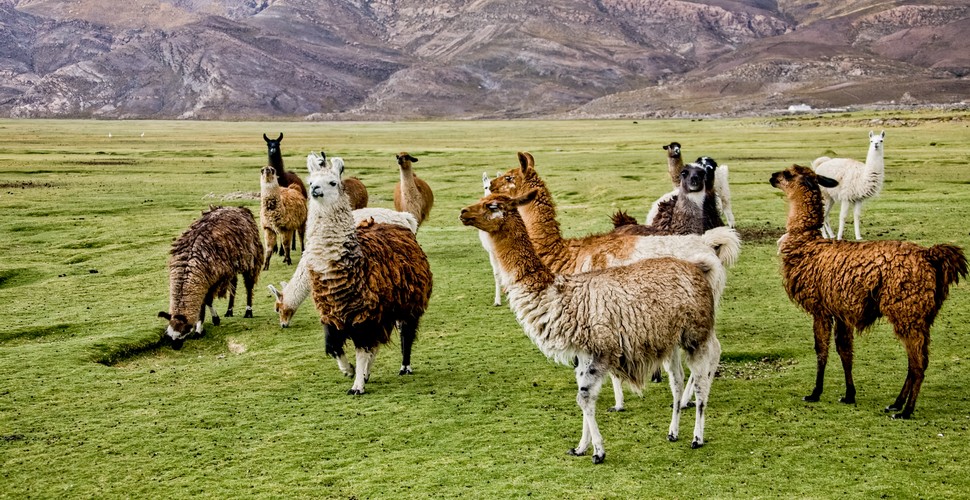
To help people cross the busy streets of La Paz, people dressed up in zebra outfits wander the roads, dealing with the traffic of the city. Bolivia also has one of the most dangerous roads in the world, known as the death road. Furthermore, Bolivia is known for having lots of llamas, which are the national animal. As in Peru, Guinea pigs are served as a delicacy in Bolivia, referred to as Cuy.
Symbols and Landmarks
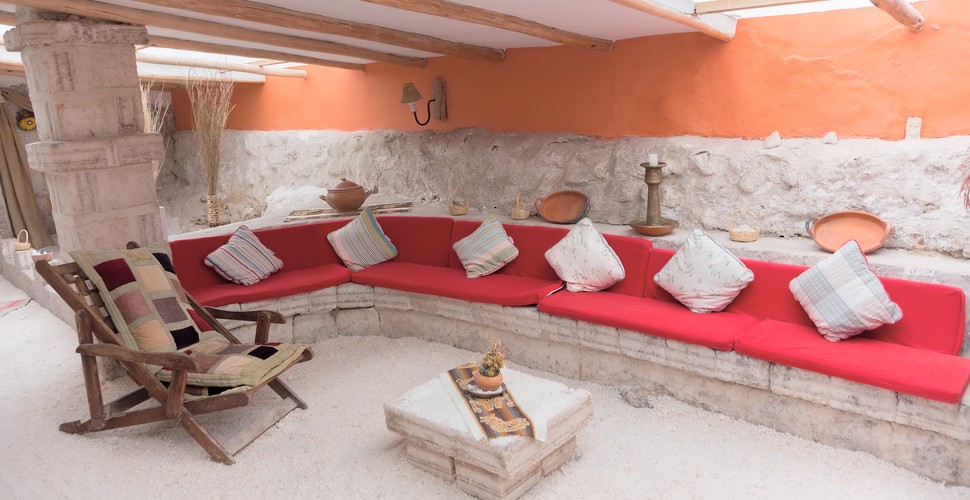
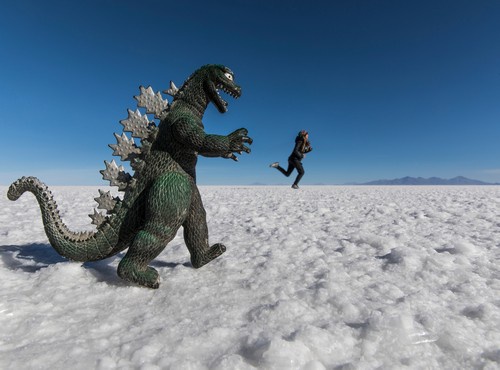
Bolivia's flag has meaning: red represents the bloodshed from the fight for independence, yellow symbolises the wealth and mineral deposits, and green stands for the amazing agriculture and environment. Finally, Bolivia is home to a salt hotel called Palacio de Sal, built using one million blocks of salt near the Salar de Uyuni.