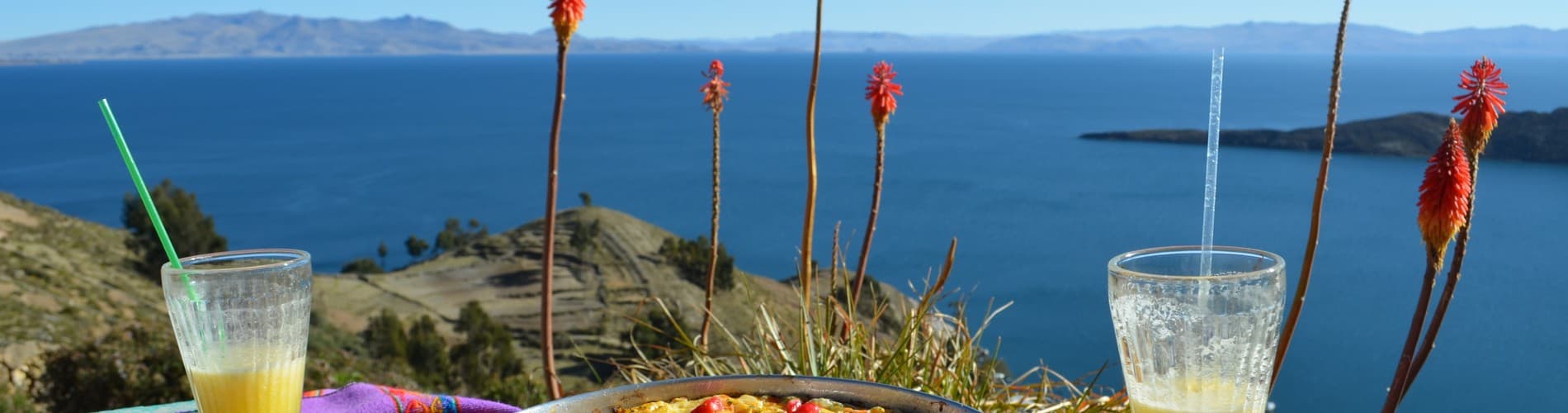
Discover the rich and diverse flavors of Bolivian cuisine, a culinary journey that spans from the high-altitude Altiplano to the lush tropical lowlands. Whether you are seeking hearty comfort foods like Silpancho or unique local delicacies like Llama Charqui, Bolivia offers a fascinating array of traditional dishes that reflect its deep cultural heritage.
In this guide, we explore the must-try staples of the Bolivian diet, including the famous Salteñas, nutrient-packed Quinoa, and the exquisite local chocolates. Prepare your palate for an authentic adventure through the vibrant food markets and kitchens of this awe-inspiring South American destination.
Papa Rellena
Papa Rellena is a dish of Peruvian origin, but it has been adopted throughout the Bolivian Andes. Literally meaning “stuffed potatoes”, papas rellenas are balls of mashed potato which are stuffed with a boiled egg or cheese, coated with a (sometimes spicy) flour batter and deep-fried.
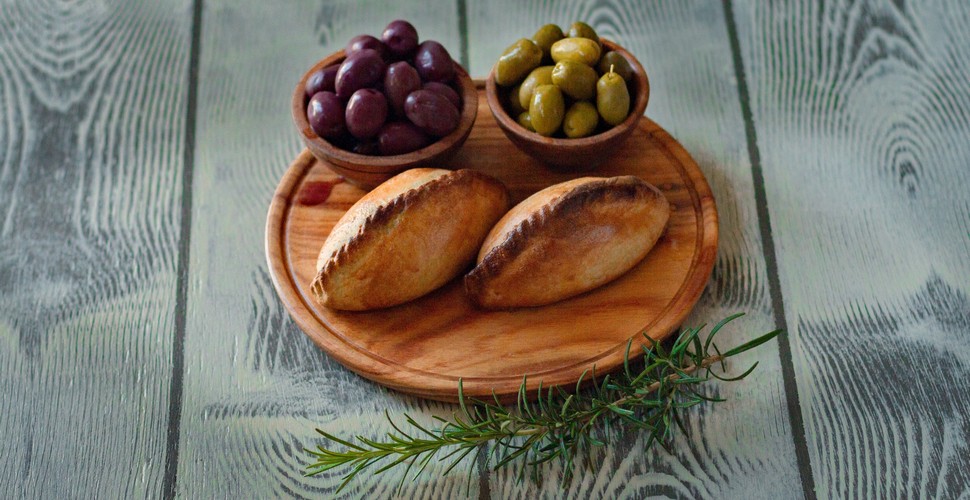
Salteñas
A popular snack found all over the Andean half of Bolivia, salteñas are baked and usually filled with meat, vegetables, egg, olives and a slightly spicy sauce. The Bolivian version of a pasty!
Pique a lo Macho
A beast of a meal, pique a lo macho consists of bite-sized pieces of beef, sausage, onions, rocoto (spicy peppers), boiled egg and thickly cut fries. This considerable plate is traditionally spicy and topped with mustard, mayonnaise and ketchup. This is not for the feint- hearted so make sure you have a healthy appetite before sampling!
Quinoa
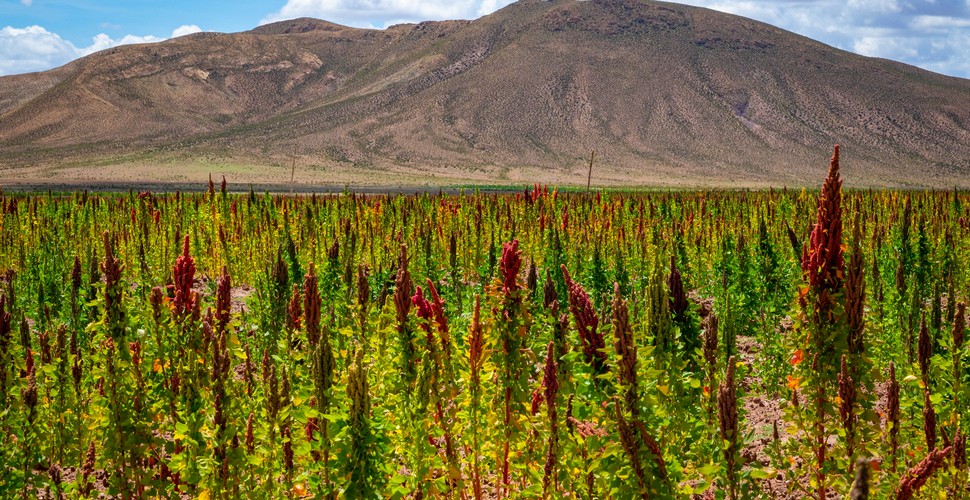
A staple ingredient in many Bolivian households, quinoa is pleasing to the palate and very versatile. The grain crop is high in protein, contains essential amino acids and lacks gluten making it a highly sort after super-food in the western world. Some examples of well-known dishes containing quinoa include salads, stews, soups and burgers.
Tucumanas
Tucumanas can be best described as a fried pasty, filled with a variety of fillings including meat, diced vegetables, boiled egg and a spicy sauce. Vegetable tucumanas are a great choice for vegetarians and are often served with spicy condiments to compliment your dish.
Picante de Pollo
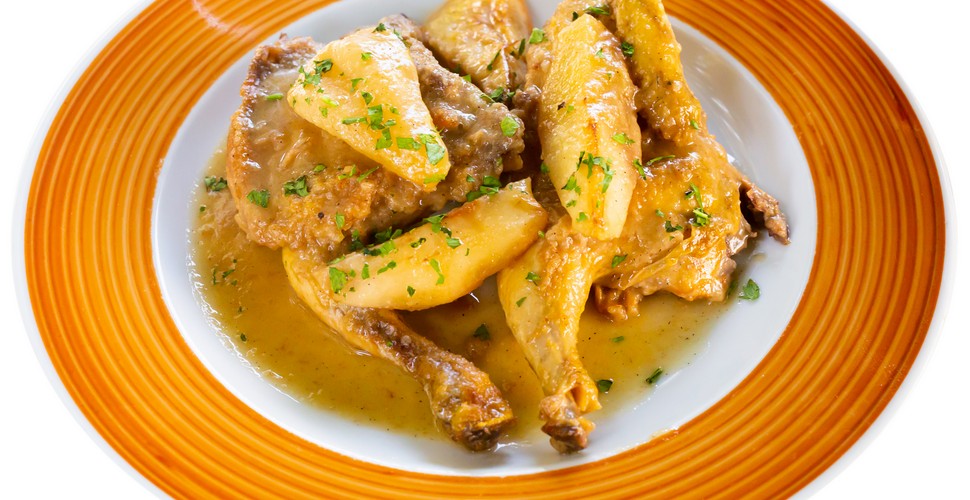
“Spicy Chicken”, with a Bolivian slant, this meal packs a punch. Fried chicken is the main ingredient and is covered in a thick spicy sauce, accompanied by boiled potatoes, rice and salad. Another main lunch option in the country.
Silpancho
Originating in Cochabamba, this Bolivian dish is rich in carbohydrates with the meat of the day. Silpancho is a hefty platter layered with white rice, boiled potatoes, meat, egg and topped with salsa.
Sopa de Mani
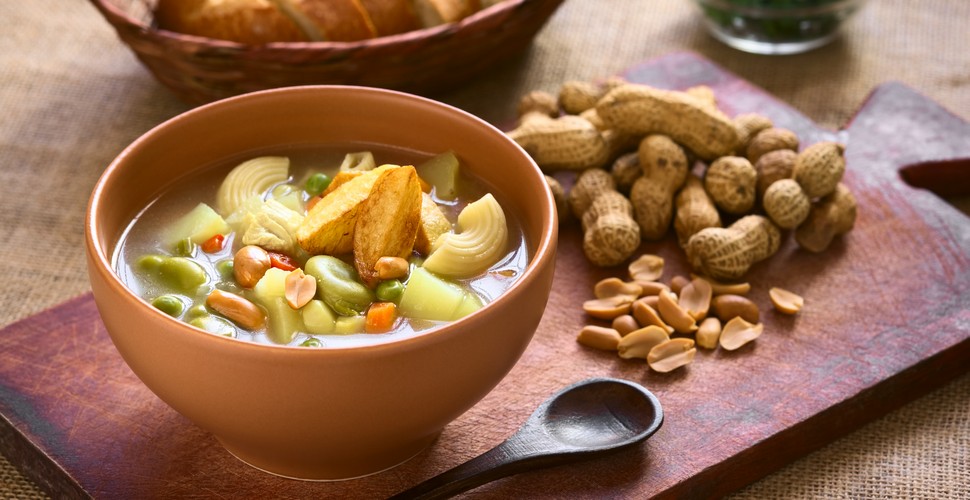
This hearty “peanut” soup is traditionally from Cochabamba and is typically made with beef ribs or chicken, but it works well as a vegetarian soup too. You will find sopa de mani on most lunch menus and is popular with Bolivians celebrating a loved one’s birthday or a special occasion.
Charqui de Llama
Quechua for dried meat, charqui is a form of jerky made using ancient techniques, allowing the meat to last for long periods of time. Llama charqui is dried llama meat served with corn, hard boiled eggs and cheese and is sometimes served with “llajwa”, a spicy accompaniment.
Majadito
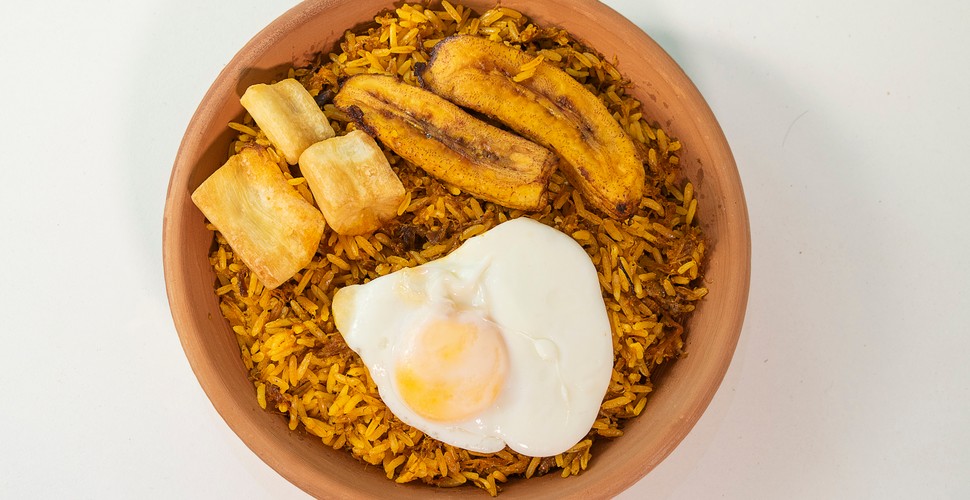
A traditional dish from the departments of Santa Cruz and Beni, majadito is typically made from rice, dried meat (jerky), eggs and fried bananas. The great thing about majadito is that it’s easy to make and delicious to eat.
Salchipapa
A popular fast-food consisting of sausage and chips! Sold by many a street-food vendors, this comfort food is usually accompanied by different sauces and occasionally served with a fried egg or cheese, for extra calorific value.
Bolivian Chocolate
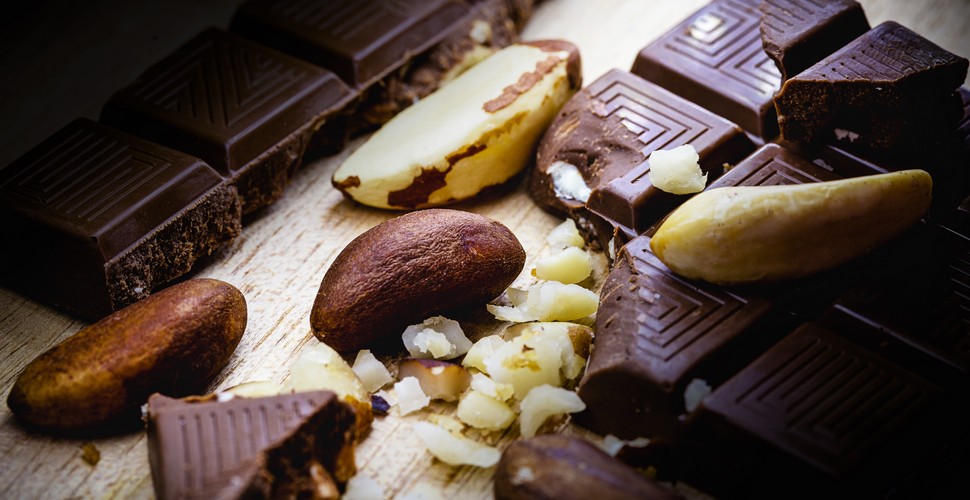
Bolivia is home to one of the most delicious brands of chocolate in the world. Made with high-quality cocoa sourced from the Beni and Alto Beni regions of North-Eastern Bolivia, Chocolates “Para Ti” chocolate shop offers 20 flavors including quinoa, amaranto, and different fruits making it La Paz´ most delicious tourist attraction.
Buñuelos
Buñuelos are a popular snack throughout Bolivia. They come in both sweet or savory versions and are often stuffed with cheese. While Buñuelos can be eaten at any time, Bolivian tradition sees them eaten on Christmas morning with syrup and hot chocolate.