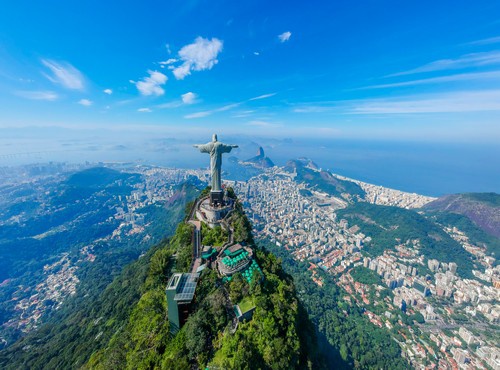

Planning a trip to Brazil requires careful preparation to navigate its vast landscapes and vibrant culture. From understanding visa requirements and health recommendations to mastering local logistics like currency, power sockets, and transportation, this guide provides essential tools to ensure a seamless and safe adventure in the largest country in South America.
Passport and Visa requirements
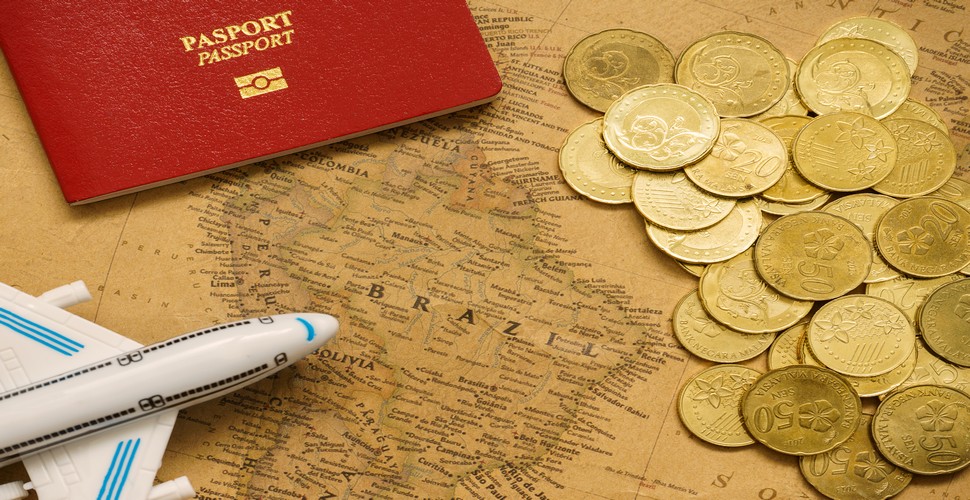
It is an excellent idea to be aware of any passport and visa issues. Check with the embassy in your home country to make sure about the requirements to enter Brazil for your particular nationality. Check that your passport also has a validity of no less than 6 months for travel to Brazil. In general, most people will receive a 3-month tourist visa on arrival, which you would need to extend with The Federal Police, should you want to stay longer.
Travel Health
The CDC and WHO recommend the following vaccinations for Brazil: hepatitis A, hepatitis B, typhoid, yellow fever, rabies, meningitis, polio, measles, mumps and rubella (MMR), Tdap (tetanus, diphtheria and pertussis), chickenpox, shingles, pneumonia and influenza. Check with your travel clinic or Doctor about vaccination issues. The jungle regions have yellow fever outbreaks. It is also important to make sure you have adequate travel insurance before you leave and don’t forget to make sure you have a secure supply of money throughout your trip, the banks and money information will help you with this.

Booking Accommodation
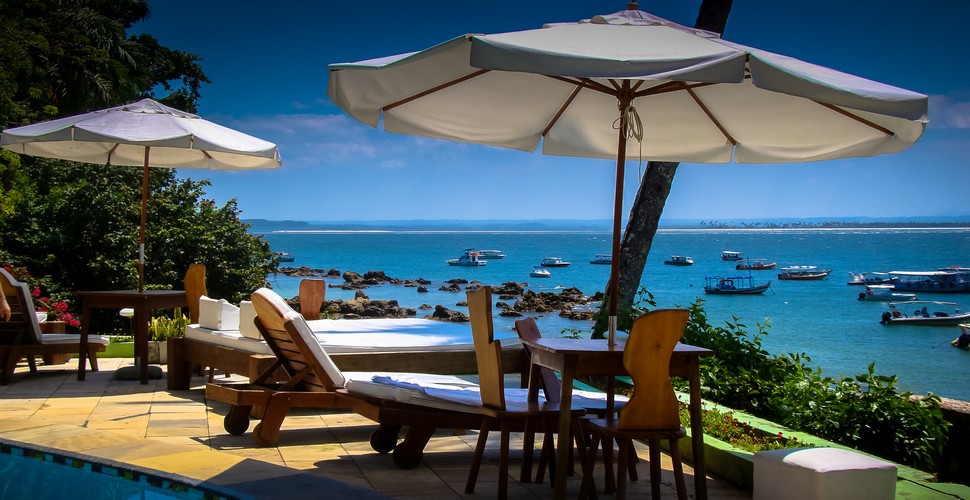
Finding hotels and long-term accommodation options can be a difficult process. We recommend these websites to find the best accommodation deals: www.booking.com, www.hotels.com, www.expedia.com, and www.airbnb.com.pe/.
Flight Bookings
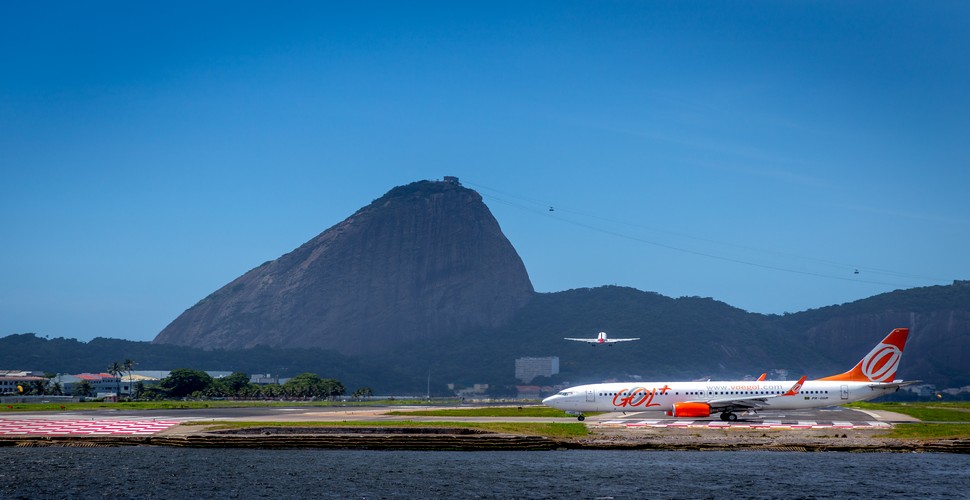
Brazil’s biggest flag carriers, GOL and LATAM, offer regular airline deals if you book in advance, and they tend to be flexible with flight changes. Smaller Brazilian budget airlines, including AZUL, also operate in the country. You can also find many international flights to travel to Brazil using sites like www.skyscanner.net, www.despegar.com or www.kayak.com.
Rent a Car Options
If you don’t speak the local language, renting a car can be a difficult process, however if your Spanish skills permit you, check out www.rentalcars.com to compare rental providers and find the best deal on car hire in Brazil.
Climate
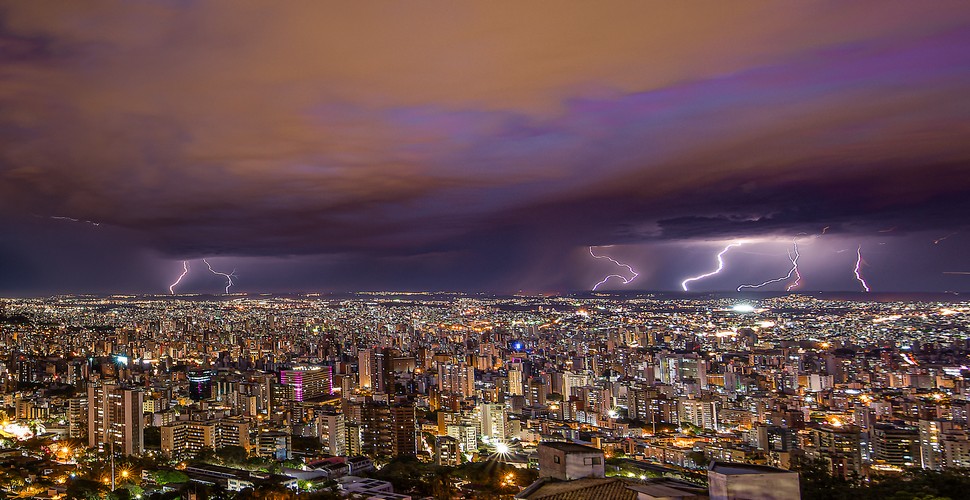
Brazil is one of the few destinations on Earth that is warm year-round. Because of its tropical landscapes, there are several climatic extremes, though none of which are too extreme to deter travelers. Winter in Brazil lasts from May to September, but no matter where in Brazil you are visiting, temperatures won’t drop below 60 F. It’s one of the best times to go sightseeing and hiking in cities like Rio, thanks to plenty of sunshine and cooler temps.
During the spring and summer months, November to March, temperatures can get up to 48°C so layer on plenty of sunscreen and prepare for heavy humidity. Don’t let this deter you, though. Brazil’s famous Carnival takes place around February to early March, and that is not a celebration you want to miss.
What To Expect
Language
The official language of Brazil is Portuguese. You’ll also find that not many people outside of the tourism industry speak English so you’ll want to brush up on some basics before you go.
Currency
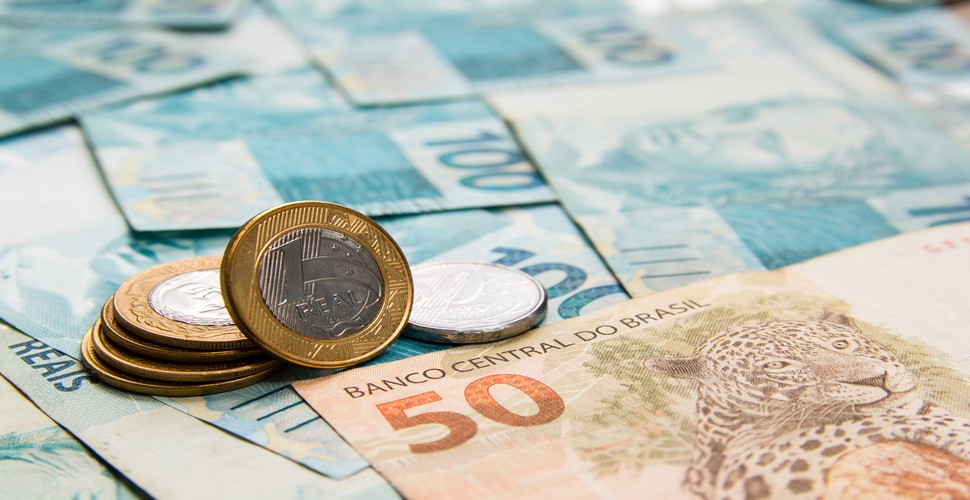
The official currency of Brazil is the Real (BRL). Credit cards are widely accepted in Brazil, although many small businesses, cafes, markets, and spots outside of larger cities often don’t accept cards. ATMs are common in major towns and cities but might be a bit more difficult to track down in the countryside. Many places that do have ATMs will lock them overnight for extra security so don’t plan on using one late in the evening.
Plugs Sockets
In Brazil, the power plugs are type N, the standard voltage is 127 / 220 V, and the standard frequency is 60 Hz. I recommend buying a universal adapter (make sure it has surge protection) and using a converter for hairdryers.
Safety
Brazil has a bad reputation for being unsafe and is known for its high crime rates. In general, the scenarios that involve tourists are typically mugging and pickpocketing. Safeguard your belongings, avoid traveling alone if possible, and practice caution at all times and you should be just fine.