
Embark on a transformative journey into the heart of the Ecuadorian Amazon, a region defined by its unparalleled biodiversity and deep-rooted indigenous traditions. From the mysterious landscapes of Llanganates National Park to the intimate cultural exchanges in remote communities like Pimilacha, this guide explores how you can experience the jungle responsibly and authentically.
Discover the secrets of the rainforest through immersive activities, including traditional jungle treks, ancestral culinary practices, and the profound wisdom of Shamanic culture. Join us as we delve into a world where nature and humanity coexist in a delicate, ancient balance.
Ecuadorian Amazon
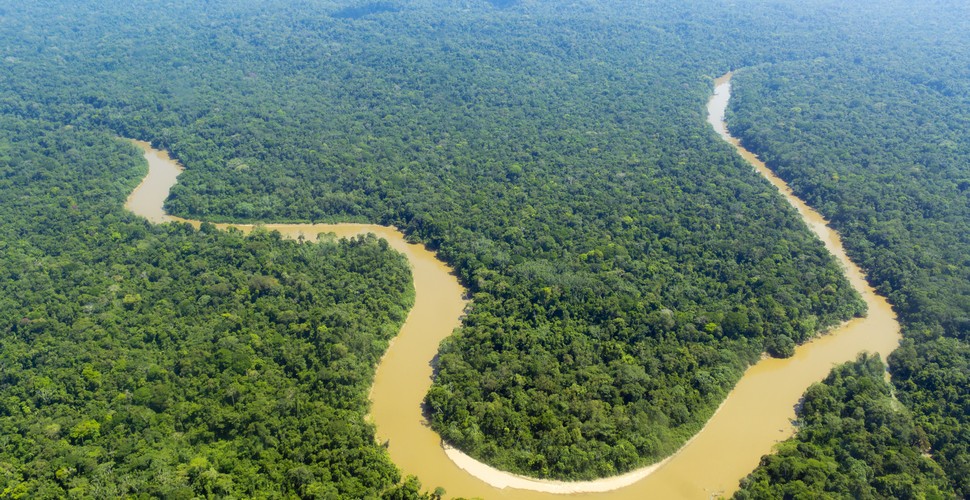
Llanganates National Park
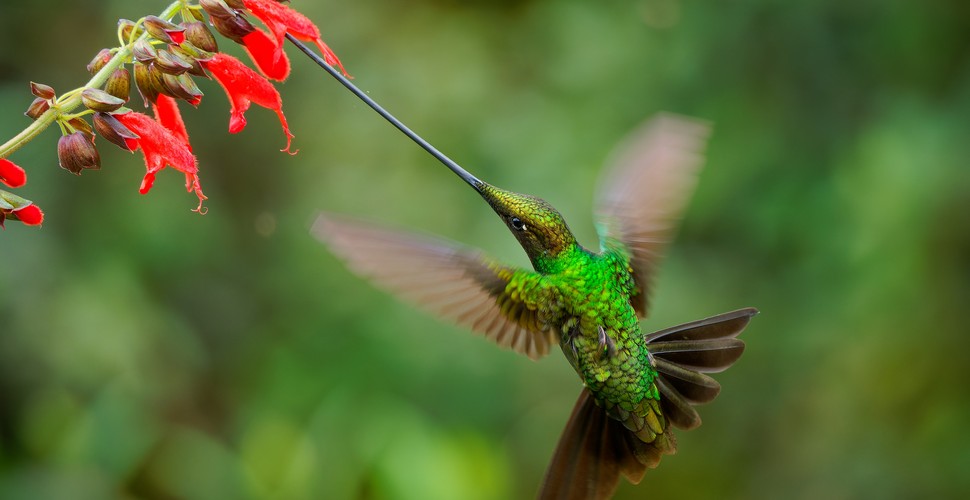
Llanganates was founded as a national park on May 19, 1996. It has thousands of animals and plants and is a natural wildlife refuge. It is described as an unknown and mysterious land. It is located in the provinces of Tungurahua, Cotopaxi, Napo, and Pastaza, but Tungurahua and Napo are the ones that have the most massive part of the park. Llanganates National Park is the home of hundreds of animals and plants. It has deep valleys, rivers, and lots of waterfalls. In the park, you can find pumas, tapirs, weasels, spectacled bears, cervicabra, whitetail deer, wolf, sacha cuy, wild rabbits, night monkeys, and the mouse of Andes. There are more than 300 birds, but the main birds are the condor, partridge, quinde of Chimborazo, puffleg pechodorado, and two hummingbirds. You will also visit a hummingbird sanctuary at Guango along the way to see this incredible bird species up close.
Ecuadorian Amazon Exploration
From local living to jungle trekking, this immersion experience will explain life in the Amazon, and the stillness of the Amazon jungle, cut only by the sounds of what lives and breathes within it. You'll leave with a lifetime of memories about a region incomparable to anywhere else. The small town of Tena buzzes with life and is the central hub for those living further within the jungle's density. Another 45 minutes away, you will meet your local family hosts tucked away in a remote community called Pimilacha. It's precisely this untouched landscape status, filled with half of the world's known species, and so many remains completely uninhabited and unknown, that attracts the more curious visitors who want to peer in and try to understand it.
Immersion Experience
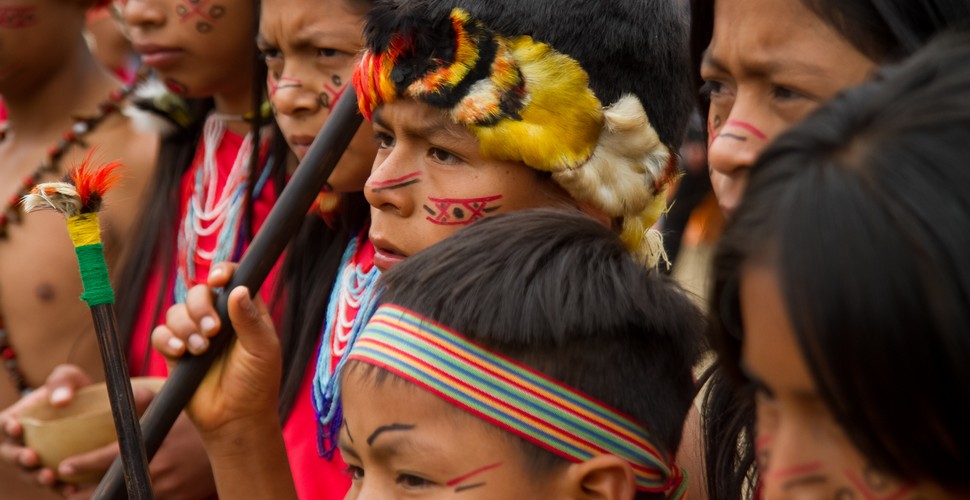
The Amazon Rainforest summons up images of remote tribes. Ecuador has nine indigenous communities that live in the Rainforest and two or three tribes that choose to live in isolation, living as their ancestors did thousands of years ago. This is not our place to disrupt a social hierarchy and remote way of life. In the Ecuadorian Amazon, the community of Pimilacha (meaning butterfly in native Quechua) is small but big on welcoming outsiders to understand the way of life here. There are around 25 families, with two working in the tourism industry to host visitors.
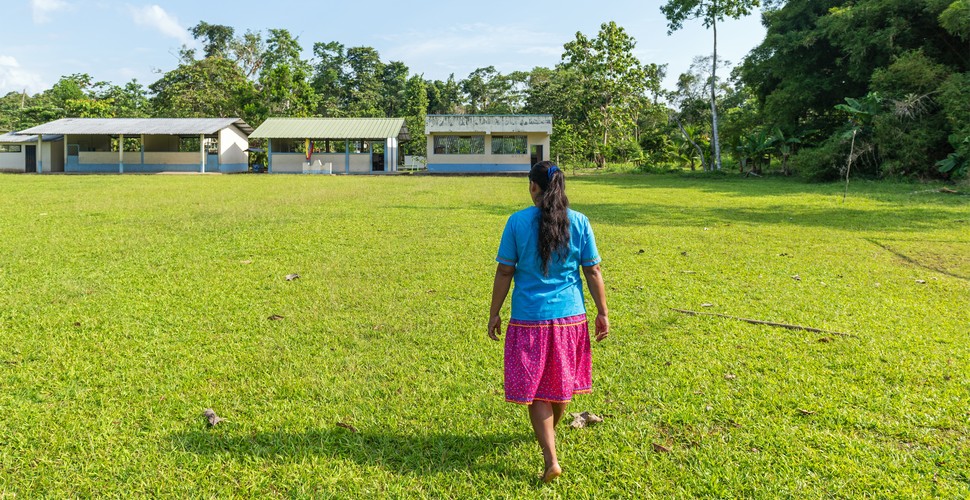
Quechua culture and traditions are kept alive, communities continue to flourish, and travelers are provided with a unique experience at a local level by staying with a native family in a more remote destination. All the good of travel, without the harmful social impact. The family's mother will teach you how to make Chicha, a typical practice where the women chew on yucca before spitting it out, kneading it, and letting it ferment overnight. Surprisingly, the taste of this particular form of natural jungle alcohol isn't so bad, and of course, a non-fermented version is available for visitors. Many of these tribes are deeper within the Amazon, where it would take days for those who live on its fringes to reach them. If you want to experience and learn about the indigenous tribes of the Amazon, you can learn from the locals you live with since core parts of the culture and traditions have been passed on, even if these communities now live differently.
Jungle walks and the education of the surroundings are a daily ritual, with lessons in using a blowgun and coffee and chocolate-making sessions being an added cultural extra. We were even taught how to prepare and cook grubs before daring one another to take this culinary rite of passage. Jungle walks teach you about basic survival, hunting, and the medicinal properties of plants; daily life teaches you about the coexistence with nature and the respect of the Rainforest's other natural inhabitants.
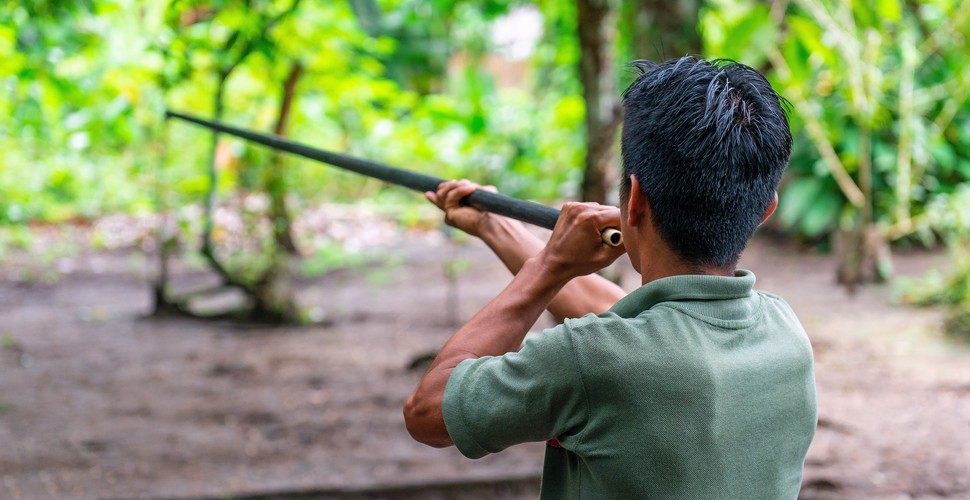
Blowgun Practice and Shamanic Traditions
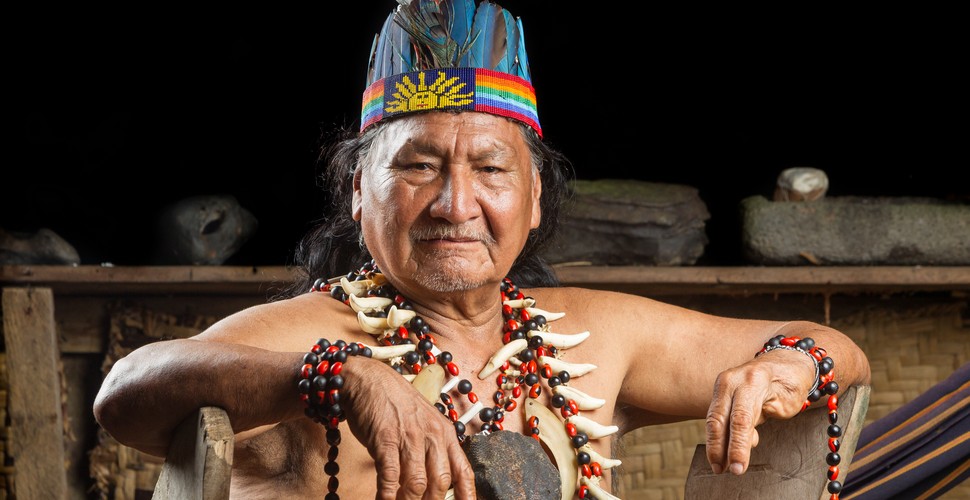
Shamanic culture teaches how humans can harness the power of nature and go back to our basic instincts and tranquillity. You might be lucky to experience the Ecuadorian Amazon Shamanic culture firsthand, learning how they blend medicinal herbs, nature, and their faith in spirits to heal and lead their tribes. If you're interested in this mysterious healing culture, some excursions can take you to traditional villages and participate in this fantastic experience.
Book the Cultural Immersion in The Ecuadorian Amazon tour here!