
Guatemala is a land of profound contrasts, where the echoes of the ancient Mayan civilization meet a vibrant, modern culture. From its towering volcanic peaks and lush, megadiverse jungles to its rich history as the birthplace of chocolate, this Central American gem offers an endless array of wonders for every traveler.
Whether you are exploring the mysterious ruins of Tikal, marveling at the deep blue waters of Lake Atitlan, or discovering the unique traditions that define its people, Guatemala promises an unforgettable adventure. Dive into these fascinating facts and uncover why this "land of the trees" remains one of the world's most captivating destinations.
Guatemala Shares A Land Border With Four Countries
Guatemala is bordered by Mexico (958 km/595 mi) to the north and west, Belize (266 km/165 mi) to the northeast, Honduras (244 km/152 mi) to the east, and El Salvador (199 km/124 mi) to the Southeast.
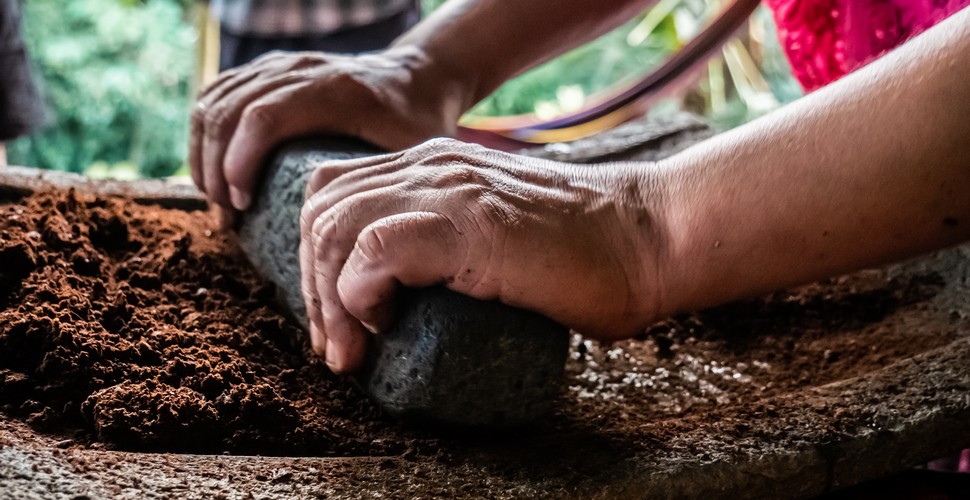
Guatemalans invented the first-ever chocolate bar
The Maya people call chocolate “the food of the Gods”. And they believe that chocolate holds incredible nutritional benefits, like reducing blood pressure. Today, Guatemala is a mass producer and exporter of chocolate products. Some chocolate residue was traced from a vessel in Guatemala from as early as the Mayan times in 460-480 A.D.
Guatemala means ‘land of the trees’
With a population of 18.4 million (as of 2021), Guatemala is the most populous country in Central America and the fifth-largest country in the North American continent. In the Maya-Toltec language, Guatemala means ‘land of the trees’ or ‘place of many trees’.
Guatemala has two coastlines
The Pacific Ocean and an Atlantic Ocean sandwich Guatemala. The Pacific Ocean coastline is the longest of the two. It stretches for around 250km (155 miles) from the western Mexican border through to the eastern border of El Salvador. Along the Pacific coastline, you’ll find popular beach towns, for instance, San José and Monterrico. Its Caribbean sea coastline (a suboceanic basin of the western Atlantic Ocean) zigzags for 151km (94 miles) along the Bay of Amatique and the Gulf of Honduras.
There are 21 dialects spoken in Guatemala
Spanish is the official language of Guatemala and is spoken by 90% of the population. However, there are long-standing Mayan, Xinca, and Garífuna roots too.
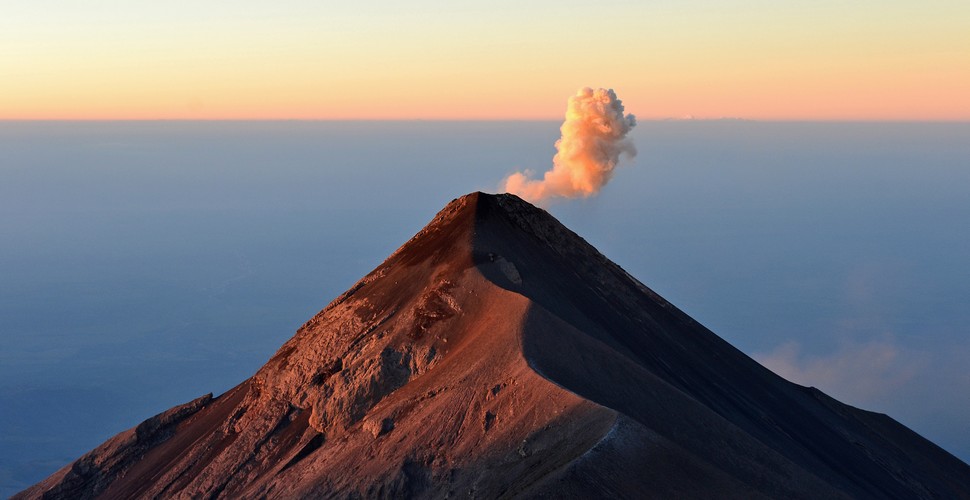
There are more than 30 volcanos in Guatemala
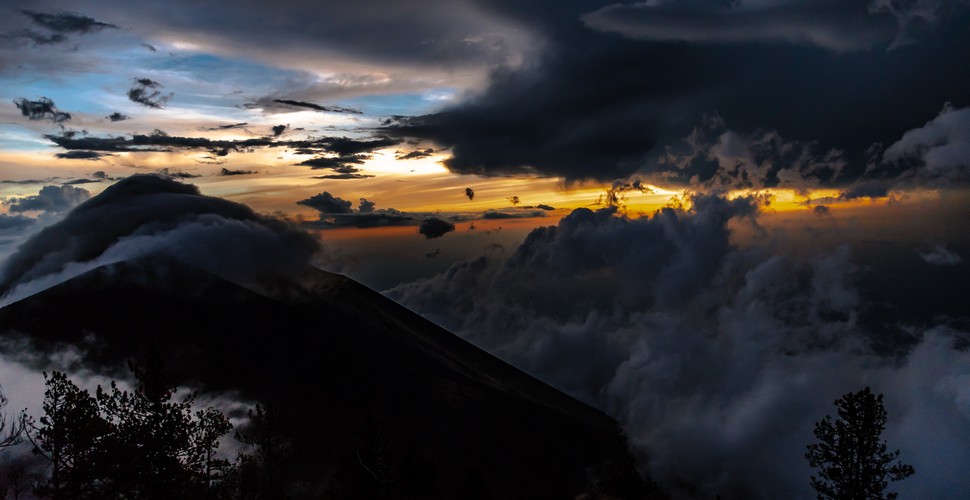
The insane number of volcanos in Guatemala is surely enough to put it on the map. Of these, the most noteworthy volcano is Tajumulco. It’s the highest peak in Central America at a whopping 4,202 meters. And out of over 30 volcanoes, only three are active: Fuego, Pacaya, and Santiaguito.
The quetzal is the national bird of Guatemala
The quetzal is a strikingly colored bird sacred to the ancient Mayas and Aztecs. Quetzals are iridescent green or golden-green birds with red bellies and long tails. The quetzal lives from southern Mexico to Bolivia and is the national symbol of Guatemala. You’ll find the image of this bird on the country’s flag and coat of arms. It is also the name of the country’s currency, the Guatemalan quetzal.
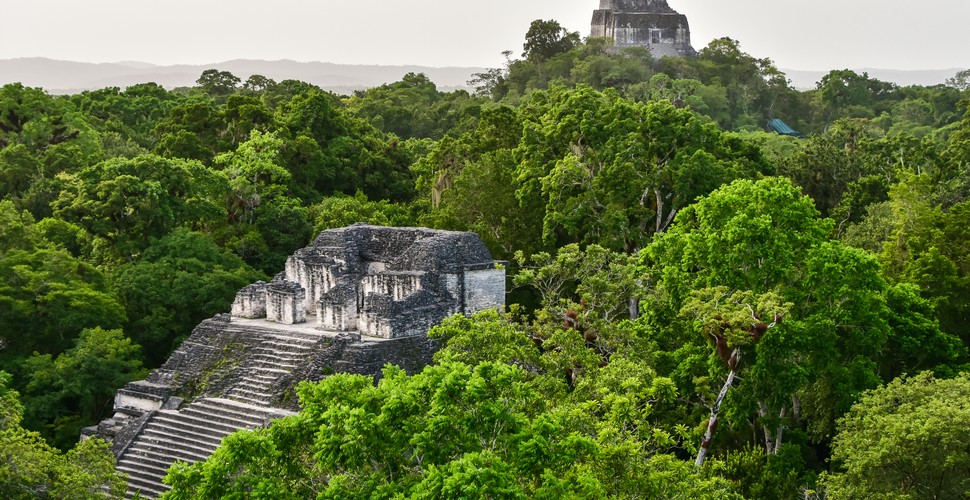
Tikal National Park is the first mixed UNESCO World Heritage Site
Tikal National Park has earned its title as the first mixed UNESCO World Heritage Site for its cultural and natural wonders. Tikal’s Mayan ruins are embedded in the jungle. From a distance you can spot them pop out of the rich green canopy – it’s breathtaking.
Coffee is Guatemala's biggest export business
Coffee is big in Guatemala. Like, really big. By 1880, coffee accounted for 90% of Guatemala’s exports, and even today, it’s one of their main exports and sources of income for the country.
Guatemala is a megadiverse country
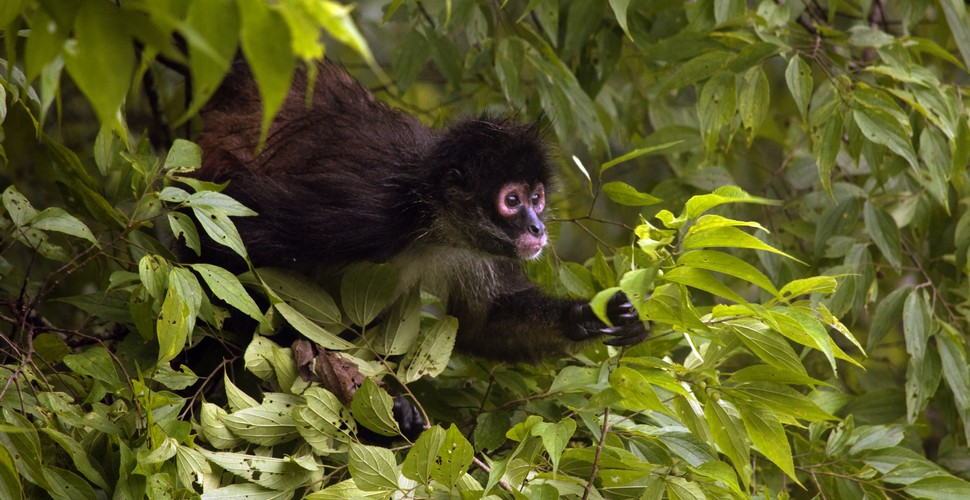
According to Conservation International, Guatemala is one of 17 megadiverse countries in the world. These countries house the largest indices of biodiversity, including a large number of endemic species. This makes Guatemala one of the greatest countries for animal and wildlife lovers. In fact, it is the second-highest-ranking country in Central America in terms of eco-regional diversity and the total number of species of mammals, reptiles, amphibians, birds, and plants.
Guatemala’s Lake Atitlan is the deepest lake in Central America
Just as deep as it is beautiful! Only 4 hours away from Antigua, it’s a fantastic spot for enthusiastic photographers to capture some of the best volcano views.
Guatemalans fly kites to honor their dead
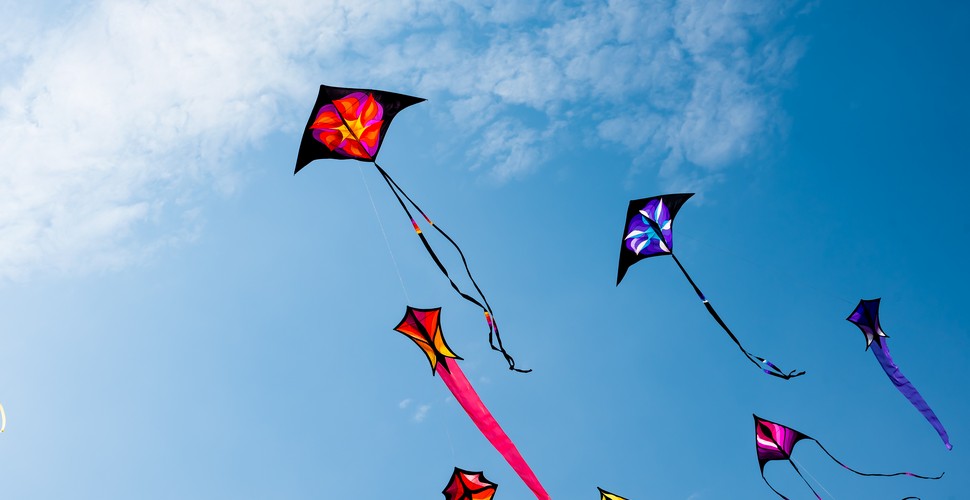
All Saints Day Kite Festival is Guatemala’s way of honoring their dead. Every year on November 1st, Guatemalans partake in this ritual that has been around for more than 3000 years. People flock down to the cemeteries to clean and decorate the graves of their loved ones. Then, Guatemalans fly massive and intricately-decorated kites high in the sky.
Guatemalan Currency
The currency of Guatemala is the Guatemalan Quetzal which is named after the stunning Quetzal bird. In ancient Mayan times, the feathers of this bird were actually used as currency.
Clean Air
The country has the second-largest concentration of Ozone. Ozone is a gas that is available both in the Earth’s upper atmosphere (stratosphere) and at ground level (troposphere).
Traditional Dances
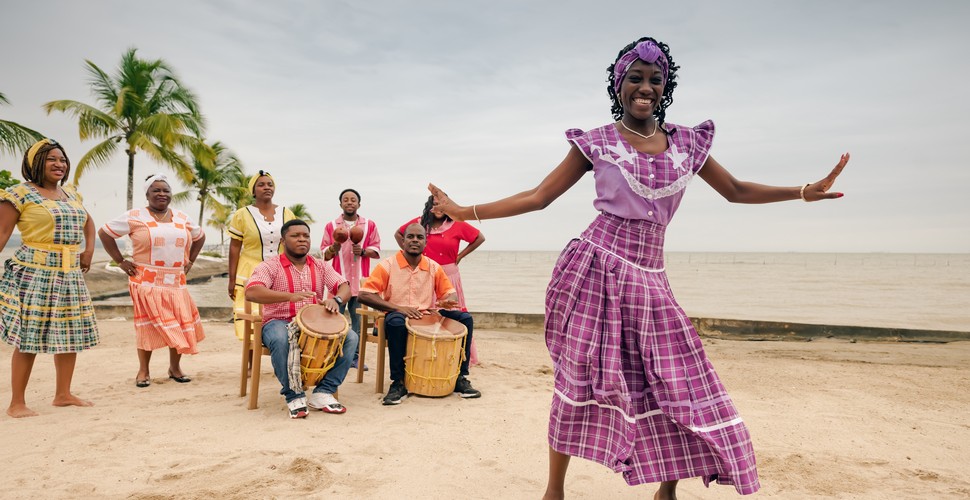
Guatemala is famous for its traditional dances. Performed at fiestas in honor of the local saint, these dances are musical dramas that recall historical events through the use of masks and costumes. While the dance of conquest evokes the victory of the Spanish over the Amerindians, the deer dance represents the struggle between humans and animals.
Denim-tastic
One interesting fact about Guatemala is that Blue denim originally comes from the country!
Guatemala Is Home to The Highest Mountain In Central America
Guatemala is a largely mountainous country, except for the south coastal area and the vast northern lowlands of the Petén department. About 60% of the country’s terrain is mountainous. Volcán Tajumulco is a large stratovolcano in southwestern Guatemala. It is the highest mountain in the country and in Central America at 4,220 meters (13,845 ft) above sea level.
Miguel Ángel Asturias Rosales is a Guatemalan who won a Nobel Prize
Born on October 19, 1899, Rosales was a journalist, novelist, poet-diplomat, and playwright. He passed away on June 9, 1974.
Belize was once a part of Guatemala
It was gifted to Britain who then promised some highways in return. But the said highways were never built.
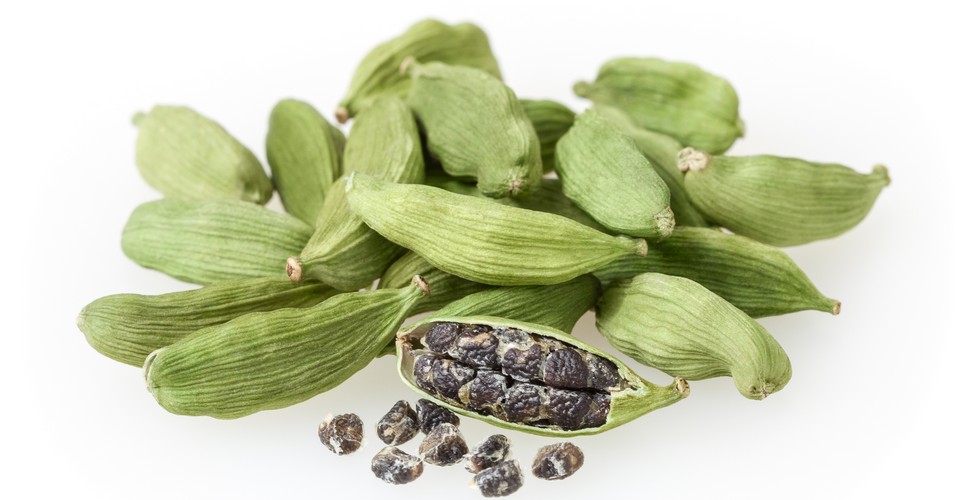
Guatemala Is The Biggest Producer And Exporter Of Cardamon In The World
Producing over 50% of the world’s cardamom, Guatemala is also the leading exporter of the spice.
Precious Gems
The country is the world’s leading producer of Jade.
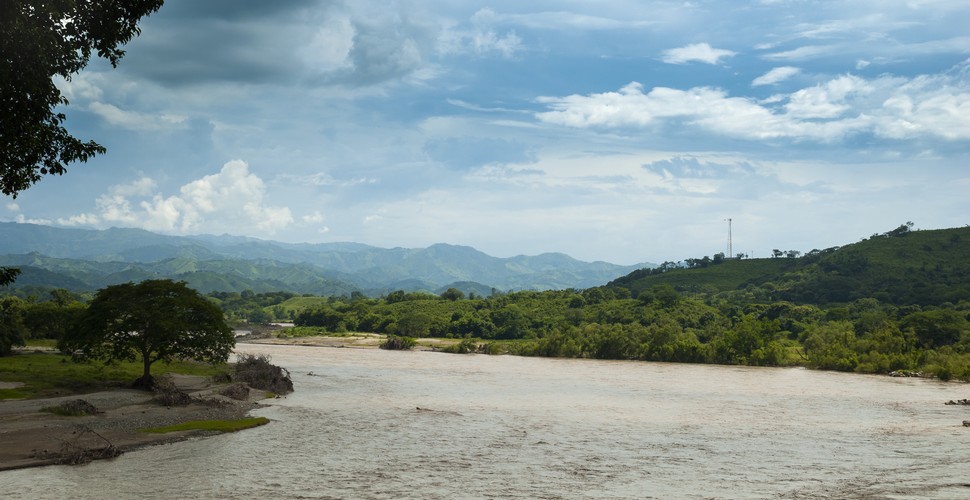
The longest river in Guatemala is the Motagua River
The Motagua River stretches to around 250 miles. Aside from its record-breaking length, it also serves as a major transportation mode for local products to be raised in the valleys of the eastern region. Among the produce that moves up and down the waterways are coffee and bananas.
Guatemala Has Won Only One Olympic Medal
Although Guatemala first participated in the Summer Olympic Games in 1952, the nation has won only one Olympic medal so far. The country’s sole Olympic medal came during the 2012 Summer Olympics when racewalker Erick Barrondo won silver in the men’s 20 km walk.
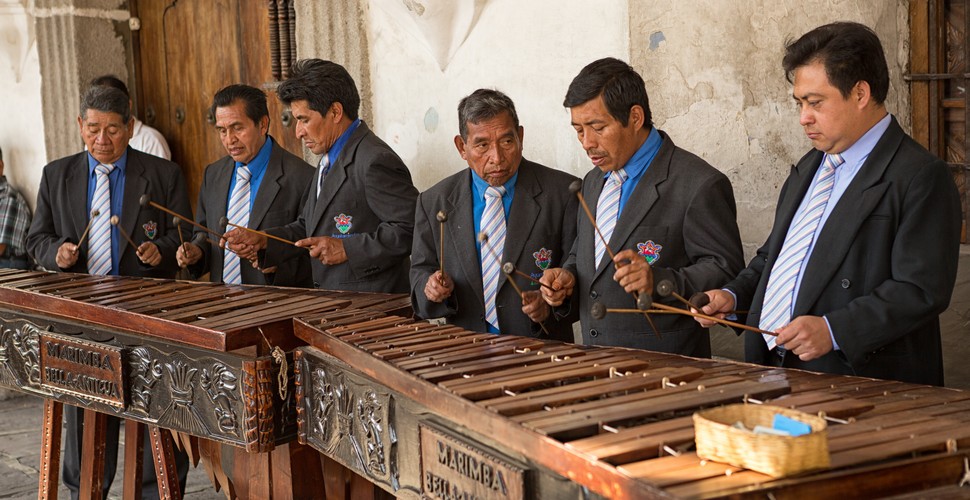
The National Instrument Of Guatemala Is The Marimba
The marimba is a percussion instrument consisting of a set of wooden bars struck with yarn or rubber mallets to produce musical tones. Resembling a big xylophone, it has a special significance for the Mayan community in Guatemala.