
The monarch butterfly (Danaus plexippus) is one of nature's most fascinating creatures, embarking every year on an epic migration across North America to the high-altitude oyamel fir forests of central Mexico. This extraordinary phenomenon transforms mountain sanctuaries into a vibrant sea of orange and black, drawing nature enthusiasts from around the globe.
Explore an immersive 7-day wildlife journey through Mexico's Monarch Butterfly Biosphere Reserve and Valle de Bravo, discovering their miraculous four-stage metamorphosis, the mysterious Methuselah generation, and vital conservation efforts to protect their delicate habitat.
The monarch butterfly (Danaus plexippus) is one of nature's most fascinating creatures. Every year, these delightful insects embark on an epic journey spanning thousands of km from their breeding grounds in North America and Canada to their overwintering sites in Mexico. This phenomenon, known as the monarch butterfly migration, has captivated scientists and nature enthusiasts alike for centuries. For nature enthusiasts and travelers, a monarch butterfly tour in Mexico offers the unique opportunity to witness this awe-inspiring spectacle up close and personal. Your journey will be a lot easier than that of these magnificent creatures, as you explore this natural event with us at this UNESCO World Heritage Site.
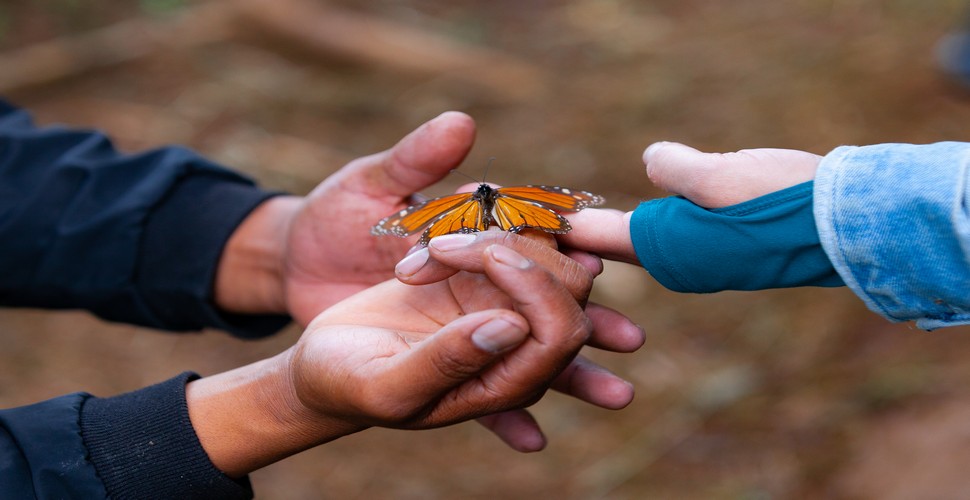
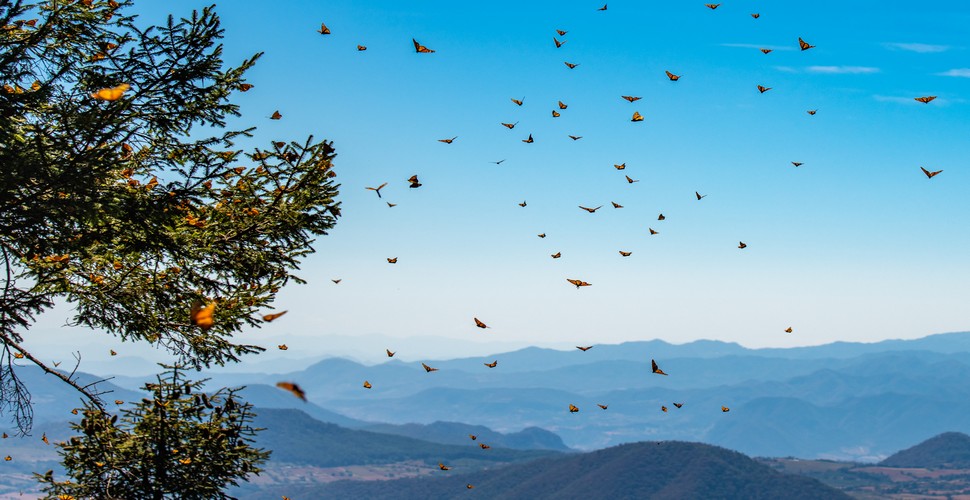
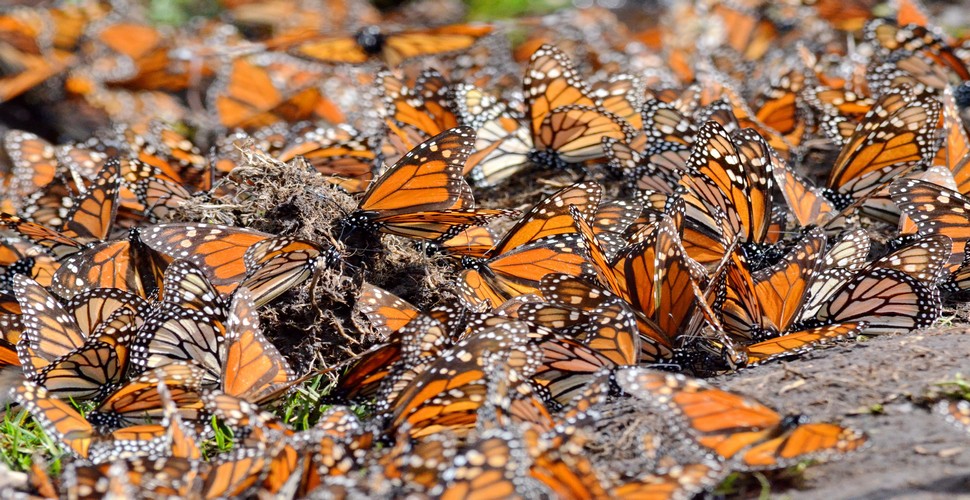
You will have the chance to witness an astonishing sea of orange and black as countless butterflies cluster together on the trees. The sight and sound of millions of butterflies fluttering their wings are simply breathtaking and create an unforgettable experience for any nature lover. Here we delve into the awe-inspiring yearly migration of monarch butterflies, their lifecycle, and what you can expect on this fascinating 7-day trip to Mexico, to witness for yourself this fascinating and unique phenomenon.
The Life Cycle of Monarch Butterflies
Before we delve into their migration, it's essential to understand the life cycle of monarch butterflies. Monarchs undergo complete metamorphosis, which means they go through four distinct stages: egg, larva (caterpillar), pupa (chrysalis), and adult (butterfly).
Egg: The journey begins when a female monarch butterfly lays her eggs on milkweed plants, the only host plant for monarch caterpillars. Each egg is tiny, about the size of a pinhead, and is typically laid on the underside of milkweed leaves.
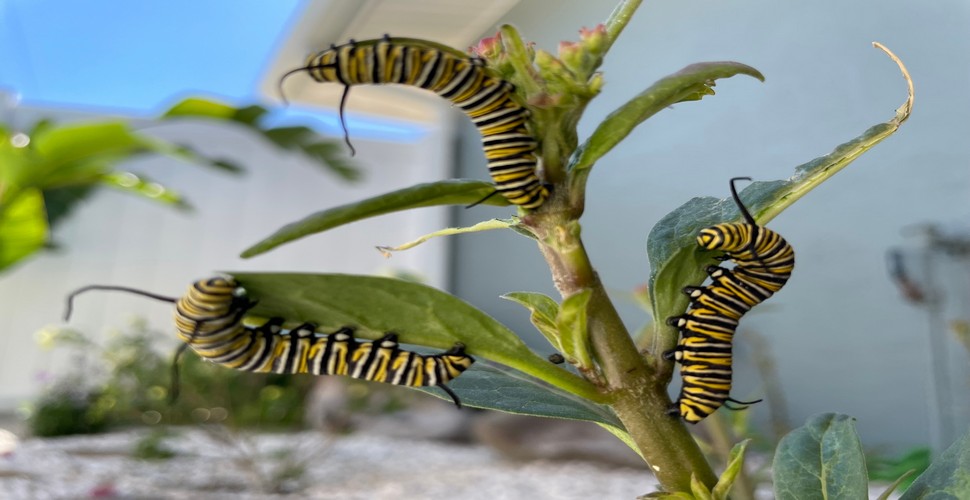
Larva (Caterpillar): Once the egg hatches, a tiny caterpillar emerges, beginning its voracious appetite for milkweed. The caterpillar goes through five instars, growing larger with each molt.
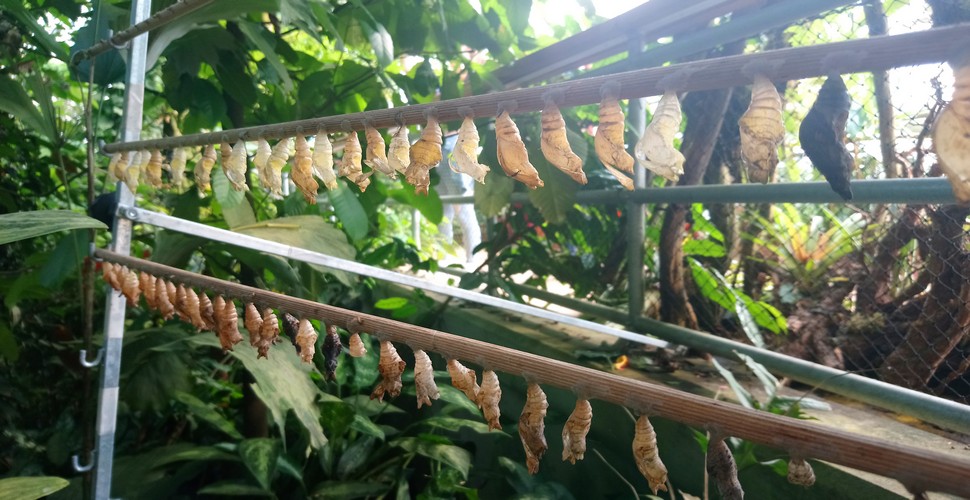
Pupa (Chrysalis): When the caterpillar reaches its final instar, it forms a chrysalis, inside which it undergoes a miraculous transformation. Within the chrysalis, the caterpillar's tissues break down and reorganize, eventually giving rise to the adult butterfly.
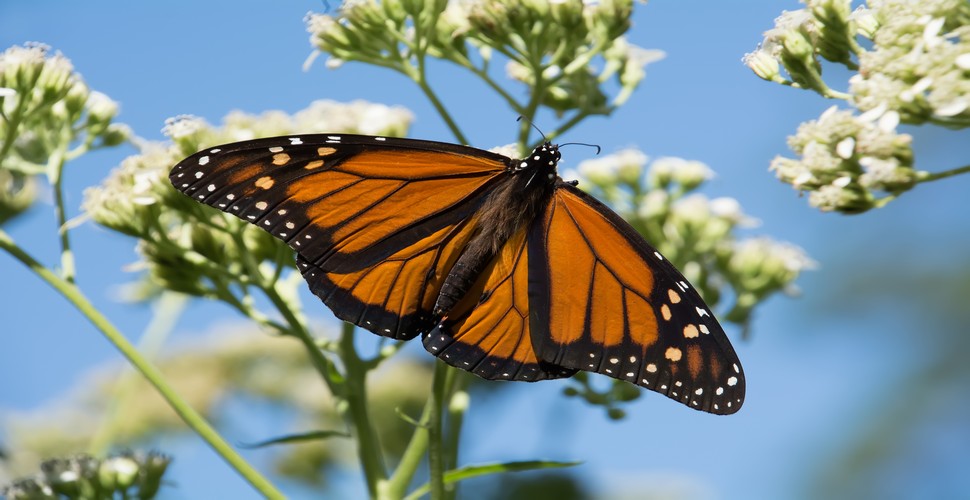
Adult: After spending around two weeks in the chrysalis, an adult monarch butterfly emerges. These magnificent insects showcase their iconic orange wings adorned with black veins and white spots.
The Migration Phenomenon
Each spring, as temperatures rise, monarch butterflies from their overwintering sites in Mexico set out on a journey north. These butterflies belong to a super-generation, meaning they have a significantly extended lifespan compared to the summer generations. As they fly north, they reproduce and die along the way, with subsequent generations continuing the journey. Once the monarchs reach their northern breeding grounds, they lay eggs on milkweed plants. The subsequent generations of monarchs continue this cycle throughout the summer, resulting in multiple overlapping generations. As autumn approaches and temperatures drop, a unique generation of monarchs, known as the "Methuselah generation," emerges. This generation is born with an innate response to photoperiod and environmental cues, triggering their southward migration.
Mexico and The Monarch
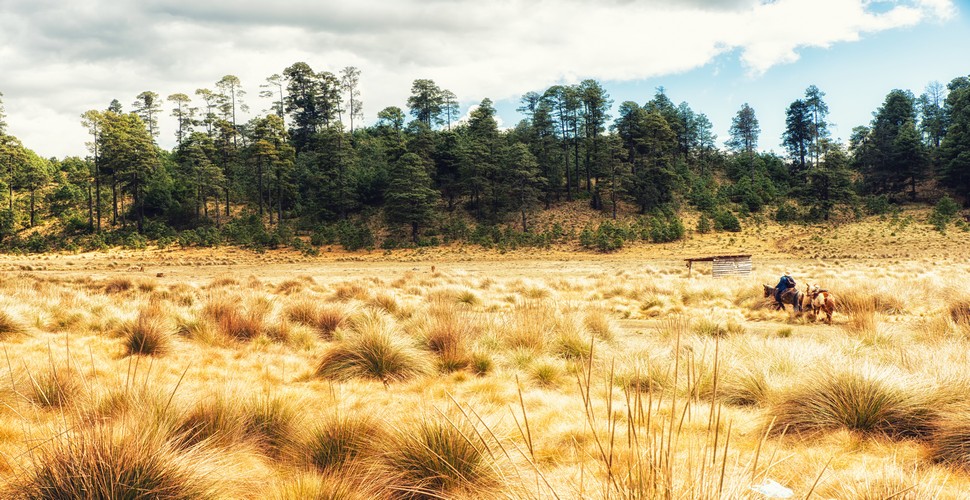
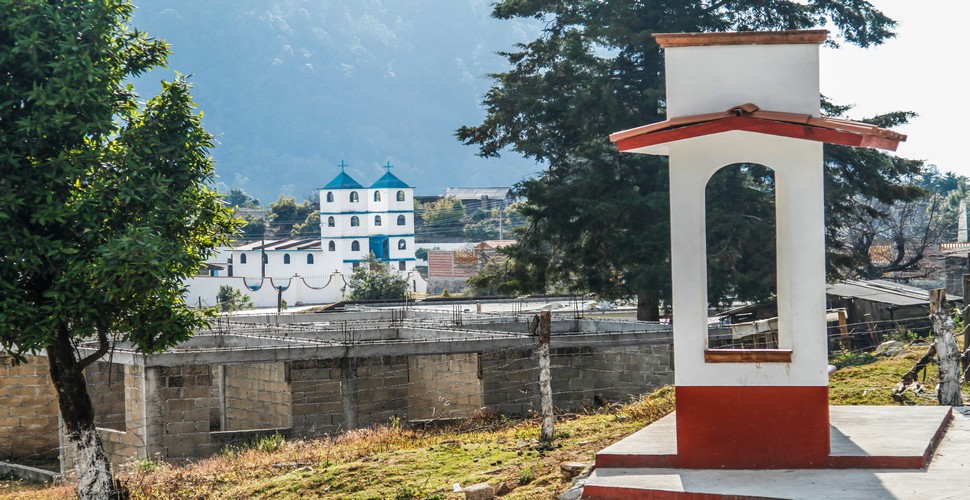
The monarch butterflies that embark on the southward migration journey are not the same ones that began the northward migration. It's the descendants of those that undertake the final leg of the journey. These butterflies, originating from Canada and the United States, converge in vast numbers to the oyamel fir forests in the mountainous regions of central Mexico. This unique phenomenon creates a breathtaking spectacle, as millions of monarchs blanket the trees and transform the forest into a vibrant sea of orange and black. Valle de Bravo is a charming and picturesque town nestled in the heart of the State of Mexico, approximately 156 kilometers southwest of Mexico City. Renowned for its stunning natural beauty, the town is perched on the shores of Lake Avándaro, surrounded by lush pine-covered hills and mountains. This is one of the best places in the world to witness the Monarch Butterfly migration.
Environmental Factors
The migration of monarch butterflies to the Mexican mountains is a delicate balance dependent on several environmental factors. Climate, temperature, and the availability of milkweed and nectar plants along the migration route play crucial roles in the survival of these butterflies. Unfortunately, the monarch butterfly population has been facing numerous challenges in recent decades. Habitat loss due to deforestation, agriculture, and urbanization has significantly reduced the availability of milkweed, disrupting the monarch's breeding cycle. Additionally, climate change and extreme weather events can adversely impact their migration patterns and overwintering sites. Sanctuaries such as El Capulín offer you the opportunity to see the largest and most beautiful plain in the Monarch region called Los Tres Gobernadores, and due to the position of the access and the hibernation colonies, it is possible to observe an impressive transition of the vegetation that is attractive for those who like nature. In addition to the mesmerizing butterfly spectacle, the Santuario Capulín offers visitors the chance to immerse themselves in the beauty of the surrounding natural environment. The area is rich in flora and fauna, making it a great spot for nature lovers and photographers.
Conservation Efforts
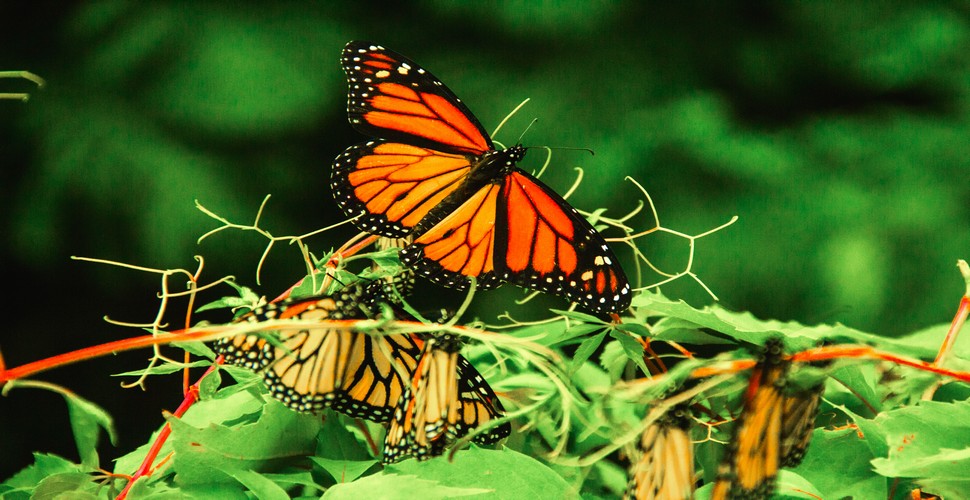
Recognizing the critical importance of preserving the monarch butterfly migration, various conservation efforts have been initiated. These efforts involve planting milkweed and nectar plants, establishing butterfly reserves, and raising awareness about the monarch's conservation status. On this 7-day trip, you will visit a unique local farm that reproduces Monarch butterflies and keeps learning from this impressive species and how you can help protect them. The primary goal of the farm is to protect the Monarch butterflies and their habitat. To achieve this, the farm may collaborate with local environmental organizations, governmental bodies, and researchers to implement conservation initiatives. The farm creates a butterfly-friendly environment by cultivating nectar-rich plants and host plants that cater to the butterflies' needs. These plants serve as essential food sources and breeding grounds for the Monarch butterflies. The farm plays a role in educating visitors, tourists, and local communities about the importance of Monarch butterfly conservation in Mexico.
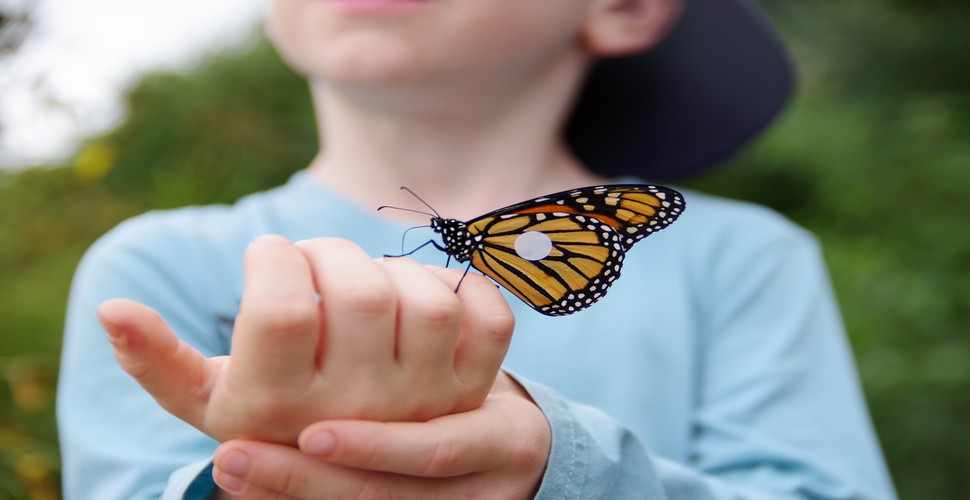
The yearly migration of monarch butterflies to Mexico is a breathtaking natural spectacle, showcasing the marvels of nature's resilience and interconnectedness. From their humble beginnings as tiny eggs on milkweed leaves to their awe-inspiring overwintering gatherings in the mountains of Mexico, monarch butterflies remind us of the importance of preserving and protecting these delicate creatures and their habitats. Join us on this 7-day tour and discover the beauty of butterflies for yourself. The sight and sound of millions of butterflies fluttering their wings are simply breathtaking and create an unforgettable experience for any nature lover. Find out more here!