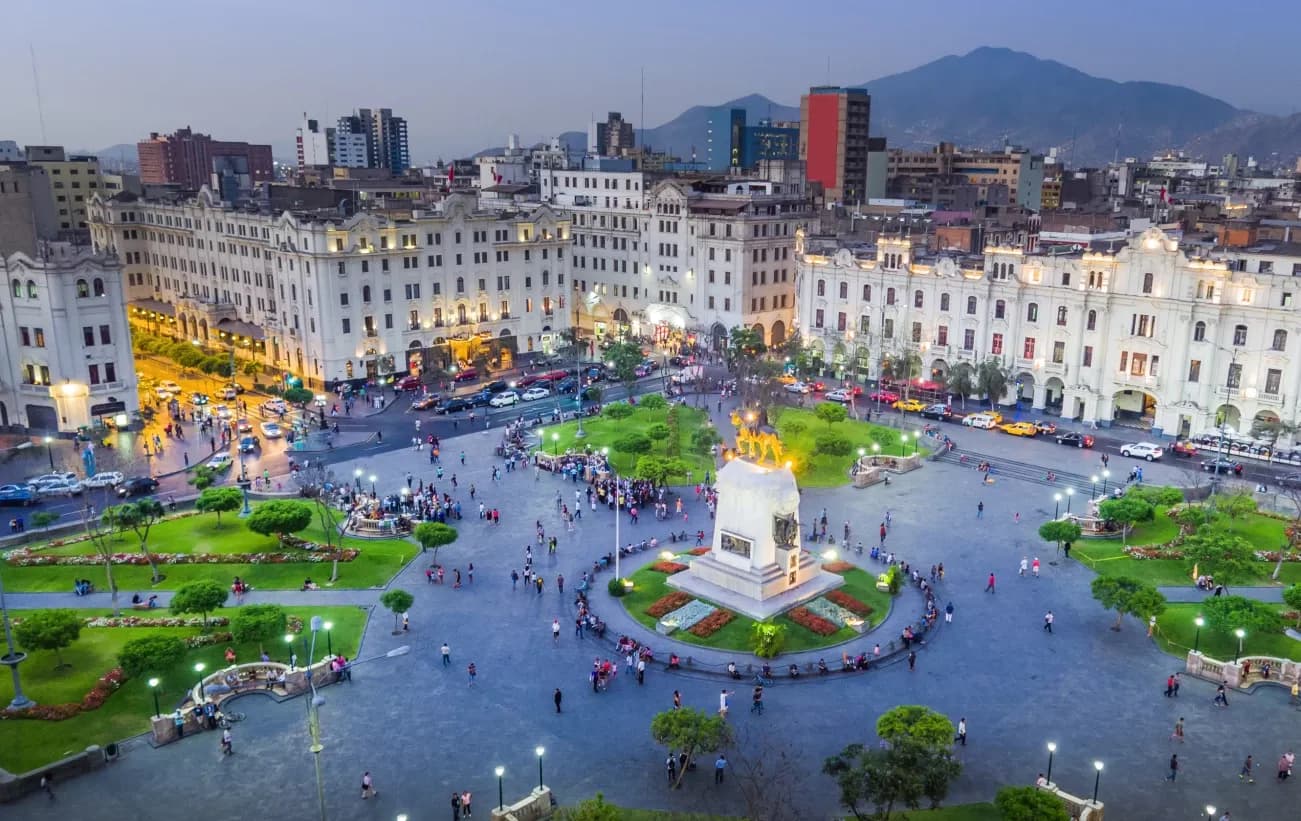
Lima is often treated as a place to land, sleep, and leave for Cusco. For many first-time visitors, that is a missed opportunity. The capital sits on a desert cliff above the Pacific, and its neighborhoods hold a Spanish colonial center, adobe pyramids that predate the Inca, the Larco Museum’s ceramics and gold, and one of Latin America’s best-known dining scenes.
This guide is written for first-time travelers from the US, including couples, families, and travelers over 50, who are weighing one to three days in Lima before or after a Peru journey. It covers 15 attractions grouped by neighborhood, with realistic transfer notes, three sample day routes, and a planning section. Lima traffic is heavy and distances on a map can mislead, so do not expect to see everything in one easy day.
In this guide
- How we chose these attractions
- Historic Center and Central Lima
- Pueblo Libre
- Miraflores
- Barranco
- Beyond the Core
- Planning Your Lima Visit
- Three Realistic Day Routes
- Final Thoughts
- Frequently Asked Questions
- Sources and official links
How we chose these attractions
We included places that offer something distinct, whether cultural, historical, or experiential, that fit into a practical route, and that we could confirm are open to the public. We left out sites that function mainly as shopping or dining stops. Larcomar, the clifftop mall in Miraflores, is a convenient place for a meal with ocean views, but we do not count it as an attraction. We also removed venues that official or traveler sources listed as closed. Hours, ticket rules, and prices change, so confirm each one before you go.
This is a selection based on what suits a first visit, not a ranking by any official measure.
Historic Center and Central Lima
1. Historic Centre of Lima
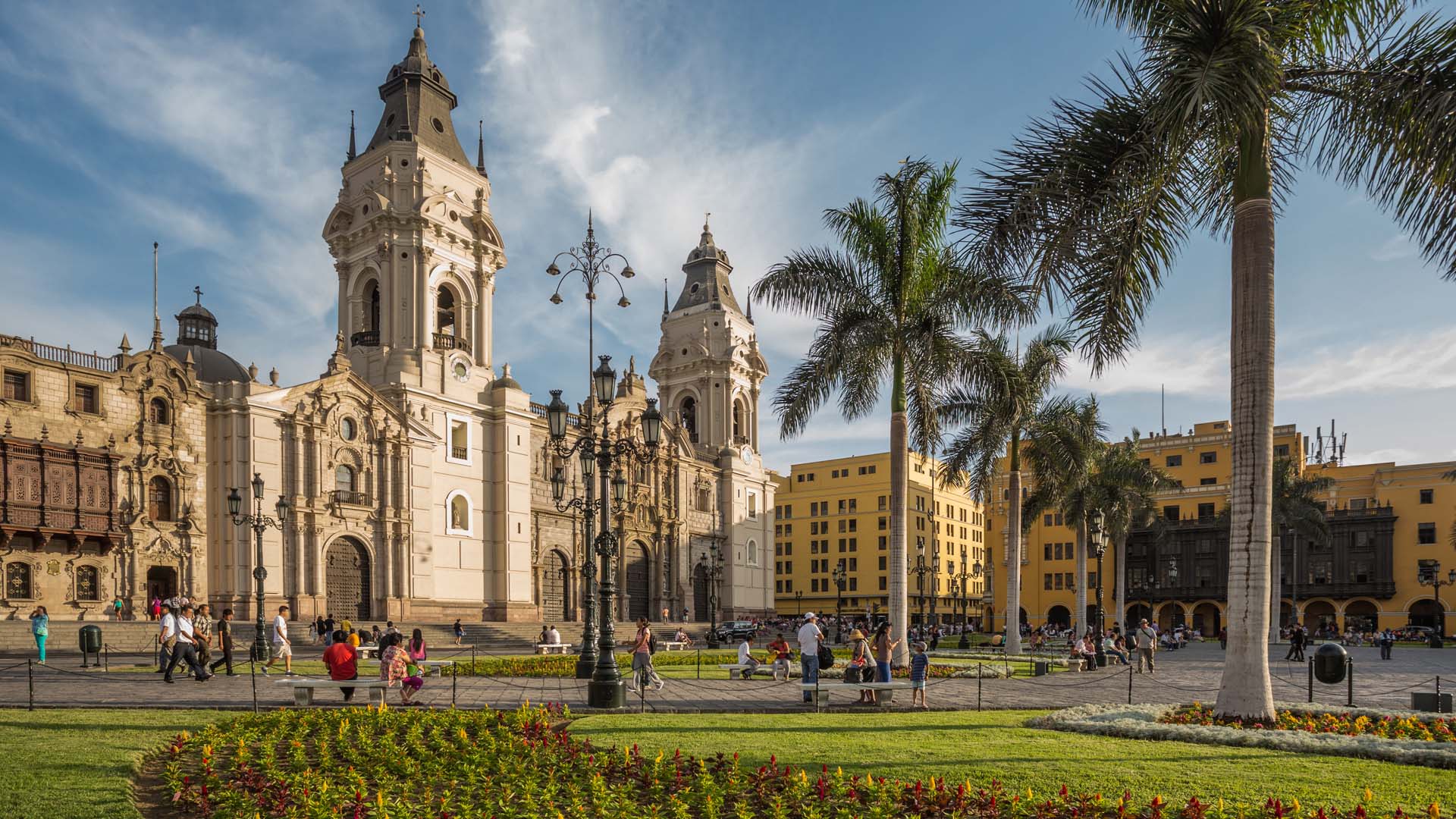
Lima’s historic center is a UNESCO World Heritage Site, and the San Francisco monastery was included in a later extension of the listing. It grew from the city Francisco Pizarro founded in 1535 and is known for carved wooden balconies, churches, and colonial mansions around the main plaza. You can walk it independently, but a licensed guide adds context on the architecture and history.
Practical notes: Visit in the morning and in daylight, keep valuables out of sight, and arrange a driver for the transfer instead of navigating traffic yourself. Sidewalks can be uneven and crowded near the plaza. Travelers over 50 or with limited mobility should plan short walking periods and rest stops. A private guide can be arranged through your operator.
2. Plaza Mayor (Plaza de Armas)
The plaza is the natural starting point. The Government Palace, the Cathedral of Lima, and the Archbishop’s Palace face the square, and a bronze fountain stands at its center. The Cathedral contains a tomb traditionally associated with Pizarro.
Practical notes: Cathedral visiting hours change, and areas near the Government Palace can be restricted during civic events or for security reasons. Do not plan around a changing-of-the-guard ceremony or interior access without checking the current schedule for your date. A practical order is the plaza, then the Cathedral if it is open, then a short walk (roughly 10 to 15 minutes) to the San Francisco complex.
3. Basilica and Convent of San Francisco
This 17th-century complex is known for its yellow façade, its colonial library, and its catacombs, where the remains of many thousands of people were interred before the city built public cemeteries.
Practical notes: Visits are by guided tour, so confirm current hours, ticket requirements, and photography rules with the operator. The catacombs involve stairs, low light, and narrow enclosed passages, which may not suit travelers with limited mobility or claustrophobia. Ask whether the church and cloisters can be visited without the underground section.
4. Museo de Arte de Lima (MALI)
MALI occupies the Exposition Palace in Parque de la Exposición. Its collection spans Peruvian art from pre-Columbian textiles and ceramics through the colonial period to modern work, which makes it a useful midday or rainy-day option.
Practical notes: MALI is near central Lima but outside the UNESCO historic center, so treat it as a separate stop reached by a short drive or taxi ride, not part of a walking loop from the plaza. Check current exhibitions, days and hours, any temporary closures, and whether English-language visits are available on the official site.
Pueblo Libre
5. Larco Museum
The Larco Museum is often named among Peru’s best. It is housed in an 18th-century building on an older pre-Columbian structure, and its collection of ceramics, gold, and textiles is laid out clearly in English and Spanish. The gardens suit a relaxed lunch or an early evening visit.
Practical notes: The museum is at Av. Simón Bolívar 1515 in Pueblo Libre. Allow about two to three hours. One gallery of erotic pottery is meant for adults, so ask about it if you travel with children. Confirm hours and whether a guided visit can be arranged through the museum or your operator, and allow generous time for traffic between districts.
6. Museo Nacional de Arqueología, Antropología e Historia del Perú
Peru’s long-standing national museum of archaeology and history is in a former viceregal residence on Plaza Bolívar in Pueblo Libre. It is tied to the story of the country’s pre-Columbian cultures and its path to independence.
Practical notes: Check before you go. The Ministry of Culture’s official listing notes a major renovation, with the Independence gallery accessible at the Quinta de los Libertadores, and the hours and fees on official pages have not always matched. Confirm exactly which permanent galleries are open on your travel date, and do not plan around seeing the full collection. If few galleries are open, give your time to the Larco Museum instead.
Miraflores
7. Huaca Pucllana
This adobe-and-clay pyramid stands in the middle of a residential neighborhood on Calle General Borgoño. It was built by the Lima culture roughly between the 3rd and 7th centuries CE, and it is a good first stop for understanding Lima’s pre-Inca past.
Practical notes: Visits are by guided tour, usually about an hour, and the site is exposed to sun and wind with some uneven paths and steps. Confirm the current site hours and whether evening access is available. A restaurant operates on the grounds with views of the pyramid, but do not assume a dinner reservation and a site tour can be combined on the same evening; check both separately.
8. Malecón de Miraflores and Parque del Amor
A clifftop path runs for miles along the coast, with parks, sculptures, and viewpoints. Parque del Amor sits on the route and is known for its large sculpture of an embracing couple and its mosaic benches inspired by Gaudí. The Pacific looks dramatic from here, but the water below is cold and the beaches are mostly pebbly, so this is a place for walking, not swimming.
Practical notes: The path is largely flat and well suited to a gentle stroll for couples, families, and travelers over 50. Sunset is popular, so arrive a little early. You may see paragliders launching from the cliffs; if you want to try it yourself, use a licensed, insured operator, which is a separate arrangement from a standard sightseeing day. Combine this with Parque Kennedy for an easy half-day on foot.
9. Parque Kennedy
The central park of Miraflores is lively day and night, with craft stalls, street performers, and cats that are a familiar sight in the park. It is surrounded by cafés and restaurants, and it works well as the center of an on-foot Miraflores walk.
Practical notes: Evenings can be crowded, with vendors approaching visitors. If you want a meal with ocean views, Larcomar, the clifftop complex nearby, is convenient, though prices are generally higher than elsewhere in the neighborhood.
Barranco
10. Barranco District and the Bridge of Sighs
Barranco is Lima’s artistic quarter, with colorful houses, early-20th-century architecture, street art, small galleries, and restaurants. It is best explored as a slow neighborhood walk. The Bridge of Sighs, a short wooden bridge, is its best-known landmark, and a path from it leads toward the sea. A local tradition says you should hold your breath while crossing it; treat that as a custom, not a fact.
Practical notes: Streets are sloped and some surfaces are uneven. A guided route that focuses on art, architecture, and local food gives a very different experience from the area’s nightlife, which can be loud, so choose lodging with that in mind. After dark, use a licensed taxi or a ride-hailing app.
11. Museo Pedro de Osma
This museum occupies an early-20th-century mansion in Barranco and houses a significant collection of viceregal-era art, including paintings, furniture, and silverware, with gardens around the house. It is a strong choice if you want to understand Peru’s colonial art and Catholic traditions.
Practical notes: The museum is at Av. Pedro de Osma 421. Published hours are generally Tuesday through Sunday, but confirm them and the current ticket price on the official site, since both change. Barranco also has a contemporary-art museum, MAC Lima, which is worth checking if you prefer modern work. We removed the Mario Testino museum (MATE) from this guide because some traveler listings show it as permanently closed and we could not confirm that it is open to visitors.
Beyond the Core
12. Pachacámac Archaeological Sanctuary
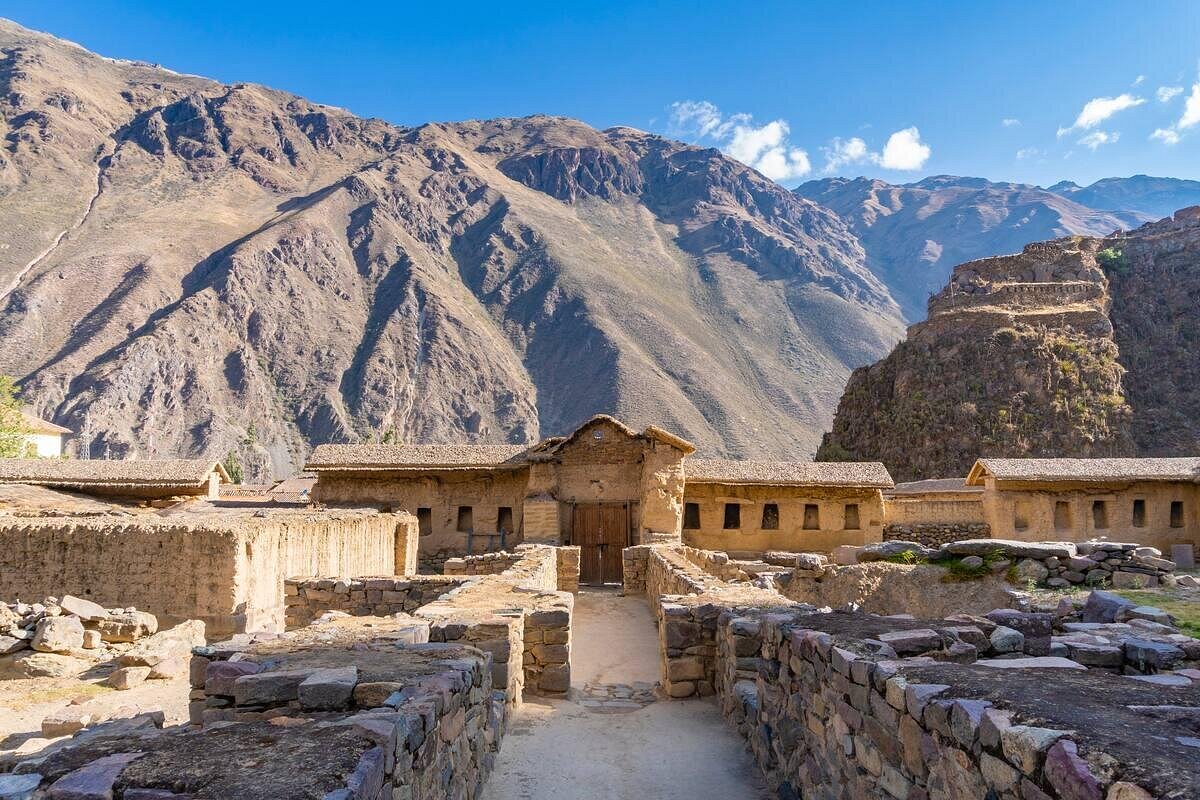
About 30 kilometers south of central Lima, in the Lurín district, Pachacámac was a major religious center on the coast for many centuries, with later use by the Wari and the Inca. Pyramids, temples, and plazas spread across a desert plain toward the ocean.
Practical notes: Treat this as a half-day outing, not a quick add-on. Depending on traffic, the drive from Miraflores can take well over an hour each way. Confirm the open visitor zones, site museum access, current hours and tickets, and the official guide policy. There is little shade, so bring sun protection, water, and sturdy shoes, and arrange a private vehicle. The new national museum (MUNA) is near the sanctuary, but the Ministry of Culture’s current listing shows it as temporarily closed, so do not plan to pair it with Pachacámac unless it has reopened.
13. Huaca Huallamarca and El Olivar
In the San Isidro district, another adobe pyramid, Huaca Huallamarca, sits among modern apartment blocks, with a small site museum. Nearby, El Olivar is a park of olive trees that date back centuries. Together they make a calm, short outing.
Practical notes: The Ministry of Culture’s listing shows the site museum as open, with limited weekdays, so confirm live hours and fees before you go and do not assume daily admission. The archaeological site and the museum are separate experiences. San Isidro is a short drive from Miraflores, and a private transfer keeps the route simple.
14. Circuito Mágico del Agua (Magic Water Circuit)
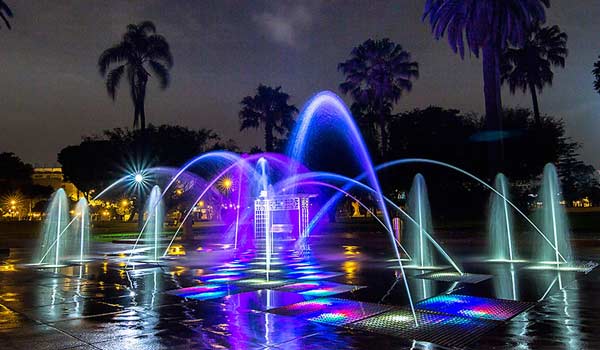
This park of illuminated fountains in Parque de la Reserva is a long-running evening favorite, with lights, music, and interactive areas that work well for families.
Practical notes: It is a short outing and a complement to a cultural day, not a substitute for it. Confirm the show schedule, prices, accessibility options, and weather before you go, and arrange a safe return transfer after dark.
15. Callao and the Real Felipe Fortress
Lima’s port district, Callao, has an 18th-century Spanish fortress built to defend the harbor, along with sea views and a museum. It is of interest to history lovers who already have the main sights covered.
Practical notes: Conditions in Callao vary by street and time of day, so visit only on a pre-planned route with a trusted guide and driver, and confirm the fortress’s opening status and any local advisories for your date. If you want a calmer seaside afternoon, ask your operator about alternatives such as the nearby district of La Punta.
Planning Your Lima Visit
Quick comparison by area
Transfer times are rough estimates from Miraflores and vary widely with traffic, time of day, and route. Never plan a tight connection around them.
|
Area |
Best for |
Allow |
Approx. transfer from Miraflores |
Mobility and traffic notes |
|
Historic Center and central Lima (sites 1–4) |
Colonial history, churches, art museum |
Half to full day |
30–60+ min |
Uneven sidewalks, crowds, stairs at the catacombs; MALI is a separate stop by car |
|
Pueblo Libre (5–6) |
Museums |
Half day |
25–45+ min |
Confirm which galleries are open and whether each venue is step-free |
|
Miraflores (7–9) |
Cliffs, parks, Huaca Pucllana, dining |
Half to full day |
On foot or short ride |
Flat clifftop path; sun and wind at the huaca |
|
Barranco (10–11) |
Art, architecture, sunset walks |
Half day |
10–25+ min |
Sloped, uneven streets; nightlife can be loud |
|
San Isidro (13) |
Quiet archaeology and green space |
2–3 hours |
10–25+ min |
Limited site-museum days; confirm hours |
|
Pachacámac (12) |
Pre-Inca archaeology |
Half day or more |
60–90+ min each way |
Heat, wind, little shade; private vehicle needed |
|
Parque de la Reserva (14) |
Evening fountains, families |
1–2 hours |
30–60+ min |
Evening traffic; arrange return transfer |
|
Callao (15) |
Fortress and port history |
2–3 hours |
40–70+ min |
Guided route and driver only; confirm opening and advisories |
Where to stay by traveler
- Couples: Barranco for atmosphere and art, or Miraflores for restaurants and cliff views.
- Families: Miraflores, because parks, the clifftop path, and restaurants are close together.
- Travelers over 50 or with mobility needs: Miraflores, where the clifftop path is flat. Ask each property about stairs, elevators, and room location, since Barranco is sloped.
- Travelers who want colonial Lima close by: the historic center, though evenings there are quieter. Your travel designer can suggest properties that fit your route and comfort level.
Getting around and airport transfers
Lima’s Jorge Chávez International Airport (LIM) to Miraflores often takes 45 to 90 minutes or more, depending on traffic and time of day, and late-night arrivals are common. A pre-arranged private transfer with a named pickup is generally simpler than finding a ride on arrival. For covering several districts in a day, a private driver or a licensed taxi is the most flexible option. Ride-hailing apps are widely used, but ask your hotel to recommend a transport option, and avoid hailing unmarked cars on the street. Walk within Miraflores, Barranco, and the historic center in daylight, and use a vehicle between districts. Do not rely on a fixed drive duration; Lima traffic changes by the hour.
Best time to visit
Lima has a mild desert coastal climate with two broad seasonal patterns. From roughly December to April it is warmer and sunnier, which suits the coast. From roughly May to November, a gray, misty cloud layer often called garúa covers much of the city, temperatures cool, and viewpoints can be hazy. Lima gets very little rain, but that does not mean skies are always clear, and sea breezes can make the clifftop feel cooler than the forecast. Pack layers in any month. These are general patterns, not guarantees, so check a current forecast from Peru’s national weather service close to your dates. Public holidays can affect museum hours and crowds.
How many days and nights
One full day covers the historic center and one museum. Two days add Miraflores and Barranco. Three days allow Pachacámac and a slower pace. If Lima is part of a longer trip, one or two nights before or after your Cusco flights (roughly 1.5 hours in the air) is a practical split, and an extra night gives you a buffer against flight delays. Do not treat a short layover as a full Lima stay. Lima is at sea level, so staying there does not prepare you for Cusco’s altitude, which you should discuss with a clinician before you travel.
Three Realistic Day Routes
Combine the routes to fit your stay: one day is Route A, two days is A plus B, and three days is A, B, and C. Times are planning estimates and assume a private driver. Confirm venue hours and ticket rules for your date, and keep a buffer for traffic.
Route A: Historic center and Pueblo Libre
|
Time |
Plan |
Buffer and notes |
|
9:00 |
Private transfer to the historic center |
Allow 30–60+ minutes from Miraflores |
|
9:30–11:30 |
Plaza Mayor, Cathedral if open, short walk |
Check Cathedral hours; avoid planning around ceremonies |
|
11:30–12:30 |
San Francisco guided visit |
Ask about stairs and enclosed spaces |
|
12:30–2:00 |
Lunch, then transfer to Pueblo Libre |
Allow 25–45+ minutes between districts |
|
2:00–4:30 |
Larco Museum and garden |
Allow two to three hours |
|
4:30 onward |
Return to hotel; optional sunset on the Miraflores clifftop |
Evening traffic can be heavy |
Route B: Miraflores and Barranco
|
Time |
Plan |
Buffer and notes |
|
9:00–10:30 |
Huaca Pucllana guided tour |
Sun and wind; confirm guided-tour times |
|
10:30–12:30 |
Malecón de Miraflores and Parque del Amor on foot |
Flat route; add rest stops |
|
12:30–2:00 |
Lunch in Miraflores |
Share dietary needs in advance |
|
2:30–4:00 |
Museo Pedro de Osma |
Transfer roughly 10–25+ minutes; confirm open day |
|
4:00–6:00 |
Barranco walk and Bridge of Sighs |
Sloped, uneven streets |
|
Evening |
Dinner reservation in Barranco or Miraflores |
Return by licensed taxi or arranged driver |
Route C: Pachacámac half-day
|
Time |
Plan |
Buffer and notes |
|
8:30 |
Depart Miraflores by private vehicle |
Allow an hour or more each way |
|
10:00–12:30 |
Pachacámac sanctuary and site museum |
Little shade; bring water and sun protection |
|
12:30–2:00 |
Lunch nearby or on the way back |
Confirm options in advance |
|
Afternoon |
Rest, or visit Huaca Huallamarca and El Olivar |
Confirm site-museum days before going |
|
Evening (optional) |
Magic Water Circuit |
Arrange return transfer; confirm show times |
Final Thoughts
If you have two days, our recommendation is Routes A and B. Spend the first day on colonial Lima and the Larco Museum, which together give you history and context, then spend the second on Huaca Pucllana, the clifftop, and Barranco, which show Lima as a living coastal city. Add Pachacámac on a third day only if archaeology is a priority and you are comfortable with a long outing. Base yourself in Miraflores or Barranco for walkability, and keep your first-day plans light after a long flight.
Lima rewards a little planning. Confirm hours and ticket rules before each visit, remember that some venues change their opening status, and plan around traffic and garúa, not just distance. This guide is meant to be useful whether or not you book through VA Expeditions.
Frequently Asked Questions
How many days do I need in Lima?
Two days cover the main highlights at a comfortable pace, and one day is enough for the historic center plus one museum. Add a third day if you want Pachacámac. See the three day routes above.
How many nights should I spend in Lima before Cusco?
One or two nights is common. A second night gives you a buffer against flight delays and time to see Lima properly. Lima is at sea level, so it does not help you acclimatize, and you should talk with a clinician about altitude before traveling.
How far is Pachacámac from Miraflores?
It is about 30 kilometers, but plan on well over an hour each way depending on traffic. Treat it as a half-day outing with a private vehicle.
Which Lima attractions are open on Mondays?
Opening days vary by venue, and some museums and sites close one day a week, which can include Monday. Check each site’s current schedule for your date before you plan, since Ministry of Culture sites and private museums keep different hours.
Is Lima safe for tourists?
Like any large city, Lima has street crime, and conditions vary by district and time of day. The U.S. Department of State lists Peru at Level 2 (exercise increased caution) and notes that some areas carry higher risk, so check the live advisory before you book. Use licensed taxis or ride-hailing apps or a pre-arranged driver, keep phones and bags secure, and avoid walking alone at night in unfamiliar areas. Authorities in Peru have at times declared emergency measures in parts of Lima and Callao, so check current local news and ask your hotel or operator about areas to avoid.
Where should I stay?
Miraflores and Barranco are the most popular bases because they are walkable and well served by restaurants. Miraflores is generally easier for families and travelers who prefer flat terrain, and Barranco has more atmosphere. The historic center is closer to the colonial sites but quieter in the evening.
What should I eat in Lima?
Ceviche is the classic and is traditionally a lunchtime dish. Also look for lomo saltado, causa, and anticuchos. Ask your hotel or guide for places they trust, and tell your guide or restaurant about allergies or dietary needs in advance. If you have a sensitive stomach, talk with a clinician or travel-medicine provider about food and water precautions. This is general information, not medical advice. Ask your operator whether a guided food experience or restaurant reservation can be arranged, subject to availability.
Do I need a guide?
Not for every site. A guide adds value at Huaca Pucllana, the San Francisco catacombs, and Pachacámac, where interpretation matters. Walking in Miraflores and Barranco is easy to do independently.
Is Lima good for kids?
Yes, with planning. Parks, the Magic Water Circuit, and the Miraflores clifftop suit children, while museums and archaeological sites work better in shorter visits. Plan for traffic and sun exposure.
Plan Your Peru Trip with a Local Expert
VA Expeditions is a U.S.-based travel company. We design your itinerary and coordinate the trip with local Peru specialists, including Valencia Travel Cusco where applicable, who deliver services on the ground. For Lima, that can mean sequencing neighborhoods around your flights, arranging private transfers and licensed guides, and building a pace that fits your onward plans to Cusco, the Sacred Valley, or Machu Picchu. To get started, visit ourPeru page or request a tailor-made proposal.