
Peru is an amazing fusion of ancient and modern cultures, where native traditions thrive alongside contemporary life. From the vibrant festivals and unique culinary delights to the warm hospitality of its people, exploring Peru offers a deep dive into a rich tapestry of history, music, and social customs.
Whether you are wandering through bustling local markets or admiring the intricate craftsmanship of Andean artisans, this guide highlights ten essential aspects of Peruvian culture to help you better understand and connect with this fascinating South American destination.
1. Festivals and celebrations
Peruvians have a unique way of celebrating everything! If you decide on a Peru vacation, it is recommended to attend a traditional festival. Peruvians have a unique talent for celebrating and have a national day for most events, from birthdays to the native Pisco Sour.
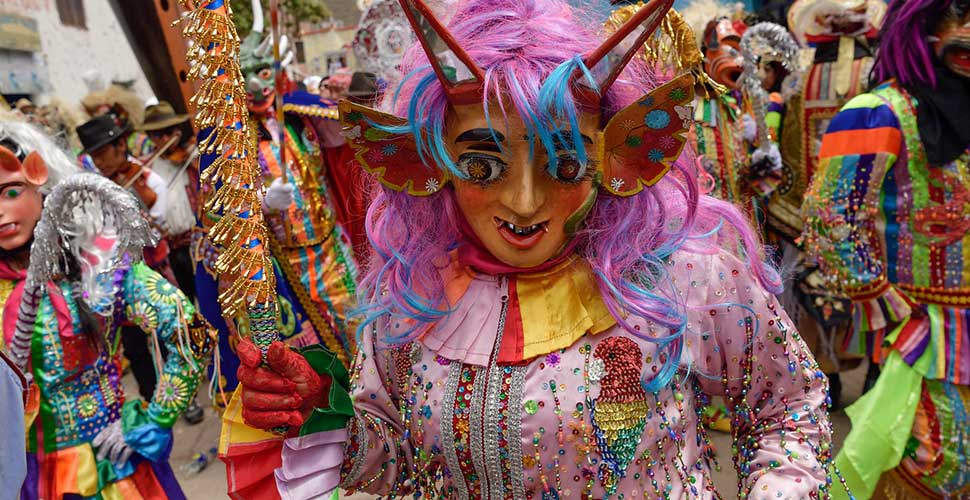
The only thing to do is join in on the celebration! Peruvian fiestas are a wonderful mix of the traditional and the religious. The biggest festival is probably Semana Santa or Easter week, which is a sight to behold. Modern-day celebrations such as Halloween, New Year's Eve, and the traditional festival of Inti Raymi in Cusco are massive reasons to celebrate.
2. Religious fusion
Religions in Peru are a fantastic fusion between Catholicism and traditional Andean beliefs.
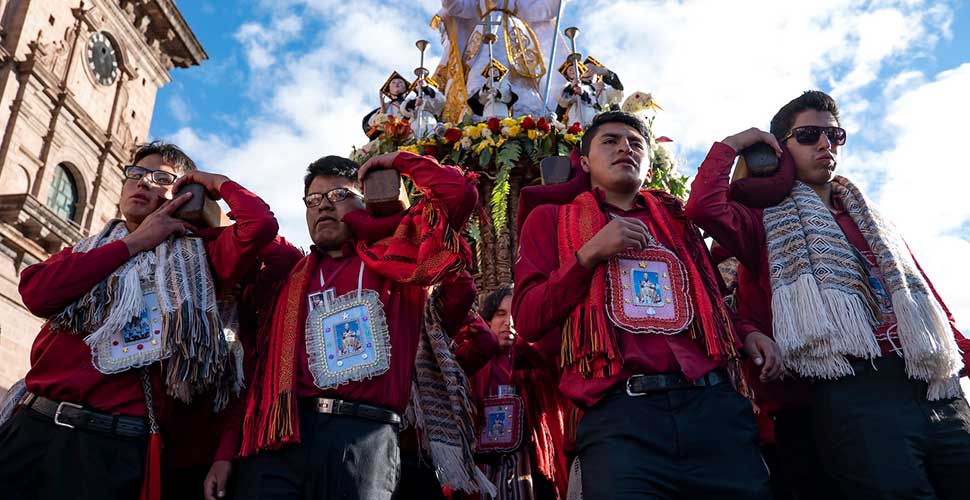
One of the best ways of explaining this unique mixture of faiths is the painting in the cathedral of Cusco which depicts the last supper of Jesus, with the main dish being guinea pig, the emblematic traditional dish of the Andes. It is totally normal to give your thanks to God as well as the traditional blessing to Mother Earth in one spectacular ceremony.
3. Traditional dress
Whether you are visiting the north of Peru with their traditional Norteña style or the Andean region with their handmade woven textiles, most parts of Peru have their traditional way of dress.
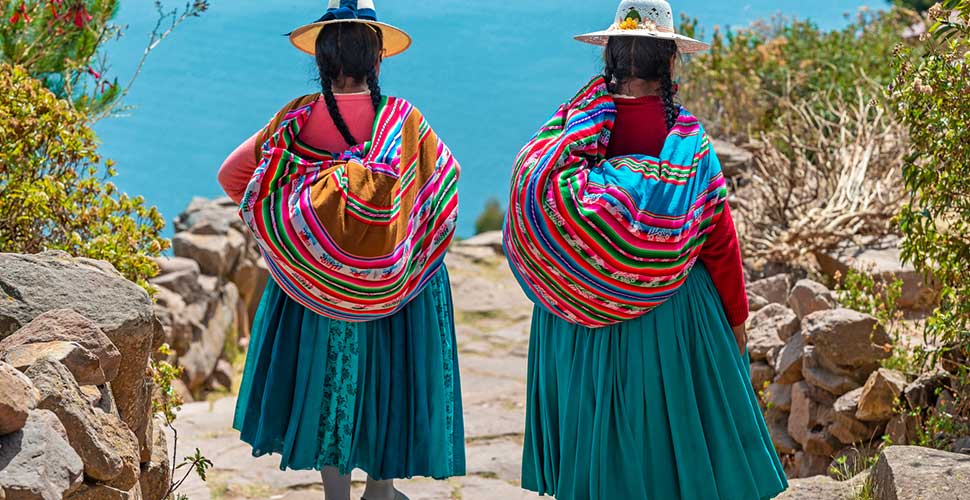
Most communities identify their village by the detailed weavings and designs in their clothes. This is one of the ways Peruvians express their impressive culture. If you love designs and traditional ways of dressing, Peru is quite possibly one of the best destinations for you.
4. Music and dance
Peruvian traditions are kept alive by music and dance. Peruvian music is an eclectic mix of Inca, Spanish, and African influences. The Andean panpipes combine with a giant harp or a tiny ukulele and a square box drum called the Cajon to form a traditional band.
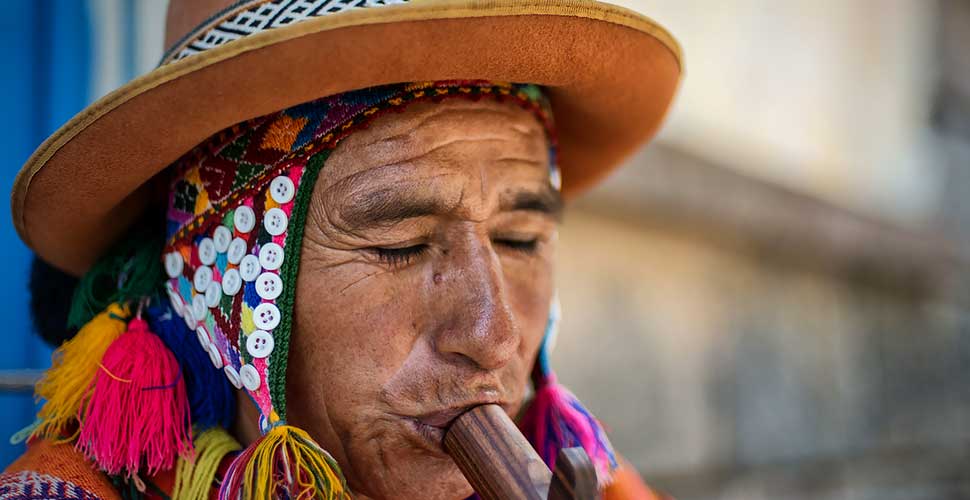
Folk stories are told through song and form a huge part of Peruvian culture. While traditional dances remain a major part of cultural activities, modern genres like salsa, bachata, and reggaeton are also popular among younger generations.
5. Courtesy and social norms
Peruvians by nature are welcoming, warm, and friendly. A few words of Spanish will go a long way when trying to make friends. Don't worry when a taxi driver wants your whole life story; it is just a way of breaking the ice.
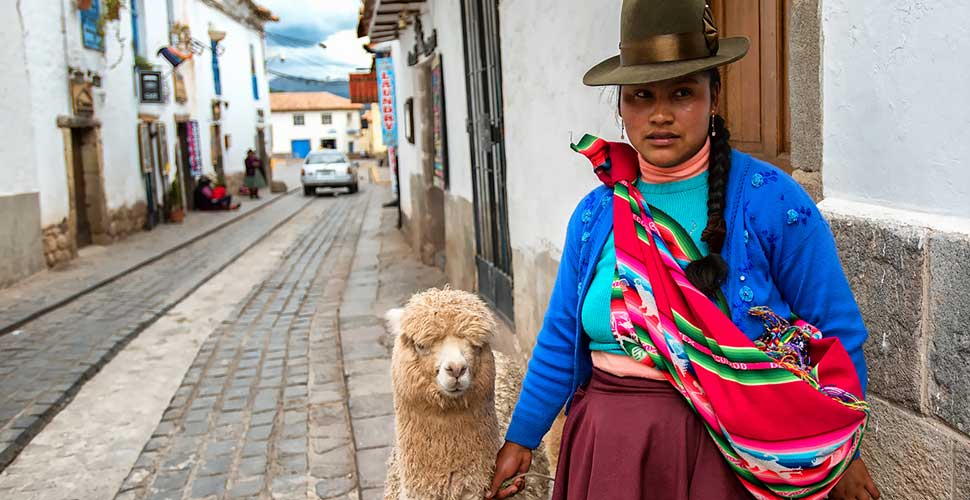
Always ask permission before taking photos. In Cusco, Andean ladies may expect a small coin if you want a photo with a baby llama, but in smaller communities, it is normal for people to refuse a photo regardless of money offered. This is a cultural norm that should be respected.
6. Peruvian cuisine
Peruvians are very proud of their traditional culinary dishes. The different climatic regions of Peru add to the variety of delicious meals available. Ceviche is the national dish, while the traditional Andean plate is the guinea pig or Cuy. Alpaca steak is a delight in the mountains, and the jungle region offers Juane, made from rice and vegetables served in a banana leaf.
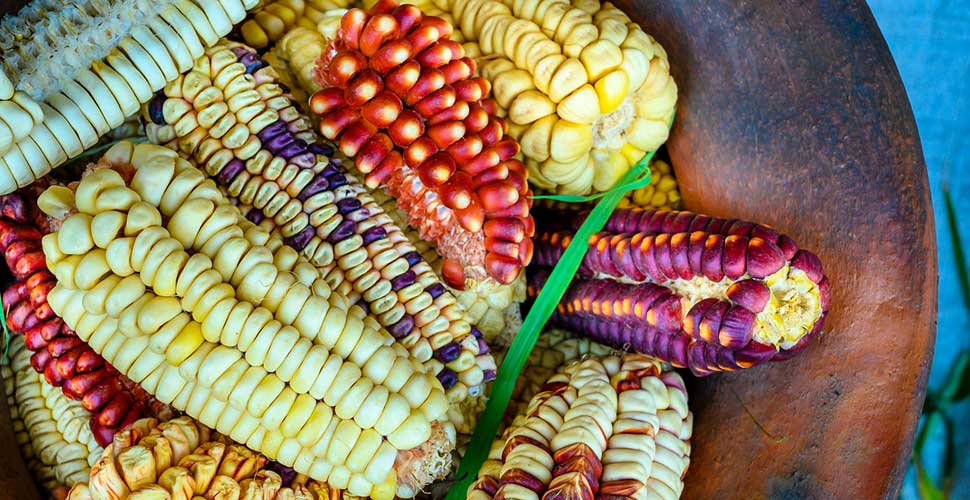
Drinks are also incredible, with Pisco Sour being the national choice. Non-alcoholic options include Chicha Morada, made from purple corn, and Inca Kola, a bubble-gum flavored soda.
7. The concept of time
Being on time in Peru is a different concept, as it is socially acceptable to arrive late to most events. Being on time is often called English time or Hora Inglesa. Turning up an hour late to a social event is considered normal.
Expect people not to call or simply arrive days later, especially in the Andean regions. Peruvians generally lead a well-balanced life, distributing time equally between work and family responsibilities.
8. Local markets
The massive variety of Peruvian fruits and vegetables is second to none. While supermarkets exist, locals generally buy fresh produce at the market.
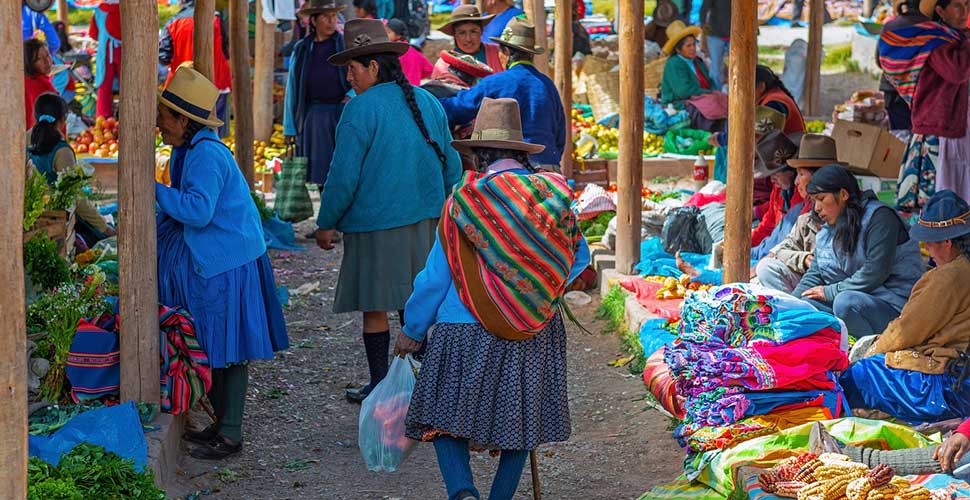
People eat at the market, have fresh juice, and arrange social activities there. A trip to a local market is a must-do to experience Peruvian culture to the full. Remember that markets are cash-only and vendors rarely have change, so carry small notes.
9. Artisans and craftsmanship
Peruvians are incredibly creative people. Traditional forms of art include weaving, jewelry, and wood or stone carvings. Modern forms of art often carry colonial and religious influences.
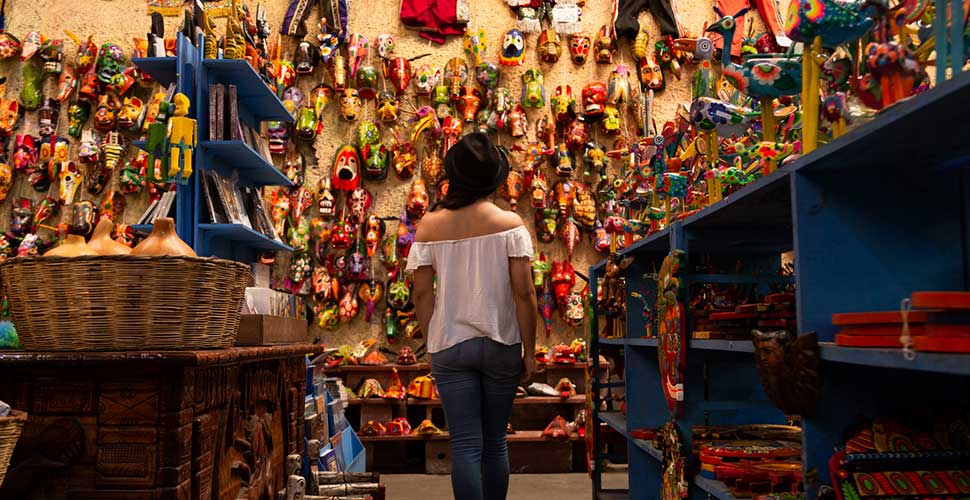
Alpaca wool is handwoven into contemporary garments for international export. Musical instruments like harps, guitars, ukuleles, and cajones are handcrafted and sold on a wide scale.
10. Personal space
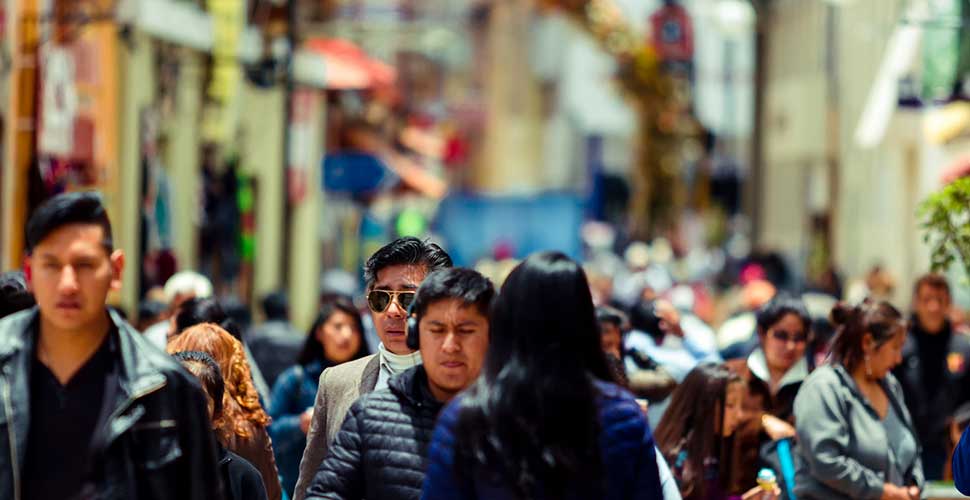
In general, Peruvians have more personal proximity, and in crowded areas, it is common for shoulder or elbow touching. Don't take this personally; people are simply involved in their day-to-day activities.
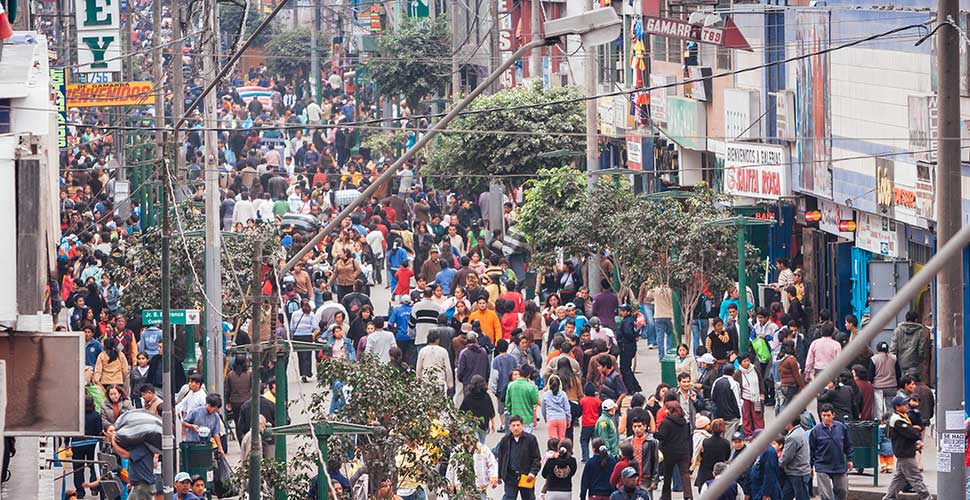
It is customary to give one kiss on the cheek when you meet someone new, even if you do not know them. This is used as a standard greeting and farewell.