


Claire
Travel in South America is a joy to behold. The rich variety of destinations, experiences, landscapes and geography fascinated me so much, that I chose to relocate here, over 20 years ago! The best thing I ever did! Allow me to share my knowledge and passion for Central and South America with you and help you plan your holiday of a lifetime!
CULTURAL CHIAPAS
Written by:Claire
Last Update: 2024-12-05
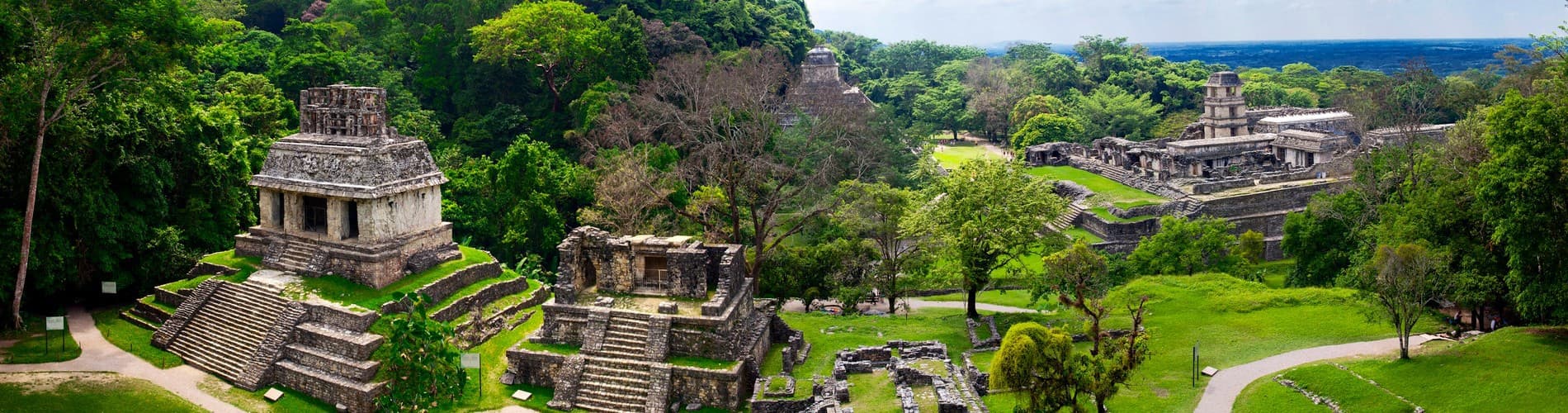
Chiapas has one of the largest indigenous populations in Mexico and is a refuge for indigenous culture and tradition. Once a Mayan hub, the modern-day descendants of this great civilization have retained a distinct identity and culture. Chiapas is the perfect destination for travelers looking beyond the tourist trap beach resorts that line Mexico’s coasts. With its stunning natural beauty, long-preserved indigenous heritage, and picturesque colonial towns, Chiapas truly is a must-visit state in Mexico and you can immerse yourself in the local culture on this 6-day tour, as we experience the best places to visit in Chiapas.
Chiapas Archaeological site
San Cristobal de las Casas
Cobblestone streets, colorful churches, and a domineering cathedral are just a few of the architectural wonders that make San Cristobal de las Casas a must-visit addition to any southern Mexico travel itinerary. Throw in a prevalent indigenous culture that’s like nowhere else in Mexico, countless Mayan languages, and a rather fiery history of opposition to the central government in Mexico City, and with San Cristobal de las Casas, you have an exciting destination that’s just waiting to be explored.
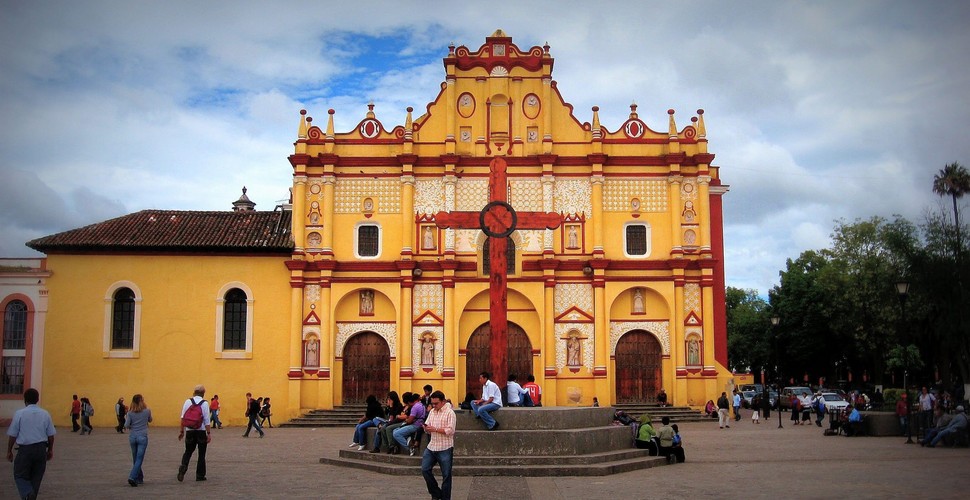
San Cristobal de las Casas
San Juan Chamula
San Juan Chamula is the principal town of the Tzotzils, with a population of around 80,000. It is also the main religious and economic center of the community. The Chamulas also are very private people. They do not tolerate well people taking pictures of them or their temples. Like other indigenous communities in this region, The Chamulas can be identified by the clothes they wear: in this case, distinctive purples and pinks predominate. All the clothes they wear are handmade locally. The wool on the sheep, cleaning, dyes, and knitting are all obtained “in-house”: nothing is purchased externally. Sheep are sacred here, and are treated, protected, and mourned on passing as any other member of the family.
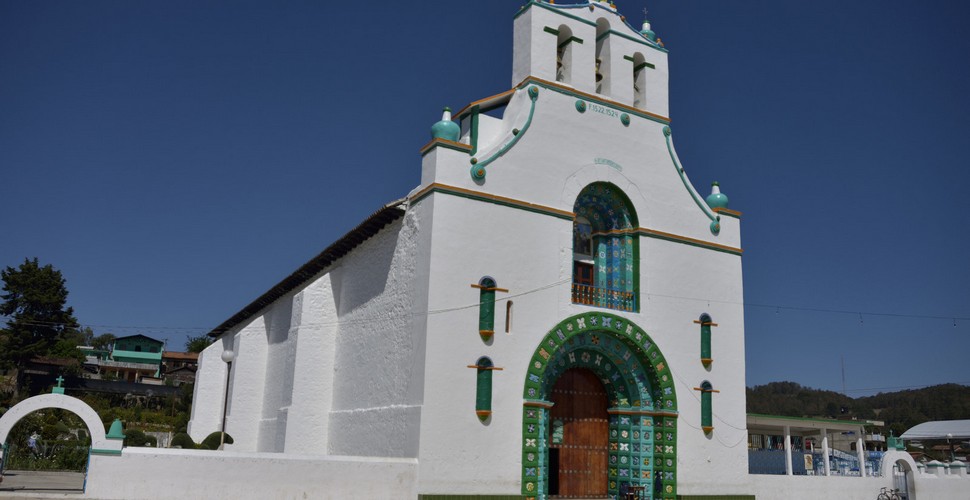
San Juan Chamula
Chinkultic and Amatenango
The archaeological site of Chinkultic is a true masterpiece of architecture because its construction was made in such a way that the blocks of stone could adapt to the topography of the ground. Part of the Lagunas de Montebello National Park is located in the middle of the jungle, this site was founded around the 3rd century by the Maya. The site contains about 200 structures, ancient remains such as ceramics (Plumbate Tohil), 38 stone stelae that represent the rulers of this site, and sculptures with hieroglyphic inscriptions.
The cenote is located in the middle of the jungle and comes from lake Tepancuapan and Lake Chanujabab which are twins and connected by a tributary crossing the archaeological site. This cenote gives the name of the site because Chinkultic means “staircase cenote” in the Maya language. Chinkultic is therefore the perfect setting to breathe fresh air while enjoying an impressive view.
Amatenango del Valle, or the "The town of the Potters" in its native language, Tzo'ontajal, is located on a small elevation that dominates a fertile valley covered with cornfields and where they use pre-Hispanic methods in the process of making pottery.
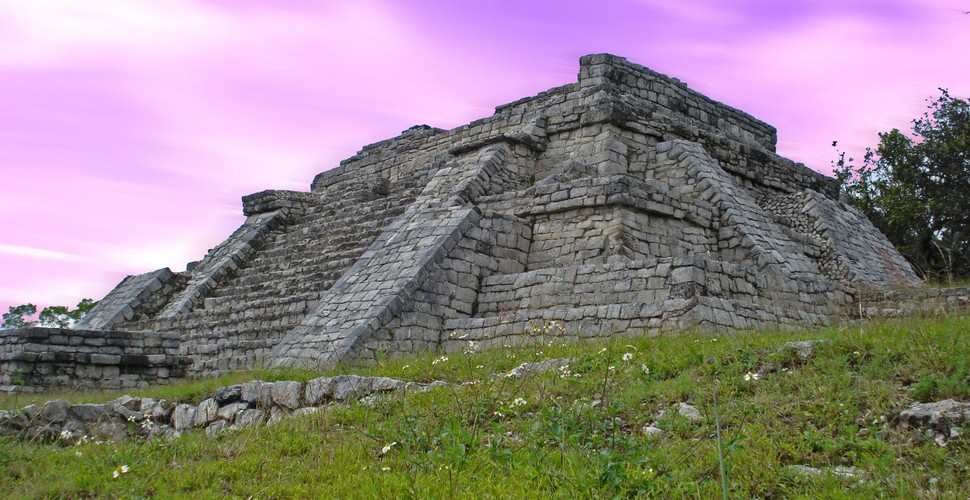
Chinkultic
Agua Azul
Agua Azul, Chiapas, is easily one of the most beautiful places to visit in Mexico. As the name Cascadas de Agua Azul or Blue Water Waterfalls suggests, this is a place of incredible natural beauty. A series of small waterfalls with swimming holes, making it the perfect spot for a relaxing day. The waterfalls range from short waterfalls up to 6 meters high, and all of them are interconnected, with one pool leading into the next.
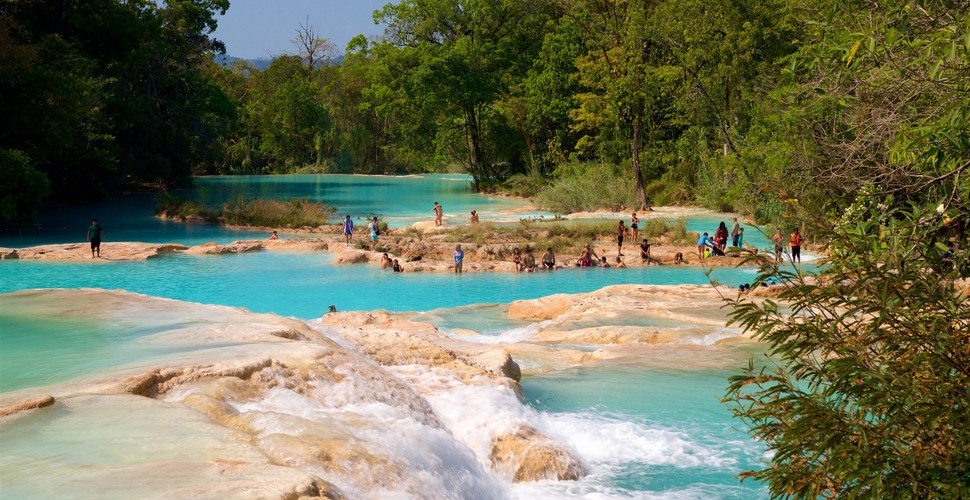
Agua Azul
Bonampak
In the jungle, 183 km, southeast of Palenque along the Rio Lacanja, are the remarkably well-preserved ruins of a Mayan temple called Bonampak. The name means “painted walls” and it is the highly detailed frescoes that tell the history of the people who lived there. These paintings on the inside of the walls and roofs of three buildings, make Bonampak a true delight and a major attraction for archaeologists and visitors alike. This site has been hidden away in the jungle for longer than most. Not until the mid-1940s did some American explorers discover this place, supposedly after being taken there by a local from the surrounding Lacandon jungle. The exact tale is as much of a mystery as many Maya sites themselves. Bonampak stretches over 2.5 square kilometers, although all of the main attractions revolve around the group of buildings surrounding the main plaza.
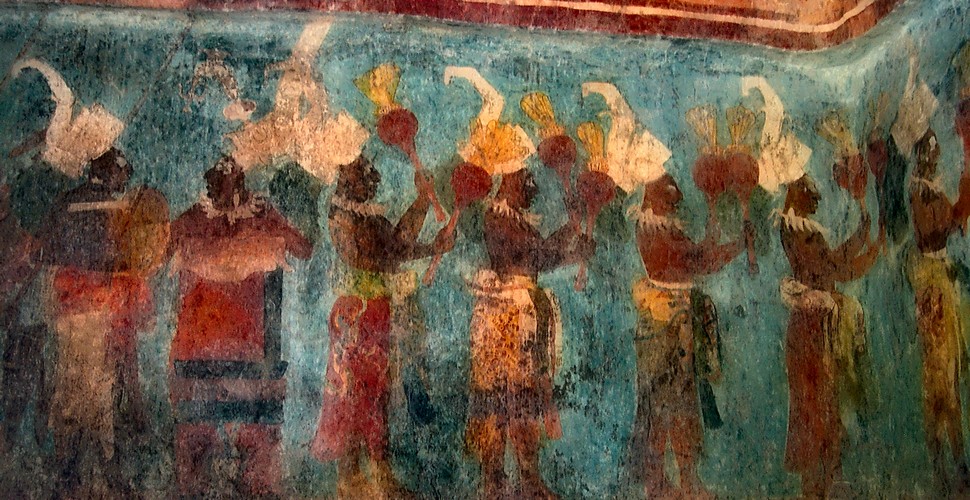
Bonampak
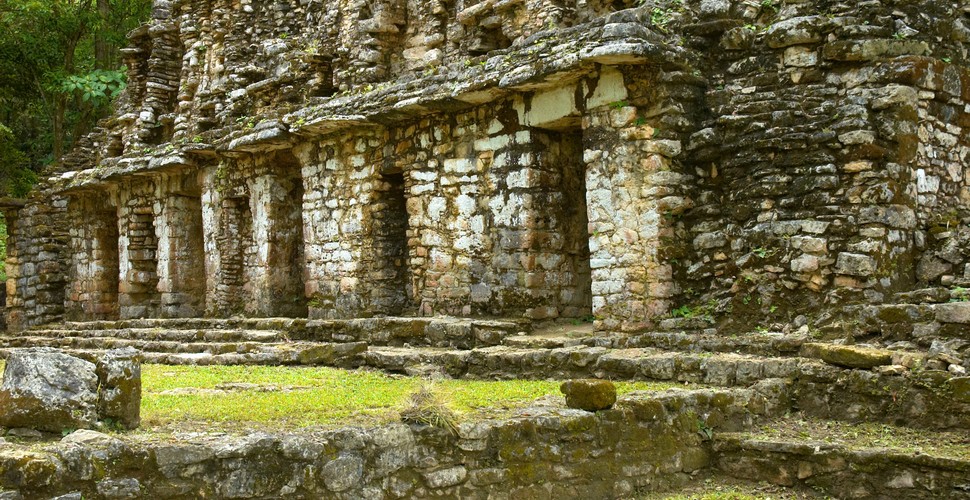
Yaxchilan
Yaxchilan is a mysterious and stunning city. Not only because of its classic past but also because of its location. An area where wildlife is still abundant. Tropical birds, monkeys, crocodiles.
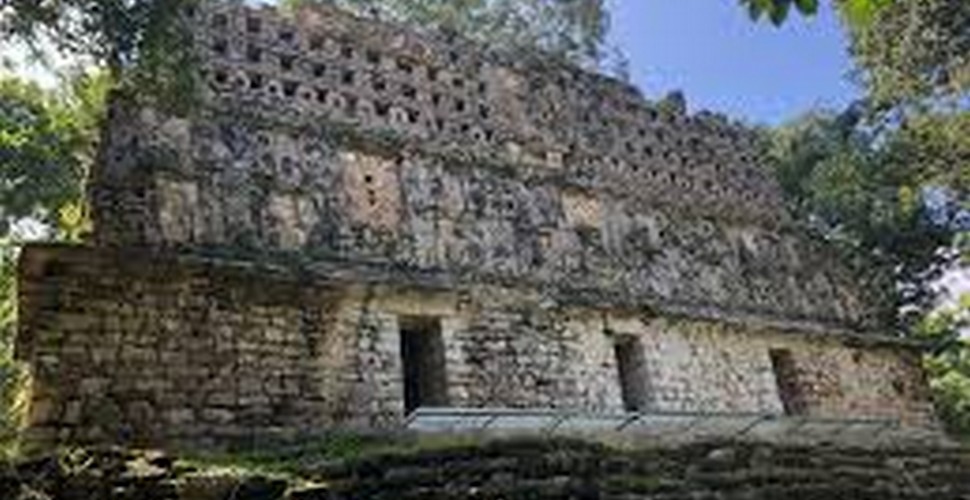
Yaxchilan
Palenque
Imagine a city buried under a thousand years of jungle growth. Less than 10% of Palenque has been excavated, only the central part, composed of steep pyramids and blocky temples of white limestone. All around Palenque is dense rainforest crisscrossed by gurgling streams and shimmering waterfalls. The tropical air is filled with the buzzing of insects, the singing of tropical birds, and the booming grunts of howler monkeys. The Palenque archaeological site has all this and more. You can even climb the pyramids and explore the inner chambers of the city’s massive stone palace of this ancient Maya City.
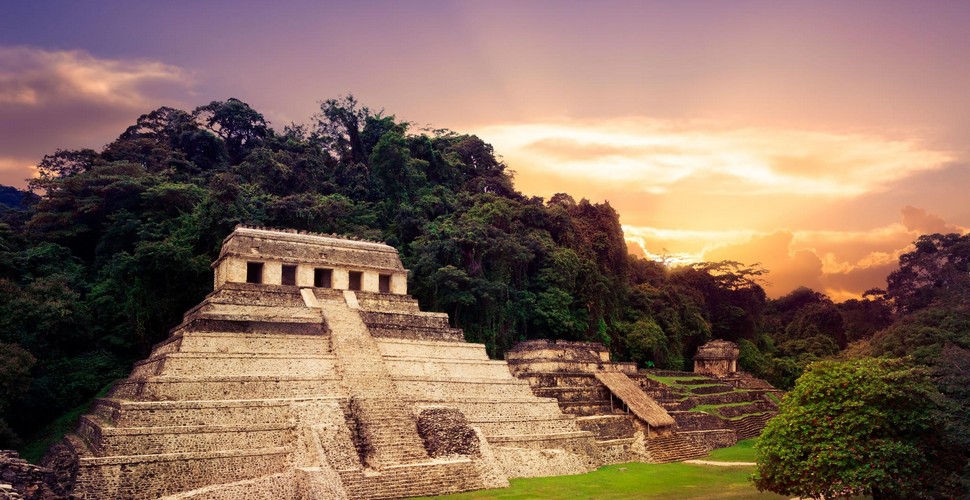
Palenque
Discover this amazing region of Mexico on this 6-day tour! Book Now!
SHARE THIS POST
popular-posts-title