


Claire
Travel in South America is a joy to behold. The rich variety of destinations, experiences, landscapes and geography fascinated me so much, that I chose to relocate here, over 20 years ago! The best thing I ever did! Allow me to share my knowledge and passion for Central and South America with you and help you plan your holiday of a lifetime!
ABOUT PERU
Written by:Claire
Last Update: 2024-12-05
Peru, a captivating country nestled in western South America, is a land of ancient wonders, breathtaking landscapes, and rich cultural heritage. From its vibrant cities to its vast wilderness, Peru offers a diverse array of experiences for travelers seeking adventure, history, and natural beauty. Here, we will delve into the essential aspects of Peru, exploring its size, population, general information, history, geography, and economy.
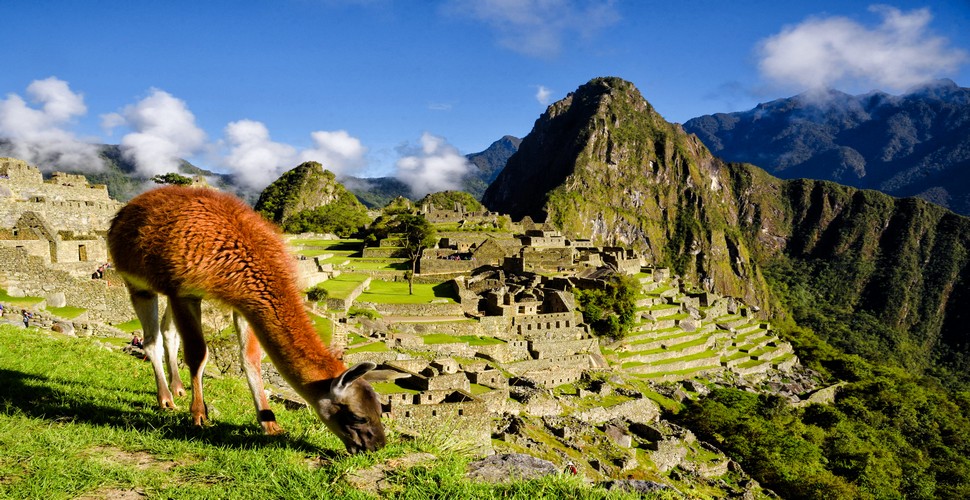
Machu Picchu
Size and Population
Peru is the third-largest country in South America, spanning approximately 1,285,216 square kilometers (496,225 square miles). With its expansive territory, Peru encompasses a wide range of landscapes, including the rugged Andes Mountains, the dense Amazon rainforest, and the arid coastal plains. As of the latest estimates, Peru has a population of around 33 million people, making it one of the most populous countries in South America.
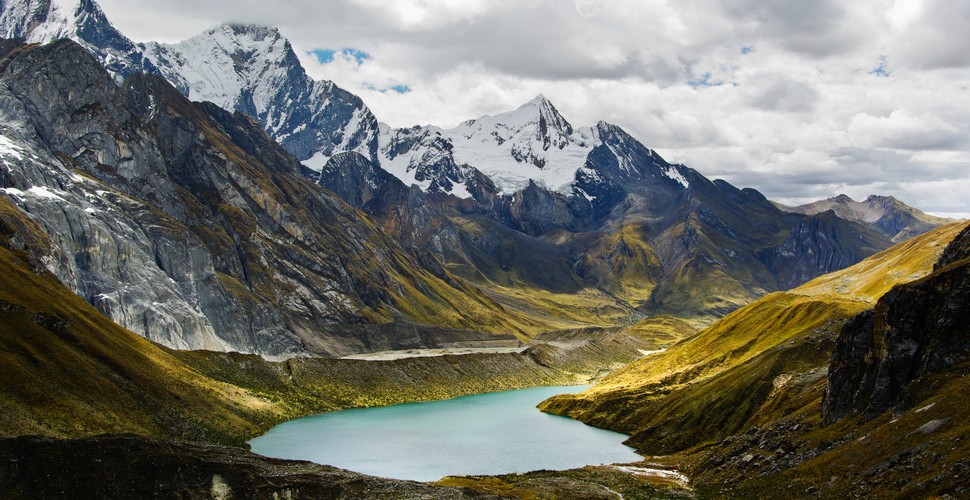
Mountain Region of Huaywash
General Information
The official language of Peru is Spanish, although indigenous languages such as Quechua and Aymara are also widely spoken. The country's capital and largest city is Lima, situated on the central coast. Peru follows the GMT-5 time zone and utilizes the Peruvian Sol (PEN) as its currency. The country's official flag features three vertical stripes of red, white, and red, with the coat of arms in the center.
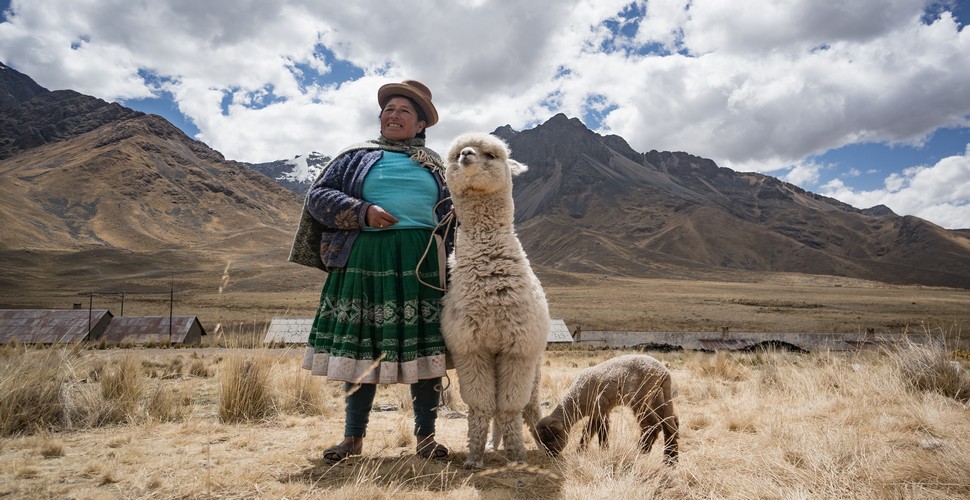
Quechua Woman, Arequipa
History
Peru boasts a rich historical heritage, with evidence of human habitation dating back thousands of years. The region was home to numerous indigenous civilizations, including the ancient Inca Empire, which reached its peak in the 15th century. In 1532, Spanish conquistadors, led by Francisco Pizarro, arrived in Peru and eventually overthrew the Inca Empire. Peru gained its independence from Spain in 1821 and has since experienced periods of political and social change.
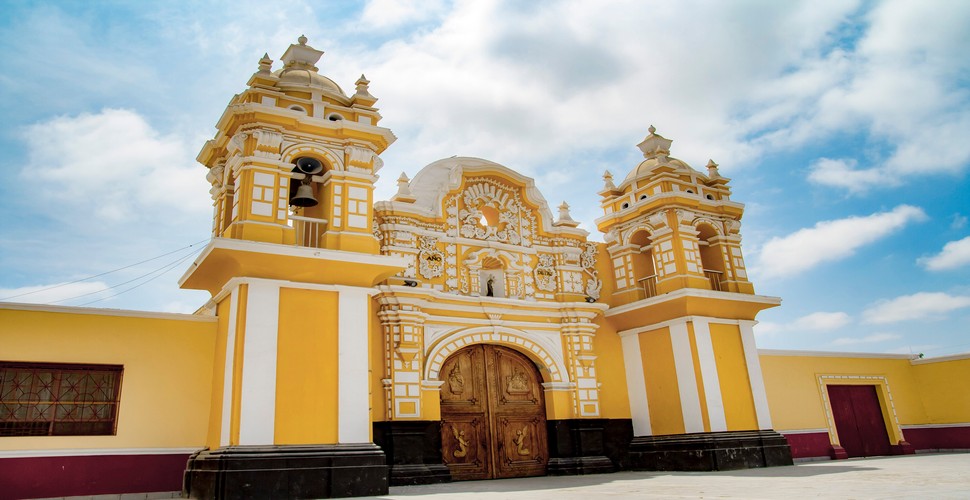
Colonial Architecture
Geography
Peru's geography is characterized by its remarkable diversity. The country can be divided into three distinct regions: the coastal plains (Costa), the Andean highlands (Sierra), and the vast Amazon rainforest (Selva). The Costa region borders the Pacific Ocean and features arid deserts, fertile valleys, and bustling cities. The Sierra region encompasses the towering Andes Mountains, dotted with ancient ruins, picturesque lakes, and traditional indigenous communities. Finally, the Selva region is a dense expanse of the Amazon rainforest, teeming with unparalleled biodiversity.
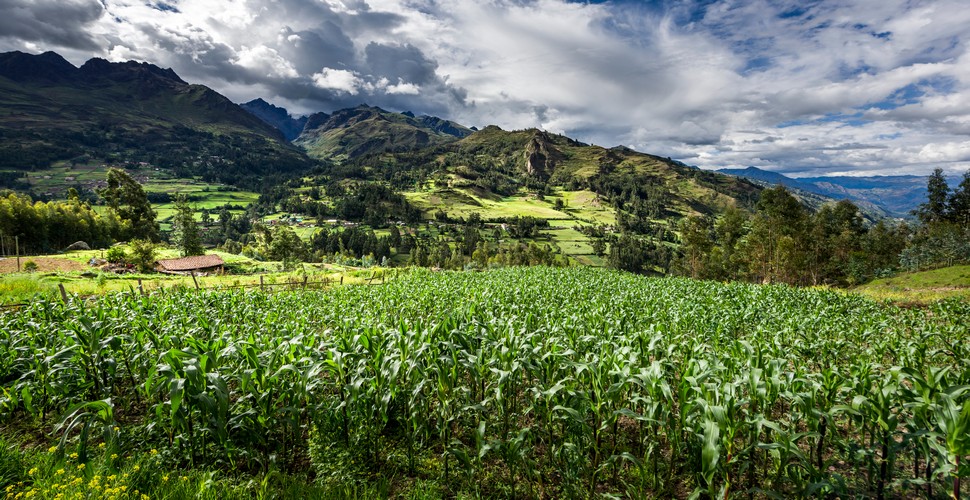
Peruvian Landscape
Economy
Peru's economy is considered one of the fastest-growing in Latin America, primarily driven by mining, agriculture, manufacturing, and tourism. The country is a significant producer of minerals such as copper, gold, silver, and zinc, contributing to its export industry. Agriculture plays a vital role, with Peru being a leading exporter of products such as coffee, asparagus, and quinoa. Additionally, tourism has become a crucial sector, attracting visitors from around the world who come to explore Peru's historical sites, natural wonders, and vibrant culture.
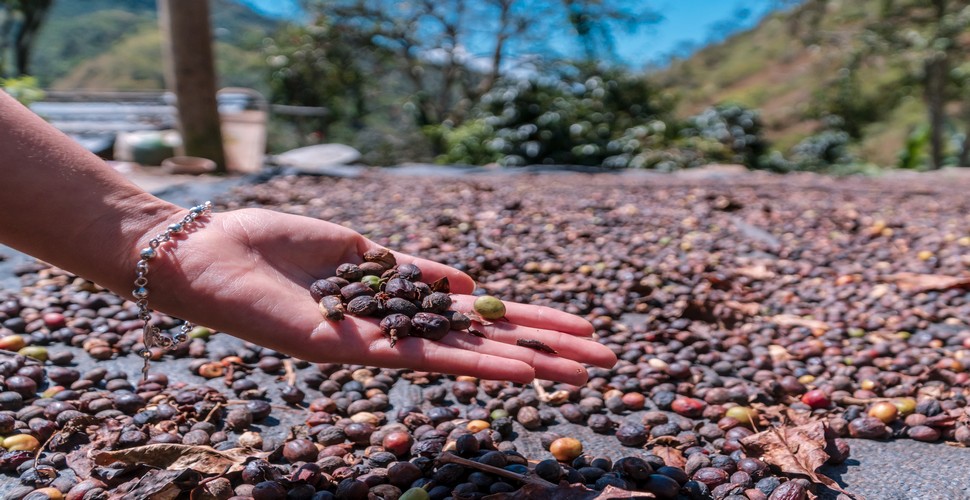
Hand Picked Coffee
Cultural Heritage
Peru is a melting pot of cultures, blending indigenous traditions with Spanish colonial influences and more recent global interactions. The country's cultural heritage is deeply rooted in its indigenous roots, with vibrant customs, rituals, and celebrations that have been preserved for centuries. Additionally, Peru's colonial history is evident in its architecture, art, and religious practices, which reflect the fusion of indigenous beliefs with Catholicism brought by the Spanish.
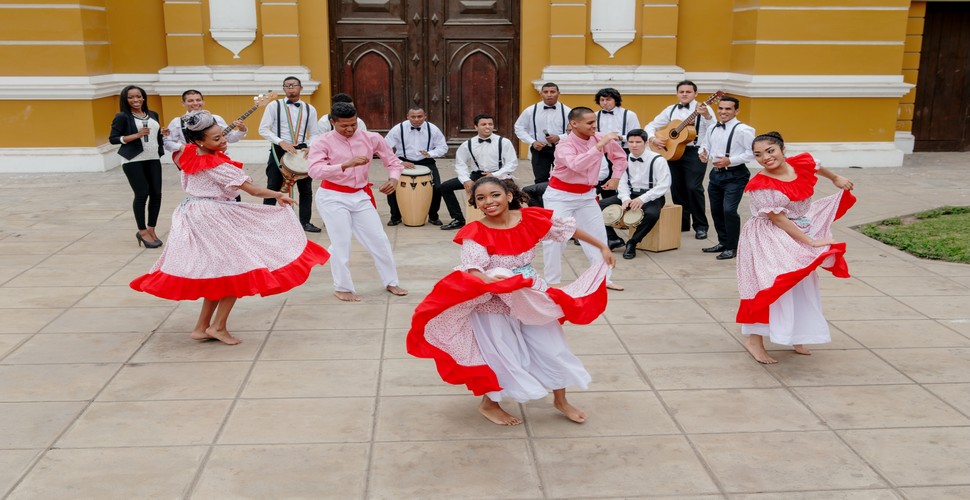
Musica Criolla
Indigenous Ethnicity
Peru is home to a diverse range of indigenous ethnic groups, each with its own distinct languages, traditions, and customs. The Quechua people, descendants of the Inca civilization, are the largest indigenous group and inhabit the Andean highlands. Other significant indigenous communities include the Aymara, Ashaninka, Shipibo, and many more, each contributing to Peru's cultural tapestry.
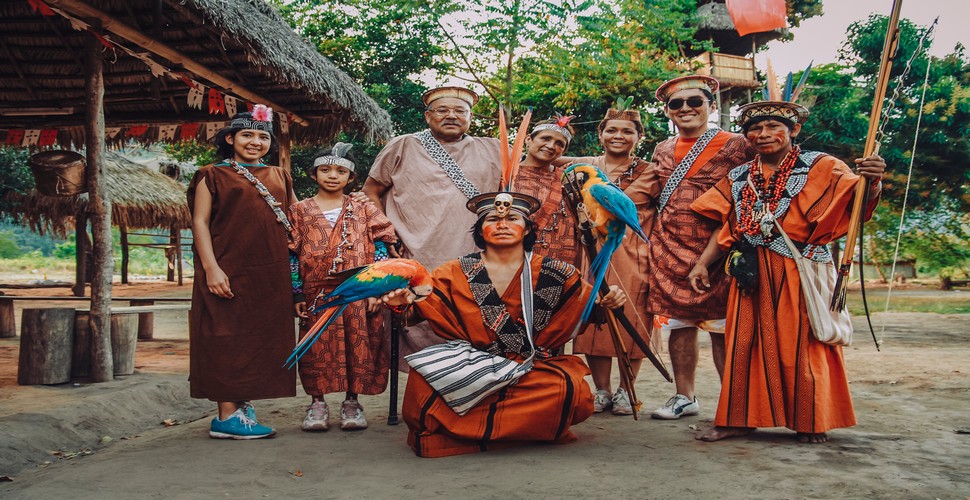
Amazon Tribe
Cuisine
Peru's culinary scene has gained international acclaim, with its diverse flavors and innovative dishes. Peruvian cuisine combines indigenous ingredients with influences from Spanish, African, Chinese, and Japanese cultures. Ceviche, a dish of marinated raw fish or seafood, is a Peruvian specialty enjoyed throughout the country. Other iconic dishes include Lomo Saltado (stir-fried beef), Anticuchos (grilled skewers), and causa (potato-based dish).
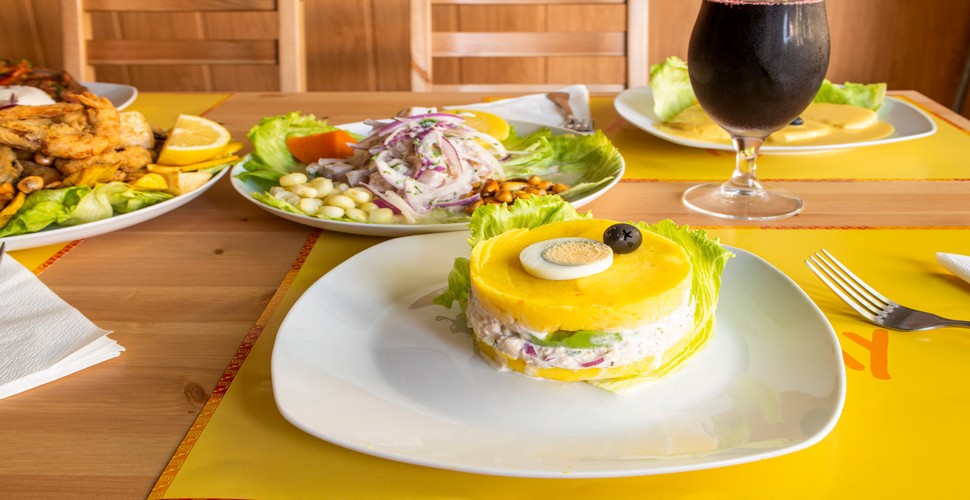
Causa Rellena -Criolle Food
Peru's allure lies in its incredible size, diverse population, captivating history, stunning geography, and thriving economy. From the ancient ruins of Machu Picchu to the vibrant streets of Lima, Peru offers a tapestry of experiences for travelers seeking to uncover the country's treasures. Whether you're exploring its archaeological wonders, venturing into the Amazon rainforest, or immersing yourself in its vibrant culture, Peru promises a journey filled with unforgettable moments and lifelong memories. Contact us here for more information about a trip to Peru.
SHARE THIS POST
popular-posts-title