





Claire
Travel in South America is a joy to behold. The rich variety of destinations, experiences, landscapes and geography fascinated me so much, that I chose to relocate here, over 20 years ago! The best thing I ever did! Allow me to share my knowledge and passion for Central and South America with you and help you plan your holiday of a lifetime!
WHAT FOOD TO EAT IN ECUADOR
Written by:Claire
Last Update: 2024-12-05
You may be asking yourself what do they eat in Ecuador? The cuisine of Ecuador varies greatly depending on where you are in the country. Along the coast, seafood reigns supreme, while the Andean highlands feature potatoes, corn, pork, and other earthy ingredients. Small compared to many of its neighbors, the South American country of Ecuador is big on culture and food. Many of their traditional dishes may fall outside your normal comfort zone, but you may just find one or two that introduce you to a new, cuisine that you will want to eat over and over again. Ecuadorian cuisine comes from the three distinct regions found in the country, which include the Amazon jungle, the Andean highlands, and the Pacific Coast (including the Galápagos Islands).
Seco de Chivo
Ceviche
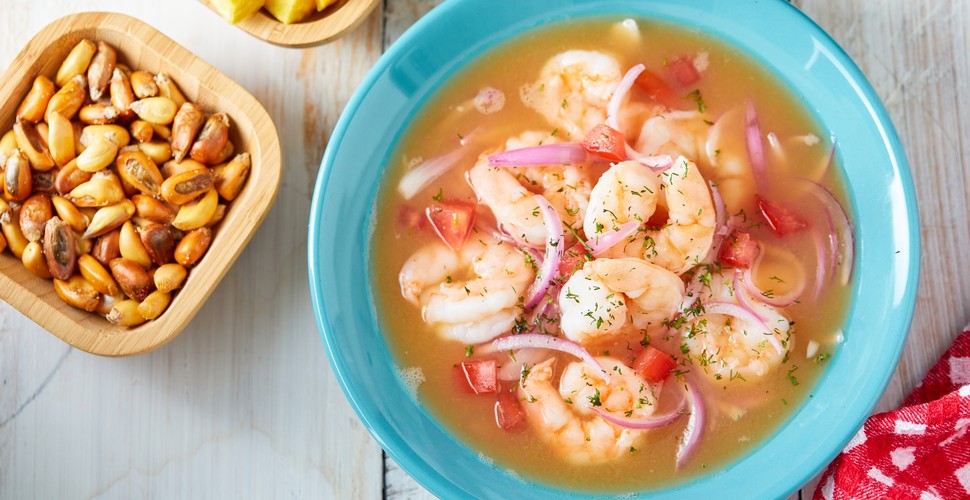
While ceviche is not unique to Ecuador, the way it is prepared here makes it an undeniable favorite among locals and visitors to Ecuador's coastal region. It’s the citric juices that define its unique style. Consisting of raw shrimp or other seafood from the abundant Ecuadorian coastal waters, the citrus juice allows it to maintain the most amount of flavor. Expect to find the best ceviche in restaurants located at the seaport of Guayaquil. Ceviche carts in other areas, like Montanita, are also abundant and delicious.
Shrimp Ceviche
Encebollado de Pescado
From the Ecuadorian coast to the Andes, the popular dish of Encebollado de Pescado is another must-try. This seafood soup starts with a fish-based broth, usually albacore tuna, and adds in boiled yuca, pickled red onion, tomato, a squeeze of lime juice, and cilantro. Also called chuchaqui, the soup is served with strips of fried green plantains, toasted corn (tostado), or various types of bread, making it a perfect meal by itself or accompanied by a side salad.
Bolon de Verde
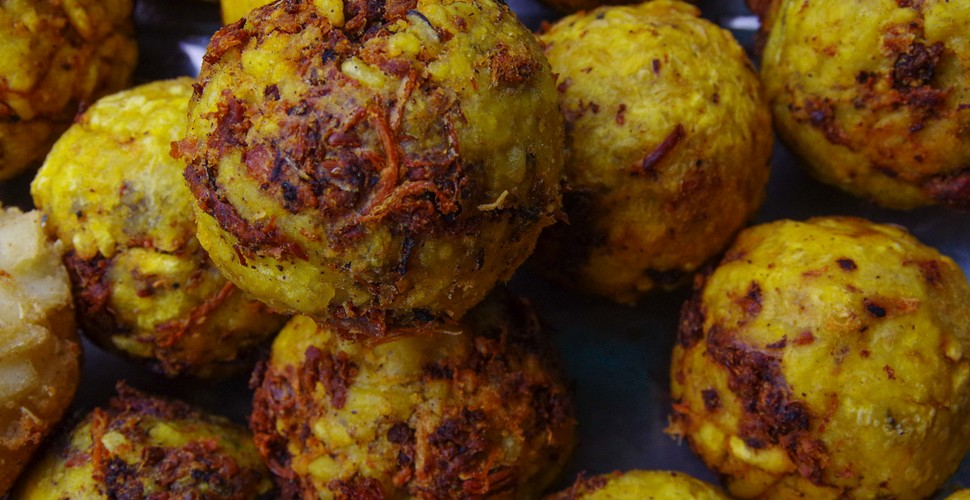
Considered the national dish of the country, the Ecuadorian Bolon de Verde resembles a tennis ball-sized ball of dough on the outside. The outer layers are made of mashed green plantains, while the inside contains pork (or other meat) or cheese. Once formed, the ball is pan-fried to a golden hue and served up hot. Try this dish for breakfast or even brunch. This dish is filling and can sustain you for a full day of sightseeing or travel anywhere in the country.
Bolon de Verde
Encocado de Pescado
This traditional dish of fish in a unique coconut sauce is not to be missed. The most common fish used in the recipe is Covina, a highly prized, wild-caught fish sought in all of South America. The coastal provinces, in particular, take great pride in this dish, serving it simply with white rice and fried plantains.
Cuy Asado
Prepare yourself to move past your initial impressions, as Cuy Asado, or roasted Ecuadorian guinea pig, is a highly acclaimed delicacy in Ecuador. You can enjoy a whole cuy or start out with a single or quarter sampling. It is usually accompanied by a side of corn or potatoes and served with chili and salsa. One of the best locations for ordering cuy is the city of Cuenca nestled among the Andes mountains in southern Ecuador. Here you’ll find high-end restaurants to roadside food stalls near the market serving up this dish. Another popular place for cuy is Baños, so be sure to try it while enjoying the adventurous activities in this region.
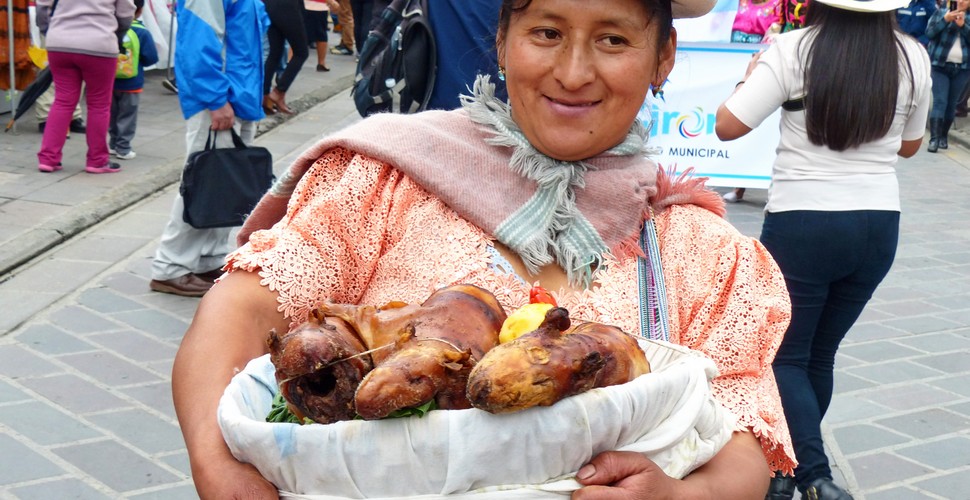
Cuy Street Seller
Locro de Papa
Ecuador is known for its traditional stews, and one to try from the highland region is Locro de Papa. This exquisite potato stew often contains cheese, onions, garlic, and cumin in addition to the potatoes. The key, however, is the annatto, a spice found in South America that adds its own unique flavor. Expect a delicious creamy consistency with a side of avocado and toasted corn.
Llapingachos
You’ll undoubtedly fall in love with this popular food in Ecuador, adored by both Ecuadorians and travelers. Llapingachos consists of a potato patty stuffed with cheese and cooked to perfection on a griddle, achieving a golden-brown crust. While many consider Llapingachos as a side dish for a pork meal, including chorizo, fried egg, avocado slices, and a salad, you can enjoy one on its own also. These are particularly good choices for the vegetarians in your group. Find them anywhere in the country and in particular at the Baños Market.
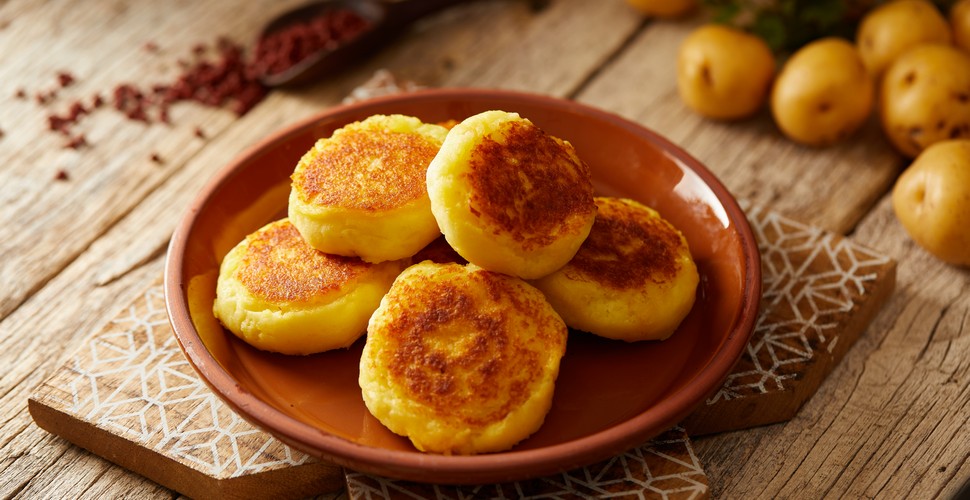
Llapingachos
Seco de Chivo
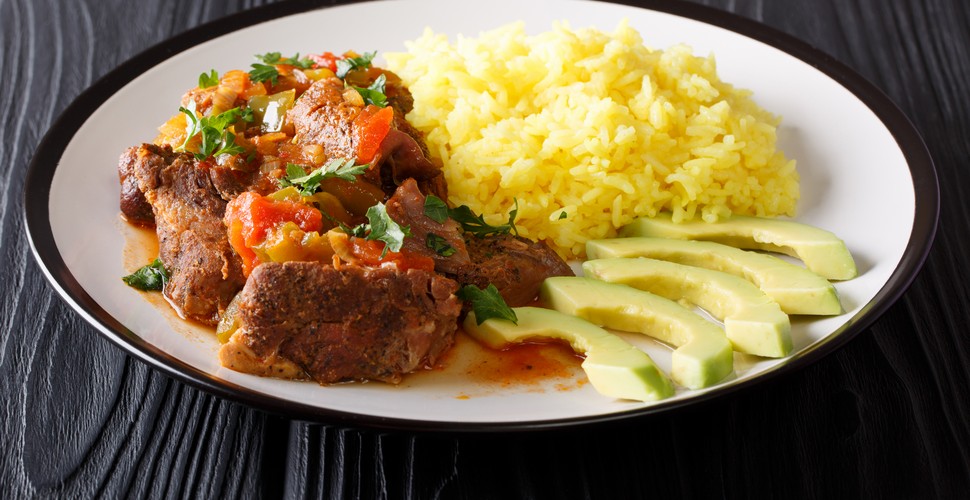
For another traditional stew, try Seco de Chivo with the main ingredient being goat. You can also select beef or chicken versions. Whichever meat you choose, the stew consists of it along with tomatoes, onions, naranjilla (tasting similar to a lemon and pineapple combined), cane sugar, cilantro, oregano, cumin, garlic, and beer. You can find this dish in all regions of Ecuador, and it is usually served with rice, avocado, a side salad, and fried plantains.
Mote Pillo
A traditional Ecuadorian food dish enjoyed in the highlands, including Cuenca, is Moto Pillo. This simple dish consists of mote, which is cooked with mature corn, and mixed with scrambled eggs to create a delicious meal to enjoy wherever you are. This is sure to become a staple as you explore the region and enjoy the fun and scenery it offers.
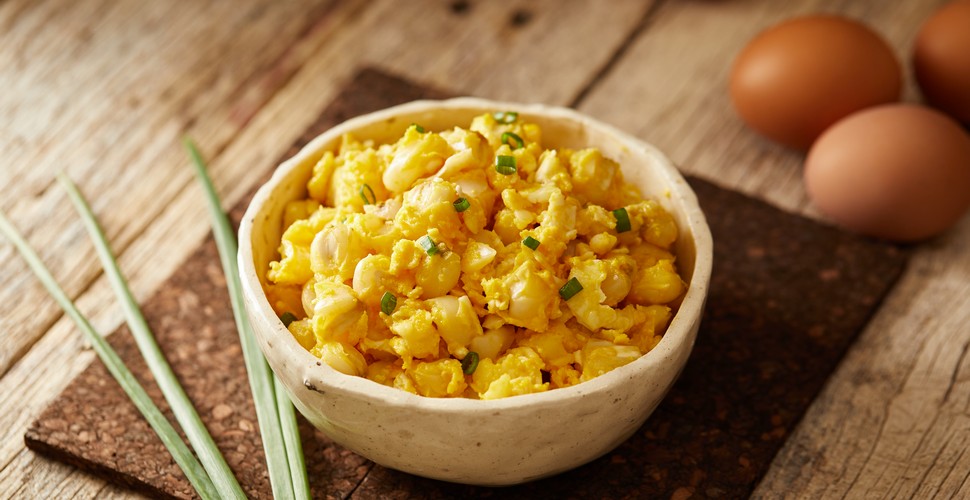
Mote Pillo
Uchumanga
While exploring the Amazon region of Ecuador, try the traditional stew of Uchumanga. This versatile stew consists of whatever river fish is caught that day by local fishermen. To waste nothing, the fish’s intestines are included during the stewing process.
Patacones
Fried green plantains and patacones are also known as tostones in much of Central America, although if you’re eating in Honduras you’ll find them as tajadas. Patacones are used as the main starch along the coast of Ecuador in places like Canoa where they are sliced or smashed and then fried.
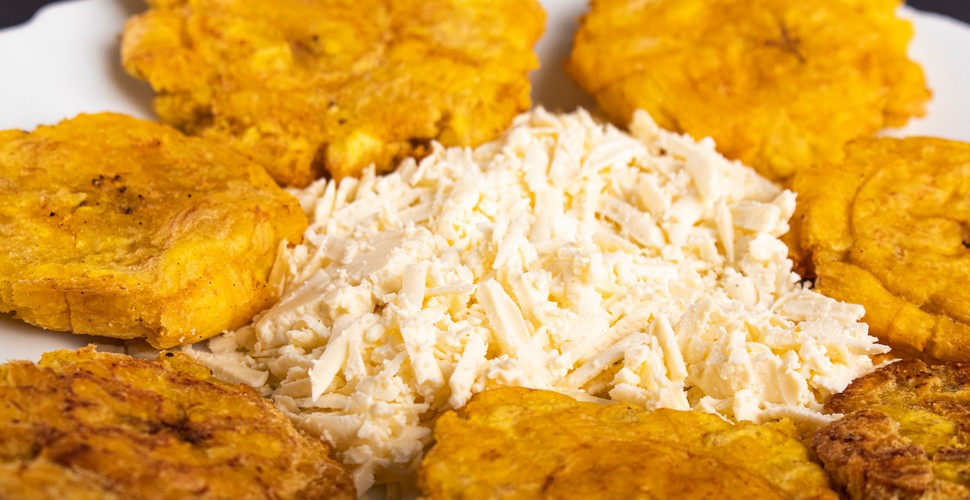
Patacones
Zarapatoca
A stew that is prepared by the locals in the Amazon region of the country is also somewhat controversial. Zarapatoca makes use of the turtles in the region's rivers. This is one of the common meals in an area where food sources are very different as locals don’t have land to raise animals and so they eat what exists in the jungle.
Chontacuro
One of the delicacies of the Amazon region that is not for the squeamish. Chontacuro are large beetle larvae, and while many will eat them raw and wriggling, they are often a little more palatable to visitors, when toasted on skewers. Chontcuro offers a strong yet pleasant flavor and are definitely an acquired taste!
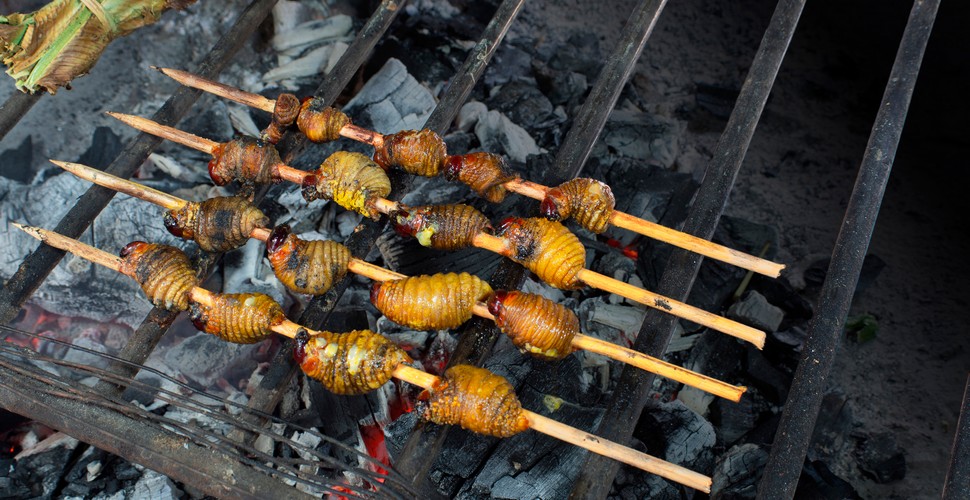
Chontacuro
Humita
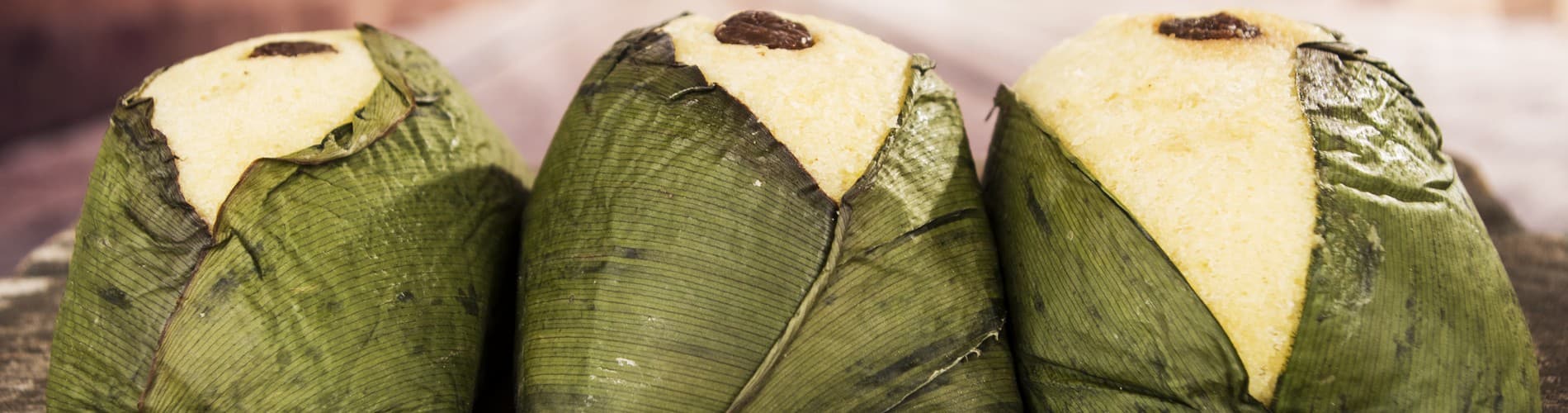
For a truly authentic culinary experience, reach for a Humita. These simple Ecuadorian dishes resemble tamales. The steamed masa and corn are enveloped in a banana leaf and can be sweet or salty, although salty is the most common. Other ingredients may include eggs, onions, or cheese. Buy several of these from food push carts throughout the country.
Hornado
This spit-roasted pig is a dish that is often found at family celebrations and larger events. The pork is usually carved freshly from the pig and served with salad, fried plantain slices, or llapingacho or fried potato cakes.
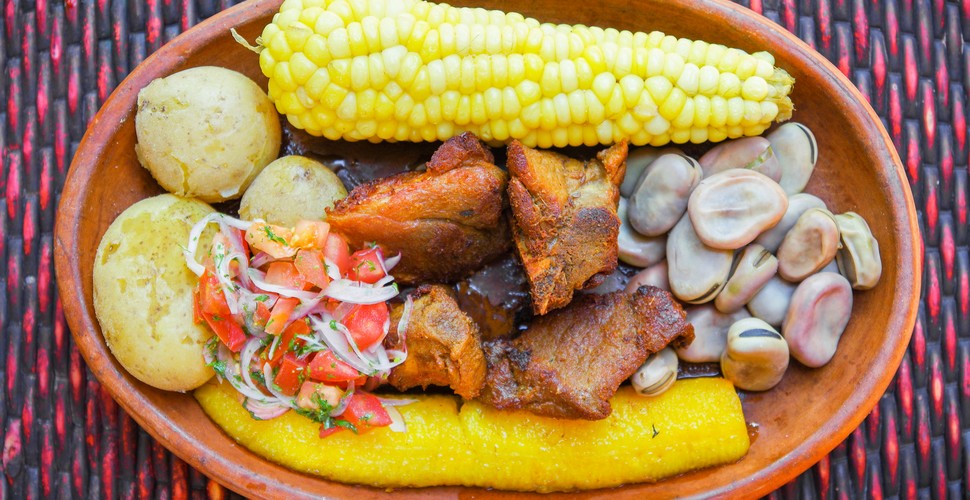
Hornado
Espumillas
Although they look like ice cream that never melts. Espumillas are sold on the streets of Ecuador and are not ice cream but a meringue foam and flavored with fruit like guava then topped with syrup and sprinkles. It can be very tempting to try but you need to be very careful when eating this as the recipe calls for raw egg white. These treats often sit in the sun all day so ask around to find out which vendors are safe to buy from.
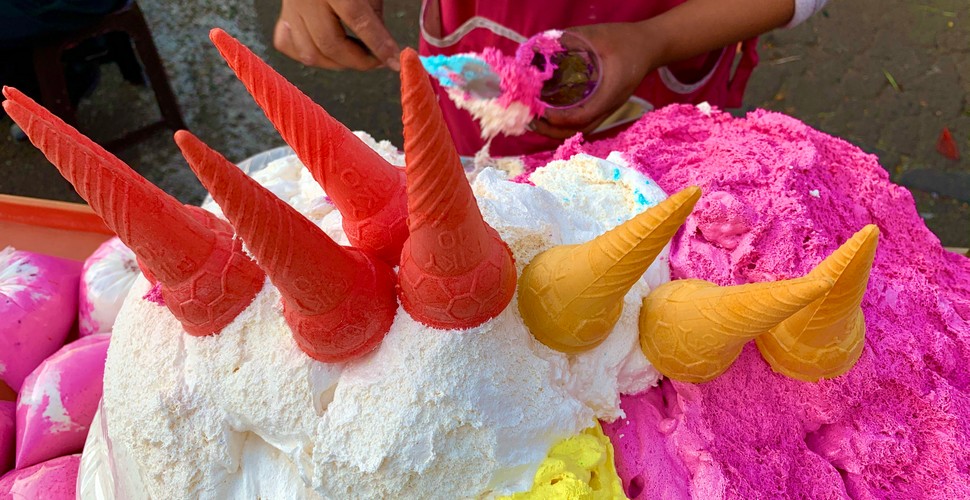
Espumillas
So if you are thinking about what do they eat in Ecuador, these are just some of the local delicacies available on a visit to the country. While many of these dishes may fall outside your normal comfort zone, you won’t want to miss out on such a spectacular cultural experience. You might even be amazed to discover all that you’ve been missing when it comes to incredible South American meals.
SHARE THIS POST
popular-posts-title