
Claire
Travel in South America is a joy to behold. The rich variety of destinations, experiences, landscapes and geography fascinated me so much, that I chose to relocate here, over 20 years ago! The best thing I ever did! Allow me to share my knowledge and passion for Central and South America with you and help you plan your holiday of a lifetime!

HOW MUCH TIME AHEAD SHOULD I PLAN MY TRIP TO ARGENTINA?
Written by:Claire
Last Update: 2026-09-04
As the world’s eighth-largest country, Argentina is massive. From the sub-tropical jungles of the north to the frozen glacier fields in the south and everywhere in between, there’s something to see all over the country. As one of South America’s most stunning and geographically diverse countries, Argentina is a favorite spot for international travelers looking for natural beauty, rugged wilderness, and colorful, welcoming culture. Here are some tips to help you decide how far ahead to book your trip.
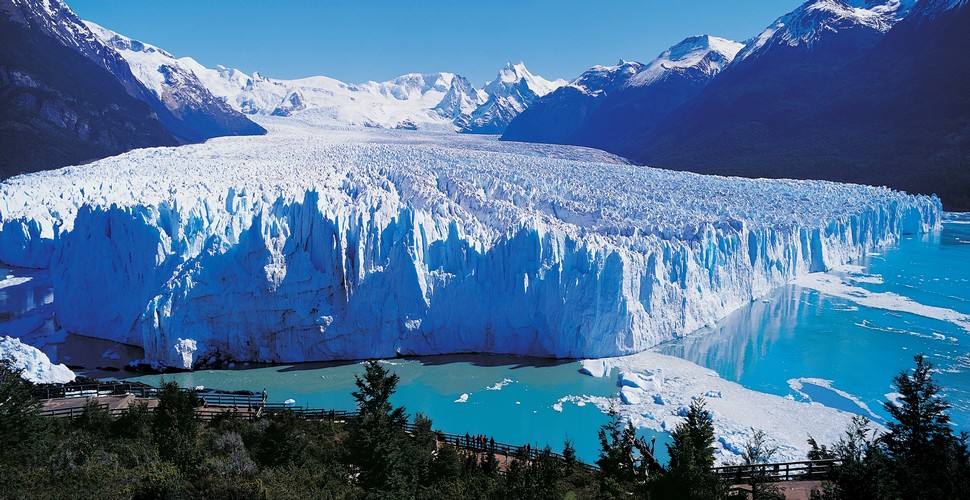
Perito Moreno Glacier
Weather
Argentina’s seasons are the opposite as Argentina lies south of the equator in the Southern Hemisphere, so the seasons there are reversed. Winter is from June to August. Spring is from September through November. Summer is from December through February. Fall is from March through May. It can be a little confusing, but knowing what weather and seasonal changes to expect before you book your stay is essential!
The country is vast with lots of variation. Argentina is the largest Spanish-speaking country in the world. The northern regions are the warmest, with a subtropical climate. Mid-eastern Argentina has a humid temperate climate, most of the western part has an arid environment, and the southern areas have cold oceanic weather. The Andes’ desert climate gets cold at night, so snowfall sticks around for years.
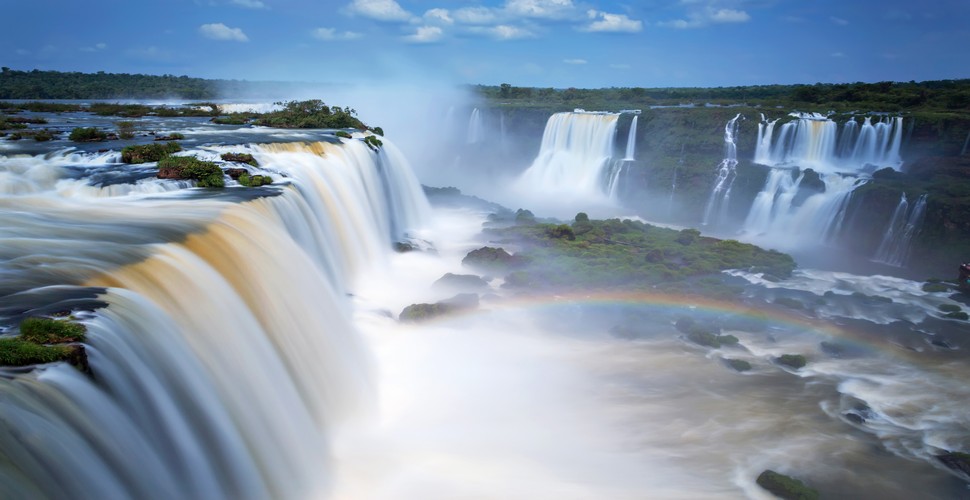
Iguazu Falls
Packing Tips
Pack appropriately for winter. Bring lightweight shirts, jackets, and comfortable hiking shoes if you’re visiting the north (Iguazu Falls, Gran Chaco)(Iguazu Falls, Gran Chaco), (Iguazu Falls, Gran Chaco); bring lightweight shirts and jackets and comfortable hiking shoes. Bring warm sweaters, jackets, hats, and an umbrella if you're visiting Buenos Aires; bring warm sweaters, jackets, hats, and an umbrella. Bring cold weather gear, including heavy coats, hats, scarves, extra layers, and boots if you stay further south. If you’re going into the Andes, pack warmer layers the further south you go.
Know what to bring in summer. If you’re visiting the northern regions, bring lightweight summer clothing, sleeveless shirts, sunscreen, an umbrella, and a hat. If you’re staying near Buenos Aires, bring light summer clothing, sunscreen, a sweater or hoodie for nighttime, and an umbrella. Down south around Patagonia, bring layers you can remove or add as needed, comfortable boots or hiking shoes, and a warm jacket for the evenings. Bring layers, warm jackets, lightweight shirts, hats, and sunscreen if you're venturing into the mountains.
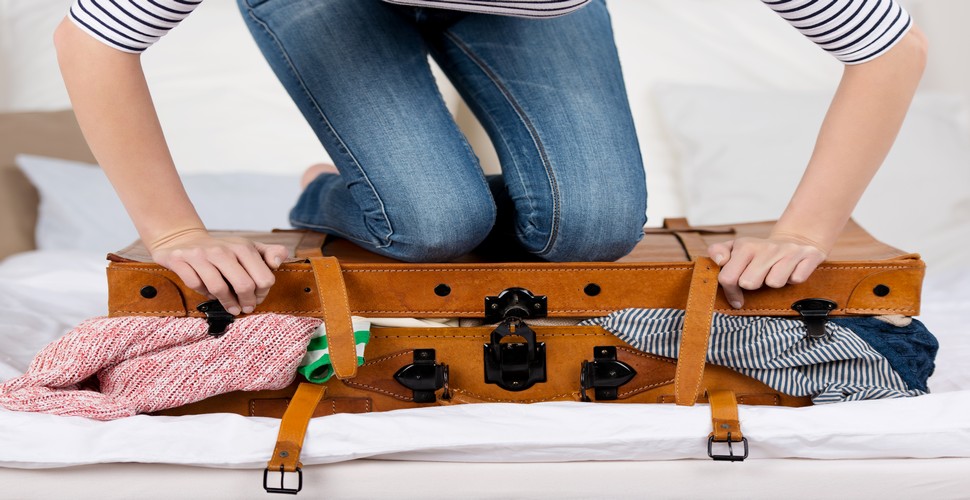
Don't Overpack!
Communication
Brush up on your Spanish before you go. As the largest Spanish-speaking country in the world, Argentina, it’s highly recommended that you familiarize yourself with the official language before you arrive. Learn basic communication phrases, emergency questions, critical transportation and directional words to make your visit less communication-challenged. There are plenty of English-speaking locals in the cities, but you’ll gain access to cheaper food, hotels, and activities if you can wheel and deal with Spanish-speaking locals outside the main “tourist traps.”
You will need travel insurance to go. Argentina requires non-residents to have proof of travel insurance to visit. This rule was put into place in the wake of the Covid-19 pandemic. Argentina offers universal healthcare, requiring visitors to prove that they’re insured for any medical care they may need while visiting. You’ll need to electronically submit your travel insurance proof within 48 hours before you arrive.

Learn the Lingo!
Best time to visit Argentina
Generally, the best time to visit Argentina is during the summer months, from November to February. This is when the weather is warmest and perfect for outdoor exploration, swimming, wildlife watching, and getting familiar with the cities.
It’s busy and more expensive at this time of year, but well worth it, no matter which region you visit. The best time to visit Argentina for winter sports is during July, the peak of the ski season. The ski resorts and snowy areas get a little crowded, but it’s not as hectic as the peak summer season. You’ll need to book early to secure your flight and room for a reasonable rate in both cases.
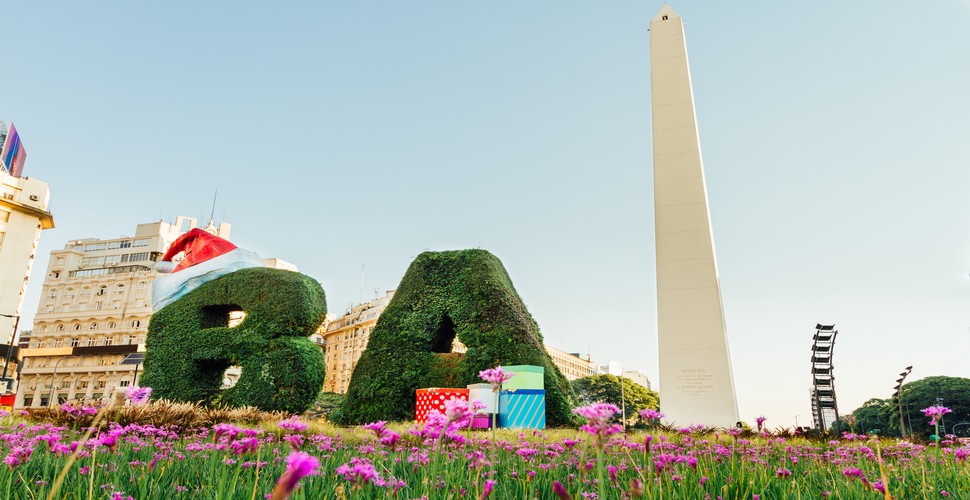
Christmas in Buenos Aires
Traveling on a budget
The best time to visit Argentina on a budget is August through September. Flights and hotels are at their annual lows during this shoulder season.
This is the tail end of winter and the start of springtime, so the weather is pretty mild and pleasant in most regions. Mountain passes and areas in the south may be impassable due to lingering snow and ice, so use caution and review closures before you go.

Plan your Budget
Off-Season travel
The best time to visit Argentina without big crowds is June through August. This is winter in Argentina, so some mountainous southern regions are impossible to access with snow and ice.
It’s most pleasant in northern regions at this time of year with mild but chilly temperatures. This is an excellent time of year to enjoy skiing and snowboarding in the ski resorts to the south.
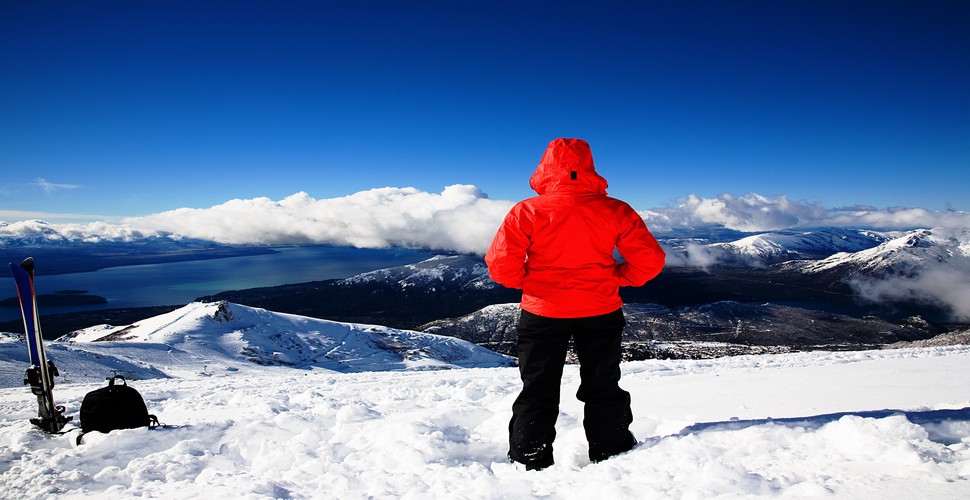
Skiing in Patagonia
The time NOT to go
Pay attention to the wide variations in weather and climatic patterns for Argentina's different seasons and regions in Argentina to avoid going at the wrong time. If you’re seeking warm weather for hiking and swimming, you’ll be disappointed with a winter visit in July. If you’re hoping to catch cooler temperatures and pretty scenery, avoid visiting in January and February, which are the peak months of summer.
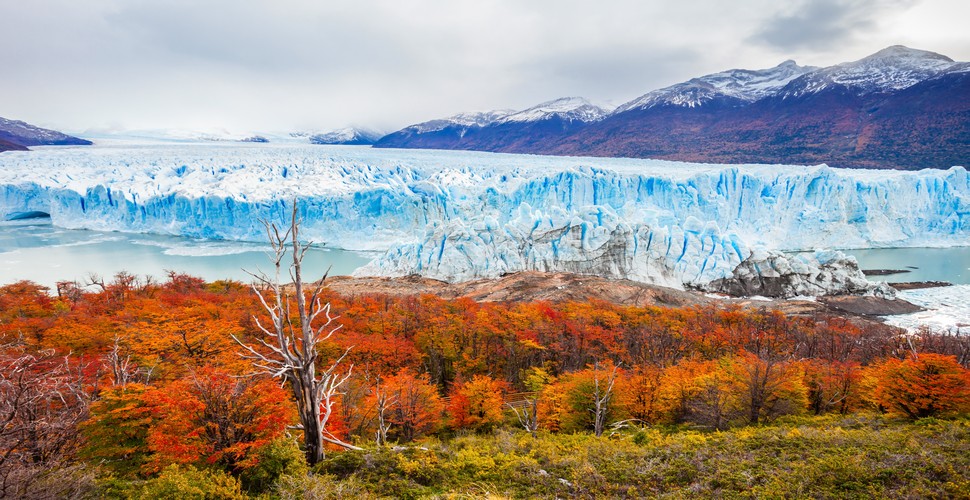
Autumn in Patagonia
How far ahead to book?
So taking into account all of the factors mentioned above, we recommend booking at least three months ahead for your trip and bear in mind that during the busy time of the year, hotels and even flights become more expensive and sell out sooner. Public holidays are also active, so book in advance around Christmas, New year and Easter.
Visiting Argentina can be incredible, with breathtaking natural beauty and so much cultural diversity in the bustling cities. Whether you’re planning to daringly summit Mount Fitz Roy or want to take in the feel-good vibes and culture in Buenos Aires, we can guarantee that a well-researched trip to Argentina will be one of the most memorable and enjoyable of your life.