
Experience the pulse of Brazil through its most iconic cultural phenomenon: the Carnaval. From the world-famous Sambadrome parades in Rio de Janeiro to the unique Amazonian traditions of Manaus and the colonial charm of Diamantina, discover the diverse rhythms and vibrant street parties that define this spectacular national celebration.
Whether you are looking for the raucous energy of Salvador's axe music, the traditional frevo of Recife, or the progressive beach parties of Florianopolis, this guide explores the best destinations to immerse yourself in the heart of Brazilian culture and witness the elaborate festivities that bring the entire country to life.
Salvador
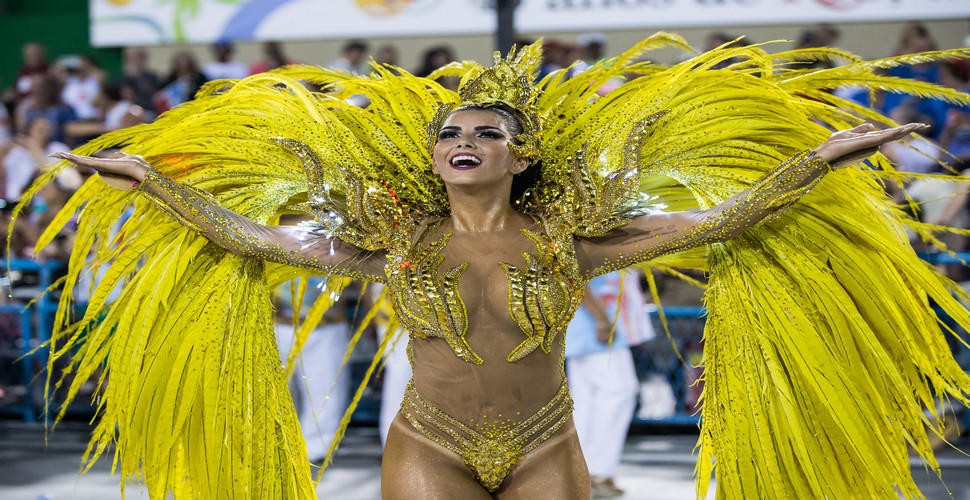
In the state of Bahia, the Salvador Carnaval will begin with an intricate masquerade ball called Baile dos Mascarados and a unique ceremony where the mayor gives the keys of the city to the year's Carnaval King. Bahia is famous for its music and the birthplace of many genres of Brazilian music genres like axe, pagode, and samba. Carnaval celebrations in Salvador traditionally include the use of traditional Brazilian musical instruments like the berimbau musical bow and the atabque drums, emitting that distinctive Brazilian sound.
Travellers can watch the parades form a camarote or viewing box along the parade route, for a cost. These private boxes are often accompanied by live music, food, and drinks, as well as an excellent view of the people celebrating below. You can also join in on the independent blocks of the city, where the street parties are raucous, and free. Just follow the music for your particular vibe!
Fortaleza
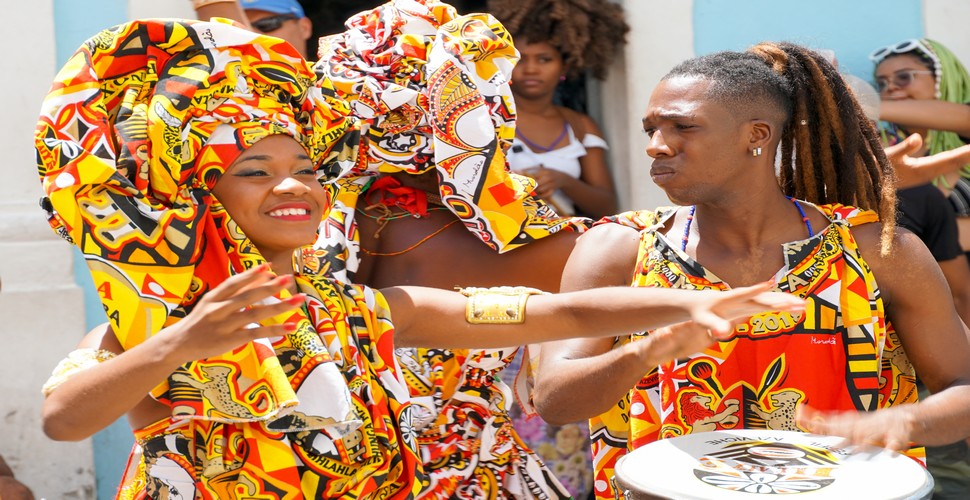
In Fortaleza, the capital of the Ceará state, Carnaval displays varied rhythms, which are slightly different from the dominant sounds of samba and axe. The most popular areas of Fortaleza's Carnaval are Iracema Beach and Avenue Domingos Olimpio, where you'll find the majority of dancing, music and festivities. You may be able to see participants dressed in blackface traditional dress, a tradition of the city's “Maracatu Cearense” to re-enact Afro-Brazilian figureheads. However, the use of blackface in this traditional dance has now been somewhat disallowed for racial reasons.
Diamantina
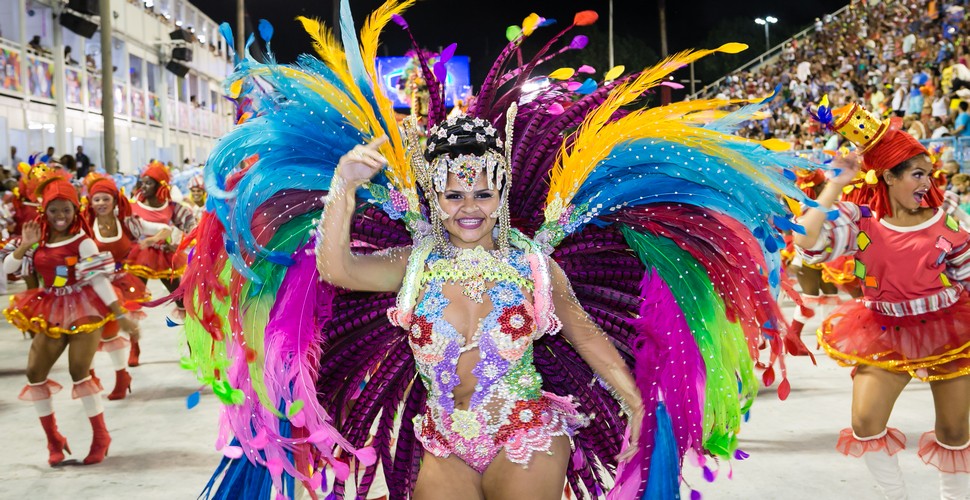
Diamantina is a small colonial town in the state of Minas Gerais and its carnaval takes place though the narrow streets filled with remnants of this small town's rich history. Here the party is never ending with five days of non-stop festivities. By day, the block parties get people dancing down on the cobblestones, and at night, the traditional batucada drum groups take over the streets. Tuesday's main celebration will take place in the Old Market Square of the town.
São Paulo
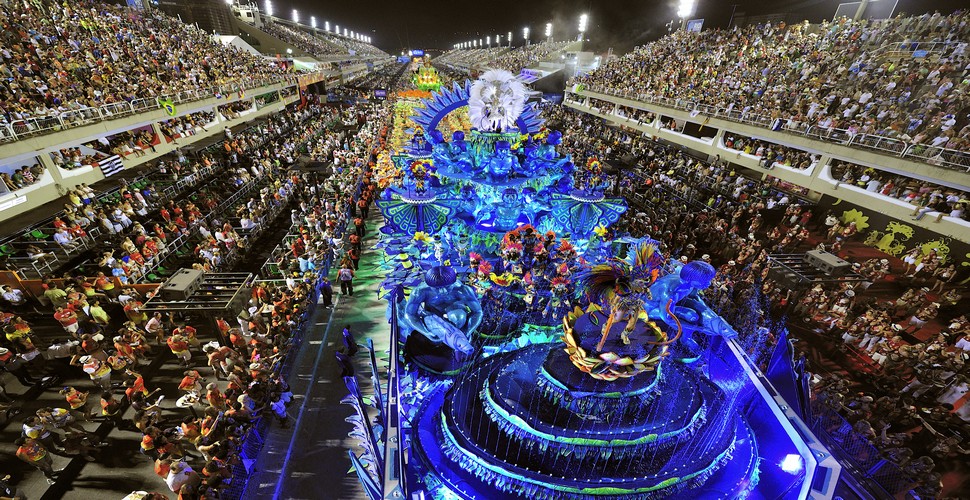
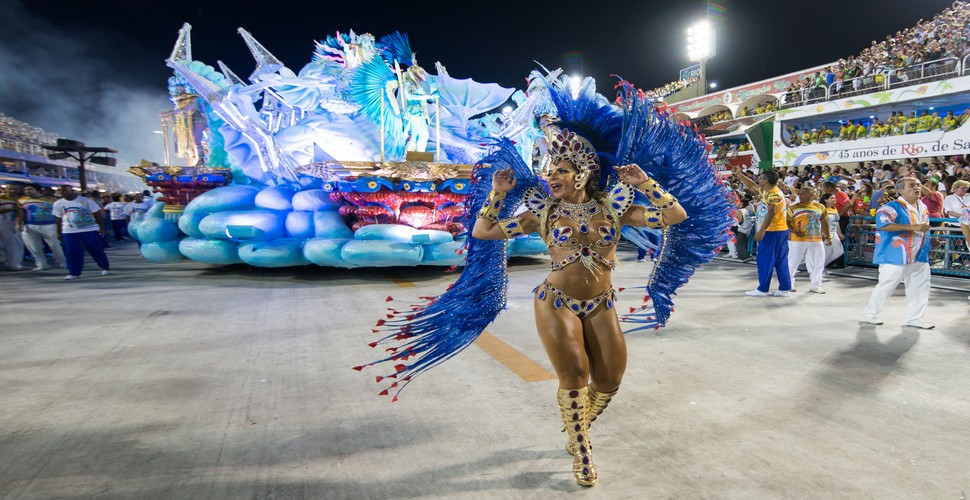
In the same vein as the Rio de Janeiro carnaval, São Paulo has a dance-off between samba schools during its Carnaval at the Anhembi Sambadrome. This is the biggest outdoor event arena in São Paulo and designed by the Brazilian architect Oscar Niemeyer. During carnaval, the city's top samba schools come together to compete for the grand honour of winning the Carnaval championship title. Party-goers in São Paulo can expect to encounter lots of Afro-Brazilian cultural influences and dances as part of the festivities during carnaval as well as daily parades through the city streets.
Florianopolis
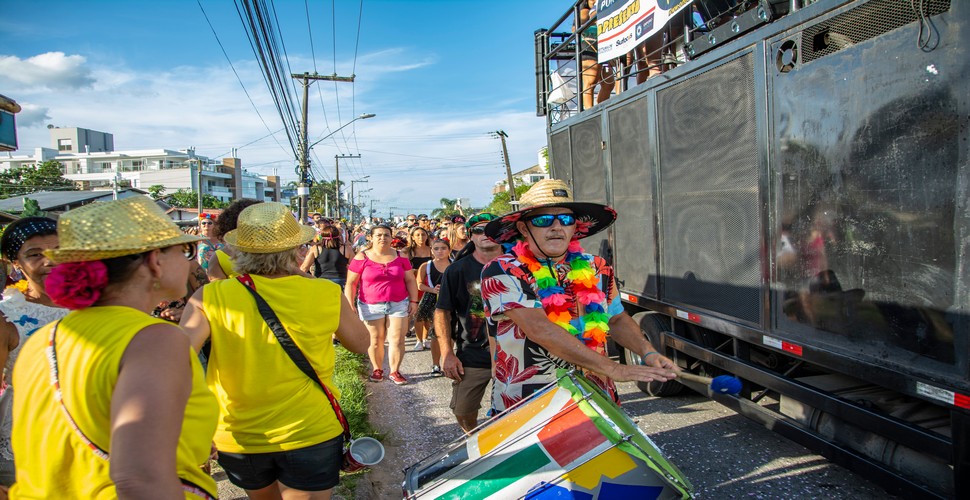
Florianopolis is renowned for its beach culture and hosts one of the most amazing Carnaval celebrations in Brazil. As one of Brazil's more progressive cities, Florianopolis' celebrations are more welcoming to LGBT partiers, particularly on Magic Island, where there is a lively street party. In the centre of the city, you can witness samba schools parading on the Pasarelo do Samba, where locals and tourists of all ages are welcome to participate.
Olinda and Recife
The cities of Olinda and Recife offer some of the most traditional and unique Carnaval experiences in Brazil. Recife has its own distinctive Carnaval emblem- the Galo da Madrugada, or Rooster of the Dawn, and millions of party-goers follow this traditional emblem from the city's historic fort to the harbour on the Saturday morning parade while dancing to “frevo”, Recife's own genre of Carnaval music.
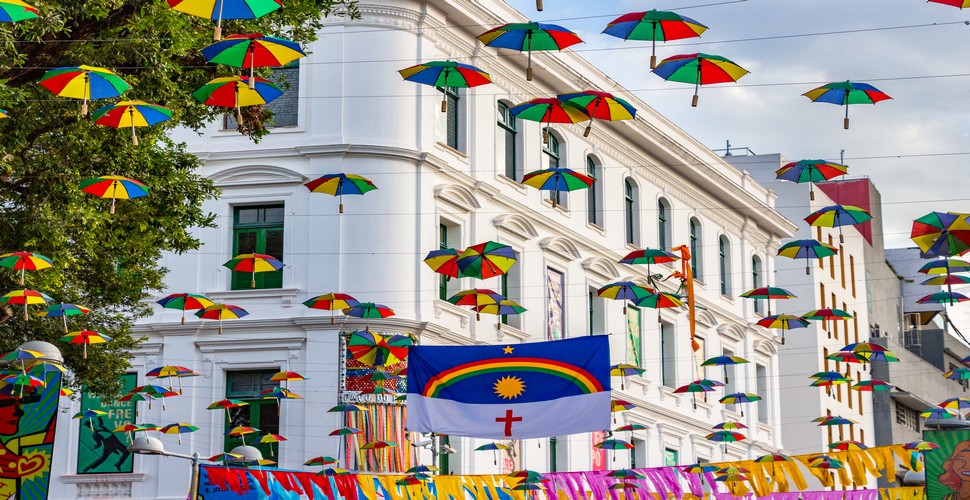
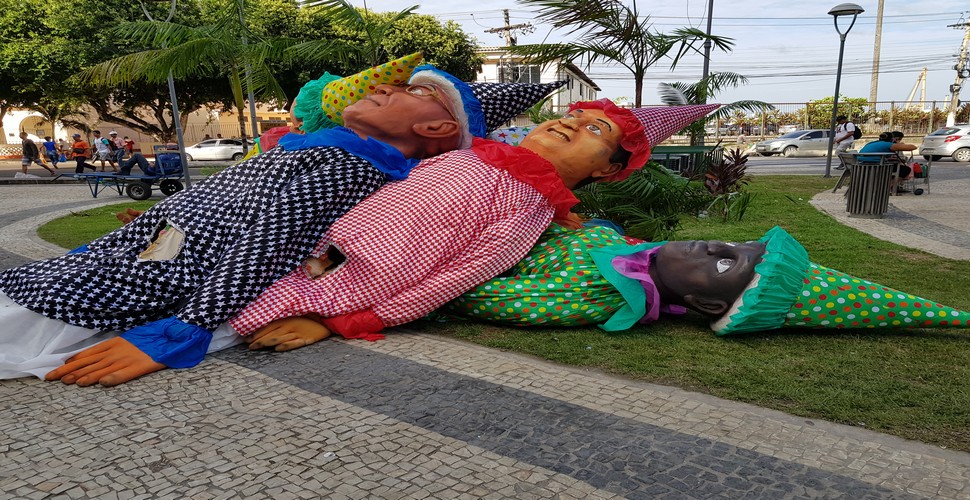
Recife's neighbour, Olinda, also has carnival dancers jumping along with umbrellas to frevo rhythms. In Olinda however, the five-day festival begins with a parade of giant puppets known as mamulengos and is generally a smaller and more intimate celebration than the festival in Recife.
Manaus
In the Brazilian Amazon, close to the Peruvian border, Manaus' remote location is perfect for one of Brazil's most unique Carnaval celebrations. The creation of the "Carnaboi" fiesta combines the celebration of Carnaval with the traditions of the Amazon´s indigenous peoples' Boi Bumba festival, for the most famous Carnaval in the Amazon region. The Manaus Carnaval maintains the customs of celebrations held in the early 20th century, the parade of traditional costumes, intertwined with indigenous costumes and traditional dances from the nearby communities.
Rio de Janeiro
The emblematic host of the world's most famous Carnaval celebration, Rio de Janeiro is officially Brazil’s carnaval capital. Featuring enormous parades and passionate dancers showing their talents from the 12 best samba schools in the city, as the samba into the Sambadrome, competing to be the carnaval champion, however this isn’t the only attraction on offer in Rio de Janeiro.Carnaval in Rio actually begins and ends with the local neighbourhood street parties. The Cariocas take to the streets to dance, following decorated floats that amble through the city, blasting music for all to hear. Full of creativity and a sense of humour, these parties contribute to the city's joyful energy and are open for anyone to attend.