
Planning a trip to Chile requires careful preparation due to its unique geography and diverse climates. From navigating visa requirements and health precautions to choosing the right transportation and accommodation, this guide provides the essential tools to ensure a seamless and memorable adventure across this stunning South American destination.
Passport and Visa Requirements
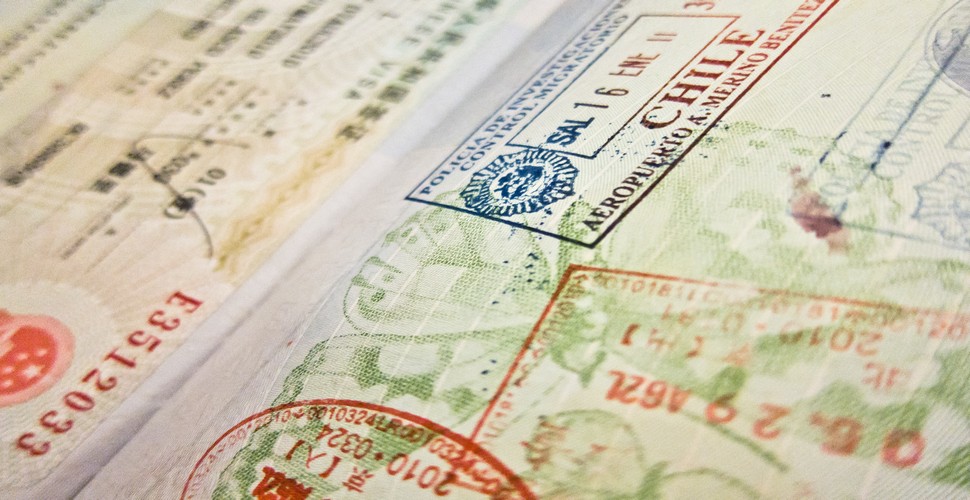
Being aware of any passport and visa issues is an excellent idea. Check with the embassy in your home country to ensure the requirements to enter Chile for your particular nationality. Your passport must be in good condition and valid for your stay. You do not need a visa for a tourist or business stay of 90 days or fewer (if traveling on a tourist passport). Upon arrival, you will receive a Tourist Card valid for up to 90 days, which you can extend for another 90 days by paying $100 US at the Chilean Immigration Office and which you must return upon departure. Failure to return this card may delay your release from Chile. If lost or stolen, you must replace the card at an International Police Office or the airport before leaving. You will face a fine if you remain longer than allowed, and you will not be able to leave Chile until the fine is paid.
Travel Health
Medical care in Chile is generally good, though it may not meet U.S. or European standards in remote areas. Major hospitals accept credit cards. We strongly recommend supplemental insurance to cover medical evacuation and ensure your plan includes COVID-19 coverage.
Health Precautions
If traveling with prescription medication, check with the government of Chile to ensure the drug is legal. Always carry a sufficient supply in original packaging with your doctor’s prescription. Be aware that air pollution is a concern in many parts of Chile during winter (May-August), and the ozone layer is thin, so protect yourself from ultraviolet radiation.

Booking Accommodation
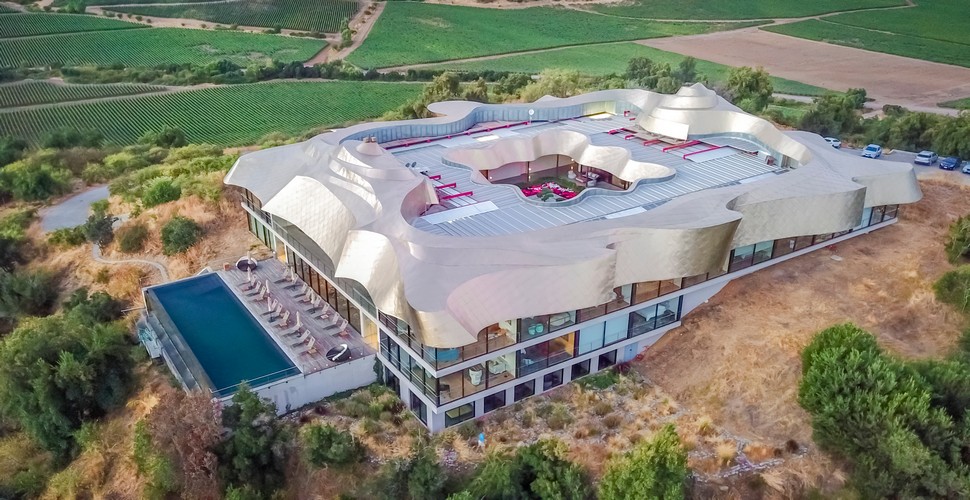
Hotels in Chile range from backpackers’ hostels to 5-star luxury accommodations. We recommend using platforms like Booking.com, Hotels.com, Expedia.com, and Airbnb to find the best deals.
Flight Bookings
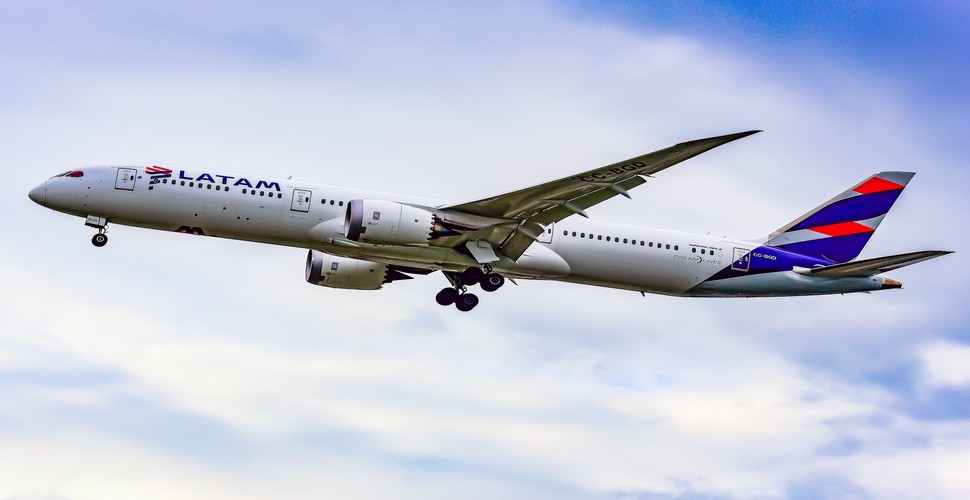
Chile´s biggest flag carriers, LATAM and Aero Sky, offer regular deals if you book in advance. You can also find international flights using sites like Skyscanner, Despegar, or Kayak.
Rent a Car Options
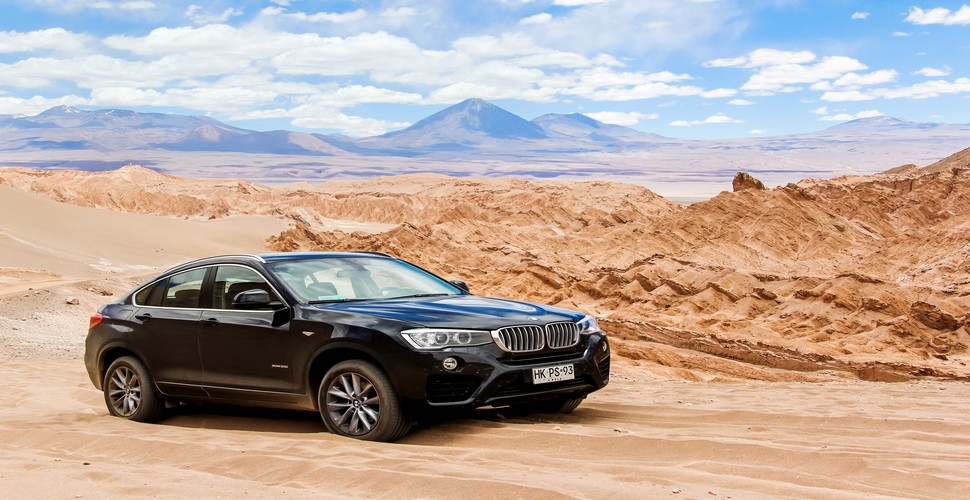
While major highways are modern, many rural roads leading to National Parks are gravel. If you plan a trip on rural roads, we recommend renting a pick-up or a 4×4 vehicle. Recommended companies include Hertz, First, and Budget.
Climate
Chile is 2,653 miles long, resulting in highly diverse climates. Seasons are reversed from the Northern Hemisphere. The northern regions contain the Atacama Desert, while the south gets significantly colder, requiring appropriate clothing for your visit to Patagonia.

What To Expect
Language
The official language is Spanish. Few Chileans outside the tourism industry speak English, so learning a few basic phrases is highly recommended and appreciated by locals.
Currency
The currency is the Chilean peso. Credit cards are widely accepted in cities, but carry cash for smaller businesses and rural areas. Redbanc ATMs are the most common way to withdraw money.
Plugs and Sockets
Chile uses power plugs type C and L with a standard voltage of 220 V. We recommend bringing a universal adapter with surge protection.
Safety
Most of Chile is highly safe to visit. However, you should remain vigilant in tourist hotspots, restaurants, and public transportation in cities like Santiago and Valparaiso, where pickpocketing can occur.