
Claire
Travel in South America is a joy to behold. The rich variety of destinations, experiences, landscapes and geography fascinated me so much, that I chose to relocate here, over 20 years ago! The best thing I ever did! Allow me to share my knowledge and passion for Central and South America with you and help you plan your holiday of a lifetime!
EXPLORING CHIMBORAZO
Written by:Claire
Last Update: 2026-09-04
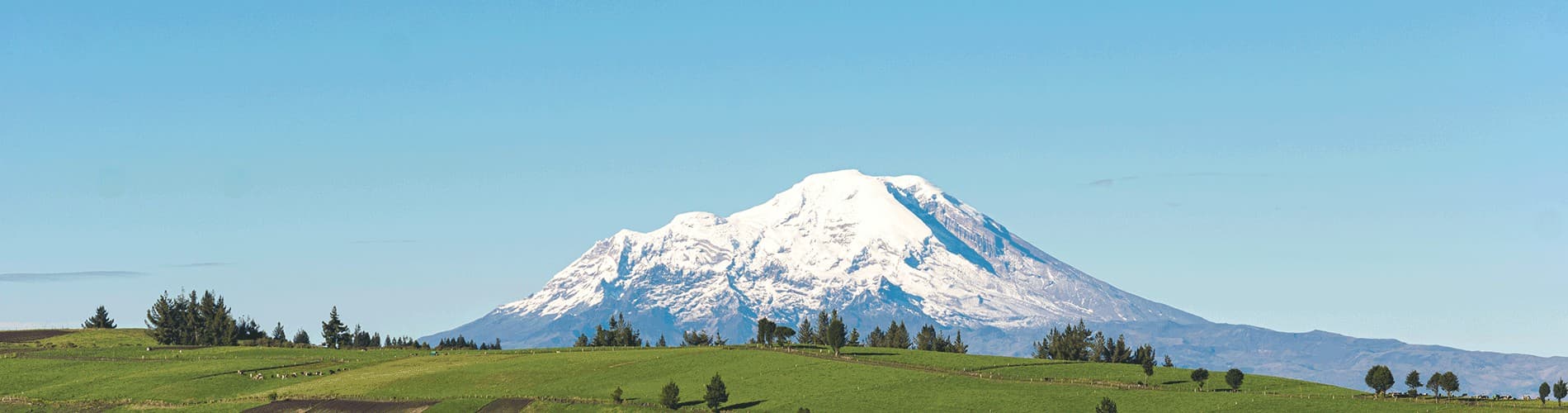
The Chimborazo Wildlife Reserve, located on the slopes of the highest mountain in Ecuador, which happens to be an inactive (at least for now!) volcano, is visited all year-round by adventure travellers who come to hike, bike, and climb this unique Andean habitat. Home to an incredible variety of flora and fauna, it perfect for a fascinating getaway for the more adventurous among us!
Chimborazo national reserve
Where to stay
Riobamba
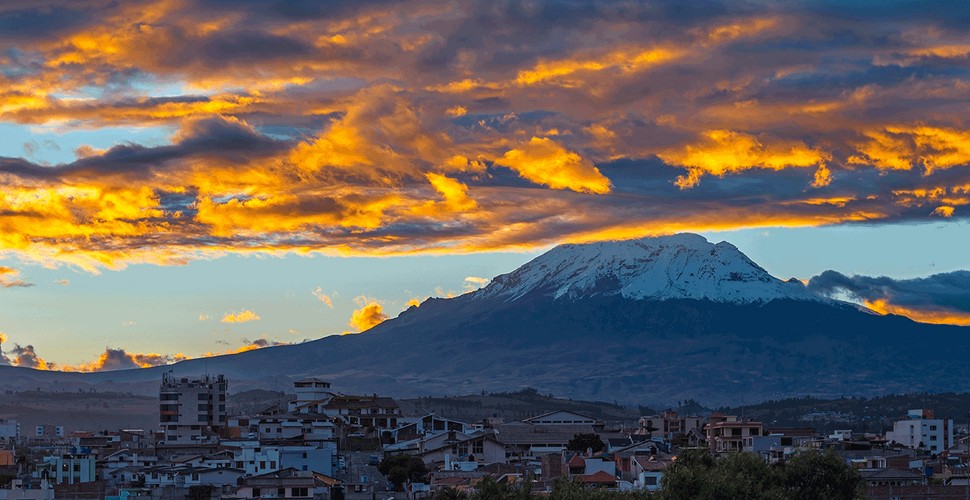
The closest city to the Chimborazo Wildlife Reserve is Riobamba. The drive from the centre of town to the main entrance of the reserve takes about 45 minutes. The majority of hotels can recommend a driver who will take you there for a day trip.
Riobamba
Chimborazo Lodge
Is the only place to stay within a short drive of the main entrance to the reserve. This Germanic-style accommodation is the creation of Marco Cruz, a well-known Ecuadorian climber who made a name for himself in the late 1960s and 1970s. He built the lodge to help climbers adapt to the high altitude before climbing the summit, however today, it is popular with a wide variety of guests, from birdwatchers looking for the Star of Chimborazo hummingbird, which can be found on the property, to nature lovers hoping to see a white-tailed deer or an Andean fox; to those wanting to explore the local hiking trails in the area.
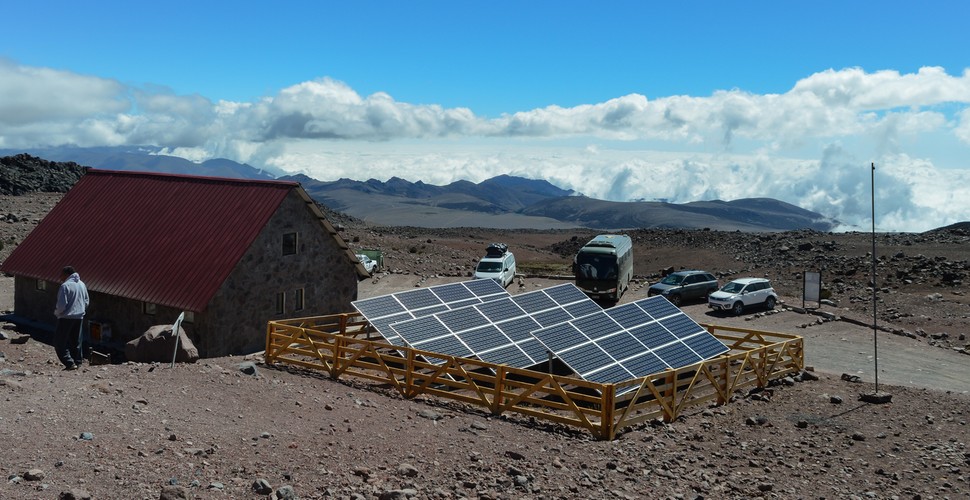
The Carrel Refuge
The carrel refuge
You will need to reserve ahead of time, if you want to stay at The Carrel Refuge or The Edward Whymper Refuge. The basic but comfortable hostel-like lodgings, provided a bed for mountain climbers acclimatizing before summitting the Chimborazo Volcano. There are no private rooms, only shared dorm style, bunk beds, so pack your own sleeping bag! Camping can also be arranged. These locations are found at a whopping 4,800 m elevation (15,750 feet) and 5,000 m (16,400 feet) respectively.
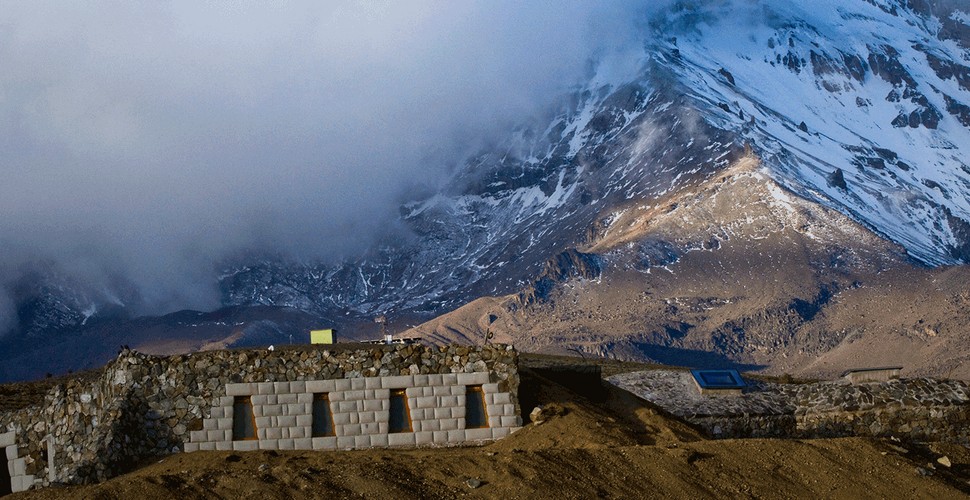
Where to eat
There are only two places within the Chimborazo Wildlife Reserve to purchase a meal. Both the Carrel Refuge and the Edward Whymper Refuge run kitchens, and it is usually possible to purchase hot drinks and snacks. Both refuges offer breakfast and lunch but can run out of food on the busier days, so it is always an idea to pack high energy snacks and carry your own water, just in case!
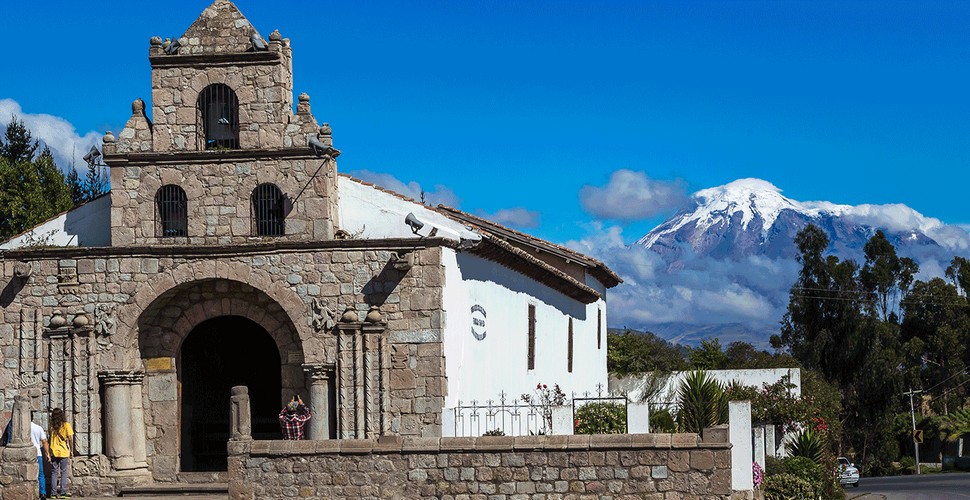
Village near Chimborazo
Things to do
Visit the Carrel Refuge
The drive from the reserve entrance to the Carrel Refuge is part of the adventure. The road traverse’s high elevation pampa, gaining altitude at every turn. The views of the surrounding countryside are spectacular on a clear day. The actual Carrel Refuge is a large parking area with access to the trail that heads to the Edward Whymper Refuge. If you don’t plan on hiking to the summit, walk up the trail about 30 metres to the memorial monument and enjoy the impressive view of the Chimborazo volcano.
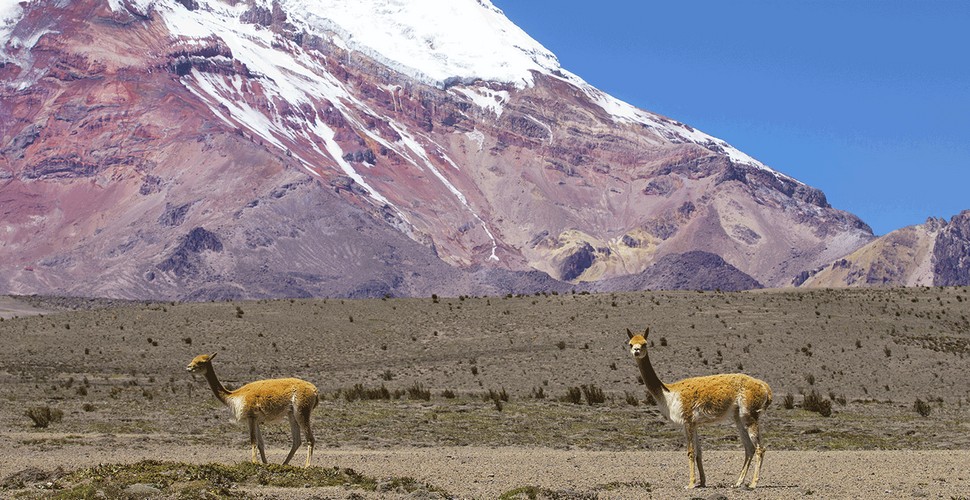
Vicuñas near the Carrel refuge
Hike to the Edward Whymper Refuge
Although the Chimborazo mountain trail from the Carrel Refuge to the Edward Whymper Refuge is not long in distance and climbs just 60 metres in elevation, but don’t let this mislead you! it is a difficult trek, even for those in good hiking condition! On holidays and weekends, there will be a genuine “chagra”, or Ecuadorian cowboy, offering horseback rides, for those who don’t fancy the walk!
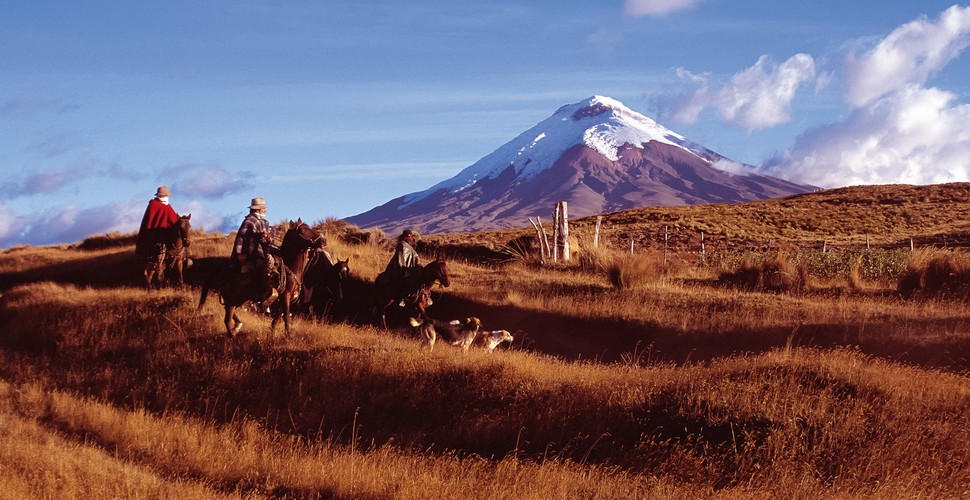
Chagra cowboys
If weather conditions allow, consider hiking uphill past the refuge to a small, high alpine lake formed by glacial water. Heed the warning signs, however, as this glacier may look solid but often experiences small avalanches of rocks and ice, especially on warmer days.
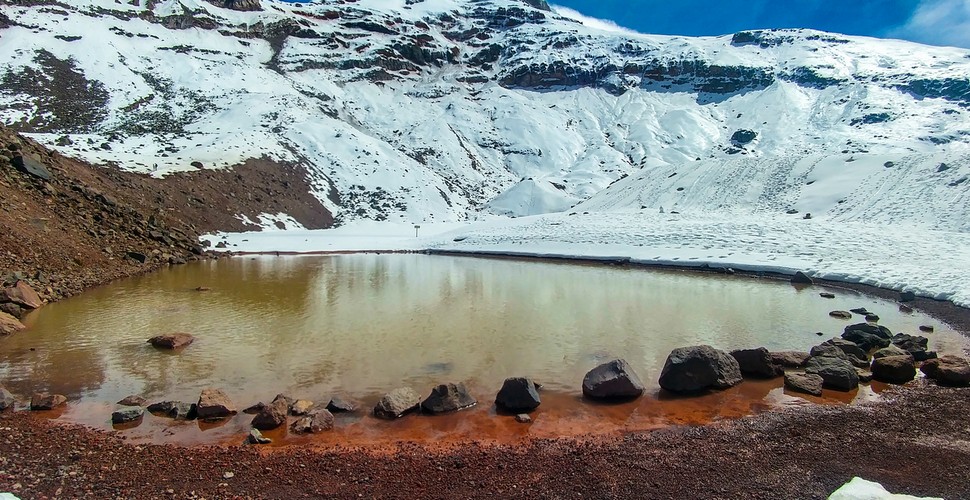
Glacial lake on Chimborazo
Check out the Polylepis Forest
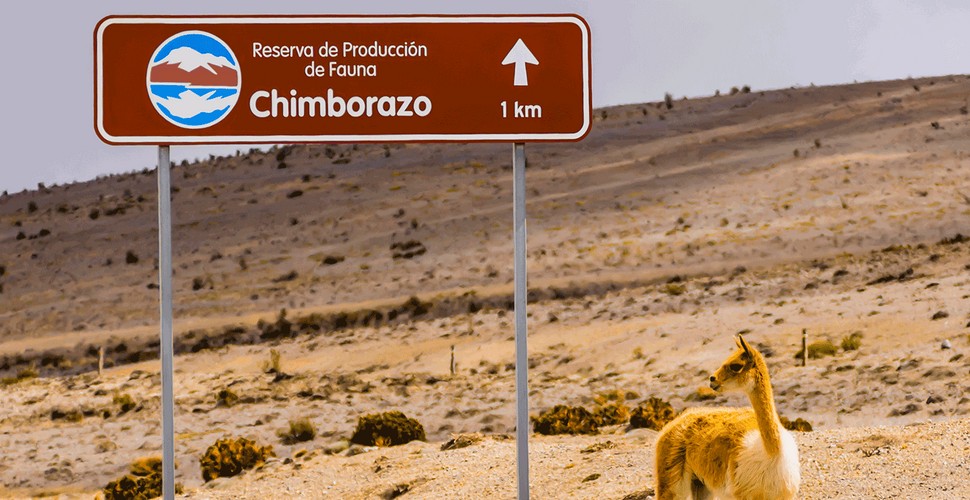
On the main highway not far from the Chimborazo Lodge is a sign directing you to the Polylepis Forest. The dirt road is in fair condition and takes you across the desert-like terrain where herds of vicuña often graze. The hiking trail climbs slightly in elevation, but is in a decent condition, enabling you to appreciate the magnificent views of the surrounding countryside. Hiking in the early morning and late afternoon increases the chance of seeing Chimborazo from the trail due to lesser cloud cover. Your final destination is a stand of ancient trees that once covered large parts of the Ecuadorian Andes.
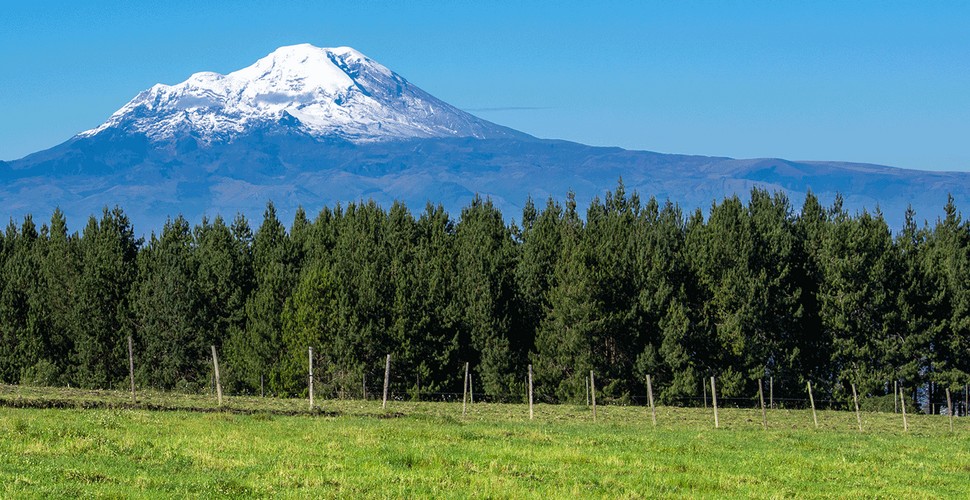
Polylepis Forest
Hit the Iceman Trail
The Last Iceman of Chimborazo, Baltazar Ushca Tenesaca, is the last person to harvest ice from the Chimborazo glacier. His weekly route is now a hiking trail that can be accessed and is approximately 10 km long with an elevation gain of almost 1,525 metres.
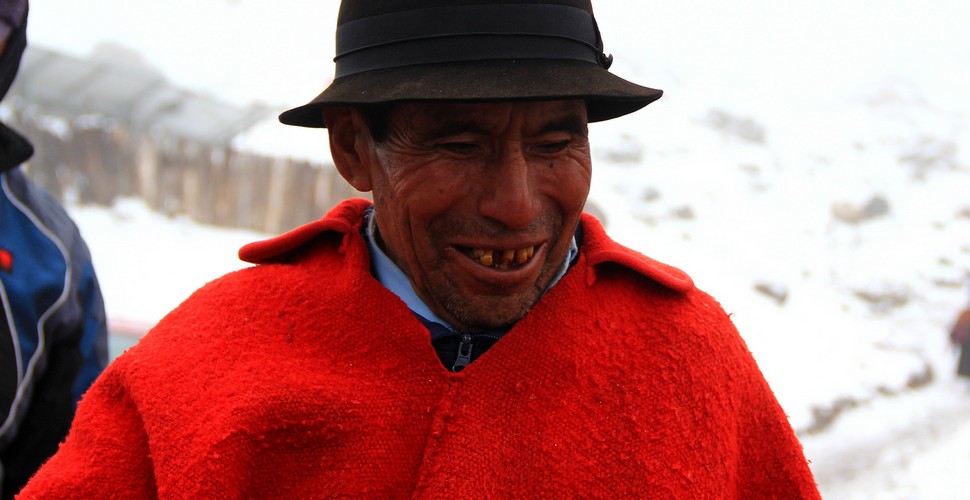
Ice man of Chimborazo
Go mountain biking
There are several tour companies offering mountain bike tours of the Chimborazo Wildlife Reserve. The most popular drops clients and bikes at the parking lot of the Carrel Refuge where they make their way down the volcano on a well-designed, steep, downhill trail.
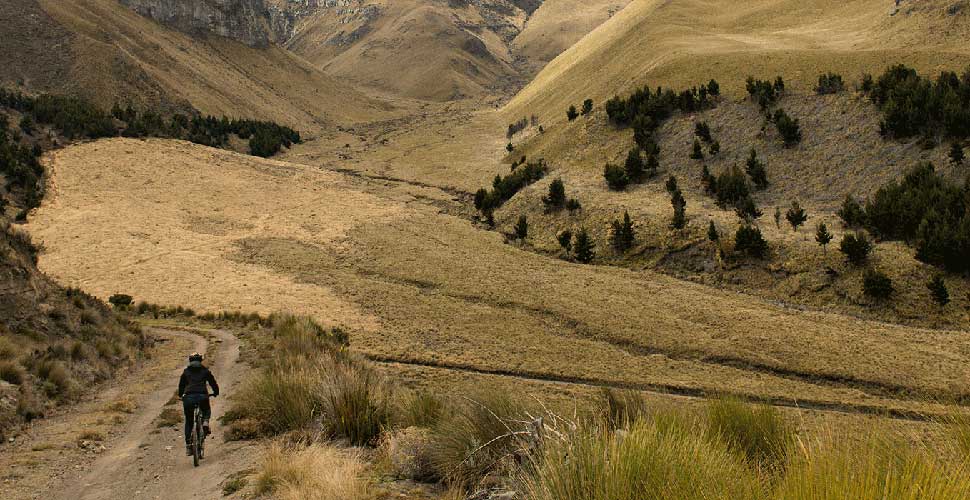
Mountain biking on Chimborazo
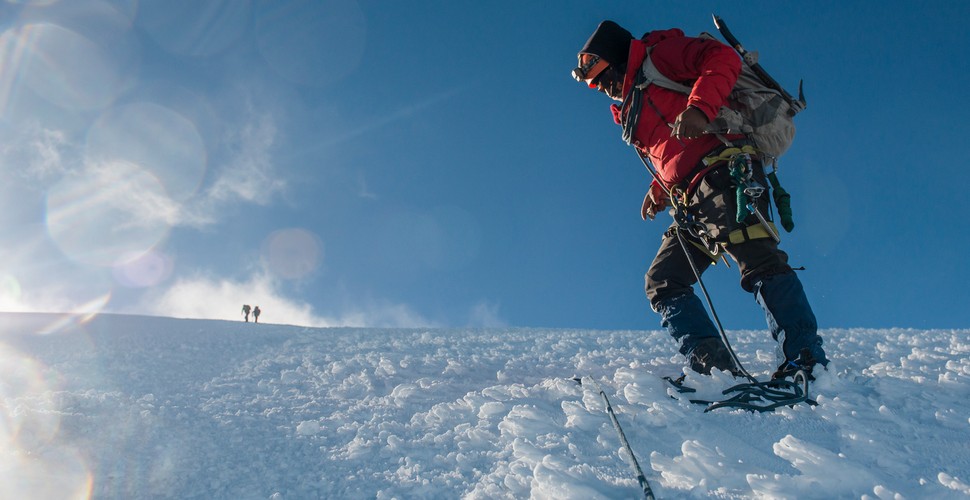
Climb to the summit of Chimborazo
Mountain climbers from around the world come to Ecuador to climb to the summit of the highest mountain in the world. If you are thinking hey, what about Everest? Chimborazo is actually the highest mountain on the planet, when measured from the centre of the earth rather than by sea level. Chimborazo makes an excellent first summit for novice mountain climbers, as the ascent requires little technical experience.