
While the Galapagos Islands often steal the spotlight, mainland Ecuador is a treasure trove of hidden gems and adrenaline-fueled adventures. From the roaring rapids of the Amazon basin to the towering peaks of the Andes and the pristine Pacific coastline, the mainland offers an unparalleled playground for outdoor enthusiasts.
Whether you are looking to conquer high-altitude volcanoes, mountain bike through cloud forests, or explore ancient Inca trails, this guide highlights the essential destinations for an unforgettable Ecuadorian adventure beyond the archipelago.
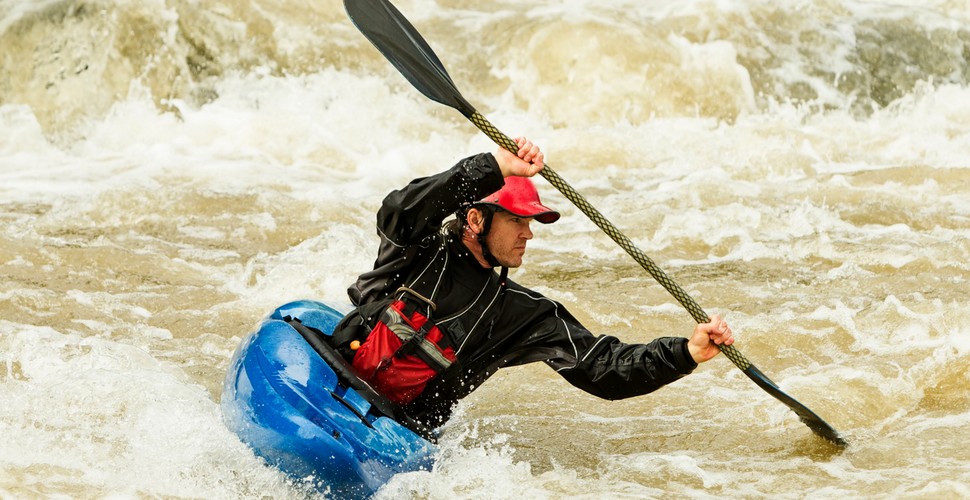
Kayak class IV rapids in Tena
The upper Rio Napo and its tributaries are well-known in the world of white-water rafting and kayaking. This area, known as the Jatunyacu (‘big water’ in Quichua), has rapids from class I to class IV, making it a perfect place to visit for kayakers of all levels. High season is December-February, when rivers in the United States are frozen and the waters of the Amazon Basin are running full and fast.
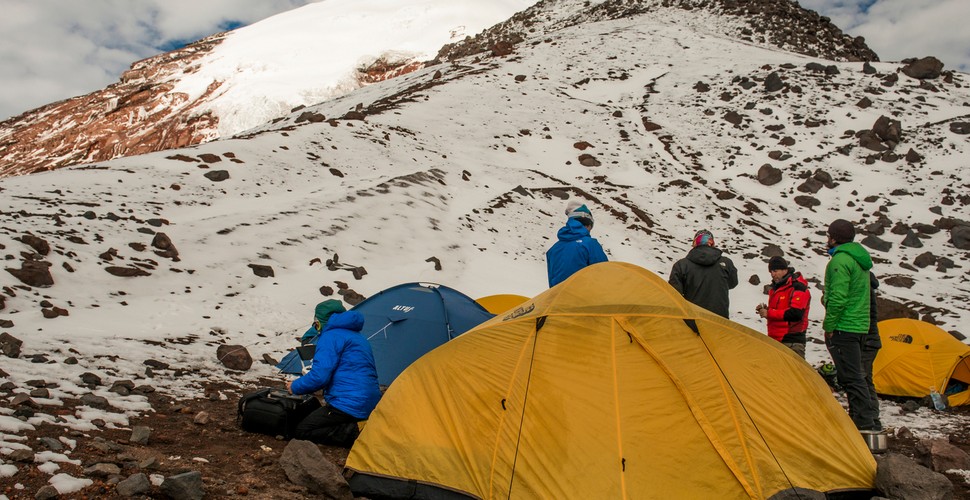
Climb Chimborazo
International mountaineers come to climb Chimborazo volcano because it is the highest mountain in the world when measured from the centre of the earth rather than by sea level. It is also popular for mountaineers beginning on their quest, as the trek requires little technical experience and you can reach its summit relatively easily.
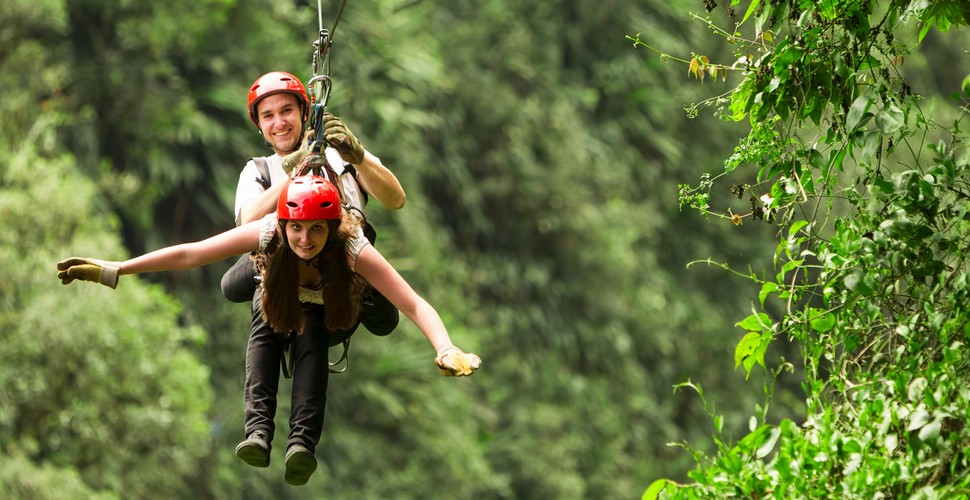
Zipline across canyons in Baños de Agua Santa
Found just outside of the tourism capital of Baños, the canyons and beautiful waterfall found close to this spa town are spectacular. Local people, with a sense of adventure decided that the tram connecting the main road with hiking trails on the far side of the canyon was not exciting enough, so they added a zip line for adrenalin junkies looking for that little extra!
Mountain bike back country roads
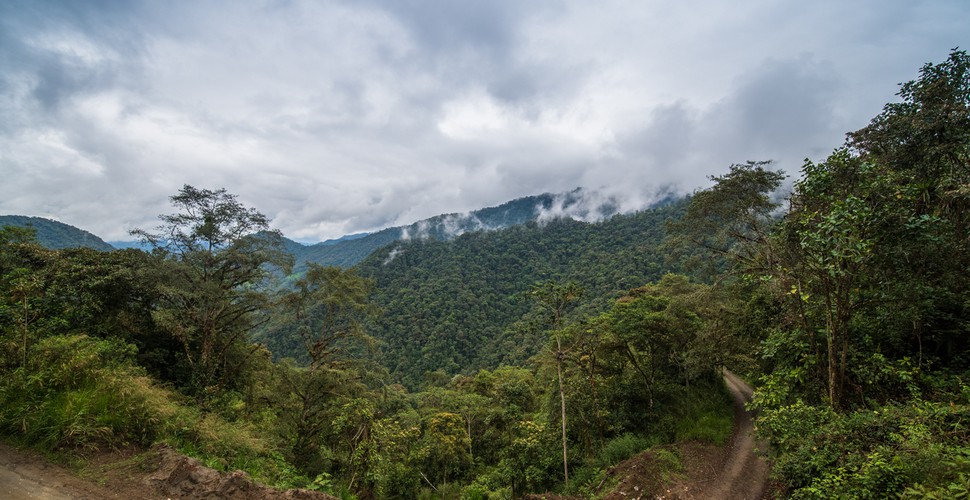
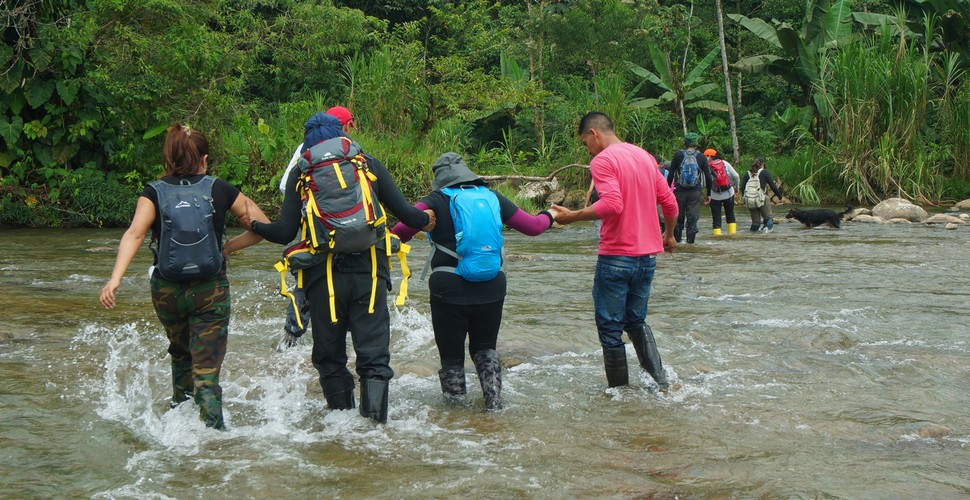
About 65 km outside of Quito is a popular mountain biking region along the Pacto-Mashpi Route route that connects the village of Pacto with the even smaller community of Mashpi. This mountainous trail, running through the Mashpi-Guaycuyacu-Sahuangal Conservation Area, will test your legs, as you cycle from 480 m elevation to 1,555 M.A.S.L. After a good downpour, the 39 km long trail can be somewhat muddy, so go prepared!
Nono to Mindo
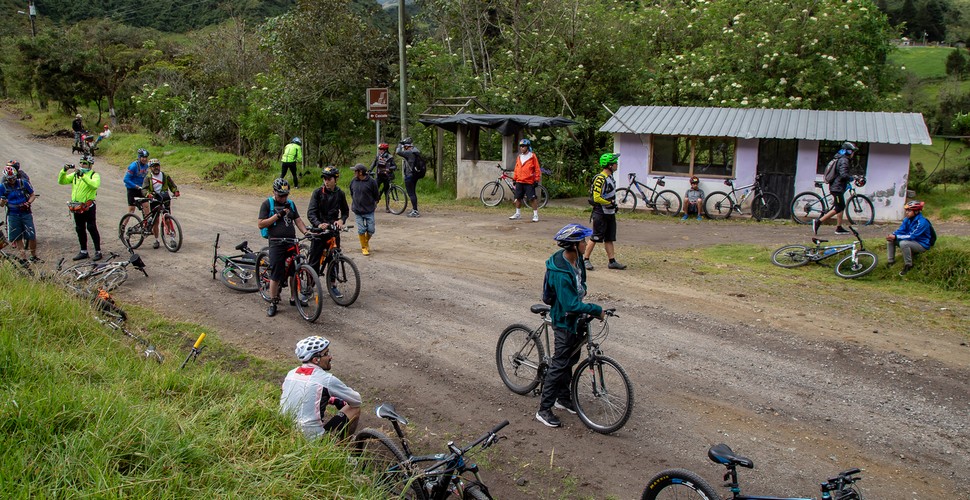
The old road to Mindo from Nono, just outside of Quito, is famous for bird spotting and is also an excellent trail for mountain bikers. Beginning in Nono, the route heads downhill with a 1,524 metre drop in elevation, along 51 km of road. The road passes through secondary cloud forest and high pastureland and is often washed out during the rainy season, so it is important to ask about local conditions before you venture out.
Dive in Machalilla National Park
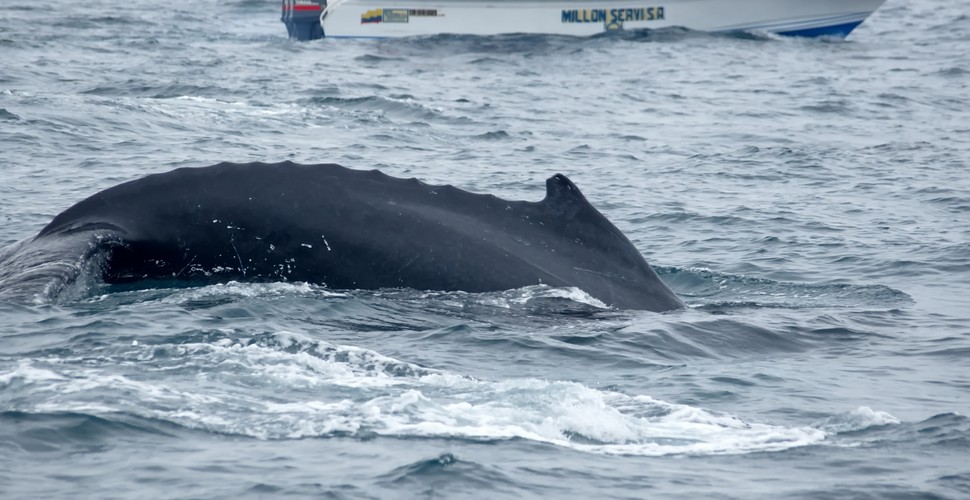
Just off the Pacific coast of Ecuador lies a small island often called the Poor Man’s Galapagos. Isla de la Plata forms part of the Machalilla National Park and is where the chilly Humboldt current meets with the warmer water from the north Pacific and this mixture attracts sea life such as sea turtles, dolphins, sharks, and manta rays. During the months of July and August, whales migrate through this region, as an added, natural bonus.
Kitesurf at Santa Marianita
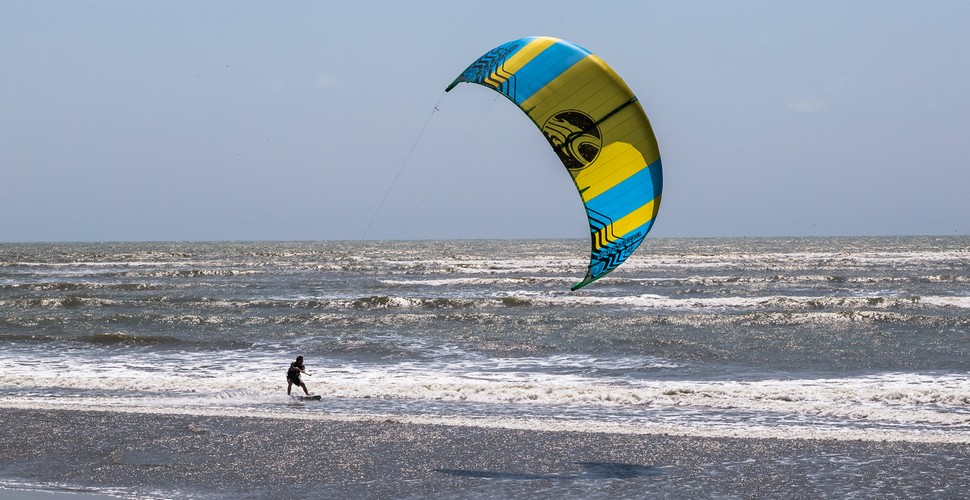
Strap on a “snowboard”, add a kite, wind, and waves and you’re ready to kitesurf. The best location for this refreshing and breezy pastime is located near Manta, Ecuador on the beach at Santa Marianita. The windy season is from May to January when the beach is virtually empty, due to everyone being out on the water.
Backpack the Ecuadorian High Sierra
The spectacular blue water of the Quilotoa Crater attracts thousands of visitors every year, but few go beyond this viewpoint. The traditional hike generally heads to the water’s edge with a donkey ride back to the top. Why not go against the norm and hike the crater rim instead? This 11 km full-day hike offers unique and impressive views of the crater and its surrounding valleys of Tigua and Chugchilan, to see things from a different perspective.
Camino del Inca
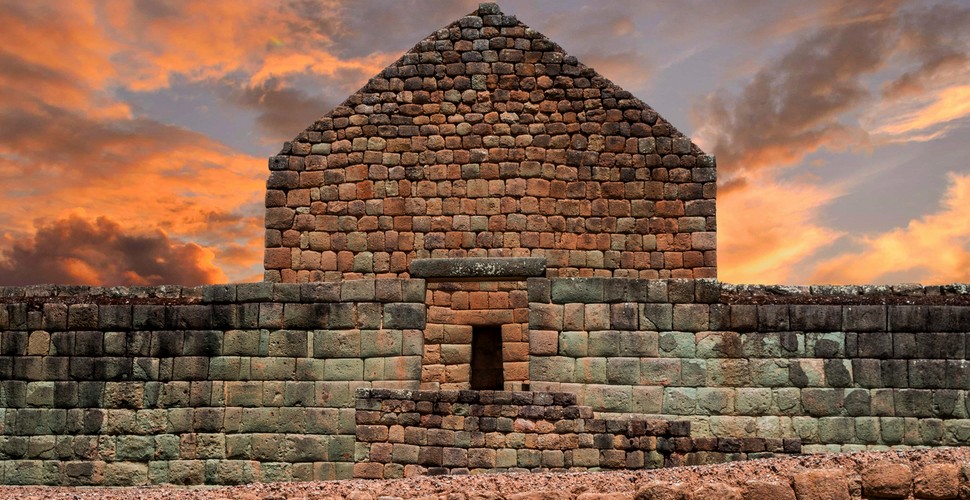
The three-day hike from the small town of Achupallas to the Inca-Cañari ruins at Ingapirca follows an original Inca trail, Ecuadorian style, which was built just before the arrival of the Spanish invaders in the 1500s.
Ruta del Condor
Experience the Ecuadorian Sierra on this trail connecting the majestic Antisana to the stunning Cotopaxi volcano. This four or five day trek involves hiking for 6-8 hours per day, somewhat similar to the more famous Peruvian version, and passes through high altitude grassy meadows and marshy wetlands. The views on the Ruta del Condor are breath-taking and the chance to see Andean wildlife such as the Andean Fox, White-tailed Deer and the magnificent Andean Condor are just some of the other highlights along this trek.