
Discover the fascinating world of Ecuador, a nation defined by its incredible biodiversity, rich Incan history, and unique geographical position on the equator. From the volcanic peaks of the Andes to the legendary Galapagos Islands, explore the facts that make this South American gem a truly remarkable destination.
Ecuador: Rights of Nature and History
Ecuador was the first country to recognize the rights of nature in 2008, establishing that the environment has a legal right to grow and flourish. Additionally, the nation holds a deep historical connection to the Inca Empire, having been incorporated in 1463 after years of resistance by indigenous tribes.

Geography and Biodiversity
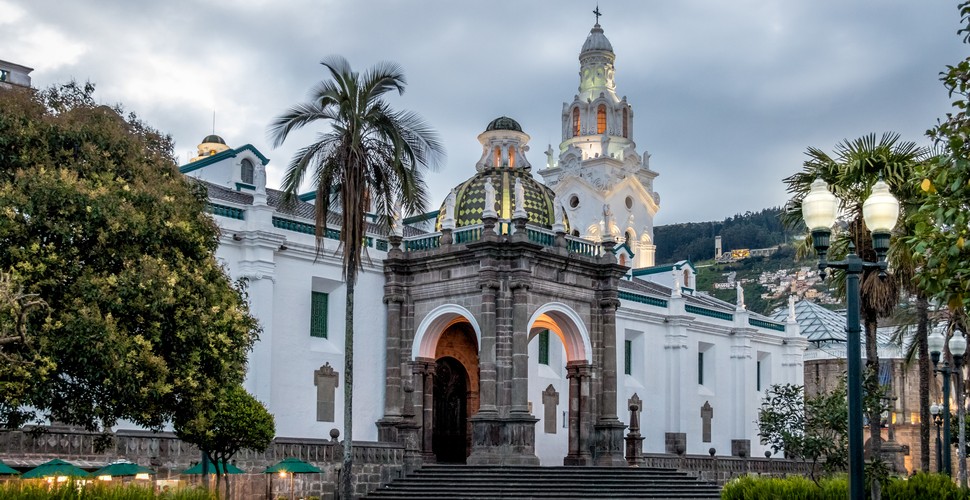
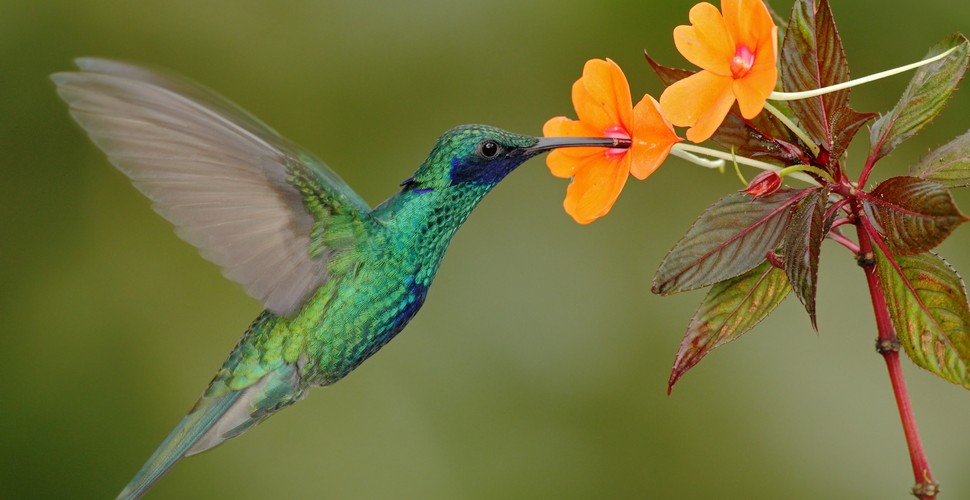
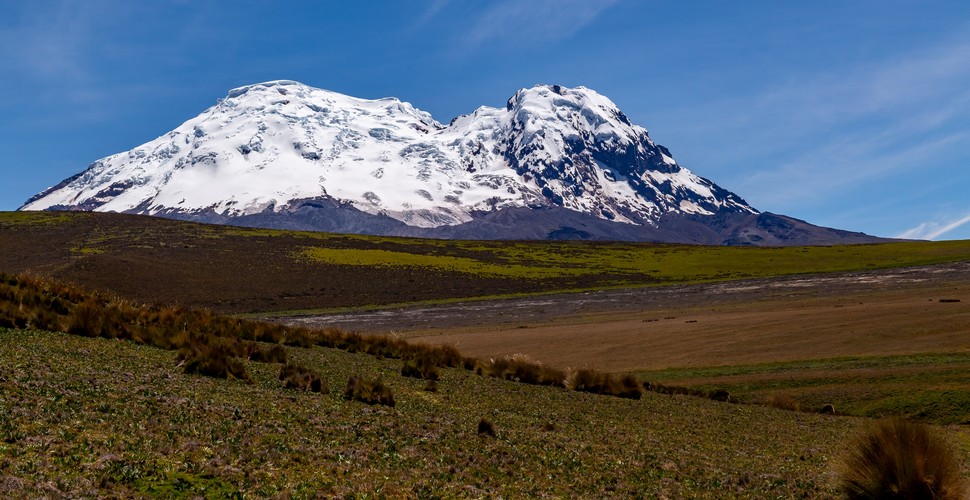
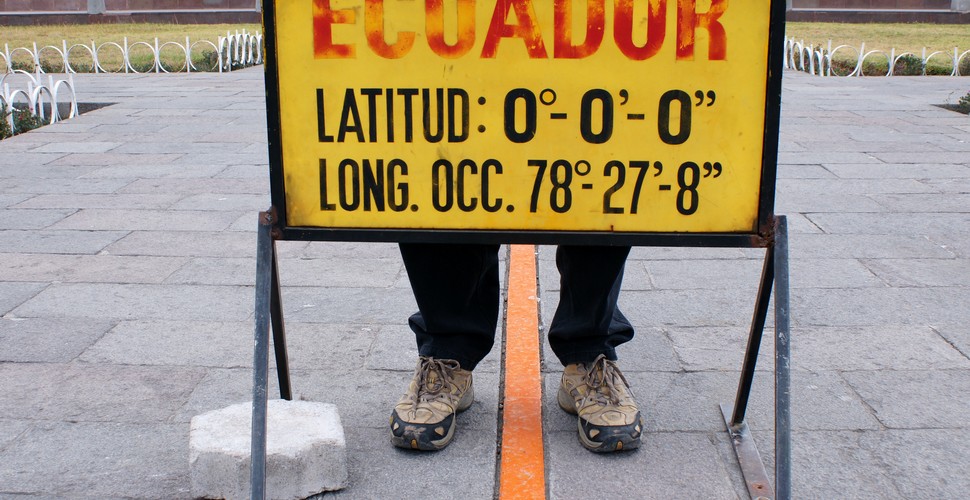
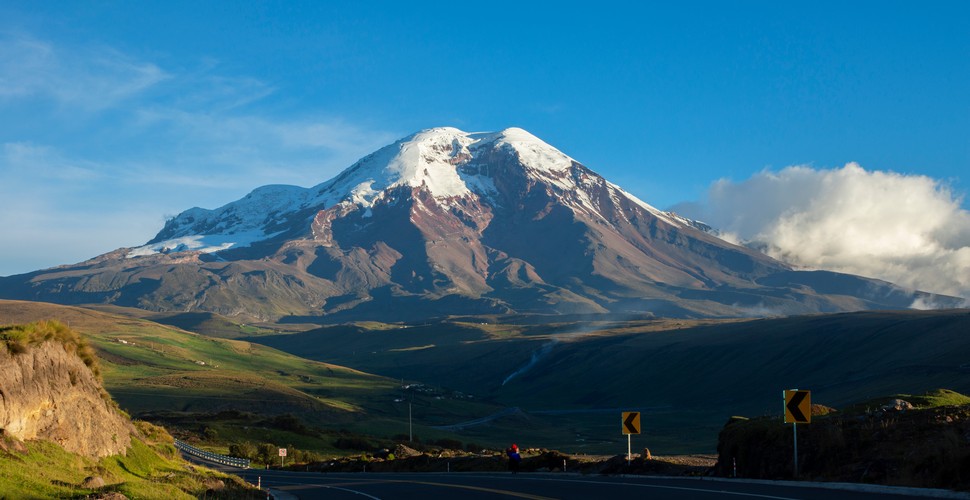
Ecuador is named after the equator, which splits the country in two. It is one of the world's most biodiverse nations, boasting a high density of species, including 15% of the world's bird population. Quito, the capital, is one of the highest in the world and sits closest to the equator, while Mount Chimborazo represents the point on Earth furthest from its center.
Economy and Culture
Ecuador is the world's leading exporter of bananas, which account for over 12% of its exports. The nation also relies heavily on crude oil, which makes up 40% of its exports. Culturally, the country is famous for the Panama hat—which actually originated in Ecuador—and the unique Iguana Park in Guayaquil.
The Galapagos Islands and Natural Wonders
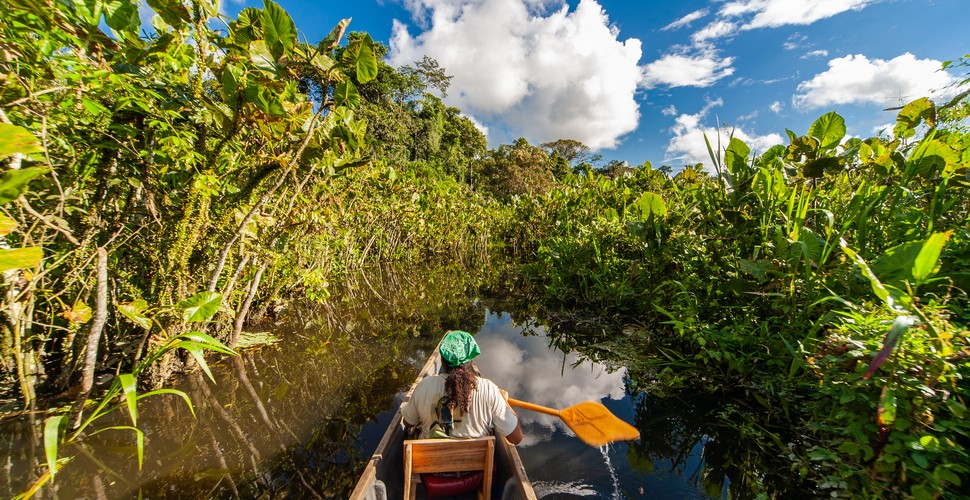
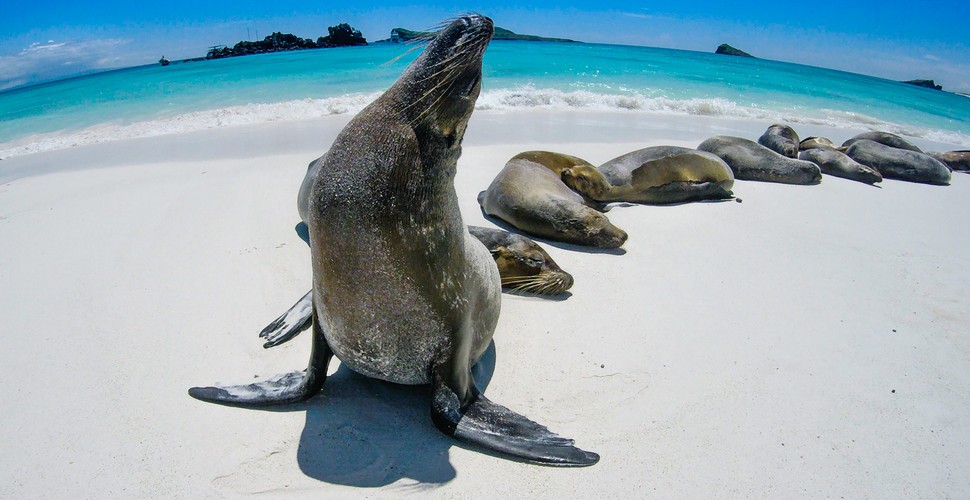
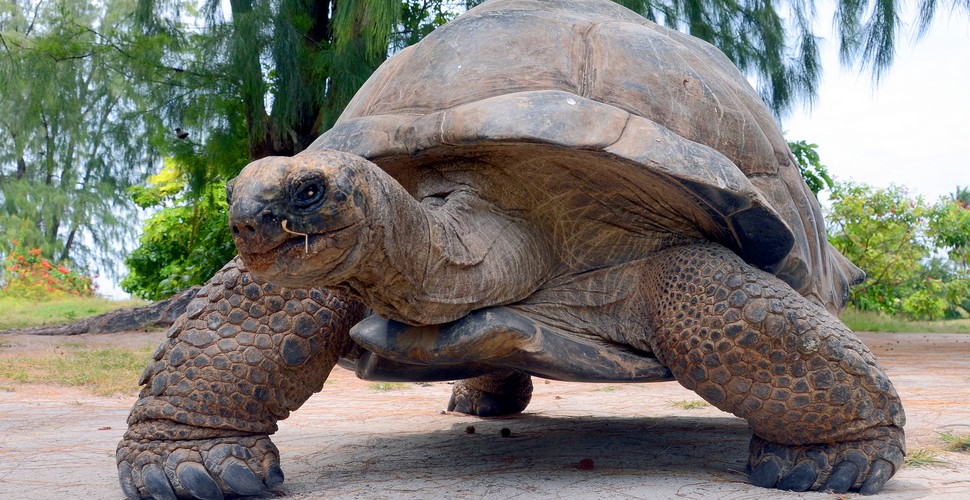
The Galapagos Islands are a crown jewel of Ecuador, home to over 9,000 species and the site where Charles Darwin formulated his theory of evolution. Beyond the islands, Ecuador houses seven mega-volcanoes and the Yasuní National Park, considered one of the most biodiverse areas on the planet.