
Guatemala is a land of breathtaking contrasts, where towering volcanoes meet lush cloud forests and ancient Mayan history blends seamlessly with vibrant modern culture. From the Pacific coast to the Caribbean shores, this Central American gem offers travelers a unique window into a rich heritage defined by indigenous traditions and stunning natural landscapes.
Whether you are planning a cultural expedition or an adventure through the heart of the Mayan world, understanding the local geography, economy, and history is essential for a meaningful trip. Discover everything you need to know about this fascinating country and prepare for an unforgettable journey through the heart of the Americas.
General Information
Highest Point: Tajumulco volcano (4,220 meters above sea level)
Time difference: Guatemala is on Central Standard Time (CST). The country does not adhere to daylight savings time. Guatemala is six hours behind Greenwich Mean Time (GMT).
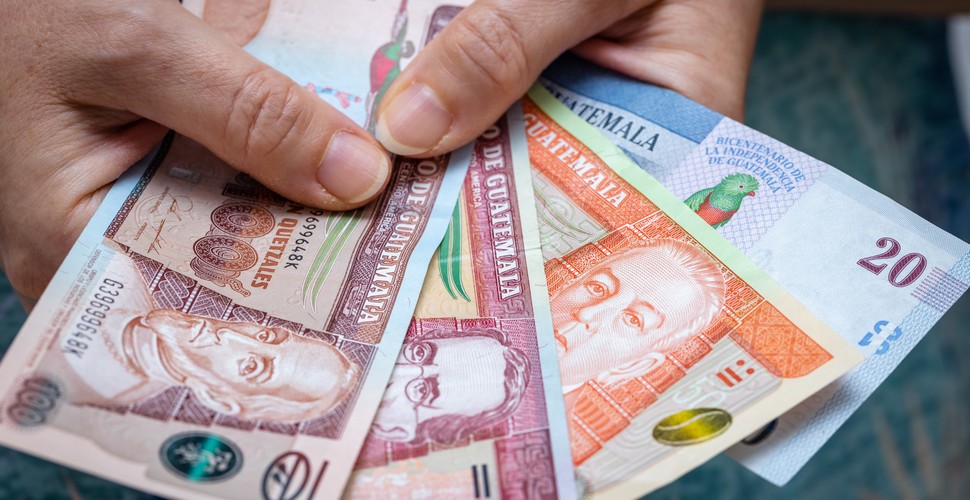
The Currency: 1 euro = 8,55 Quetzales ; 1 USD =7,74 Quetzales
The Main Cities: Guatemala City is the main city in the country, with 1 million inhabitants. Urban areas include Mixco, and Villa Nueva, which exceed 4 million inhabitants. The other main cities of the country are Quetzaltenango (150,000), and San Juan Sacatepéquez (140,000).
Guatemala is the most populous country in Central America. The last census in 2018 states that the country has 17.1 million inhabitants.
Life expectancy: 72.5 years
Birth Rate: 2,90 children
Rural Population: 50%
Literacy Rate: 80%
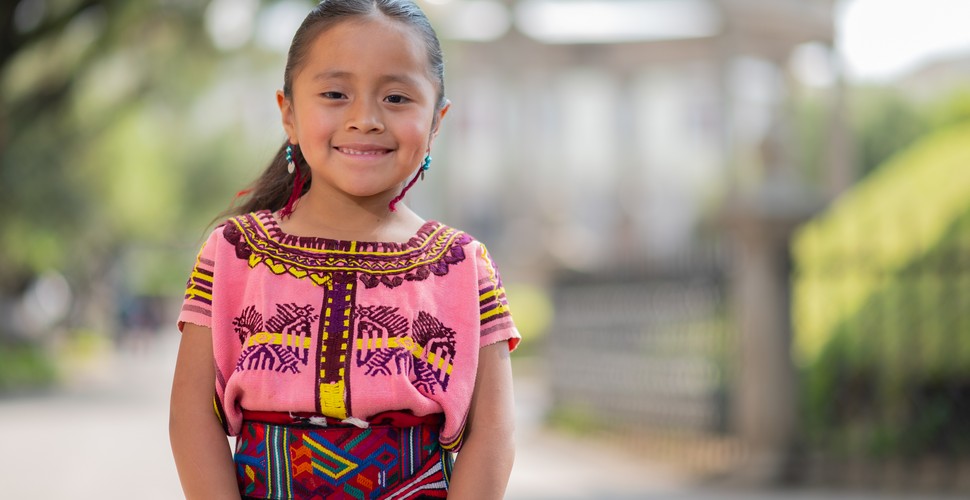
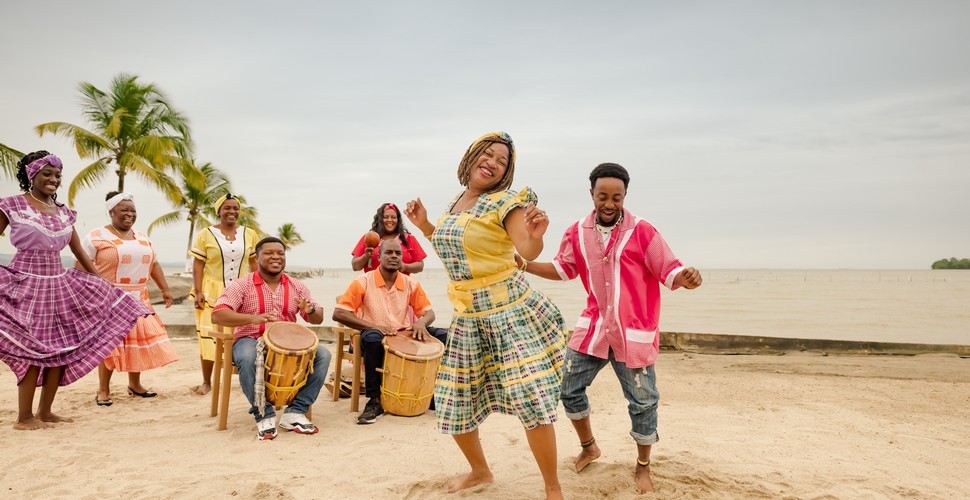
Ethnic composition: 60% “mestizo” (Indian-European), 38% Indian of Mayan origin, 2% Garifuna. K’iche (9%) and Cakchiquel (8%), among other Mayan indigenous populations.
Languages
Spanish is the only official language in the country (60%), but it is not spoken by all ethnic groups. There are 20 languages of Mayan origin, especially spoken on the plateau and in rural areas. The most common are K’iche ’, Cakchiquel, and Q’eqchi, which bring together nearly 3 million speakers. Garifuna, of African Caribbean origin, is spoken on the Caribbean coast, and Xinca of non-Mayan Native American origin is spoken in the southeast of Guatemala.
Religion
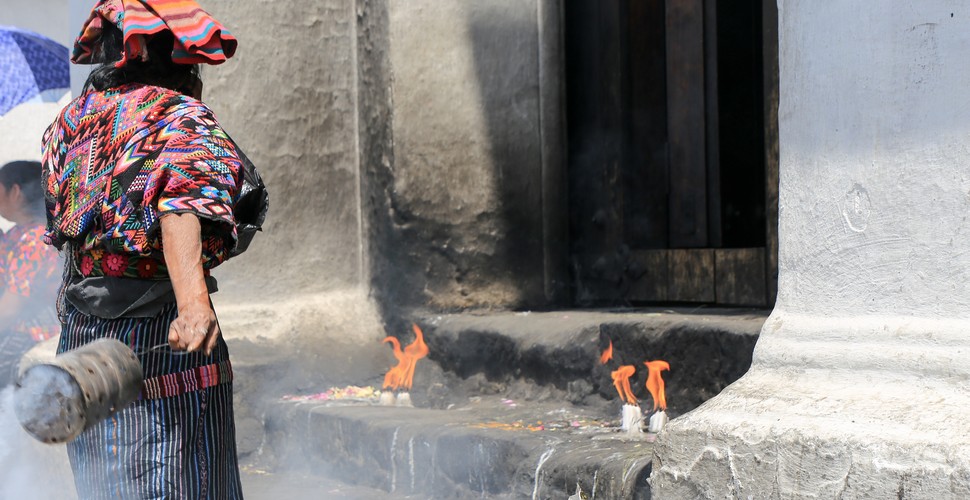
Guatemala has no official religion. The population is 50% Catholic, 40% Protestant, and 10% other. Protestantism is in the process of becoming the majority, especially in rural areas. There is also the largest Orthodox community in Latin America made up of 300,000 people. Christianity remains strongly imbued with ancestral indigenous practices.
Geography
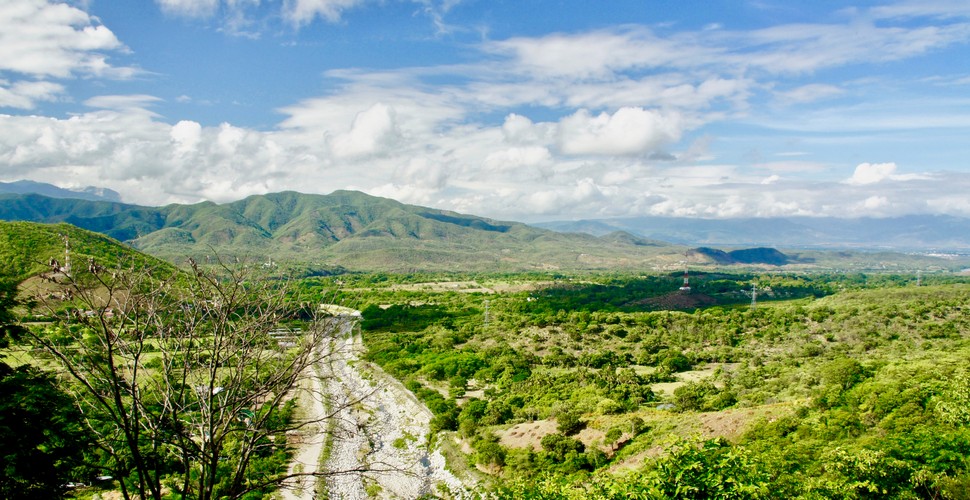
Guatemala is bordered to the north and west by Mexico, to the northeast by Belize and (along a short coastline) by the Gulf of Honduras, to the east by Honduras, to the southeast by El Salvador, and to the south by the Pacific Ocean.
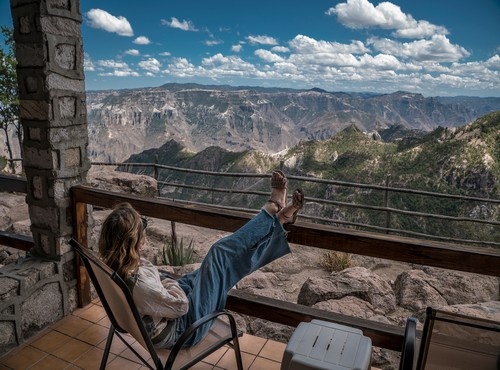
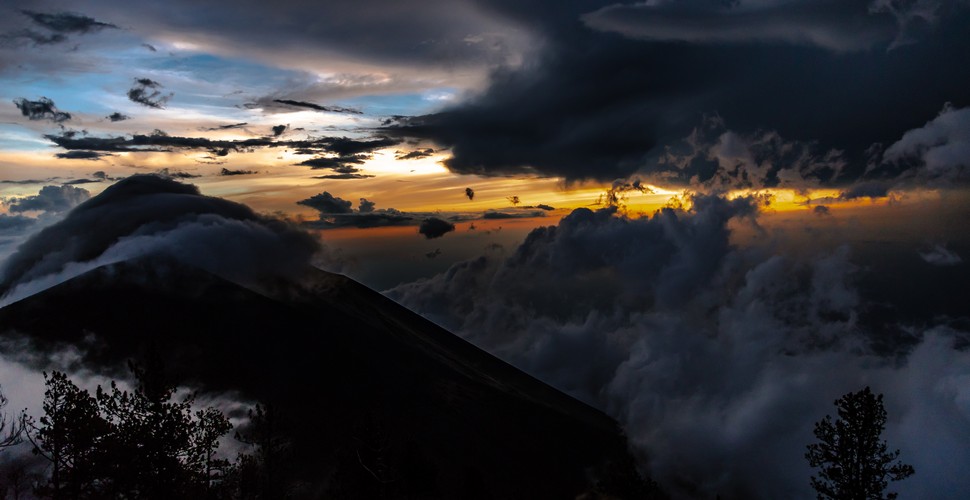
Guatemala is characterized by four major topographical features. Southern Guatemala is dominated by a string of 27 volcanoes extending for about 180 miles (300 km) between Mexico and El Salvador. Between the volcanoes and the Pacific Ocean lies a fertile plain ranging 25–30 miles (40–50 km) in width. The Petén region, a large, low-lying, rectangular area, juts northward to occupy a portion of the Yucatán Peninsula, a limestone platform shared with Mexico and Belize. Sandwiched between the volcanic landscape and the Petén are the high mountain ranges and valleys.
Nature
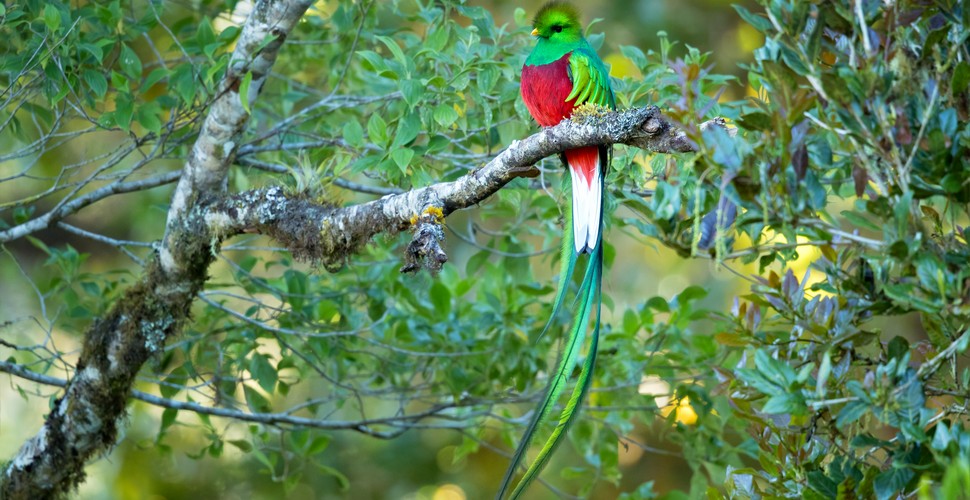
High in the mountains in the misty cloud forests lives the colorful quetzal bird. Both the male and female quetzal birds have vibrant green, white, and red feathers, but only the male has a fabulous long tail that can measure 1 meter long. The ancient Maya people believed that the quetzal bird was the living form of the god Quetzalcoatl. Today the rare bird is listed as endangered due to the destruction of tropical rainforests. The cloud forest mist provides a water source to air plants known as bromeliads which cling to tree trunks. The forest floor is also home to orchids, ferns, and mosses. The lowland Petén region in the northeastern part of the country is home to many plants and animals including jaguars, tapirs, monkeys, mule deer, and the ocelot.
History
The Pre-classic Maya period spanned from 1,800 B.C. to 250 A.D. During this period, the Mayans developed additional agricultural and artistic skills. It’s thought that the Mayans were influenced by the Olmec culture in a culture that’s often referred to as the “mother culture” of Mesoamerica. The Olmec built pyramidal structures and large stone heads, two objects that were important aspects of Mayan culture.
During the Middle Pre-classic period (1,000–300 B.C.), the Mayan population continued to increase. By 500 B.C., the Petén site of Nakbé had become one of the first real Mayan cities. At this time other settlements – including Tikal, Cival, and El Mirador – were building their first ceremonial and astronomical structures. A shared language and belief system is also thought to have existed throughout the region at this time
The Late Preclassic period lasted from around 300 B.C. to 250 A.D. and saw the continued growth of Nakbé, until around 100 B.C. when the focus shifted to the town of El Mirador, which was 7.5 miles (12 km) north. El Mirador would become a large city, with a population of around 100,000.
Mayan society was quite stratified at this time. Rulers and shamanic priests held religious ceremonies based on astronomical and calendrical events. Other specialty occupations also flourished, including scribes, architects, farmers, and tradesmen. Agriculture continued to intensify as irrigation – using large reservoirs and canal networks – developed.
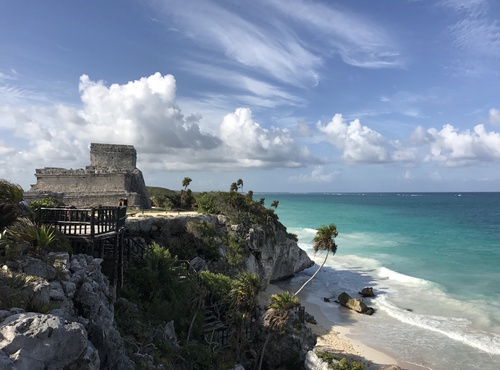
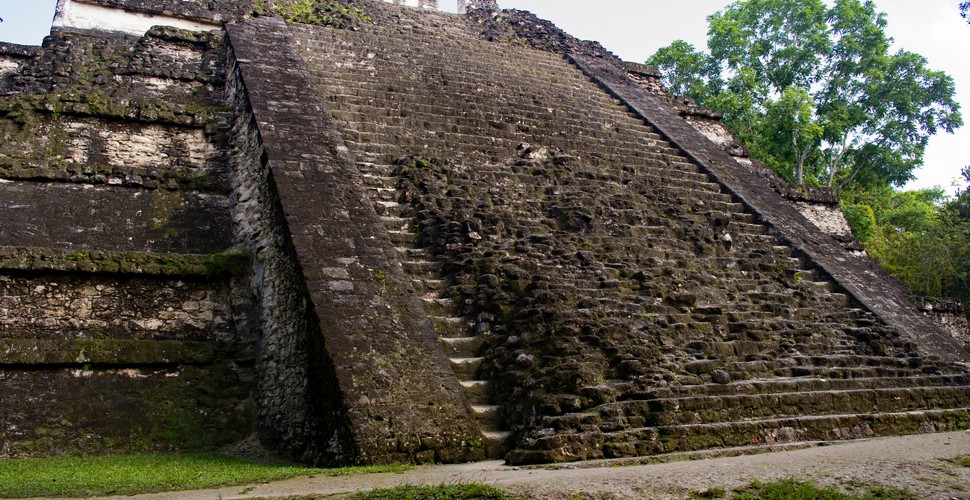
The Classic Maya Period lasted from around 250 to 909 A.D., marking the greatest Mayan achievements. Primarily, the adoption of the Long Calendar and a uniquely Mayan form of writing. During the Classical period, all of the cities, temples, and palaces that are now in ruins were built. Much of the knowledge we have about this period comes from stelae, large carved monuments that recorded the lives of rulers and the historical events that occurred during their lifetime. Teotihuacan a city-state in Central Mexico with a population of 250,000, was highly influential during the Classical period. Although not technically a part of the Mayan culture, Teotihuacán nonetheless sent out armed merchants, or pochteca, to spread its authority to places like Yucatán and Petén. In 1521, Spanish conquistadors captured the Aztec capital of Tenochtitlán and began looking to expand their reign beyond the city. Two years later, in 1523, Hernán Cortés sent Pedro de Alvarado to Guatemala on a fact-finding mission—with him came 120 horsemen, 300 soldiers, and 200 Mexican warriors.
After gaining independence from Spain in the 1820s, Guatemala had a long history of government by authoritarian rule and military regimes until it came under democratic rule in 1985. Starting in 1954, Guatemala’s governments faced formidable guerrilla opposition that sparked a civil war that lasted for 36 years until peace accords were signed in 1996. The struggles of Guatemala’s Indians during the war years were illuminated when Rigoberta Menchú, a Quiché Maya and an advocate for indigenous people throughout Latin America, was awarded the Nobel Peace Prize in 1992.
Economy
With a GDP of nearly USD 70 billion, Guatemala is the largest economy in Central America. The country has experienced solid growth for ten years. The agricultural sector is the most important economic activity, accounting for almost a quarter of GDP and 75% of national exports. Guatemala produces notably coffee, bananas, sugar, and corn. It is also the world’s leading exporter of nutmeg. Tourism is also a fundamental source of currency and has great development potential.