Mexico City is a vibrant metropolis that comes alive through a spectacular calendar of cultural events and festivals. From the ancient energy of the Spring Equinox at Teotihuacan to the colorful traditions of the Day of the Dead, the capital offers unique experiences that showcase the heart and soul of Mexican heritage.
Whether you are an art enthusiast, a history buff, or a traveler seeking authentic local celebrations, planning your trip around these annual events will provide an unforgettable glimpse into the country's rich traditions. Discover the top festivals in Mexico City and prepare to immerse yourself in a world of music, dance, and history.
Festival del Centro Historico
The Festival of the Historic Centre is one of the most important cultural celebrations in all of Mexico City. It has been a yearly event since 1985, when it was born in effort to breathe new life into the somewhat run-down city centre. Since the 80s, the cultural scene in Mexico City has flourished, and this festival is now a celebration of the eclectic historical centre. Celebrations include presentations by performers and artists from all over Mexico and around the world in the area’s lovely courtyards, plazas, palaces, temples and theatres. Secure your entrance tickets in advance for the main shows, as they tend to sell out quickly, but there are also over 100 free events you can attend. If you happen to be in Mexico City during this festival, you are guaranteed to encounter a concert or performance as you wander around the historical section of the city.
Zona MACO Fair
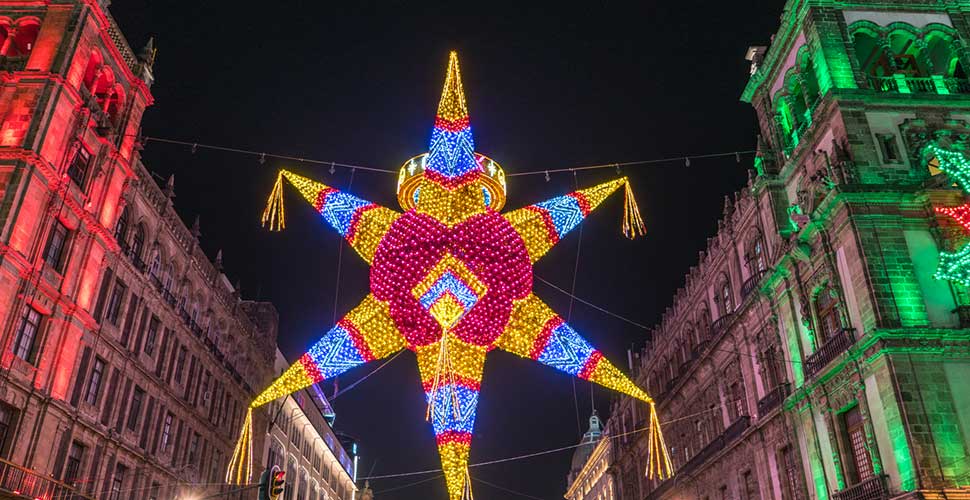
With over 180 art galleries from Mexico and around the world represented, The Zona Maco is considered the most important modern art fair in Latin America. Gallery owners, collectors, and art lovers join forces at this yearly event held in February at the Citibanamex convention centre to share their appreciation of art and learn about new tendencies in the art scene. This art fair shows exhibits of established artists, as well as new artists looking to promote their work. It offers conferences with international speakers, many exhibits at local galleries and many museums. General admission is 275 pesos and tickets can be purchased online at Boletify or in person at the Centro Citibanamex box office.
Spring Equinox
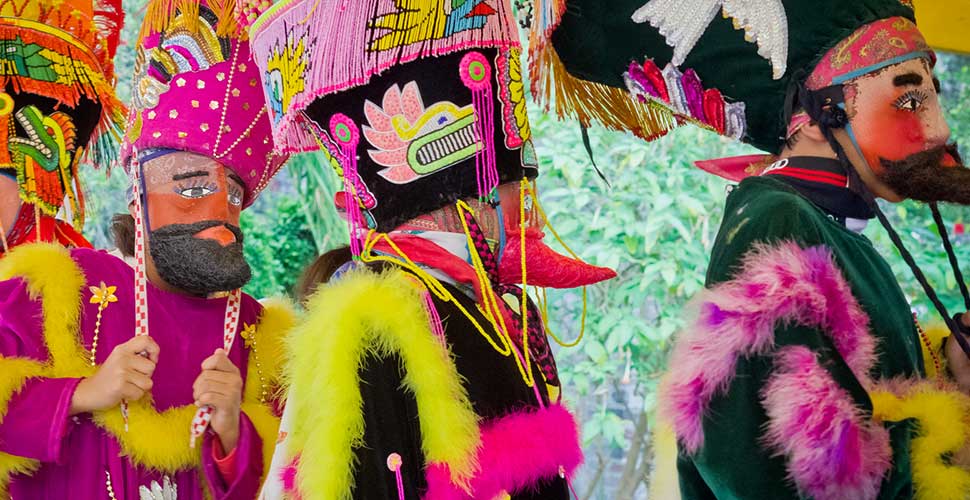
Teotihuacan archaeological site just outside of Mexico City, is the centre of the spring equinox celebrations. Thousands of visitors come to receive the powerful sun’s rays of energy on the date when the night and day are of equal length in March. The ancient indigenous cultures perform special rituals on the spring equinox, as it was traditionally the first day of the agricultural cycle and when planting occurs. Today, visitors head to Teotihuacan dressed in white and one red garment, such as a belt or scarf. Many people dance, burn incense, and sing, but the ultimate ritual is to stand on the top of the Pyramid of the Sun, with arms stretched out to receive the positive energy from the sun's rays.
Escénica Festival
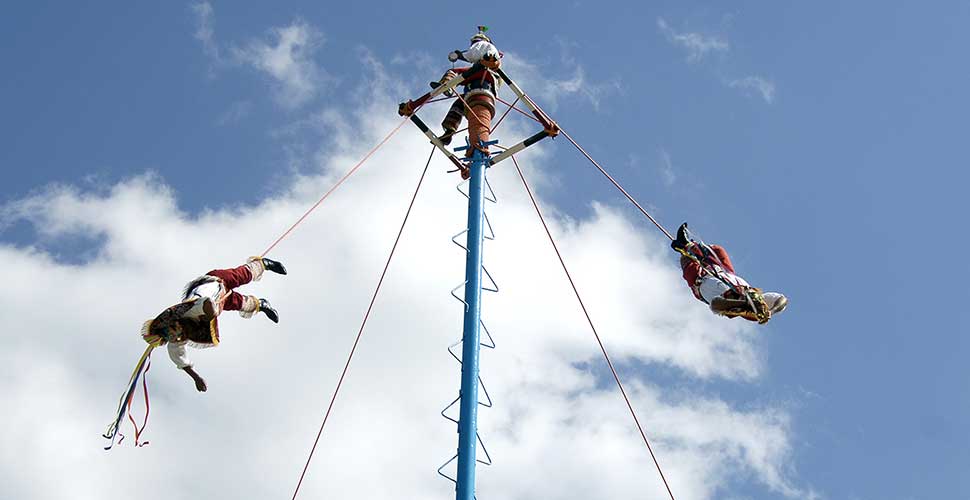
This international festival of performing arts put together by the Mexico City government, Escénica is held annually during the summer and includes theatre, dance, circus shows and puppet mastery, in more than 20 venues, throughout the capital. The festival includes a complete schedule of workshops, conferences, and master classes in which artists, dancers, and students interested in theatre and dance, can participate. Consult the Mexico City culture website for the list of events, all of which are free to attend.
Independence Day
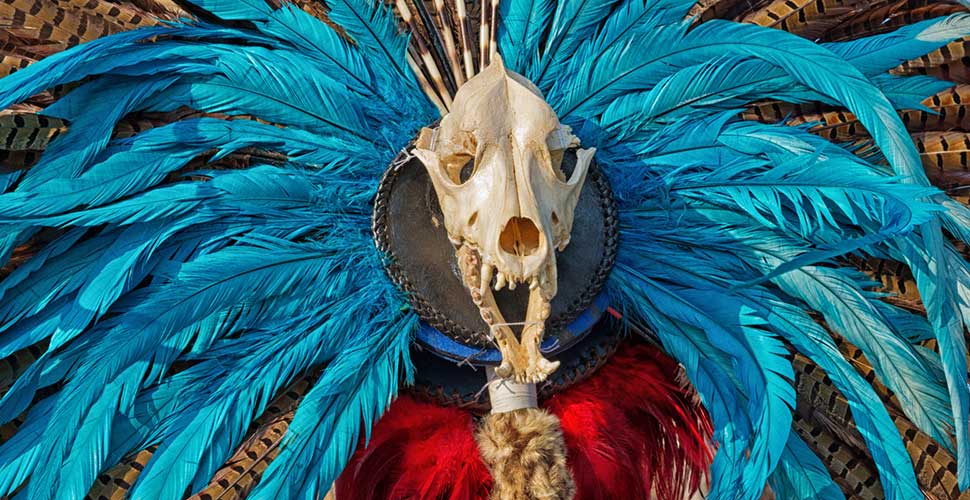
On the evening of the 15th of September, thousands of people gather in Mexico City´s Zócalo, to watch the president step out on the balcony of the National Palace, to wave the Mexican flag and lead the crowd in a special ceremony to commemorate the beginning of Mexico’s independence movement. This event is locally known as” El Grito”, and is accompanied by a firework display, confetti, and spraying of foam. The following day, there is a large parade through the streets of the capital in with military and civic organizations marching bands and uniformed participants galore!
Parade of Monumental Alebrijes
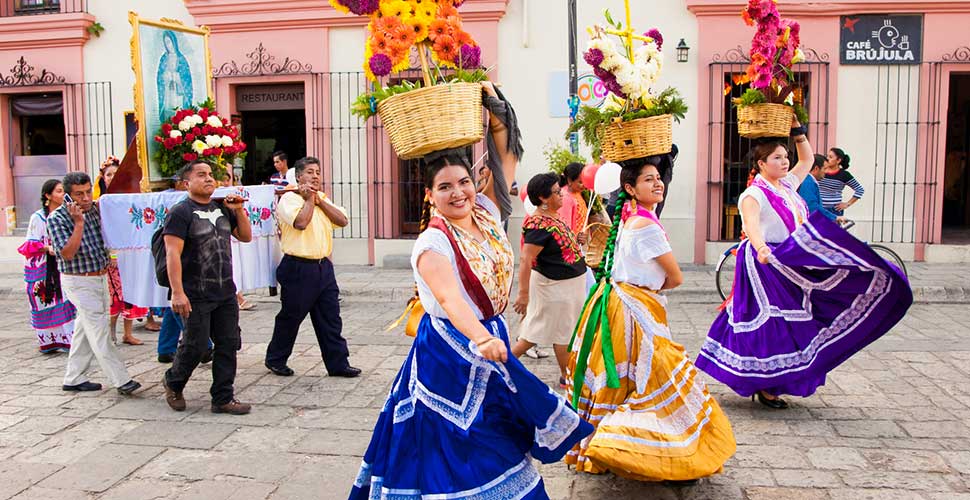
This fascinating parade consists of giant, colourful papier-mache constructions and is an impressive, if not bizarre sight, as it takes to the streets of Mexico City. Beginning in the Zócalo, and making its way to the Paseo de la Reforma and on to the Angel of Independence. The parade of monumental alebrijes is organized by the Popular Arts Museum (MAP), and usually occurs on a Saturday in mid-October, approximately a week before Day of the Dead festivities begin. If you miss the parade, the alebrijes will be on display around the Angel of Independence roundabout for a few weeks after the parade.
Day of the Dead Parade
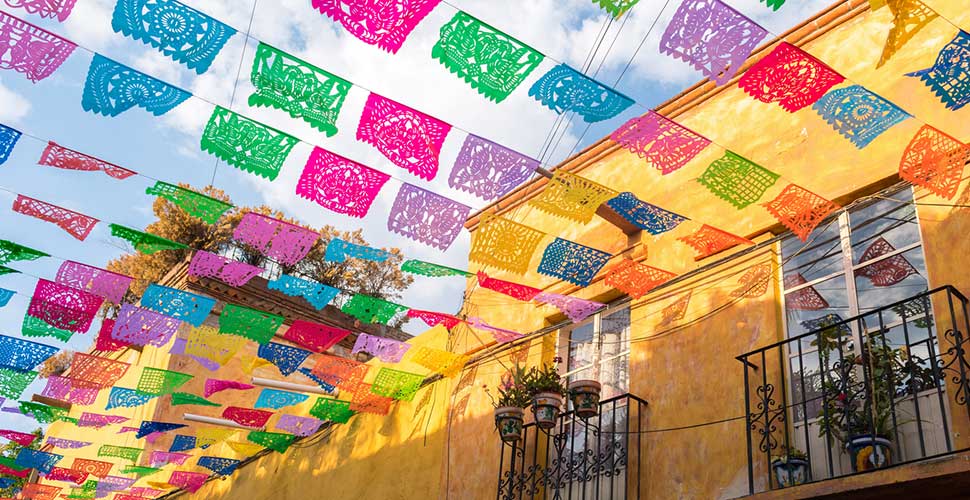
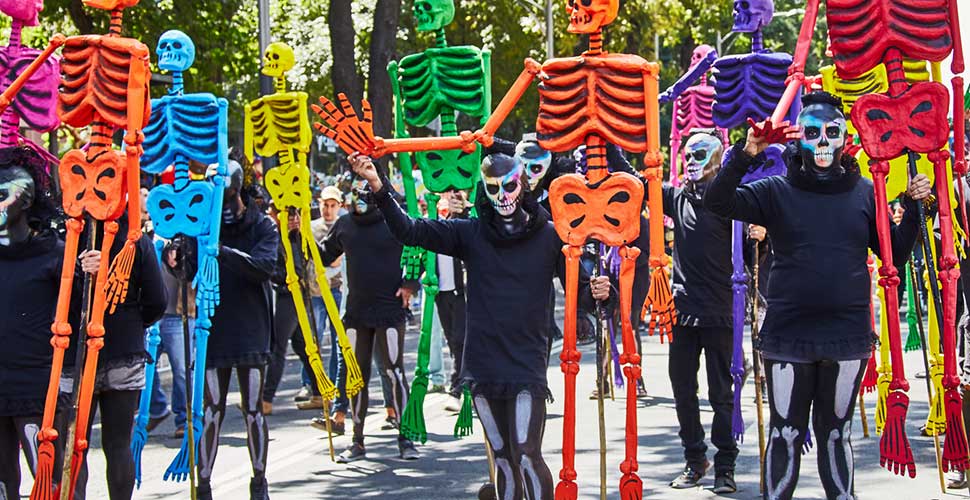
There are a number of events that take place around the Day of the Dead in Mexico City, for this massive Mexican festival. Mexico City boasts a giant altar in its Zocalo, several parades, as well as theatrical performances in Xochimilco and Chapultepec Park. The biggest event, in Mexico City, is a massive Day of the Dead parade and includes floats, marching bands, and people dressed up as skeletons. The parades take place in all cities and towns of Mexico and not only in the capital, so make sure you join in on the celebrations!
Celebration of Our Lady of Guadalupe
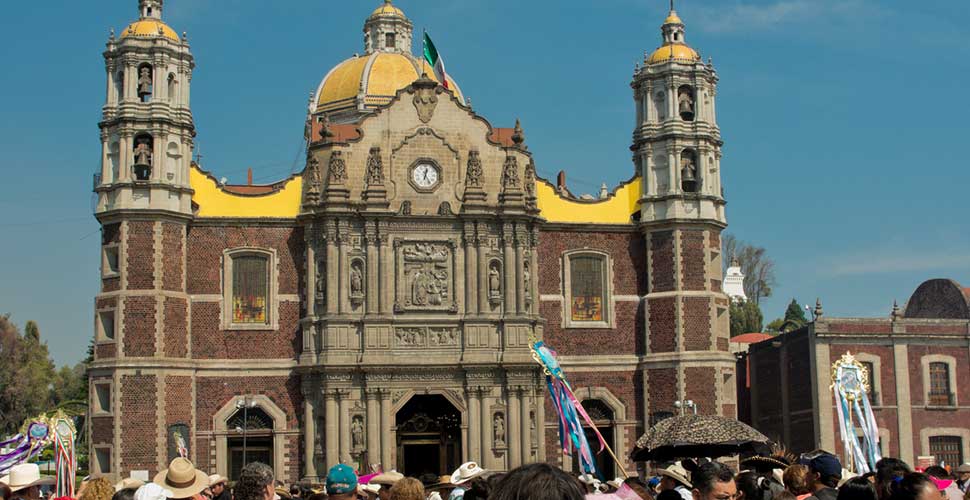
Every 11th of December at midnight, Mexicans congregate at churches and neighbourhood altars throughout the country to sing Las Mañanitas to Our Lady of Guadalupe. Millions of people converge on Mexico City’s Basilica of Guadalupe to celebrate the anniversary of the apparitions of the Virgin Mary to the Nahuatl-speaking, indigenous man, Juan Diego, that, according to tradition, occurred in 1531. Devout followers make pilgrimages to Mexico City on foot, on their knees, by bicycle, car, and bus, to pay their respects to the Virgin and see her original image, on display at the Basilica.