
South America is a continent of unparalleled diversity, offering travelers an extraordinary tapestry of experiences ranging from ancient Andean citadels to the pristine depths of the Amazon rainforest. With its surreal landscapes, vibrant cultures, and world-renowned natural wonders, choosing where to begin your journey can be a delightful challenge.
In this guide, we explore ten of the most iconic attractions that define the mesmerizing essence of South America. Whether you are seeking high-altitude adventure, historical discovery, or breathtaking natural beauty, these destinations serve as the perfect starting point for your next unforgettable vacation.
Machu Picchu, Peru
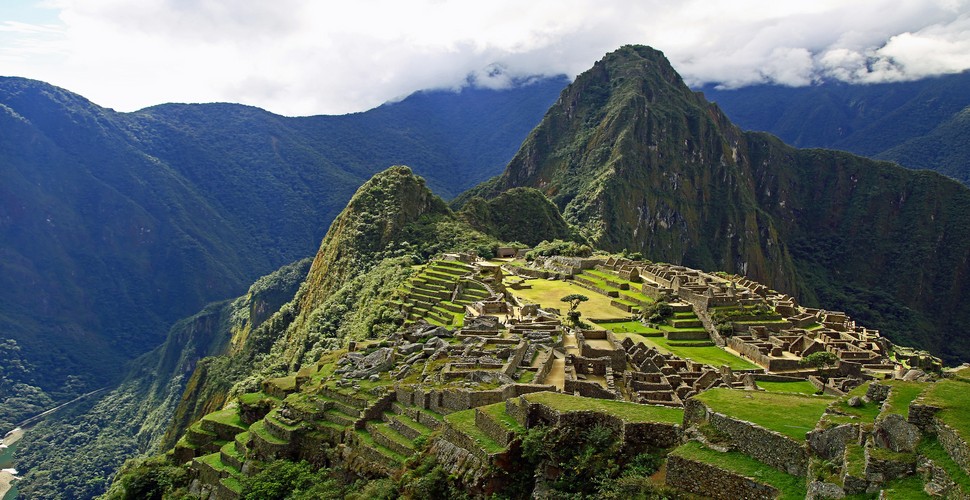
Machu Picchu is an ancient Incan citadel located at an altitude of approximately 2,430 meters (7,970 feet) in the Andes Mountains of Peru. Constructed in the 15th century by the Inca emperor Pachacuti, this awe-inspiring archaeological site is renowned for its sophisticated stone masonry and stunning natural setting. The site consists of well-preserved stone structures, terraces, and temples that offer a glimpse into the Inca civilization's architectural and engineering prowess. To visit Machu Picchu, travelers can hike the world-famous Inca Trail to Machu Picchu, take the train to Aguas Calientes, then the shuttle bus for the final stretch, or trek one of the spectacular alternative Inca Trails, such as Salkantay or Lares Trek to the iconic site.
Iguazu Falls, Argentina, and Brazil
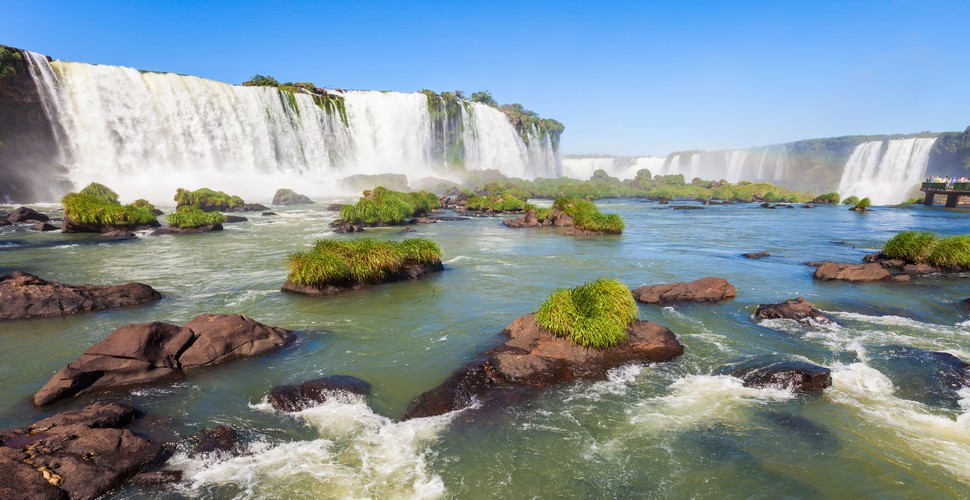
Straddling the border between Argentina and Brazil, Iguazu Falls is one of the world's most magnificent natural wonders. Comprising over 275 individual waterfalls that span nearly 3 kilometers (1.86 miles), the falls are set amid a lush rainforest teeming with diverse flora and fauna. Visitors can explore both the Argentine and Brazilian sides of the falls, each offering different perspectives and impressive viewpoints. The Garganta del Diablo (Devil's Throat) is the most famous section, where a massive volume of water plunges down in a breathtaking display of power and beauty.
The Galapagos Islands, Ecuador
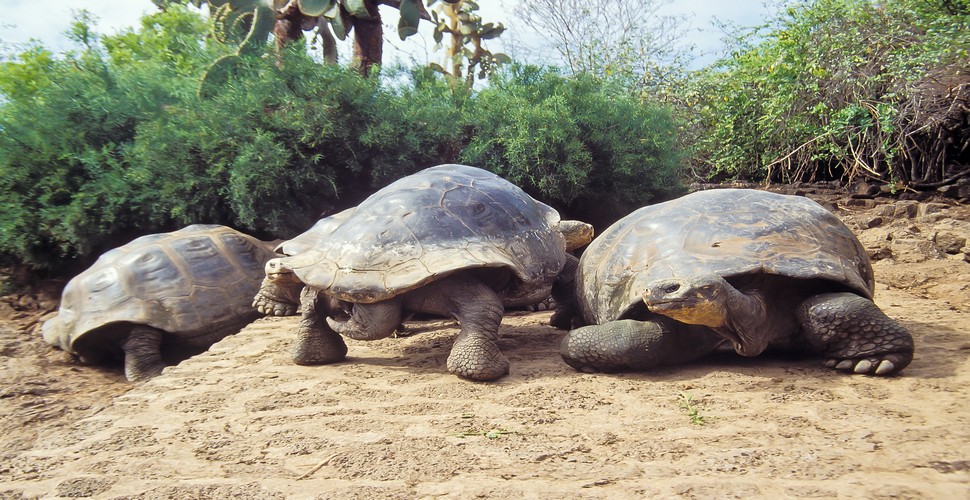
The Galapagos Islands, located about 1,000 kilometers (620 miles) off the coast of Ecuador, is a unique archipelago of volcanic islands. These islands are famous for their incredible biodiversity and endemic species, which were studied by Charles Darwin during his voyage on the HMS Beagle. Visitors to the Galapagos can encounter a variety of wildlife, including giant tortoises, marine iguanas, blue-footed boobies, and unique plant species. The islands are well-preserved and offer opportunities for eco-tourism, including snorkeling, diving, and guided tours.
Rio de Janeiro, Brazil
Rio de Janeiro is a vibrant and culturally rich city located on Brazil's southeastern coast. It is renowned for its stunning beaches, most notably Copacabana and Ipanema, which attract visitors from all over the world. The city's most iconic landmarks include the Christ the Redeemer statue atop Corcovado Mountain and the Sugarloaf Mountain, both offering panoramic views of Rio's breathtaking landscape. Rio de Janeiro is also famous for its annual carnival, a dazzling celebration of music, dance, and color that draws millions of revelers to the streets.

Patagonia, Chile, and Argentina
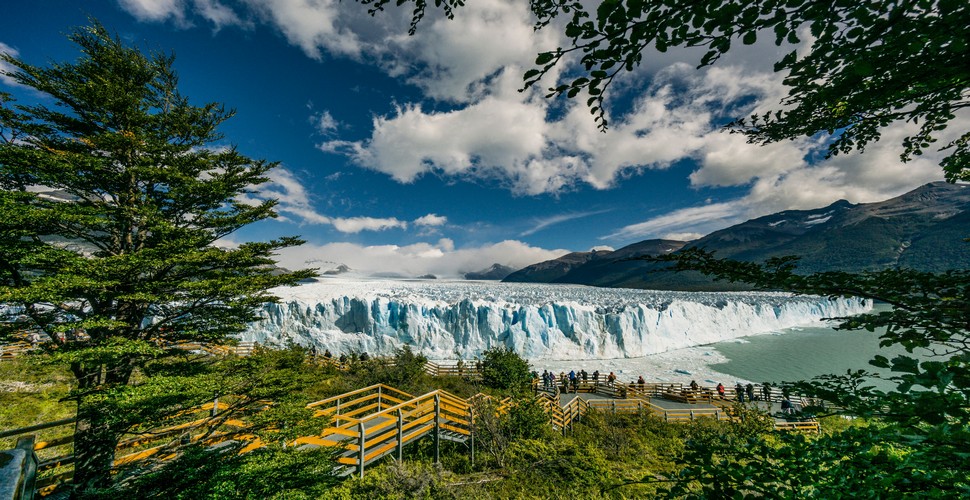
Patagonia is a vast and sparsely populated region at the southern tip of South America, encompassing parts of Chile and Argentina. Its landscapes are incredibly diverse, featuring towering granite peaks, expansive glaciers, serene lakes, and lush forests. Some of the top attractions in Patagonia include Torres del Paine National Park, known for its dramatic "towers" of rock, the Perito Moreno Glacier, which periodically calves into the Lago Argentino, and the Tierra del Fuego archipelago, offering a unique blend of stunning scenery and wildlife.
The Amazon Rainforest, Brazil, Peru, Colombia, and Ecuador
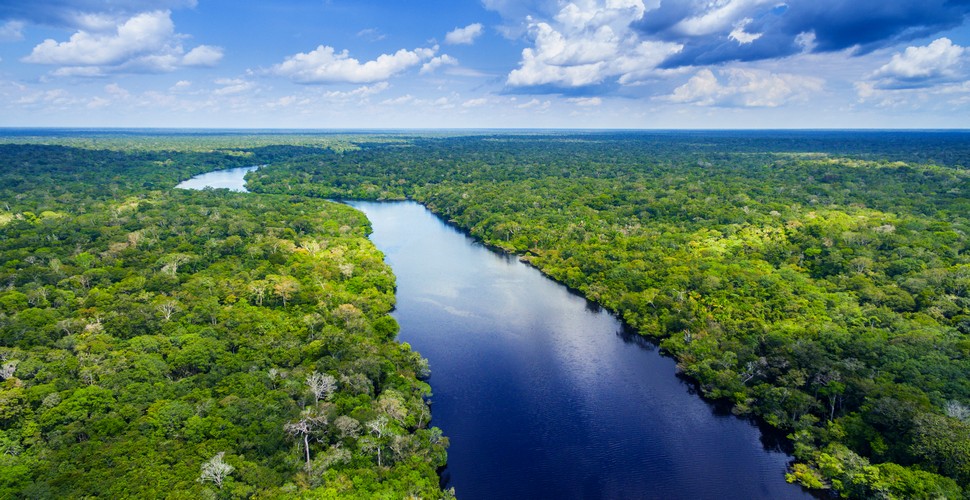
The Amazon Rainforest is the largest tropical rainforest on Earth, covering vast areas of Brazil, Peru, Colombia, and Ecuador. It is one of the most biodiverse regions on the planet, housing an astonishing variety of plant and animal species, many of which are found nowhere else. Travelers can explore the Amazon through guided tours, river cruises, and eco-lodges, providing opportunities to observe wildlife, interact with indigenous communities, and learn about the critical importance of rainforest conservation. Each country offers a different Amazon experience for your visit to the "lungs of the planet".
Salar de Uyuni, Bolivia
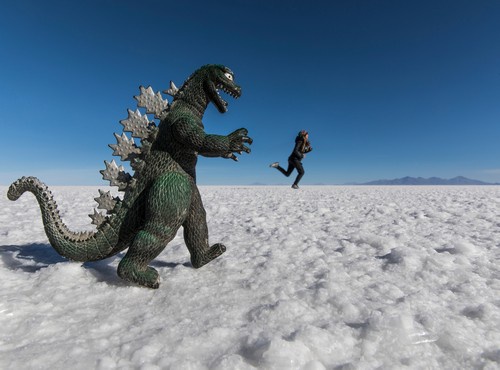
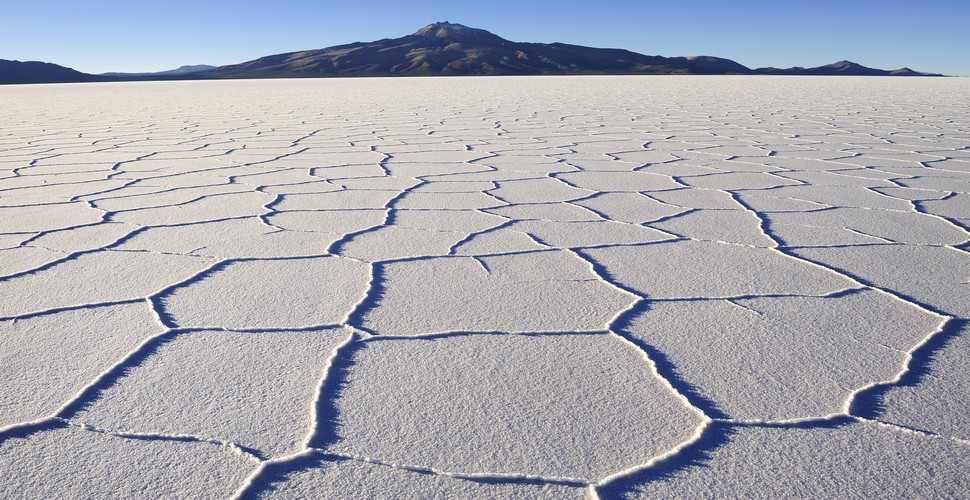
Located in southwest Bolivia, Salar de Uyuni is the world's largest salt flat, covering an area of over 10,000 square kilometers (3,900 square miles). During the rainy season, a thin layer of water creates a stunning mirror effect, reflecting the sky and surrounding mountains, making it appear as if you are walking in an endless sky. This surreal landscape provides a unique setting for photography and exploration, and visitors can also visit nearby islands, such as Isla Incahuasi, which is covered in giant cacti.
Easter Island, Chile
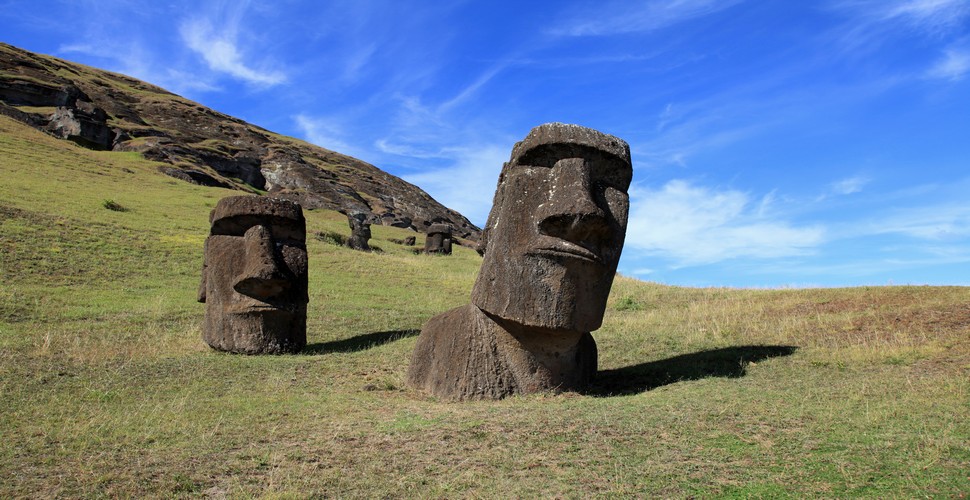
Easter Island, known as Rapa Nui to its inhabitants, is a remote island in the southeastern Pacific Ocean, approximately 3,700 kilometers (2,300 miles) from the Chilean coast. The island is famous for its Moai statues, massive stone figures carved by the Rapa Nui people centuries ago. These enigmatic statues are scattered across the island and offer a fascinating glimpse into the island's ancient Polynesian culture and history. Aside from the Moai, Easter Island boasts beautiful landscapes, volcanic craters, and unique archaeological sites.
Cartagena, Colombia
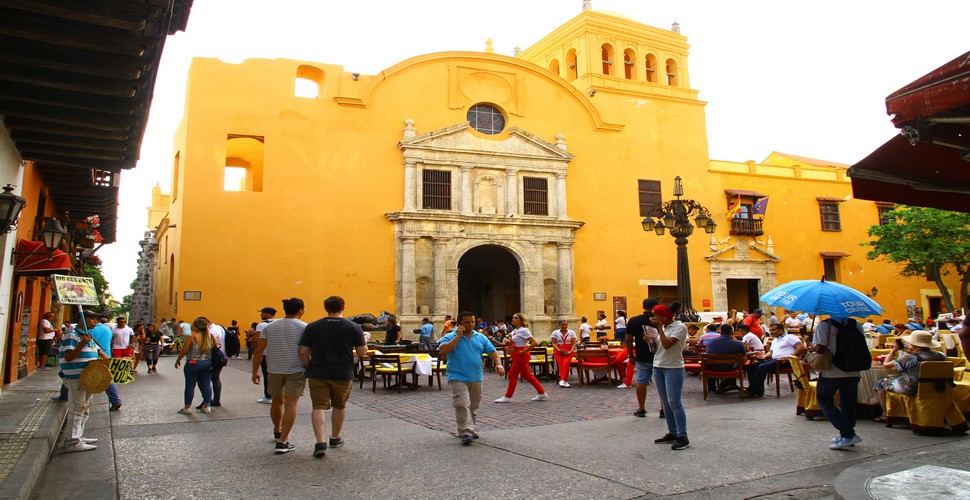
Cartagena is a coastal city in Colombia, renowned for its well-preserved historic center and colonial architecture. The walled city, a UNESCO World Heritage Site, features colorful buildings adorned with bougainvillea and narrow cobblestone streets. Visitors can explore historical landmarks like Castillo San Felipe de Barajas, a fortress built by the Spanish in the 16th century, and the charming Plaza de Santo Domingo. The city also offers beautiful beaches, vibrant nightlife, and delicious Colombian cuisine.
Torres del Paine National Park, Chile
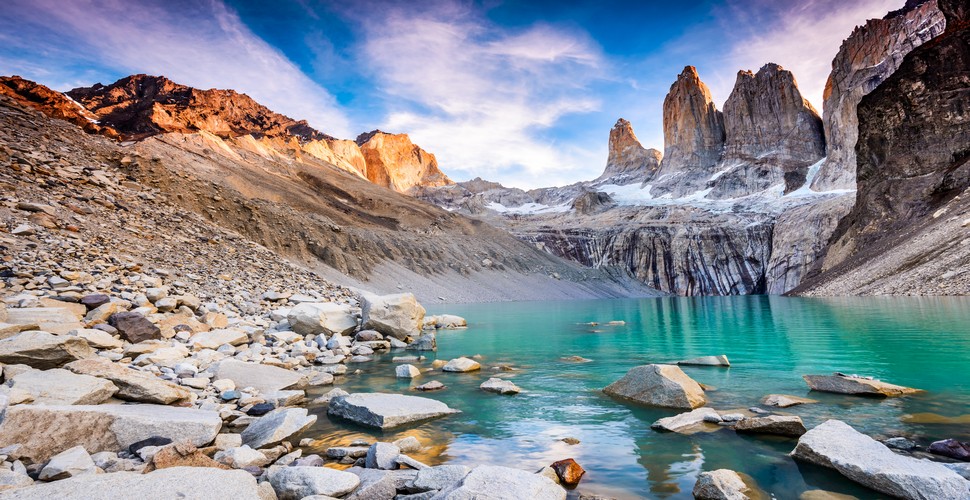
Located in Chilean Patagonia, Torres del Paine National Park is a breathtaking wilderness area known for its towering granite peaks, glaciers, lakes, and diverse wildlife. The iconic "Torres" or towers, are three distinct granite spires rising dramatically from the landscape, drawing hikers and mountaineers from around the world. The park also features the Grey Glacier, where visitors can take boat trips to observe ice calving into the lake. Trekking and camping opportunities abound, offering nature enthusiasts a chance to immerse themselves in one of the most stunning and remote environments on Earth.
These attractions showcase the incredible natural beauty, cultural richness, and historical significance that South America has to offer to adventurous travelers. Please remember that this is only the tip of the iceberg in this mind-blowing continent, yet it will certainly help give you an idea of the iconic places to visit on your South American Vacation. Find out more here!