




Written by:undefined undefined
Published: 11-03-2022
South America covers a massive section of the globe and have a history and culture to match its size. This is excellently represented in its food, which is rooted in a combination of ancient indigenous cultures and more contemporary European influences from a variety of colonial settlers. This country-by-country guide to the best food and drink in South America, will ensure you will not go hungry or thirsty on your travels and offer a truly eye-opening culinary adventure.
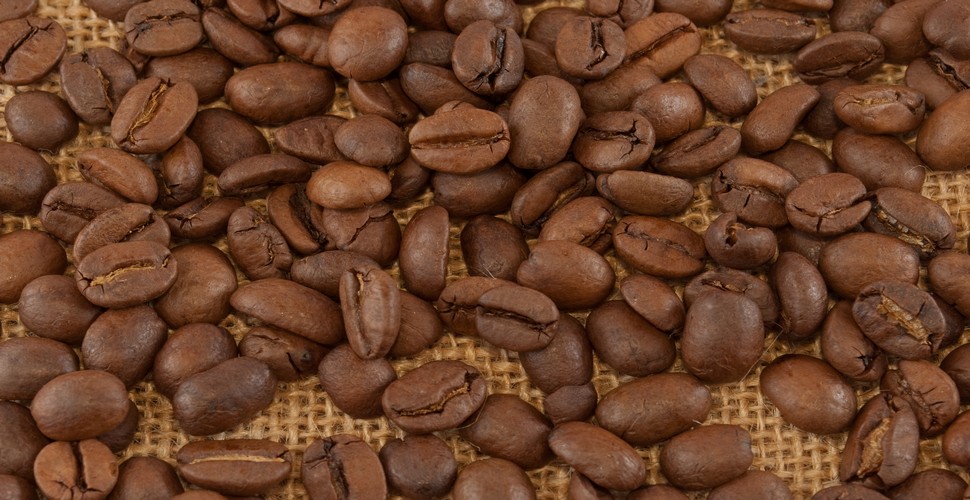
South American coffee
Asado in Argentina
The Argentine asado is so much more than a barbecue; it’s a celebration of the country’s iconic gaucho culture and its most marketable export……meat. Every weekend, Argentinian families gather together to share in the asado of fire-cooked meats washed down with plenty of Malbec wine and Fernet. The preparation and cooking of the asado are taken extremely seriously, and is the responsibility of the “asador” to deliver the much-anticipated asado. The brick-built parrilla with an adjustable grill to precisely cook the meat, is place over hot coals and a generous selection of meat is placed on top. Popular cuts are tira de asado (short rib), vacio (flank) and entraña (skirt), morcilla (blood sausage) and chorizo. All that is added to the meat before it goes on the parrilla is salt during the cooking process, However, generous amounts of chimichurri is usually served on the side, which is the ultimate accompaniment, especially for the chorizo sausage, sliced in half and surrounded in a crusty bread roll to make delicious “choripánes”.
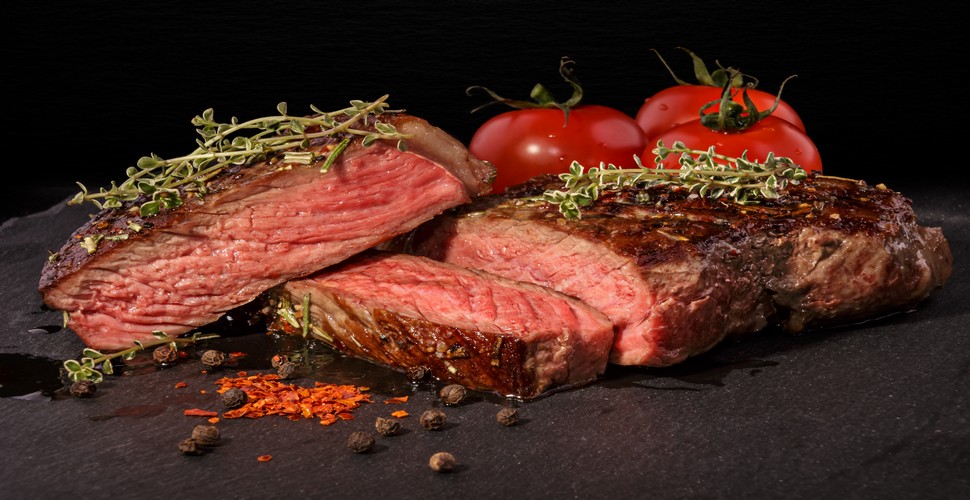
Medium rare Asado
Salteñas in Bolivia
Salteñas are a Bolivian style pasty with a countrywide appeal across this land-locked country. One of the main reasons they are so popular in Bolivia is the unique combination of flavours, surrounded with a sweet pastry, encasing a spicy aji amarillo (yellow pepper) sauce and a savoury filling of beef or chicken, potatoes, vegetables, sliced hard-boiled egg and an olive. The shape of this hand-sized salteña is more similar to a Cornish pasty than the empanada that are widely available in the rest of the South American countries. Eating them without spilling any of the delicious hot juice is an acquired talent, so be careful of the drips!
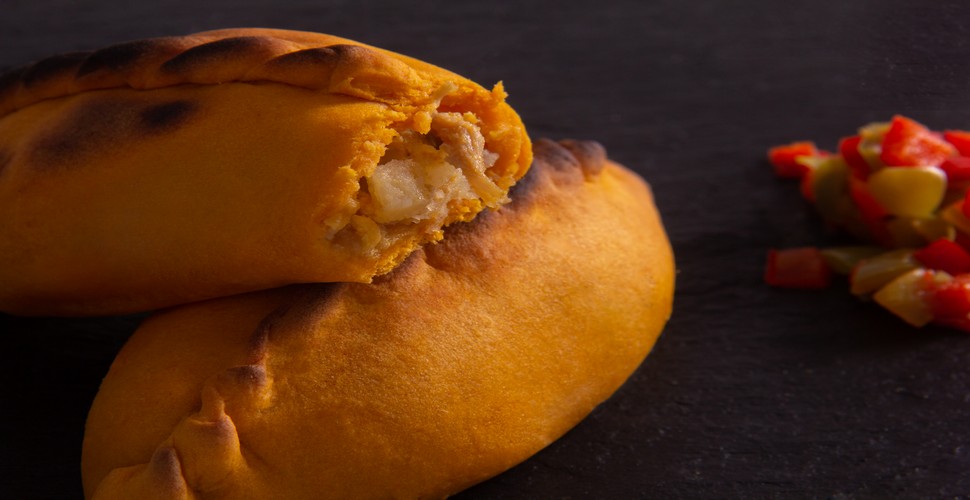
Chicken Salteñas
Brigadeiros in Brazil
Brigadeiros are small Brazilian delicacies traditionally made with condensed milk, cocoa powder, eggs and butter. They were first created in the 1940s as a means of raising funds for presidential candidate Brigadeiro Eduardo Gomes. While he didn’t win the election, the sweet Brigadeiros triumphed, and these velvety smooth bite-sized snacks are a mainstay of birthday parties and celebrations to this day. The sweet has evolved to encompass a number of different coverings and flavours, including nuts, dried fruits and chocolate, which can be found in many a Brigadeiro shop window display, all throughout Brazil. These seriously addictive desserts are sometimes hard to pass by …you have been warned!
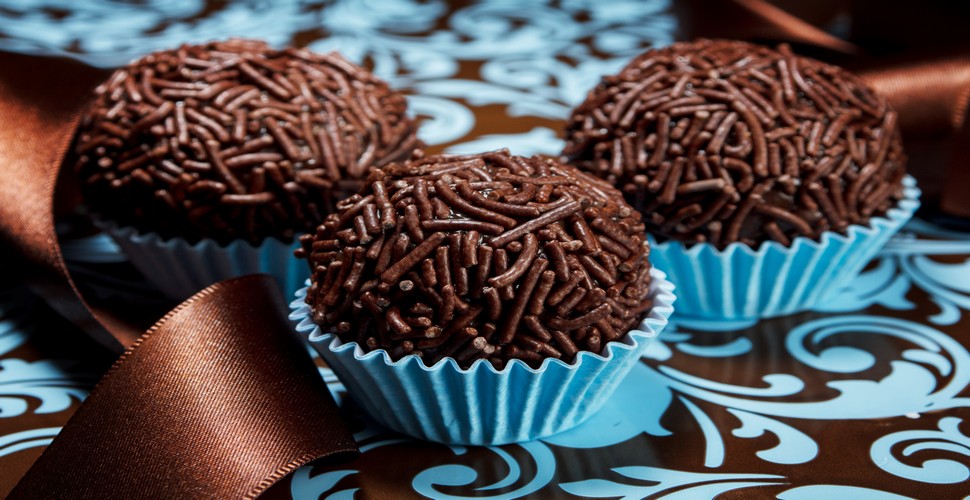
Brigadeiros
Pebre in Chile
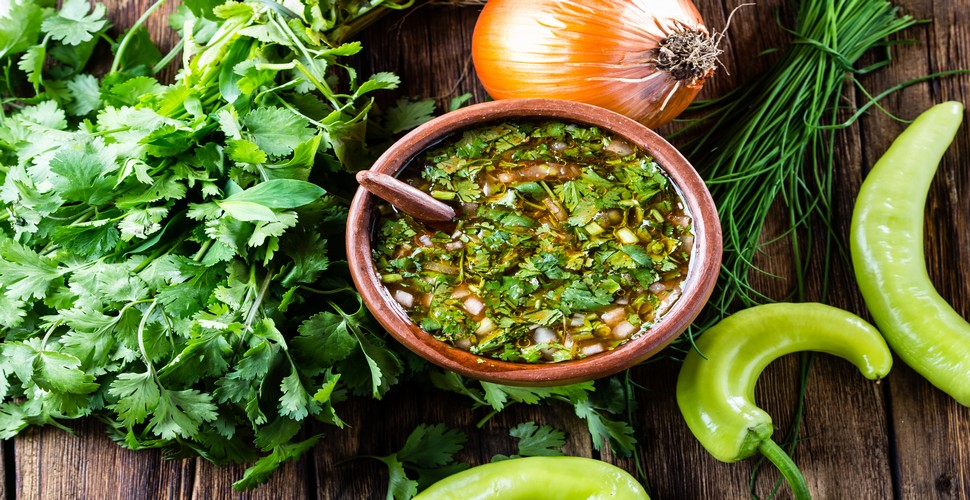
Chilean Piebre
Arepas in Colombia
Arepas are famous in Venezuela and some parts of central America, however they are Colombia’s quintessential street food snack, found on every street corner of this spectacular country. The arepa is a thick, round unleavened flatbread made from ground maize flour, grilled over hot coals and slathered with a generous helping of butter. Cheese is also a popular addition, and there are endless regional variations available, simply follow your nose! Try the arepa con huevo in the country’s capital Bogotá. A combination of a deep-fried arepa encasing a perfectly cooked, runny boiled egg…. breakfast heaven!
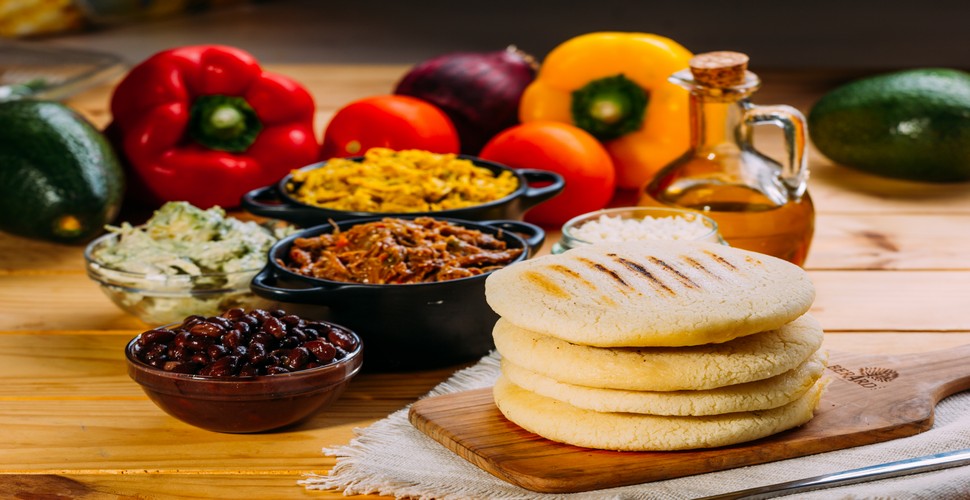
Colombian Arepas
Fruit juice in Ecuador
Ecuador’s diverse and fertile landscape is reflected in the impressive abundance of exotic fruits that fill the markets throughout the country. The fruit even comes to you! Mobile street vendors come to the cities to offer granadilla, fresh pineapple and other delectable delights, especially at bus stops. Ecuadorians also use these fruits for a wide range natural juices and fruit smoothies in cafes restaurants and markets all over Ecuador. Blackberry, guanabana, passion fruit, mango, tangerine and a plethora of other exotic fruits all find themselves on offer as juices all over this country, on the equator.
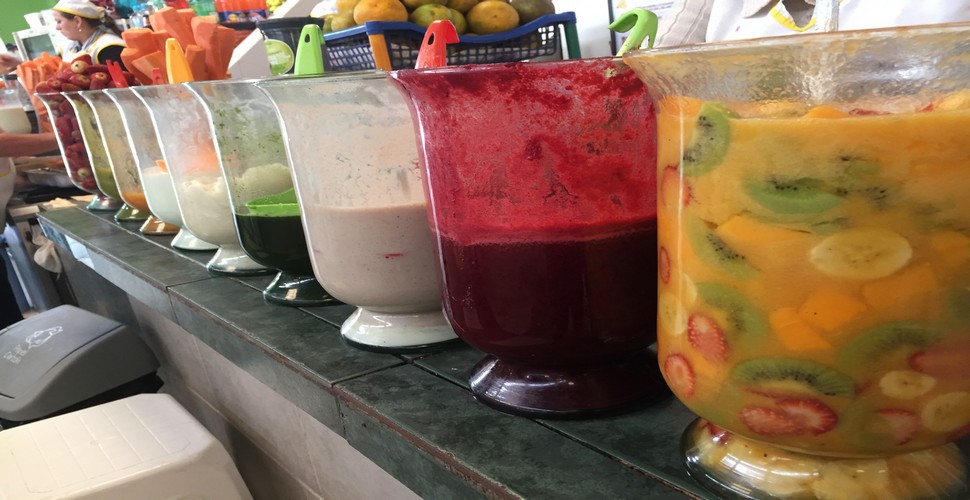
Ecuadorian fruit juices
Ceviche in Peru
The three key ingredients for Peru´s national dish “ceviche”, are fresh fish or shellfish, salt and Limón. Limónes are somewhere between a lemon and a lime being more acidic than both! Their acidity marinades the raw fish and gives the dish its unique sharp and subtle flavour. Ceviche can be found in many other forms in Chile, Ecuador and Colombia but the best ceviche is found in The North of Peru and in the capital. The Andean region even has its own version using fresh Andean trout. Classic garnishes include sweet potato, sliced red onion, choclo and canchitas. The juice from a ceviche is also served as a starter called leche de tigre.
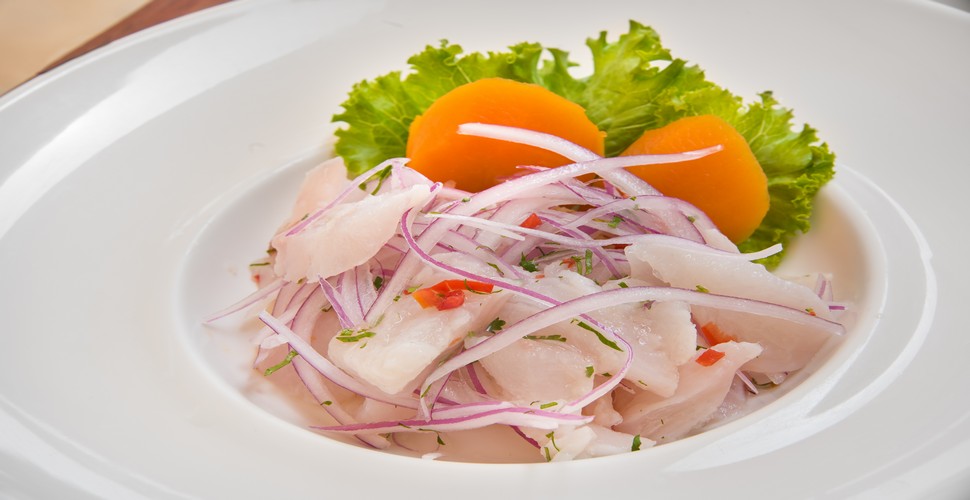
Peruvian Ceviche
Dulce de leche/Manjar Blanco All over South America
This principal ingredient of desserts throughout South America is popular for a reason, it’s simply delicious! This sticky, caramel spread used as a filling between alfajores, a pancake topping served at breakfast with bread and medialunas, blended into ice cream, used as a cake filling and stuffed into churros. If you have a sweet tooth, this is a must-try anywhere in South America.