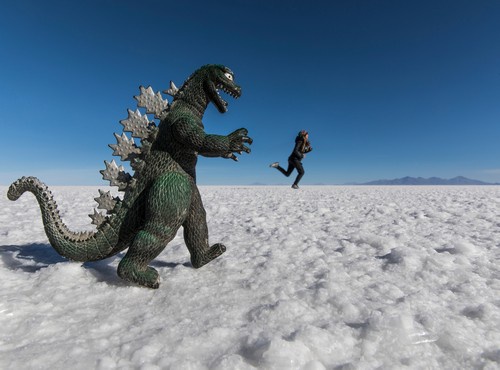

Planning a trip to Bolivia offers an unforgettable adventure through the Andes, the Amazon, and the iconic Salar de Uyuni. However, navigating this stunning country requires awareness of local safety conditions, including petty crime, political demonstrations, and environmental factors.
This guide provides essential safety tips and insights to help you travel through Bolivia with confidence, ensuring you stay informed about potential risks while enjoying the rich cultural and natural heritage of this South American gem.
Understanding the Safety Landscape in Bolivia

Bolivia is blessed with unique geography and landscapes, including volcanoes, famous salt flats, and the Inca ruins of ancient cities such as Tiwanaku. While the country claims to have one of the lowest crime rates in South America, it remains a developing nation facing economic challenges, poverty, and occasional political instability. Protests, road blockades, and petty crime in major cities like La Paz require travelers to remain vigilant and well-informed.

Socio-Economic Factors and Tourism
In 2016, the country welcomed over 1 million tourists, yet instability persists. As the 3rd largest producer of cocaine globally, Bolivia faces issues with gangs, corruption, and bribery. With over 60% of the population living in poverty, tourism acts as a vital economic driver, though it can also attract petty criminals who target visitors for easy cash.

Is it Safe to Visit Bolivia Right Now?
Bolivia is generally safe for visitors, provided you exercise caution. Major cities like La Paz, Santa Cruz, Cochabamba, Copacabana, and Oruro have areas known for pickpockets, particularly in tourist-heavy zones like Sagarnaga Street. Furthermore, political disputes can lead to sudden roadblocks and protests, which may disrupt public transport and travel plans.

Environmental and Natural Hazards
Beyond human-related risks, travelers should be aware of environmental threats. The rainy season brings risks of landslides and flooding, which can delay or endanger travel. Additionally, the Amazon Rainforest presents its own set of dangers, including venomous snakes and insects.

Common Safety Issues and Violent Crime
Violent crime against foreigners, including armed robbery and assault, has seen an increase in cities like La Paz and Santa Cruz. Travelers should avoid shared or unmarked taxis, be cautious around Coronilla Hill in Cochabamba, and avoid hiking remote trails without a professional guide. Express kidnappings have also been reported at border points with Chile and Peru, such as Copacabana.

Other Scams and Safety Issues
Be wary of food and drink spiking, which can lead to robbery. A common scam involves individuals impersonating police officers who claim to check for fake currency or request your passport, often collaborating with fake taxi drivers to isolate and rob victims. Remember that a legitimate Bolivian police officer will not approach you for these reasons; if you are stopped, proceed with extreme caution.