




Claire
Travel in South America is a joy to behold. The rich variety of destinations, experiences, landscapes and geography fascinated me so much, that I chose to relocate here, over 20 years ago! The best thing I ever did! Allow me to share my knowledge and passion for Central and South America with you and help you plan your holiday of a lifetime!
BRAZIL TRAVEL SAFETY
Written by:Claire
Last Update: 2024-12-05
Brazil is a popular and stunning destination to visit, offering everything from the famous Rio de Janeiro Carnival to the Amazon Rainforest, and a whole lot of culture and history, in between. However, Brazil isn’t always safe. Crime in Brazil can be an issue. This country is just as famous for injustice, poverty, and favelas as it is for is tourist attractions, and violence, petty theft, dodgy Uber drivers and even kidnappings are not unheard of. So, is Brazil even safe to visit? Here is a rundown of safety in Brazil.
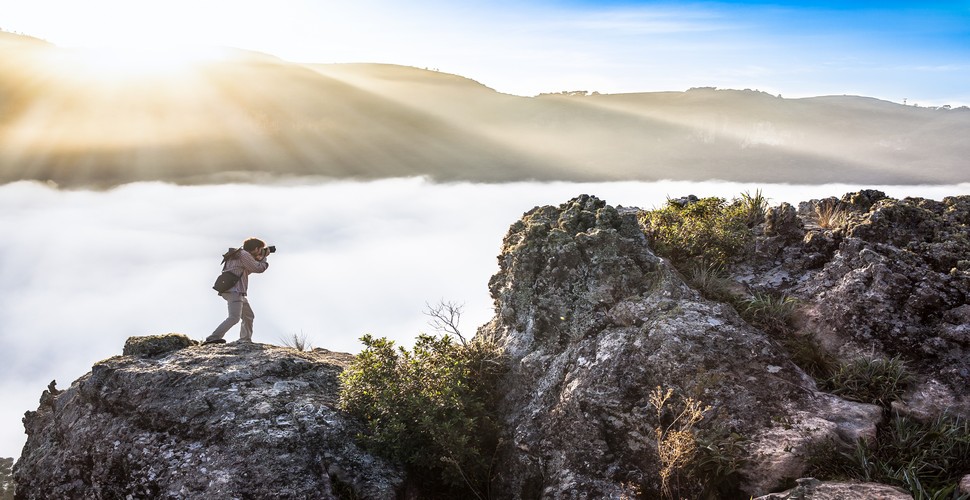
Guartela canyon, Paraná
Crime
There are high levels of crime in Brazil, particularly theft, in Brazil’s cities and the murder rate can be elevated. This can vary greatly between cities, so familiarise yourself with the geography of a city and take local advice to identify the riskier areas. Crime, including violent crime, can occur anywhere and often involves firearms or other weapons.
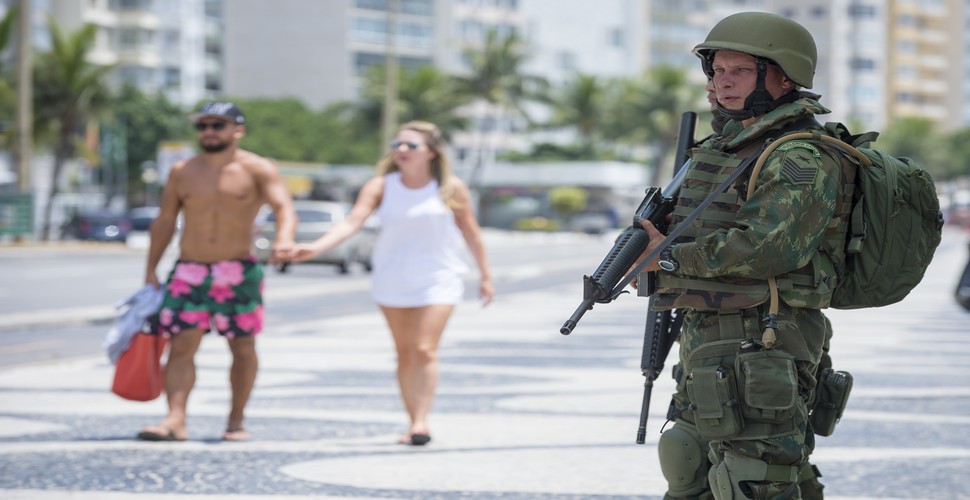
Police presence in Rio
Pickpocketing and robbery
Pickpocketing is common. You should be vigilant, especially before and during the festive and carnival periods. Do not go on to city beaches after dark. If threatened, hand over your valuables without resistance. Attackers may be armed and under the influence of drugs. Do not attempt to resist attackers, this increases the risk of things escalating.

Brazil Carnival
General Advice
Avoid wearing expensive jewellery and watches, carrying large sums of money- consider wearing a money belt, using a mobile phone in the street, showing cameras when not in use. Leave your passport and other valuables in a safe place, but carry a copy and another form of photo ID, if you have one.
Thefts are particularly common on public beaches and ‘arrastões’ which are large groups of thieves run through an area of the beach grabbing possessions. Keep your possessions close, and avoid taking valuables to the beach.
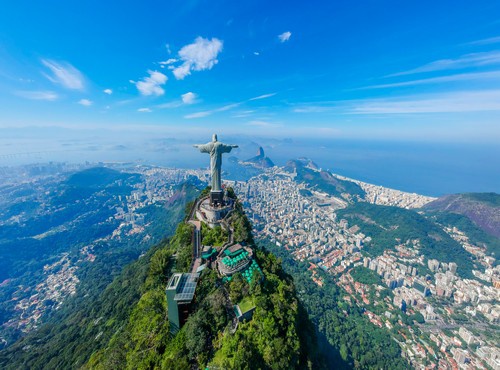
The most common incidents affecting travelers in Rio de Janeiro are thefts and pick pocketing around Copacabana Beach, Ipanema Beach and the areas of Lapa and Santa Theresa. Tourists in Rio de Janeiro have reported armed robberies on the Corcovado walking trail to the Christ the Redeemer statue. Go with a local guide if you plan to hike up to Christ The Redeemer.
In Sao Paulo, thefts or pickpocketing around Avenida Paulista and the historical downtown area are common. The red- light districts located on Rua Augusta (north of Avenida Paulista) Catedral da Sé, Praça da República and the Estacao de Luz metro area, are especially dangerous.
In Brasilia, the central bus station area has the highest incidence of robberies and robbery of pedestrians occurs in the Federal District area. Take particular care at these locations.
The most common crimes in the north-east of Brazil are theft from hotel and motel rooms and muggings. Reduce the risk of being mugged by avoiding quiet or deserted streets and use taxis after sunset.
Robberies on buses are common in many cities. According to police statistics the most stolen items are mobile phones and the period in which the greatest number of robberies occur is between 4pm and 9pm.
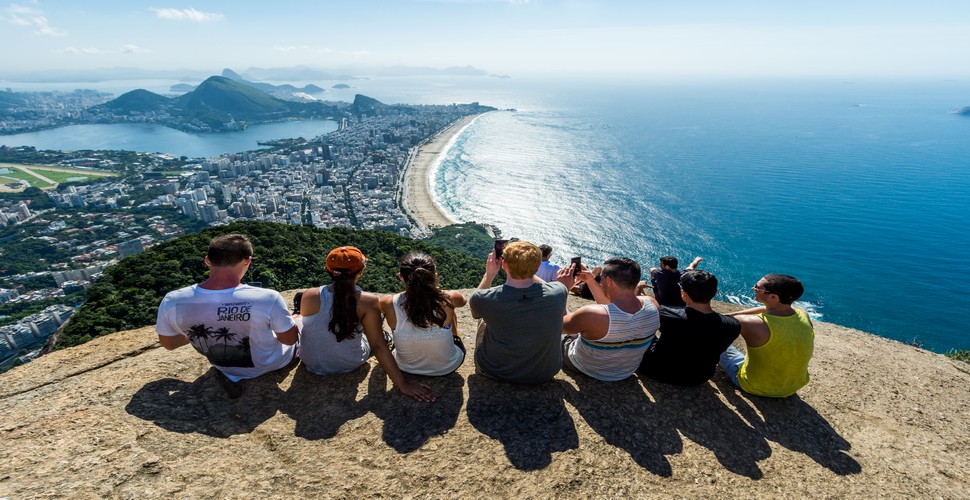
View Over Rio
Sexual offences
Rape and other sexual offences against tourists are rare, but there have been attacks against both men and women. Some have involved ‘date rape’ drugs. Buy your own drinks and keep them within sight at all times. Avoid drinking excessively and definitely avoid drug use.
Fraud
Bank and credit card fraud is common, including card cloning from ATMs and in shops. Keep sight of your card at all times and do not use an ATM if you notice anything suspicious. Notify your bank in advance of your trip to avoid your card being blocked. Cancel your cards immediately if you lose them. If you withdraw cash at an ATM and it has any sort of pink marks, speak to the bank (or police) straight away to get it changed as it may have been marked as damaged or counterfeit.
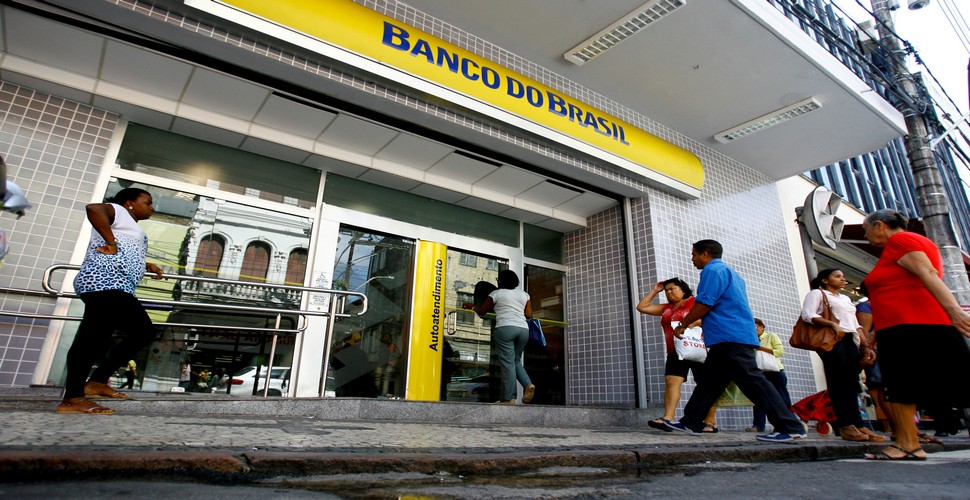
Brazilian ATM
Favelas
Favelas (Portuguese for ‘slum’ or ‘shanty town’) are urban neighbourhoods of high density informal or unplanned housing. They exist in all major Brazilian cities, range in size from a few blocks to large sprawling areas, and can border areas frequented by tourists and visitors. The security situation in many favelas is unpredictable, particularly in Rio de Janeiro. Any visit to a favela can be dangerous. You’re advised to avoid these areas in all cities, including ‘favela tours’ marketed to tourists and any accommodation, restaurants or bars advertised as being within a favela.
In Rio de Janeiro, there are favelas located around the city, if you’re unsure about a location, seek local advice from your hotel or the local authorities.
Violence in favelas is common and was on the increase during the pandemic. There is a risk of violence spilling over into nearby areas, including those popular with tourists. There have been injuries and deaths as a result of stray bullets in and near favelas. Take extra care in all Brazilian towns and cities, especially Rio de Janeiro. If you’re using GPS navigation, whether by car or on foot, make sure that the suggested route doesn’t take you into a favela. Avoid entering unpaved, cobbled or narrow streets which may lead into a favela. Tourists have been shot after accidentally entering a favela. Check with your hotel or the local authorities if unsure.
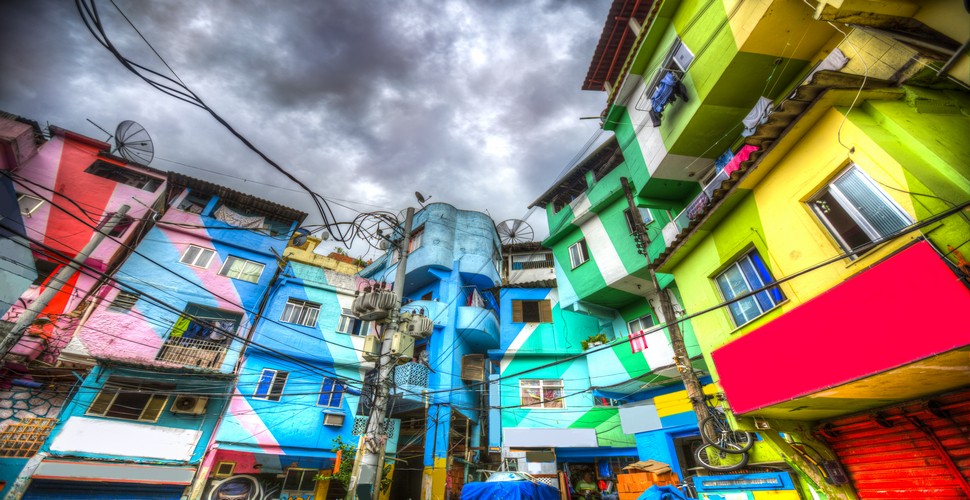
Colorful Rio Favela
Demonstrations and civil unrest
Demonstrations and occasionally strikes take place in cities across Brazil with reports of arrests and clashes between police and protesters. More common in urban areas, they can disrupt transport. Even events intended to be peaceful can turn confrontational and escalate into violence. Police have used rubber bullets and tear gas extensively to disperse protesters. The effects of tear gas can be felt several hundred metres beyond the immediate site of demonstrations.
In Sao Paulo, protests take place regularly and often without warning. Roads and public transport are frequently disrupted and there can be delays along the main road to Guarulhos International Airport. Popular locations for demonstrations in major cities are: Avenida Paulista, Largo da Batata and the historic downtown area in Sao Paulo, Esplanada dos Ministerios in Brasilia and Copacabana Beach in Rio de Janeiro.
If you’re travelling in Brazil, take common sense precautions, follow local news reports, avoid large gatherings, political rallies or other events where crowds have congregated to demonstration or protest, and comply with the instructions of local authorities. If you encounter a demonstration, leave the area immediately.
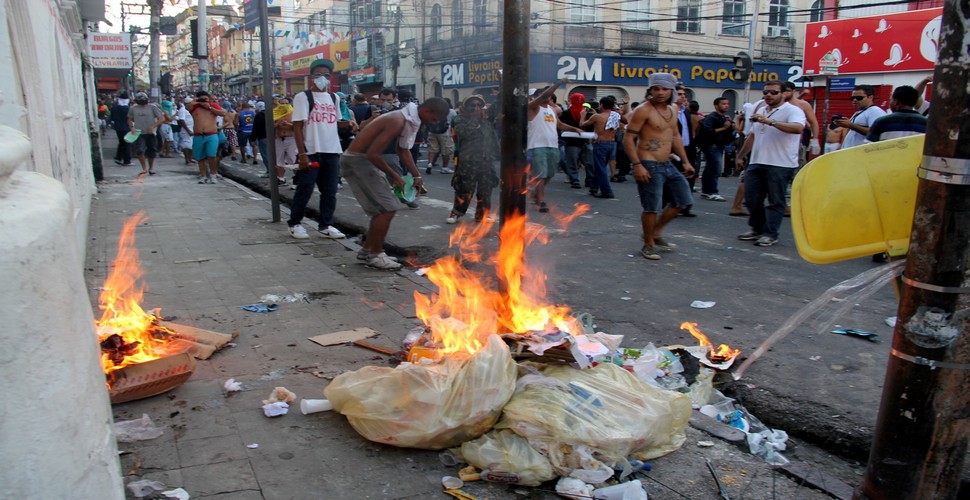
Unrest in Rio
Public transport
Public transport is likely to be disrupted during demonstrations or civil unrest. Be vigilant when using public transport, especially during rush-hour as petty crime is common. Generally, the metro systems in Rio and São Paulo are safer than buses. Criminals often work in gangs robbing large numbers of people concentrated in the same place: public transport hubs can be particular hotspots. There have been incidents of hijacking and robbery of tour buses in recent years.
Only use licensed taxis. You can pick up a licensed taxi from the many recognised taxi ranks around Brazilian cities. Always check your taxi has the company details on the outside. Taxi apps are also a useful way to call a registered taxi; request your taxi inside, if possible, to avoid displaying your smartphone on the street. If your app allows this, share your journey with friends or family so they can track you. Most airports have licensed taxi desks inside the baggage reclaim areas. You can pay for your taxi in advance using a credit card or cash inside the airport rather than in the street.
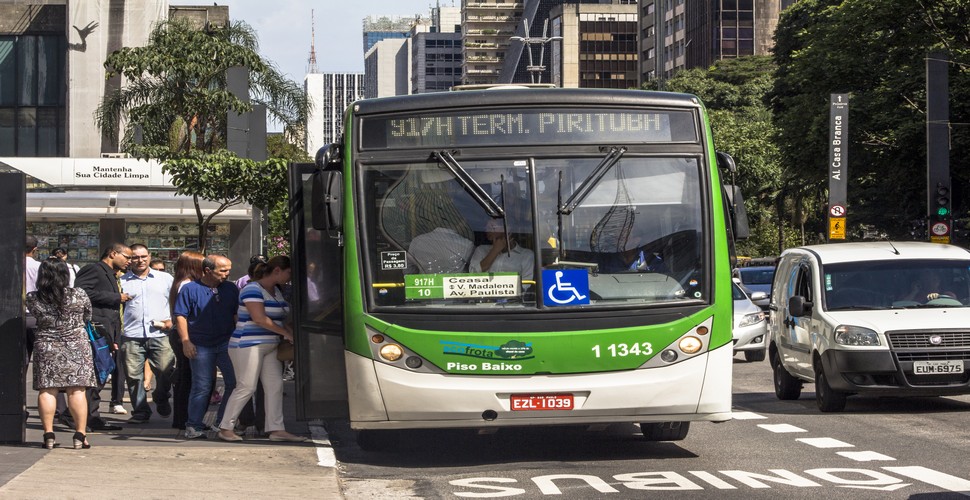
Public Transport
Swimming
Strong currents can be a danger off some beaches. Take local advice before swimming including paying attention to warning flags on beaches and the location of lifeguards if present on the beach. Shark attacks are a danger particularly on the beaches around the north eastern city of Recife. You should pay attention to warning signs and consult lifeguards if unsure. Do not enter the water where warning signs are present; sharks have been known to attack in waist deep water and fatalities have occurred.
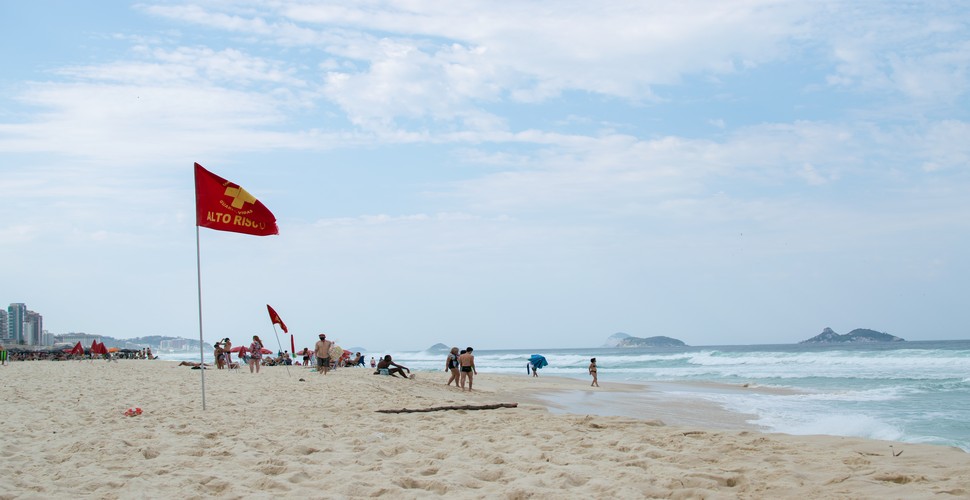
Watch Out For The Red Flags
A decent level of trip savvy is required in Brazil, however as is the case anywhere in the world, some common sense can avoid many issues and Brazil is a fascinating and beautiful country to visit.
SHARE THIS POST
popular-posts-title