Navigating Bolivia is an adventure in itself, offering a diverse range of transport options that reflect the country's rugged and beautiful terrain. From high-altitude flights over the Andes to scenic train rides across the Altiplano and river journeys deep into the Amazon basin, understanding how to get around is essential for any traveler.
Whether you are planning to traverse the country by long-distance bus, hire a private taxi, or explore remote villages by boat, this guide provides the practical insights you need to navigate Bolivia's unique infrastructure safely and efficiently.
Traveling in Bolivia
Traveling around is relatively easy within Bolivia. Highways and roads connect most major cities and smaller towns and villages. Due to the fact that Bolivia’s roads are mostly dirt or gravel, some access to certain areas is dependent on the season. During the rainy season most remote towns and villages are cut off if the rains are too severe. Only major highways between cities are paved and of course within most major cities as well. Be prepared for rough and weather dependent road conditions that will affect departure and arrival of scheduled services.

Air
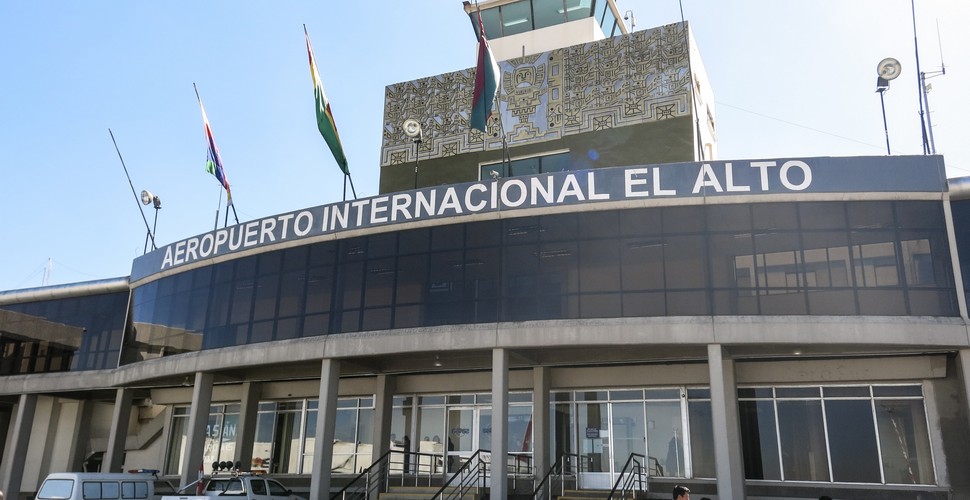
All departmental capitals, major cities and some smaller towns are serviced by national airlines, which provide daily service to most parts of Bolivia. Smaller private airplanes are also available for hire from private pilots in most major cities. La Paz, Santa Cruz, Sucre and Cochabamba are all connected by daily flights, and there are also frequent services to Tarija, Trinidad and a number of remote towns in the Amazon and the Eastern Lowlands.
The main carrier in Bolivia is currently the state-owned Boliviana de Aviacion. A smaller operator, Amaszonas, operates flights from La Paz, Cochabamba and Santa Cruz to the main towns in the Bolivian Amazon.
Land
Travel by private vehicle, bus, truck and taxi, are readily available in most cities and towns in Bolivia. Prices usually reflect the level of service, but not always. The most expensive being private vehicle and the cheapest being in the back of an open van! Comfortable Pullman-type buses are abundant and one can travel in comfort.
Long-distance buses
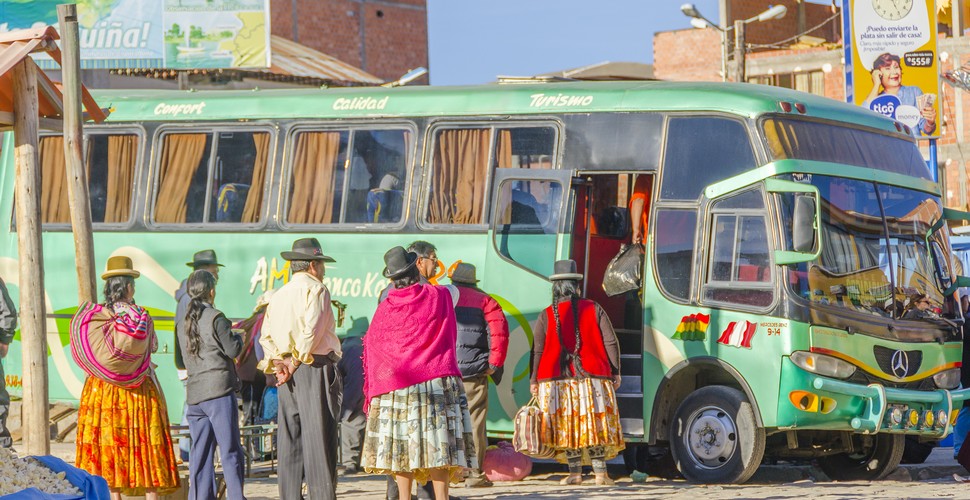
Spending ten, 12, or even 15 hours on a bus isn´t fun, but it is definitely the cheapest and easiest way of traveling between cities in Bolivia. The good news is, these buses usually travel overnight, so you can spend most of that time sleeping in preparation for your next adventure. If you are going on an overnight trip, be sure to reserve a “cama” bus seat. These seats lie flat (160˚), have leg rests and are usually quite spacious and comfortable.
Taxi
Taxis are widely available offering a cheap and safe way to get around. In Bolivia, anyone can turn their car into a taxi just by sticking a sign in the window, and many people in cities work as part-time taxi drivers to supplement their incomes. There are also radio-taxis, which are marked as such and can be called by phone; they tend to cost a little more and, in general, are a safer way to travel. Fares tend to be fixed in each city or town. A trip within any city centre will rarely cost more than Bs15, though there’s a tendency to overcharge foreigners, so it’s best to agree a price before you set off. Often, fares are charged per passenger rather than for the vehicle as a whole, and it’s not unusual to share a taxi with strangers heading in the same general direction.

Micros
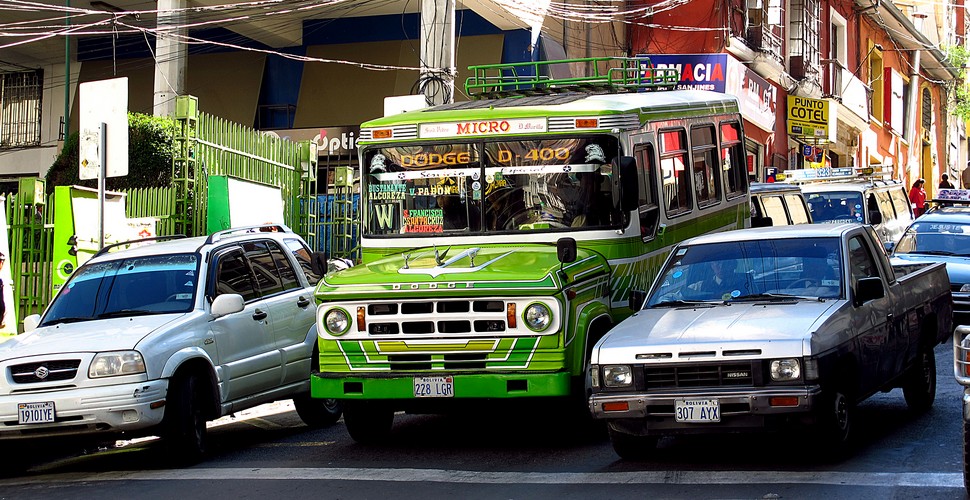
Micros are small minibuses that have almost completely replaced larger buses as the main form of urban public transport in Bolivia. A trip in a micro costs a couple of bolivianos or less, and they run with great frequency along fixed routes with their major destinations written on placards on the windscreen and shouted out by the driver’s assistant.
Rent A Car
There are plenty of car rental agencies in all major cities across the country. The prices tend to be steep because of the high cost of vehicles, service, spare parts and the unpredictable and rugged roads of the country. You will pay for the rental, accumulated kilometers and gasoline. You need a passport, international driver’s license or valid driver’s license, and a major credit card. 4WD drive vehicles like Toyota (Land Cruisers, Hi-lux), Nissan (Patrol, Pathfinder), Mitsubishi (Montero, Galloper) and Suzuki (Vitara) are the vehicles of choice for any trip outside the cities that are not on paved roads.

Train
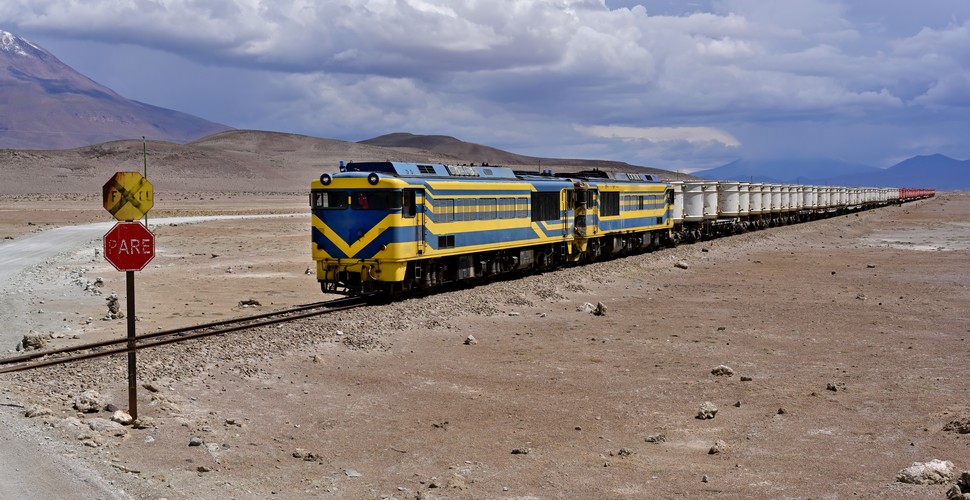
Bolivia’s railway network, like the mining industry that spawned it, is now a shadow of its former self. The Ferrocarril Andino (or Occidental) runs passenger trains from Oruro south across the Altiplano via Uyuni and Tupiza to Villazón on the Argentine border. From Uyuni, another line, served by a weekly passenger train, runs southeast to Calama in Chile. The scenery on both these Altiplano routes is magnificent.
Water
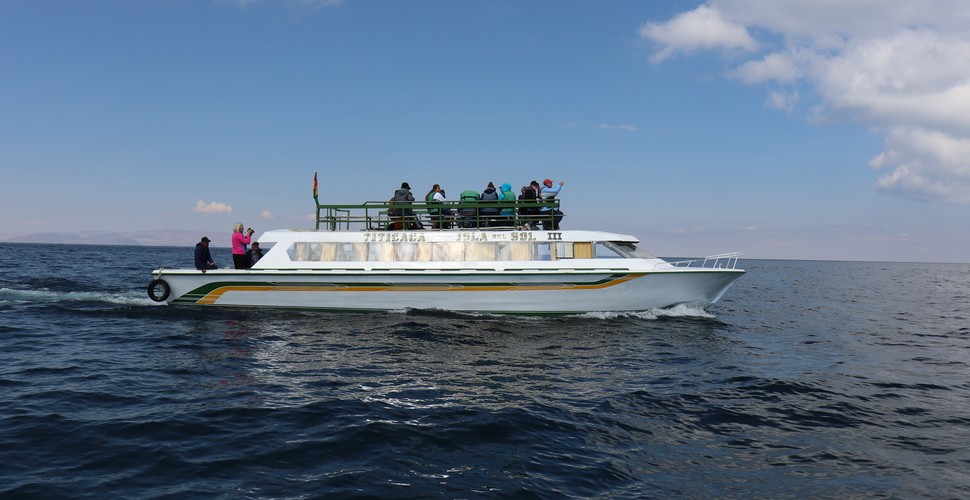
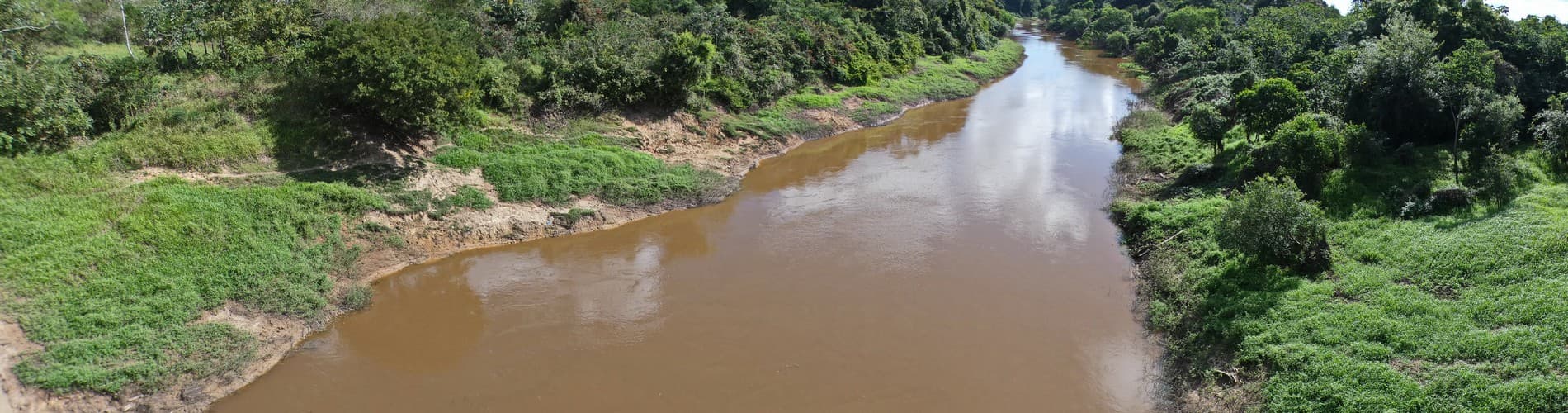
The many rivers in the Upper Amazon basin provide the only means of travel to and from many points in the tropics due to a lack of roads and the impenetrable geography. Double decker motorized riverboats ply most major rivers and smaller boats can get you to most villages. There are several regions, such as Titicaca and the Amazon where water is still the best way to getting around. Several high-end tour agencies run hydrofoil and catamaran cruises on Lago Titicaca, and smaller passenger launches run between Copacabana and the Isla del Sol. River boats were for a long time the only means of transport in the Bolivian Amazon, but their use has declined rapidly with the expansion of the road network in the region. There are still plenty of river trips you can make, though, and travelling by boat is the ideal way to experience the rainforest. There are two main forms of river transport. Dugout canoes powered by outboard motors are the only real way to get deep enough into the jungle to see the wildlife, especially in areas like the Madidi National Park.