
Discover the magic of Colombia's Caribbean coast, a vibrant region where colonial history meets pristine tropical nature. From the colorful, pirate-steeped streets of Cartagena to the secluded, jungle-fringed beaches of Tayrona National Park, this destination offers an unforgettable blend of culture, adventure, and relaxation.
Whether you are exploring ancient ruins, snorkeling in the crystal-clear waters of the Rosario Islands, or enjoying the laid-back atmosphere of coastal fishing villages, the Caribbean coast is a must-visit for any traveler seeking the authentic soul of South America.
San Andres and Providencia
Sun soaked and rich in culture, Colombia's Caribbean coastline is its dazzling jewel in the Colombian crown, boasting a plethora of ecosystems, from the dense jungles to atmospheric deserts. Unlike other bustling Colombian regions, Caribbean Colombia is all about chilling out. Colonial, cobbled streets mix into this coastline’s heady inlands of rainforest, mountains and stretches of pure golden sand it’s no wonder this coastline is the place to visit right now!
Cartagena
Guidebooks wax lyrical about Cartagena´s old town with stories of pirates and treasure, colourful colonial architecture and a distinctly Caribbean rhythm add up to a city that rivals Peru’s Cusco for the crown of ‘most captivating in South America’. One of the first cities founded by the Spanish in South America and quickly the main Spanish port, Cartagena’s labyrinth of cobbled streets, are lined with brightly painted houses and fruit stalls. Wooden balconies with cascades of flowers provide a seductive backdrop to hidden plazas and colonial churches, while a steamy, heady mix of Caribbean, Colombian and African influences produce a lively and unique street culture.
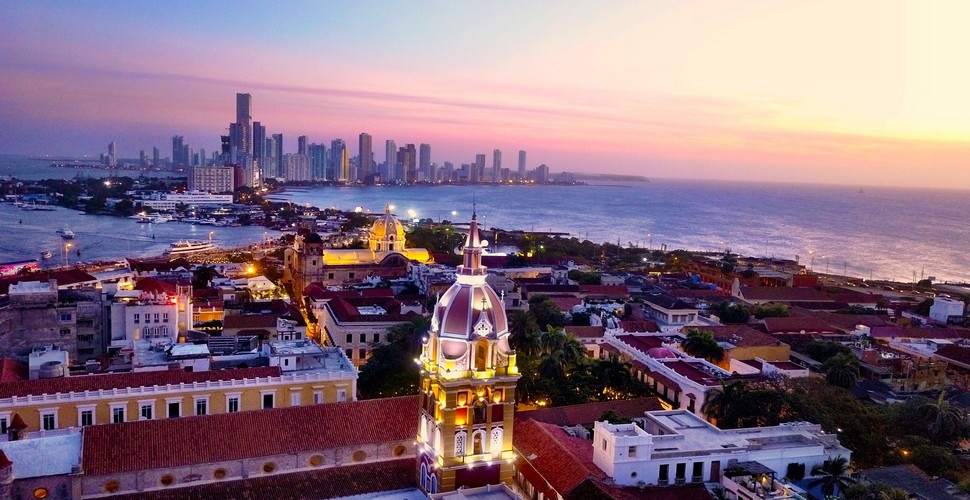
Walk the old city walls and explore the ramparts of the San Felipe Fortress, the largest Spanish fort in the Americas. Alternatively, head for a night out in the lively Getsemaní district, for salsa bars and nightlife. Don’t miss the city’s street food either. Tasty arepas, or sweet coconut cocadas, whatever tickles your fancy!

Rosario Islands
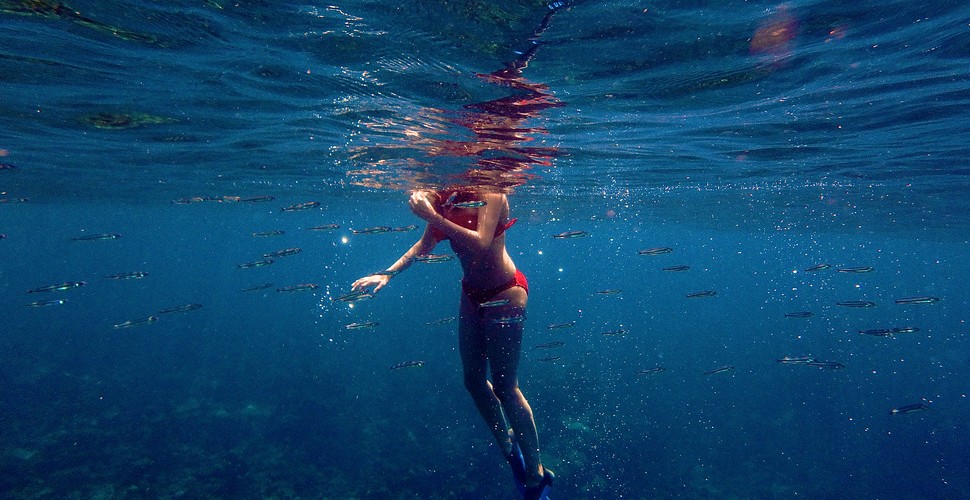
This optional day trip from Cartagena, includes snorkelling around the reefs of the 30 Rosario Islands. This national park protects one of the country’s most fragile coral ecosystems, the home of turtles, sharks and colourful reef fish. Dive or snorkel, kayak through mangrove forests or relax on the islands’ pristine coral beaches, as you enjoy a delicious local seafood dish.
Fishing Villages
Set on a narrow spit of land between the Caribbean Sea and the Cienago de la Virgen lake, just 20 minutes from Cartagena, the tiny coastal village of La Boquilla is the gateway to sublime mangrove swamps filled with endemic species and spectacular birdlife. Join the local fishermen offering tours through the natural mangrove tunnels to hidden lagoons and maybe even taste some of their catch, served up in the traditional local way with coconut rice, plantain and salad. It’s also possible to visit a social project here, set up to support the children of poor fishermen.
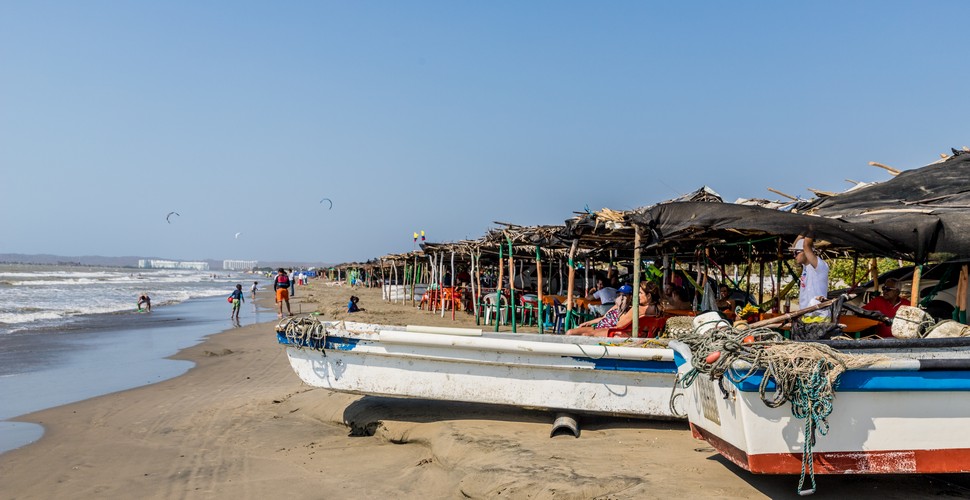
If you prefer to simply get away from it all, then peaceful Palomino, 70km to the east of Santa Marta. This quiet town offers a laid-back beach vibe and an unbroken, mostly uninhabited stretch of pure golden sand. Although the water here can be rough you can still enjoy the mesmerizing sunsets after days on the beach.
Santa Marta
South America’s second-oldest colonial city and the entrance to the Tayrona National Park has a colourful past. Most famous as the place where great South American liberator Simón Bolivar spent his final days, Santa Marta was also once a hot bed of illicit smuggling. Today, tourists, not pirates, fill the historic streets, beautiful beaches and excellent restaurants, bars and cafes.
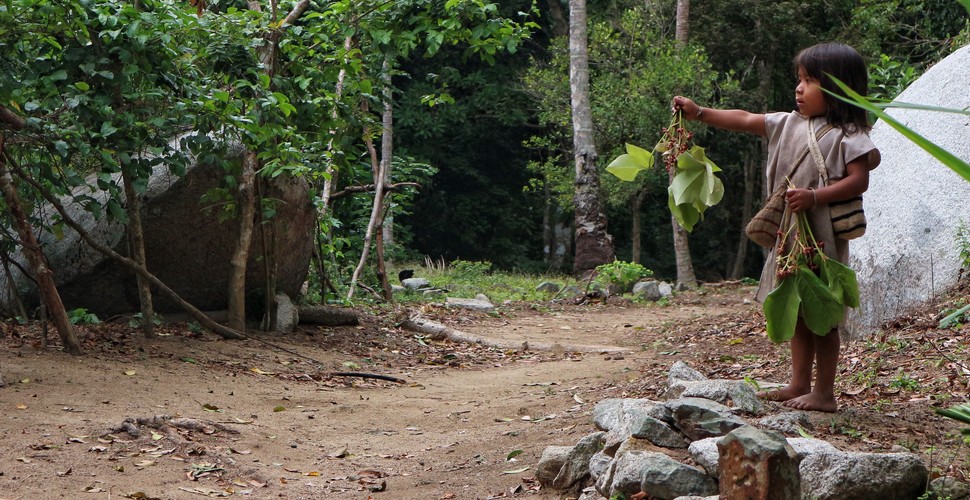
Tayrona National Park
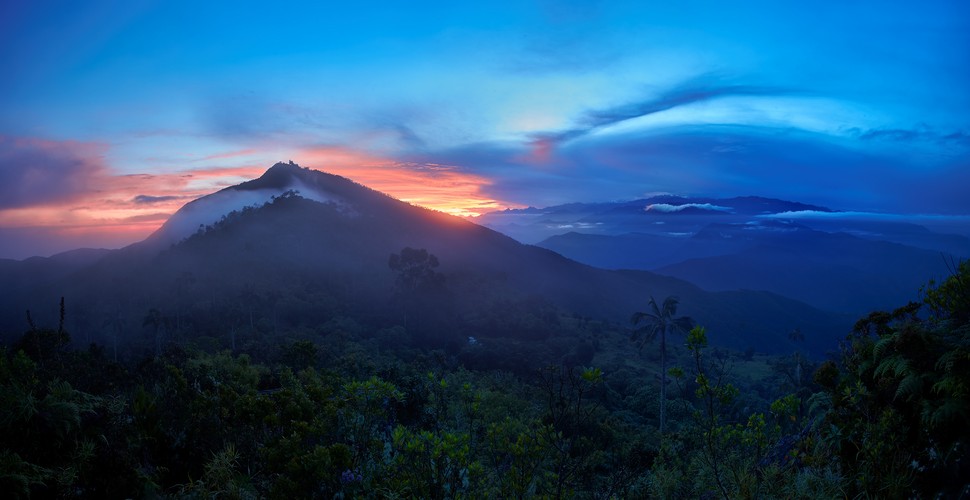
Once home to the indigenous Tayrona Indians, Tayrona National Park protects Colombia’s picturesque tropical coastline. Here, mountain tops give way to humid rainforests and in turn to golden sandy beaches, decorated with palm trees.
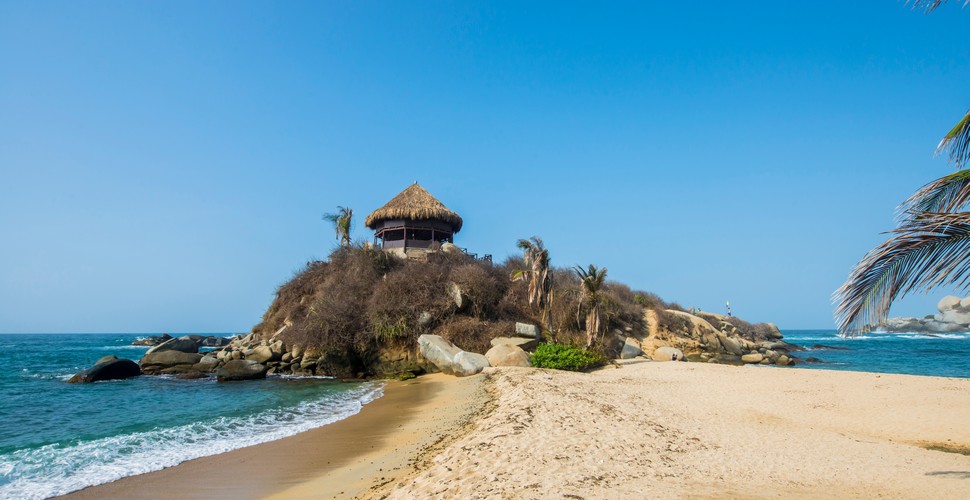
It’s totally secluded with no road access, prepare for a hike to arrive at the picture-perfect beaches. Moderate hikes of a few hours take you along rough trails through the rainforest, with monkeys swinging overhead, iguanas crossing your path and many other jungle species, accompany you along the way. Once you reach the beach area at Arrecifes, you can snorkel among the coral reefs, tuck into a delicious lunch of freshly-caught seafood, or simply kick back and enjoy the peaceful serenity of Tayrona National Park.
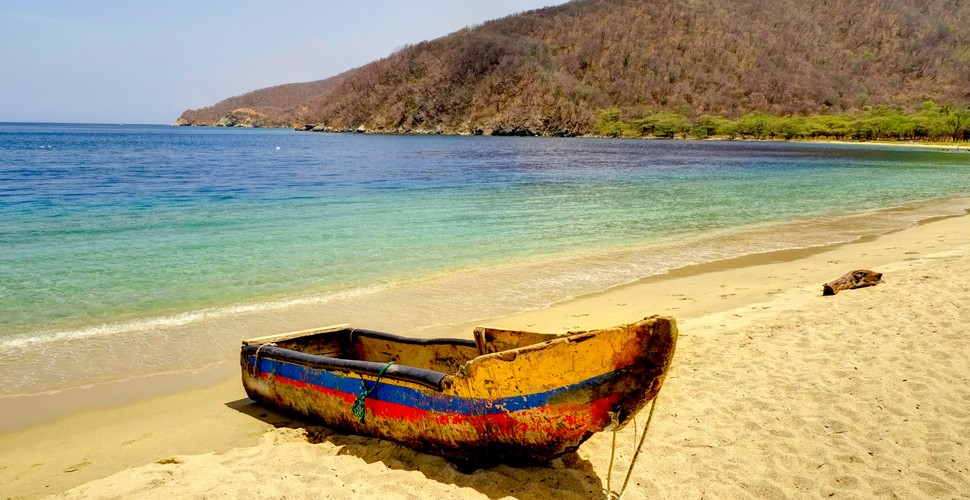
Alternatively, a four or five hour return hike from Arrecifes, takes you to one of Tayrona’s most spectacular spots, el Pueblito. Here the ruins of pre-Hispanic terraces from the former Tayrona Indian culture compete for space with the towering trees.