

Traditional Costa Rican cuisine is a vibrant reflection of the country's rich history, blending indigenous Mesoamerican roots with African, Asian, and European influences. From the hearty comfort of Gallo Pinto to the savory depth of Olla de Carne, every dish tells a story of local produce and cultural fusion.
Exploring the local food scene is an essential part of any trip to this beautiful nation. Whether you are dining in a local soda or enjoying a meal in the heart of San José, this guide will help you navigate the must-try flavors that define the authentic Costa Rican culinary experience.
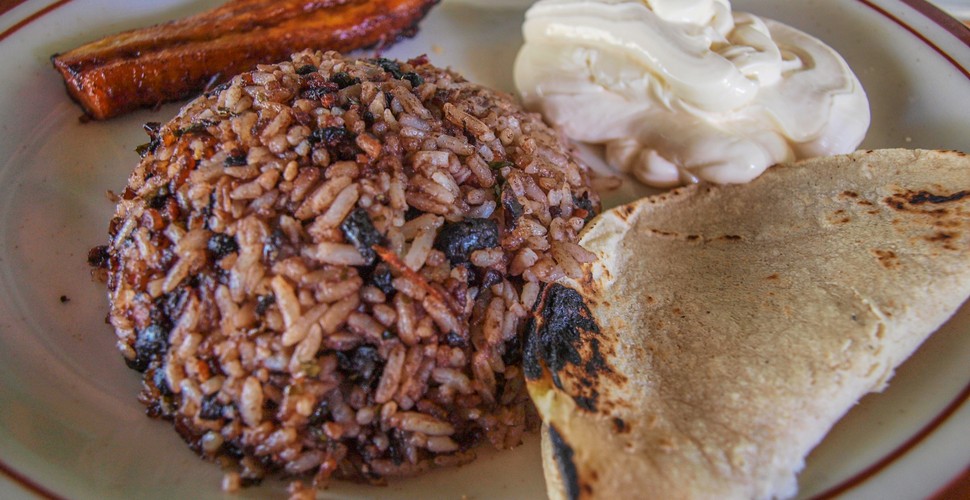
Gallo Pinto (Rice and Beans)
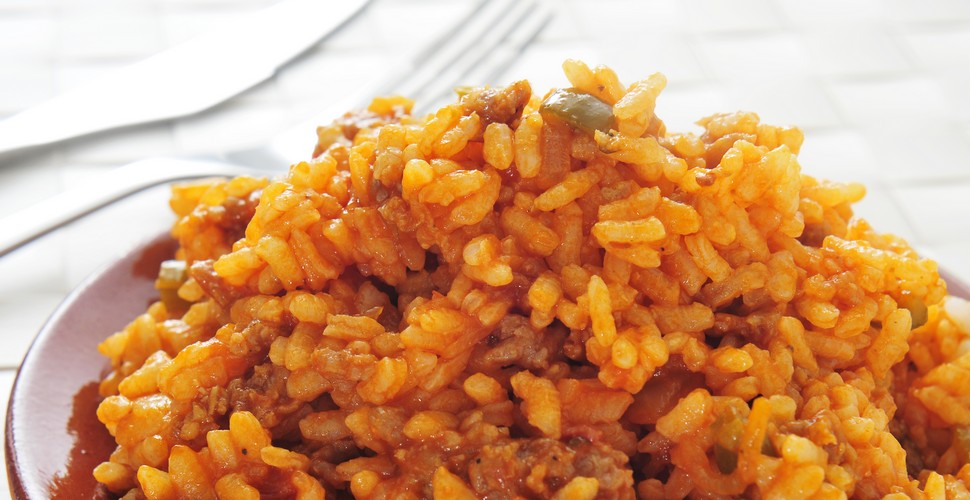
Locals consider Gallo pinto to be the national dish of Costa Rica. It consists of a mixture of cooked rice and beans which is sautéed with vegetables to the right consistency. Gallo pinto is usually eaten for breakfast but you can find it at any time of the day. The flavors of this beloved Costa Rican rice and beans dish vary depending on where it’s from. Gallo pinto from Guanacaste province, for example, tends to taste slightly toasted and more savory compared to the richer and more aromatic versions from San José.
Casado
Casado is another great staple of Costa Rican food. It’s the favorite lunch option for Costa Ricans, containing all the elements for a complete full meal. It’s extremely popular and one of the easiest dishes to find in Costa Rica. Casado has many components. It consists of white rice, refried beans, black beans, a side of protein (like beef, chicken, fish, egg, or cheese), stewed vegetables (picadillo), fried plantains, a simple salad, and sometimes a cold pasta salad.
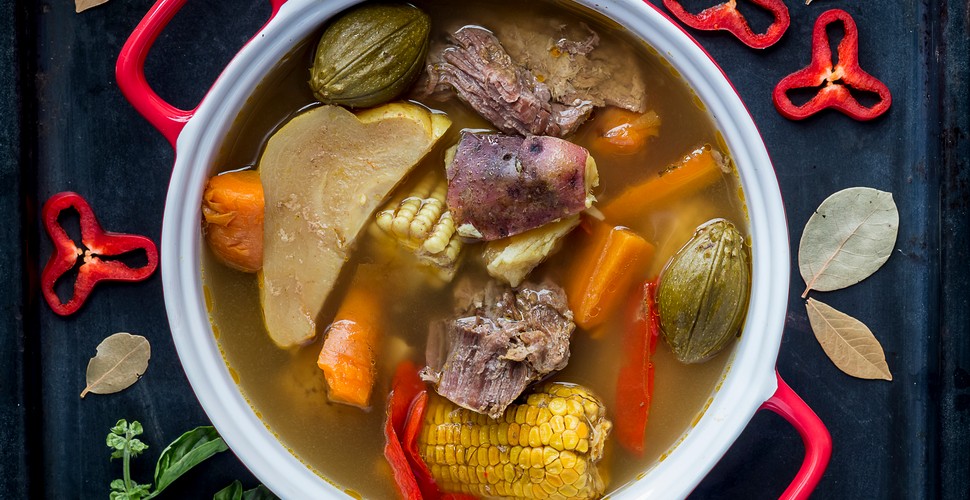
Olla de Carne (Beef Stew)
There isn’t a more common sight at the Central Market of San José than people enjoying a lunch of olla de carne with white rice. This traditional Costa Rican soup is one of the clearest examples of pre-Hispanic and European influences, using techniques from traditional Spanish cuisine and translating it to local ingredients. Olla de carne is a soup consisting of lean beef cooked with local vegetables like chayote, tacacos, carrots, onions, cilantro, green plantains, and root vegetables. The soup is simmered for several hours until the vegetables are cooked through and the meat is very tender. There are two ways Costa Ricans eat olla de carne; One, it can be divided into three separate dishes – the broth, the meat, and the vegetables. And two, it can be enjoyed as one big hearty soup. Either way, it’s always eaten with rice or tortilla.
Palmito
Palmito or palm heart comes from the inside part of the bud of the palm tree. It’s an indigenous ingredient that is now considered a newfound element of Costa Rican gastronomy. Palmito has a distinctive acidic flavor, used in traditional preparations like soups, salads, picadillo, and casseroles. The most common way to use it is in Ensalada de palmito, a Costa Rican salad consisting of boiled fresh or canned palm hearts mixed with cherry tomatoes and lettuce. It’s served with different dressings and commonly eaten as a side dish with Casado.
Sopa de Pejibaye
Another ingredient obtained from local Costa Rican palm tree varieties is pejibaye or palm fruit. Used as a staple food in Costa Rica, pejibaye is a mildly flavored starchy fruit with a unique texture. Pejibaye is easy to find in markets and supermarkets. You can find them pre-cooked and ready to be peeled and consumed. They can be eaten plain or with mayonnaise or used as an ingredient in many Costa Rican dishes like Sopa de pejibaye.
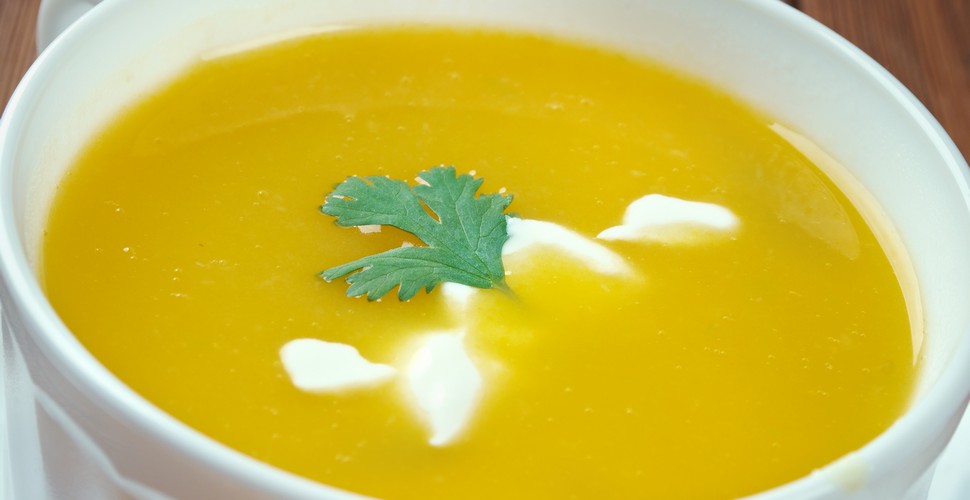
Sopa Negra (Black Bean Soup)
Influenced by indigenous cultures from Mexico, this delicious and creamy Costa Rican black bean soup is made from black beans simmered with a host of ingredients like cilantro, oregano, bell peppers, and onions. It’s often topped with a hard-boiled egg and fresh cilantro leaves and typically served as an entree, especially during cold nights.
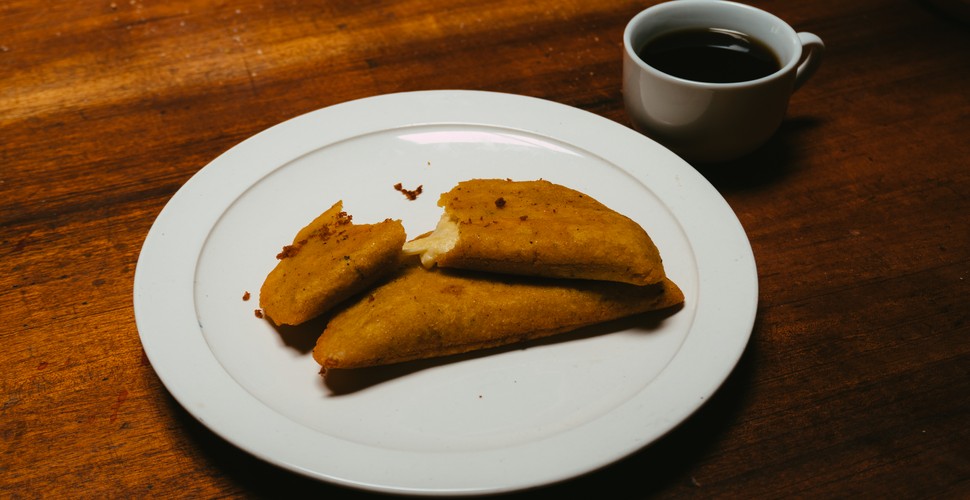
Empanadas
Popular in many Latin American countries like Argentina, Venezuela, and Peru, the perfect comfort food in Costa Rica is undeniably The Empanada. This crispy deep-fried snack is traditionally made with seasoned corn dough filled with shredded beef or chicken, potato stew, cheese, and beans. Almost every Costa Rican restaurant and soda sells empanadas. If you see it on a menu, then you may want to try empanadas arregladas. It’s a type of empanada filled with fresh cabbage salad, mayo, and ketchup.
Patacones
Patacones are a type of classic bar food in Costa Rica. It’s a perfect dish for gatherings with family and friends and is ideal for sharing as it’s vegan and gluten-free. Shaped like discs, patacones are made from deep-fried mashed green plantains. They have a crispy golden exterior and a soft creamy interior. They have the perfect shape to scoop out sauces and are often served with a small bowl of refried beans, guacamole, sour cream, or pico de gallo.
Picadillo
Popular in many Latin American countries like Puerto Rico, the Dominican Republic, and Cuba, picadillo is a traditional Costa Rican dish consisting of a selection of chopped and stewed vegetables and root crops like carrots, potatoes, and green beans. It’s a dish that can be prepared with just vegetables or with the addition of meat like ground beef or pork. This stew-like dish is a traditional way to prepare food in Costa Rica, taking relevance at the beginning of the 20th century. It’s said to have been born from the last and only dictatorship the country faced in 1917.
Tamales
Popular in many Latin American countries like Mexico, Guatemala, Belize, and Cuba, the tamal is without question one of the most remarkable influences from Mesoamerican indigenous cultures. Made up of corn dough, a tamal is filled with meat like pork or chicken, rice, chickpeas, and vegetables. The dough is wrapped tightly in plantain leaves before being boiled for a few hours until the tamal is fully cooked.