
Navigating the vast landscapes of Brazil is an adventure in itself, offering a diverse array of transportation options ranging from extensive bus networks to iconic Amazonian riverboats. Whether you are planning a luxury escape or an off-road expedition, understanding the local transit systems is essential for a seamless journey.
This guide provides practical tips on how to get around Brazil efficiently, covering everything from air travel between major cities to the nuances of renting a car and using local taxis. Discover the best ways to traverse this magnificent country and make the most of your Brazilian travel experience.

By Air
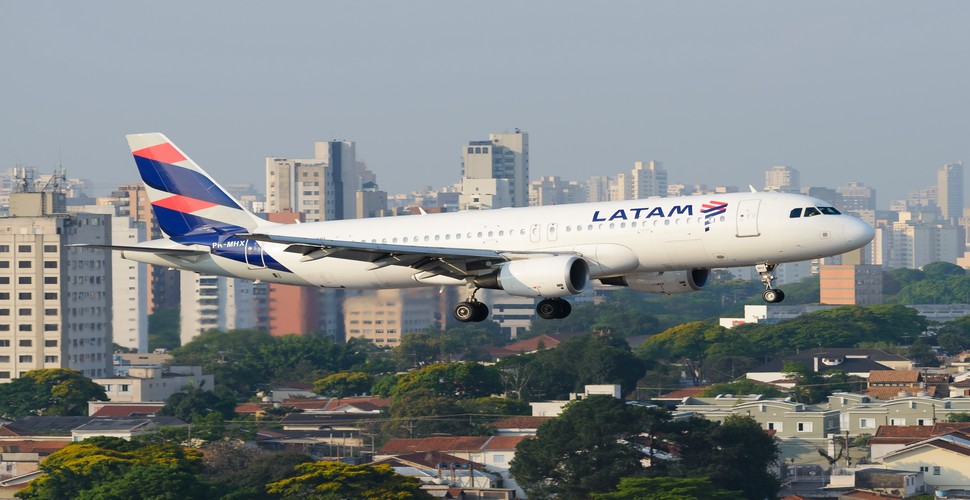
It’s hardly surprising that a country the size of Brazil relies on air travel. In some parts of Amazônia, air links are more important than roads and rivers. Most towns have an airstrip, and all cities have airports, usually some distance from the city but not always: Santos Dumont in Rio, Congonhas in São Paulo and Guararapes in Recife are all pretty central. The airports of Brasília, Congonhas and, above all, Guarulhos in São Paulo are chronically crowded, with long check-in lines. If flying internationally from Guarulhos, add at least an extra hour to account for the phenomenal queues to get through passport control, and don’t be surprised, on arrival, for it to take an hour or more to clear customs and immigration. If travelling with children, go straight to the front of the lines: families, pregnant women and seniors have priority.
By train
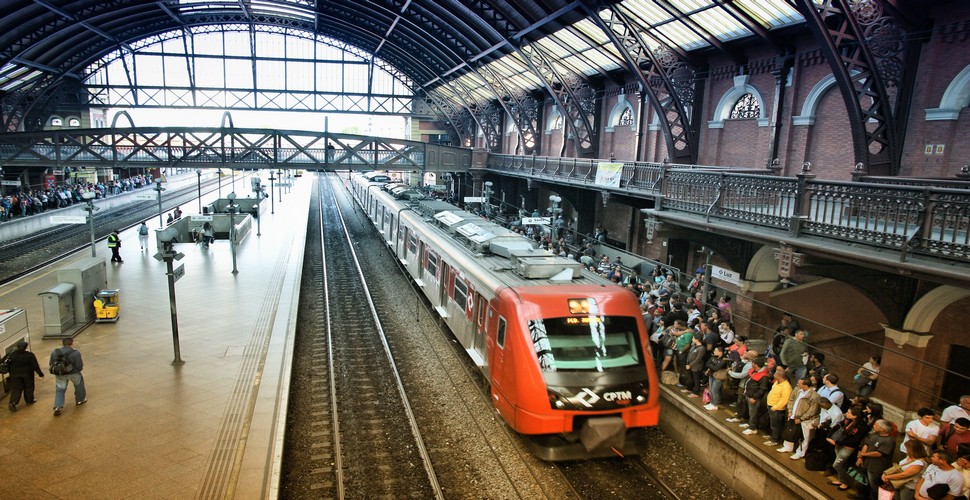
You probably won’t be taking many trains in Brazil. Although there’s an extensive rail network, most of it is for cargo only, and even where there are passenger trains, they’re almost invariably slower and less convenient than the buses. Exceptions are the metro rail systems in Porto Alegre, Rio, São Paulo and Brasília and a few tourist journeys worth making for themselves, especially in the South and Minas Gerais.
By bus
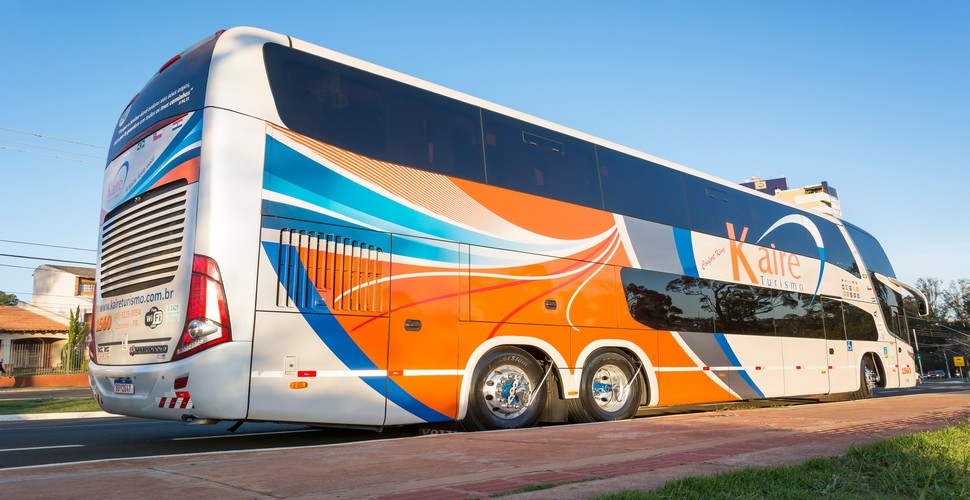
The bus system in Brazil is excellent and makes travelling around the country easy, comfortable and economical, despite the distances involved. Inter-city buses leave from a station called a rodoviária, usually built on city outskirts. Buses are operated by hundreds of private companies, but prices are standardized, even when more than one firm plies the same route, and are reasonable: Long-distance buses are comfortable enough to sleep in, and have on-board toilets (which can get smelly on long journeys): the lower your seat number, the further away from them you’ll be. Buses stop every two or three hours at well-supplied postos, but as prices at these are relatively high it’s not a bad idea to bring along water and some food. Some bus companies will supply meal vouchers for use at the postos on long journeys. There are also luxury buses, called leitos, which do overnight runs between the major cities, with fully reclining seats in curtained partitions, freshly ironed sheets and an attendant. They cost about a third of the price of an air ticket, and twice as much as a normal long-distance bus; they’re also less frequent and need to be booked a few days in advance. No matter what kind of bus, it’s a good idea to have a light sweater or blanket during night journeys, as the air conditioning is often uncomfortably cold.
Going any distance, it’s best to buy your ticket at least a day in advance, from the rodoviária or, in some cities, from travel agents. An exception is the Rio–São Paulo route, where a shuttle service means you can always turn up without a ticket and never have to wait more than fifteen minutes. Numbered seats are provided on all routes: if you want a window, ask for janela. Buses have luggage compartments, which are generally safe: you check pieces at the side of the bus and get a ticket for them. Keep an eye on your hand luggage, and take anything valuable with you when you get off for any reason.
By car
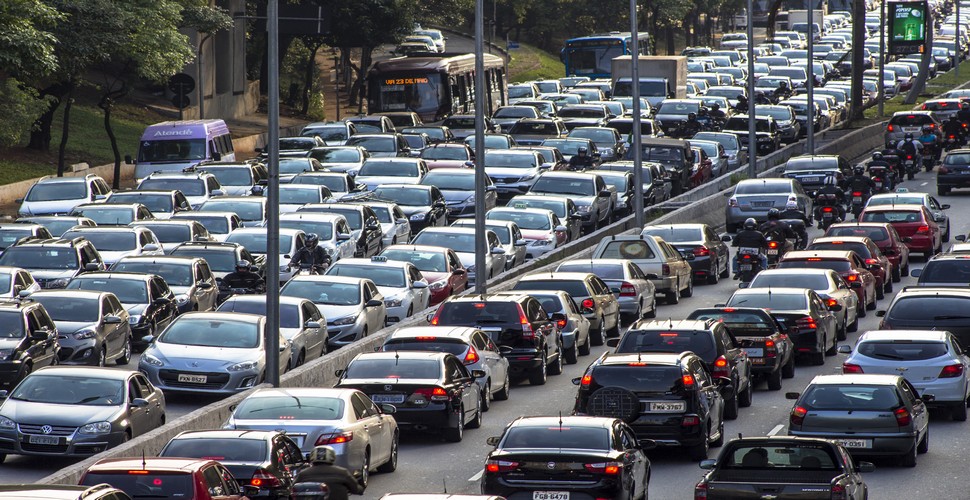
Driving standards in Brazil are somewhat dubious. The country has one of the highest death tolls from driving-related accidents in the world, and on any journey, you can see why, with thundering trucks and drivers treating the road as if it were a Grand Prix racetrack. Fortunately, inter-city bus drivers are the exception to the rule: they are usually very good, and their buses usually have devices fitted that make it impossible for them to exceed the speed limit. Electronic speed traps are widely used everywhere, and if you get caught by one in a rental car, the fine will simply be added to your credit card. Since 2008, a zero-tolerance law has made it strictly illegal to drive after consuming any amount of alcohol, a response to the enormous death toll caused by drunk drivers. Parking, especially in the cities, can be tricky due to security and finding a space, and it’s worth paying extra for a hotel with some kind of lock-up garage. A universal feature of city driving in Brazil is the flanelinha, named for the flannel that informal parking attendants’ wave at approaching cars; these attendants will help you into and out of parking spaces and guard your car, in return for a real or two. Never leave anything valuable inside the car.
Renting a car
Renting a car in Brazil is straightforward. Of the big-name international companies, Hertz and Avis are the most widely represented, with Budget and Dollar increasing their representation. There are also plenty of reliable Brazilian alternatives, such as Unidas, Interlocadora and Localiza. Car-rental offices (locadoras) can be found at every airport and in most towns regardless of size, although you will pay slightly more for airport pick-up and drop-off. Almost all cars in Brazil have manual gears; automatics are rare. As you would anywhere, carefully check the condition of the car before accepting it and pay special attention to the state of the tyres (including the spare), and make sure there’s a jack, warning triangle and fire extinguisher: the police will check for these if you get pulled over. All cars have front and back seatbelts; their use is compulsory, and stiff on-the-spot fines are imposed on drivers and front-seat passengers found not to be wearing them.
Taxis
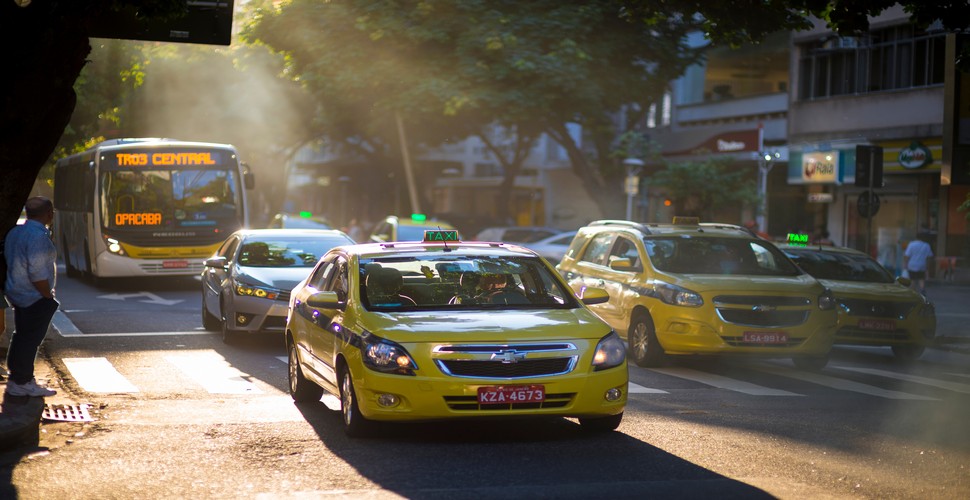
There are enormous numbers of taxis in Brazilian cities, and they’re very cheap, especially if there are two or more passengers. City cabs are metered, and have two rates: 1 is cheaper, 2 more expensive. The rate the taxi is using is indicated on the taximeter, after the fare. Rate 2 is automatic on trips to and from airports and bus stations in big cities, after 8pm, and all-day Sunday and public holidays. Taxis in small towns and rural areas do not often have meters, so it’s best to agree on the fare in advance. Most airports and some bus stations are covered by taxi cooperatives, which operate under a slightly different system: attendants give you a coupon with fares to various destinations printed on it – you pay either at a kiosk in advance, or the driver. These are more expensive than regular taxis, but they’re reliable and often more comfortable. Tipping is not obligatory, but appreciated.
By ferry and boat
Water travel and ferries are also important forms of transport in parts of Brazil. Common ferry trips include the ferry to Niteroi, without which no journey to Rio would be complete; Salvador, where there are regular services to islands and towns in the huge bay on which the city is built and most of all in all of Amazônia.
Amazon Riverboats
In Amazônia, rivers have been the main highways for centuries, and the Amazon itself is navigable to ocean-going ships as far west as Iquitos in Peru, nearly 3000km upstream from Belém. In all the large riverside cities of the Amazon, such as Belem, Manaus and Santarém, there are ferry terminals for waterborne bus services. Amazon river travel is slow and can be tough going, but it’s a fascinating experience. Wooden boats are much more comfortable than metal, but usually slower. Take plenty of provisions, and expect to practise your Portuguese. Boat transport in the Amazon runs from luxury tourist boats and large three-level riverboats to smaller one, or two-level boats and covered launches operated by tour companies. The most popular route is the Belém–Manaus trip, which takes four to six days.