Chile is a land of dramatic contrasts, stretching from the sun-scorched dunes of the Atacama Desert to the icy majesty of Patagonian glaciers. This guide explores the country's most iconic destinations, offering a curated look at the natural wonders, bohemian coastal towns, and historical sites that make Chile a unique travel experience.
Whether you are seeking the mysterious moai of Easter Island, the world-class vineyards of the Colchagua Valley, or the rugged trekking trails of Torres del Paine, Chile offers an unforgettable adventure for every type of traveler. Discover the best spots to visit and start planning your ultimate South American journey.
Rapa Nui National Park
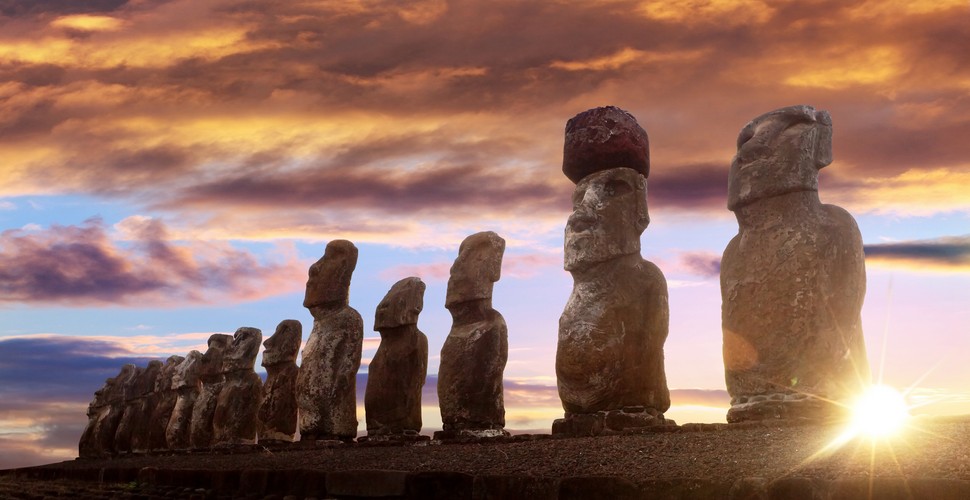
Found on the most remote island on the planet, The, Rapa Nui National Park on Easter Island contains nearly 900 moai statues. The main attraction of the park of course is to admire these giant monoliths, with unusually large heads and an even more unusual and mysterious history. Watch the sun rise over Ahu Tongariki, a ceremonial platform with a line of 15 well-restored moai, and see the birdman petroglyphs at Papa Vaka. After a hike around the island, relax on the white sands of Anakena Beach. To learn more about the history of Easter island, consider booking a tour with a local guide. Legally, all guides must be Rapanui, offering the added bonus of being able to hear the history of the island from a native’s perspective.
Torres del Paine National Park
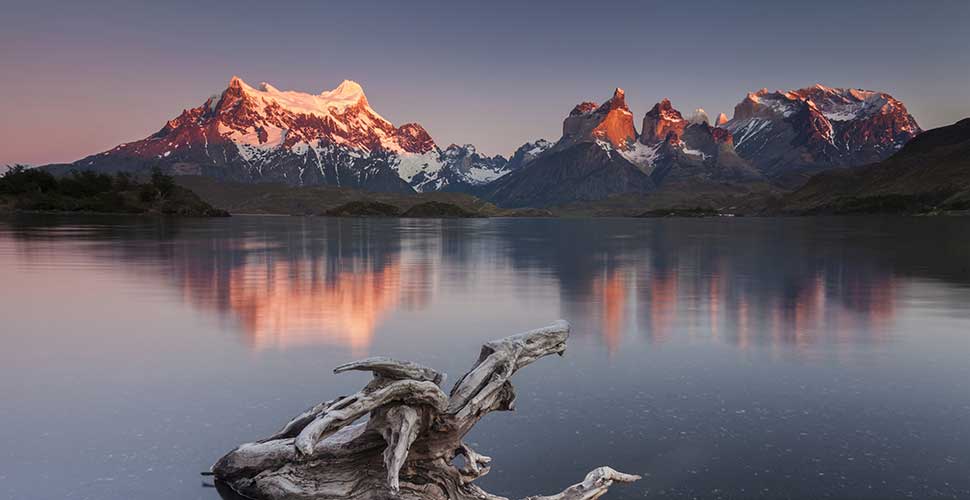
The most famous of Chile’s national parks, Torres del Paine is the home of emerald green lagoons, rolling grasslands, deep green forests, and blue-tinged glaciers. The Cuernos del Paine, the park's main granite feature, tower over the landscape, where the endemic wildlife of pumas, guanacos, huemul deer, condors, Darwin's rheas, and flamingos, play second fiddle. Hike up to the peaks, or opt for multi-day treks like the W, the O, or the Q. routes. The longer routes, require that you book campsites and refuges along the way, well in advance, or the other 252,000 people who visit Torres del Paine each year, will beat you to it! Other activities include glacial hiking on the Grey Glacier or kayaking around this massive ice mass.
Cape Horn
The Atlantic and Pacific come crashing together at Cabo de Hornos (Cape Horn). The southernmost point of the Tierra del Fuego archipelago, Cape Horn was first sighted by Sir Francis Drake, but due to its violent sailing conditions including 100km gale force winds, it was not actually discovered until 1616 by a group of Dutch sailors. Cape Horn was the most important Southerly trade route for two centuries, connecting Europe to Australia and Asia, and even played an important role in the California Gold Rush. Now, it can be reached via cruise ship or boat. The island has two small lighthouses, a chapel, and two monuments to the sailors who met their end around the cape, one of which is a giant iron albatross that symbolizes the souls of over 10,000 sailors who lost their lives here.
Atacama Desert
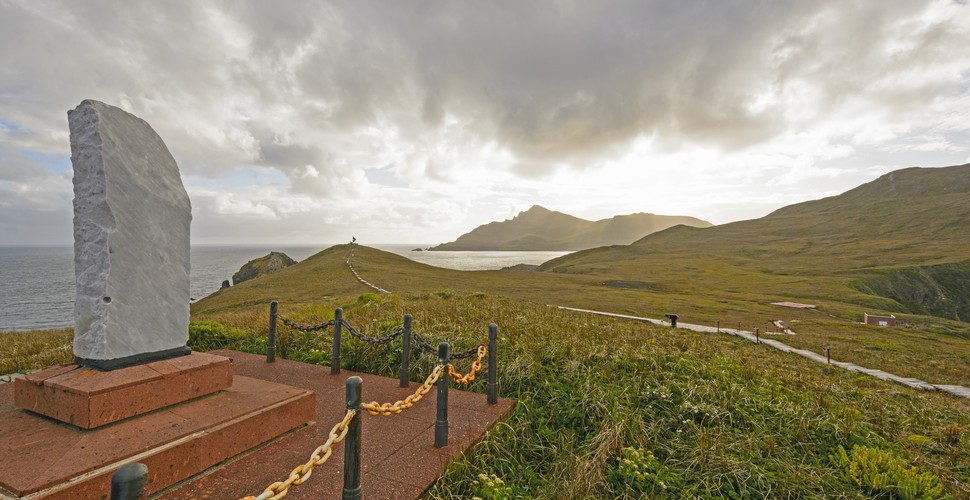
For extreme remoteness, diverse geographical sub-regions, and medicinal hot springs, many travellers venture to the driest place on earth - The Atacama Desert. The available activities are endless in this remote part of the world; Observe the erupting waters spewing out of the geysers at El Tatio or float on the indigo-blue lakes of the Lagunas Escondidas de Baltinache. Hike the remote red landscapes of the Valle de la Luna at sunset, as the last rays of sun, stretch across the wind-sculpted rock formations; Descend into one of the Atacama’s canyons to soak in one of the eight pools of the Puritama Hot Springs, or bike across the mirror-like Salar de Atacama, Chile’s largest salt flats, the options here are endless!
Valparaíso
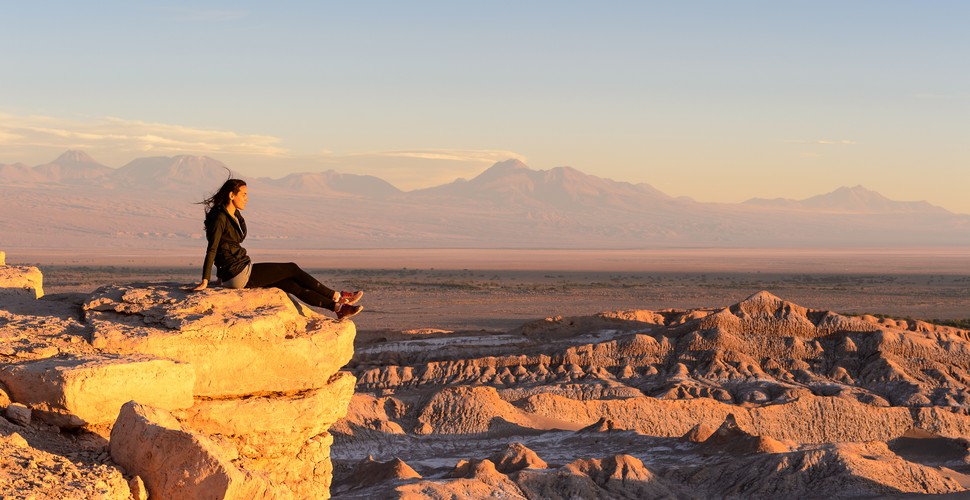
A Bohemian hangout on the coastal area, Valparaíso is the home of brightly coloured houses, creative street art, on the hills heading down towards the Pacific Ocean. Wander around its streets on a group or self-guided tour to admire the graffiti on the sides of buildings and across the staircases. You can sample fresh fish and seafood at Caleta Portales, the main fish market, or at the Caleta el Membrillo fishing inlet. You can marvel at the bay from a “funicular” on railroad tracks, and wander through Pablo Neruda’s house, La Sebastiana, for insight into the poet’s life and his unique decorative style. To get the best idea about what makes this town tick, sit down and chat with the friendly and enthusiastic locals, who are always more than happy to share a tale or two with a philosophical twist, adding to the essence of this remarkable, bohemian town.
Elqui Valley
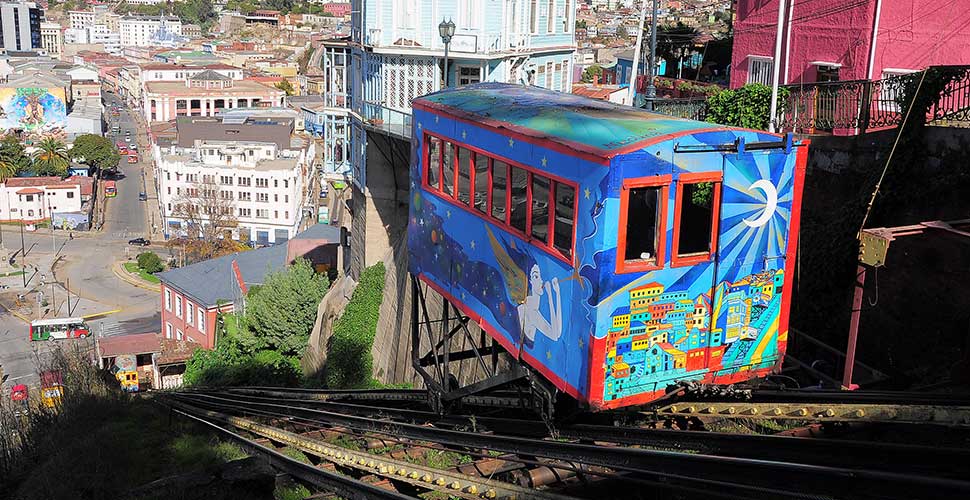
The Elqui valley is home to vast clear skies and rolling hills, adding to the relaxing ambience, of this valley which is blessed with authentic pisco, wellness, and starry skies. Surrounded by the Atacama Desert and with natural quartz deposits underfoot, which offer sparkling trails and pathways, attracting lovers of an alternative lifestyle, yogis, and astronomers to its quaint villages and vineyards. Enjoy a massage, sweat it out in a sauna, and meditate along the shores of the Elqui River in El Molle. Discover the classic distilleries of Chile’s pisco-producing capital, or visit one of its resident mystics or shamans for some spiritual insight. Stargaze at the Gabriel Mistral Dark Sky Sanctuary, or sample the valley’s grapes with excellent native Syrah and Carménère varieties at the boutique vineyards. The valley has its unique ways of “making” you chill out for the duration of your stay here!
Marble Caves
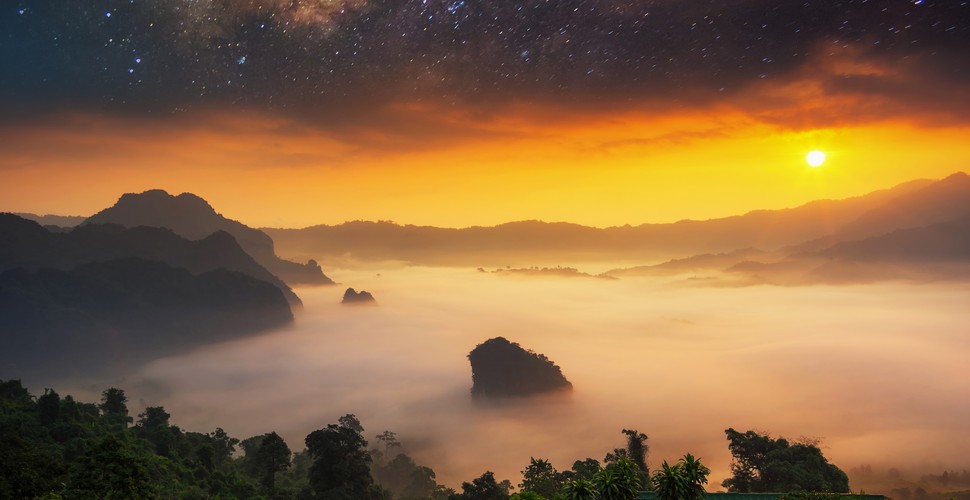
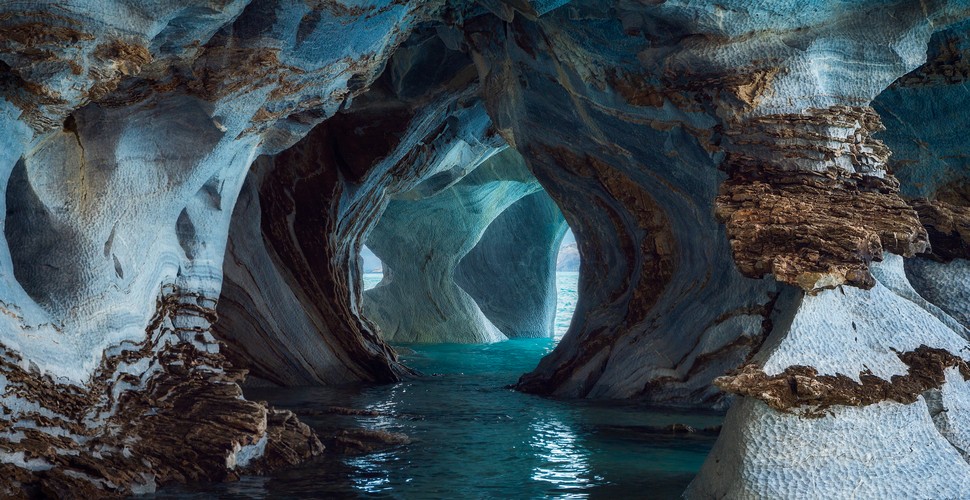
Along the Carretera Austral, near the sleepy town of Puerto Río Tranquilo, lies a natural wonder within the Lago Carrera General- The Marble Caves. These spectacular caves are only accessible by water transport. You can rent a kayak to explore the caves and paddle through its other-worldly white, turquoise, yellow, and purple-grey tinged grottos. The Patagonian winds, which have assisted the formation of these caves within the lake’s calcium carbonate cliffs over millenniums, still gust and gale and create the crashing waves, which bash against the rocks. Hire a guide from the town or take a speedboat, if you are not an experienced kayaker, however you visit, this is guaranteed to be on of the highlights on any Patagonia trip.
Chiloé Island
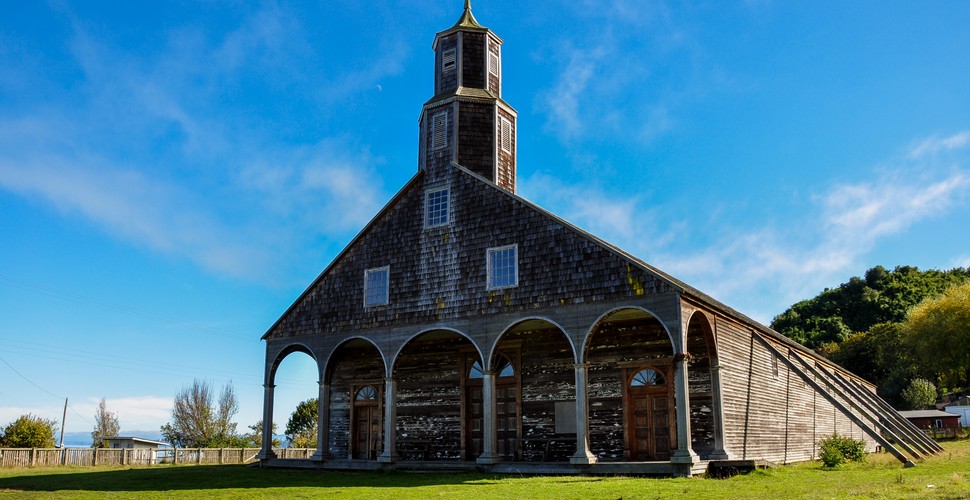
The unique culture on this island is characterized by its curanto (a clam bake), wooden boat -like churches and rainbow-coloured “palafito” houses. There are 16 UNESCO World Heritage Site churches, which combine Spanish design with local “Chilota”-style boat building techniques and fabulously decorated interiors. As an archipelago, Chiloé s surrounding waters are home to blue whales, you can sail out for the best views or see them from afar from the shores of the Chiloé National Park. The park includes the magnificent Chepu Valley, home to more than 120 bird species, as well as a sunken forest, which was created by the 1960 Valdivia earthquake and subsequent tsunami.
The Villarrica Volcano
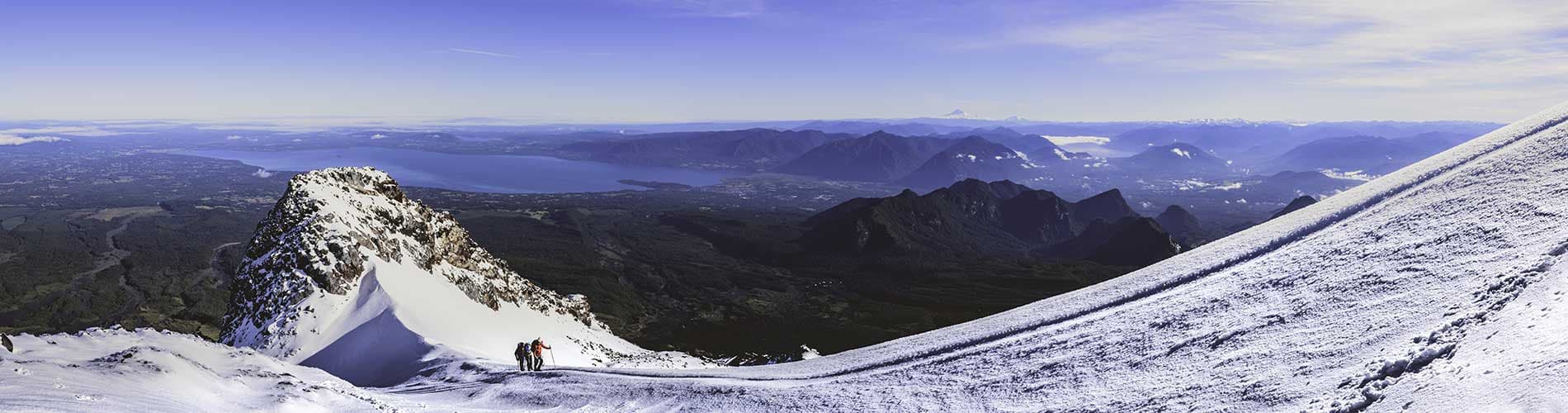
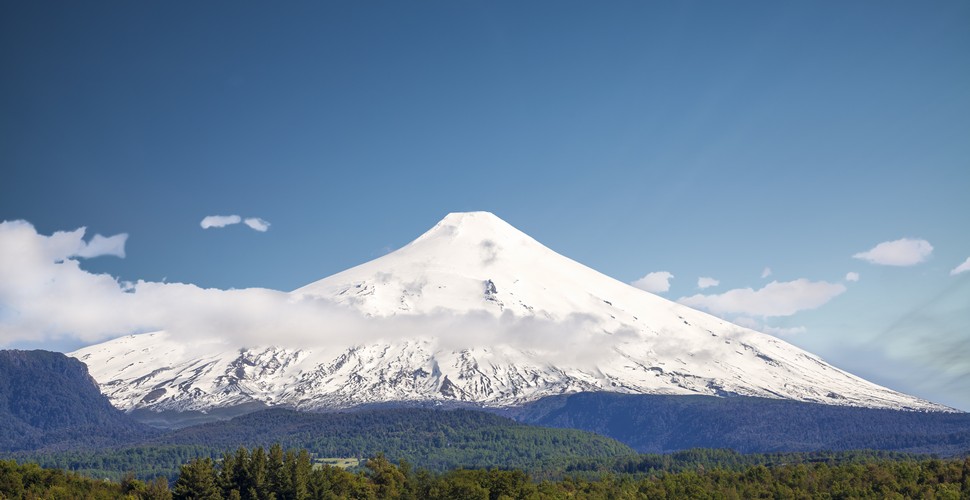
One of the few permanently active volcanoes in the world, Villarrica looks over the town of Pucón, blowing sulphury smoke into the air and housing a lava lake in its crater. Hike across the ice solo or on a tour to the crater rim in about three to five hours to see the glowing mass up close and personal. After your visit, you can slide down on a toboggan (or rubbish bin bag!) on your derriere, within 15 minutes! Ski Pucón, the ski resort on the side of Villarrica, offers several beginner and intermediate ski runs. After a hike and a slide, relax in Pucón or head to the nearby hot springs for a soak.
San Rafael Glacier
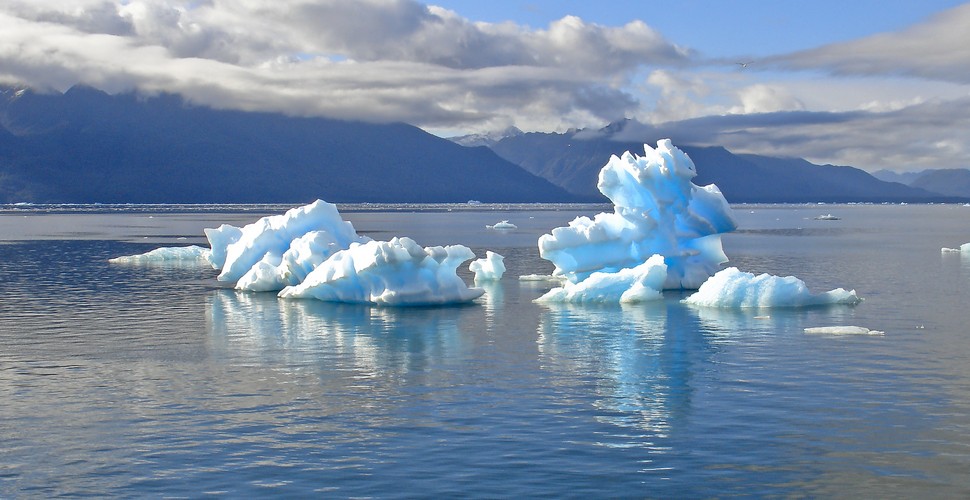
The San Rafael Glacier is a 400 km2 sheet of ice continually filling the Laguna San Rafael. Found in the Northern Patagonia Icefield, it stands over 70 metres high, looking over the Laguna San Rafael National Park, surrounded by the lagoon and accompanying rainforests. A boat tour will allow you to see the glacier and cruise through fjords, however for the more adventurous, a kayak tour will give you more freedom to sail closer to the glacier, as well as land at the park and hike its trails. The park is home to pudus foxes, and sea elephants, and the serenity of the area due to being off the beaten track, only adds to its awesomeness. Few visitors come here, as most opt to explore the country's more easily accessible glaciers, which is the best reason to visit!
Santiago
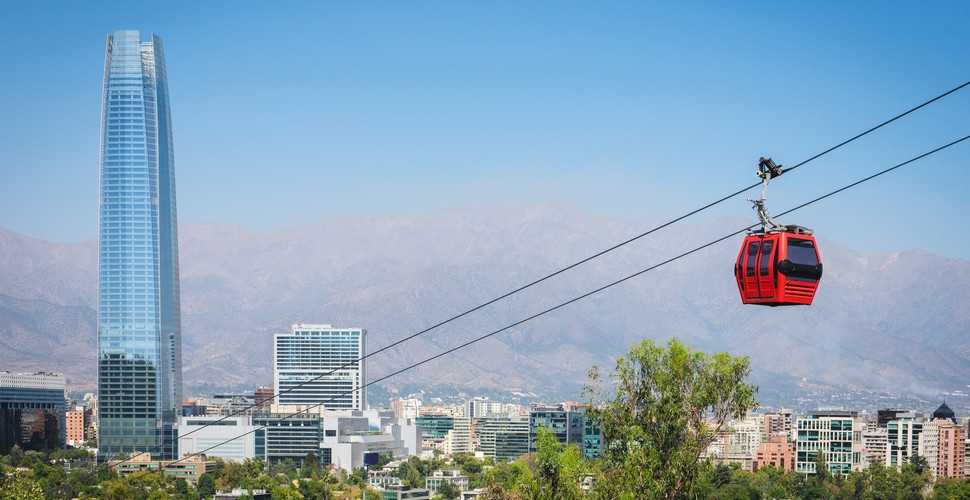
The capital of Chile, Santiago contains interesting museums, eclectic cultural centres and a fascinating history intimately tied to the country as a whole. Learn all about native indigenous cultures at the Museo Chileno de Arte Precolombino and the crimes of the Pinochet dictatorship at the Museo de la Memoria y los Derechos Humanos. See exhibitions, theatre, and dance at the Centro Cultural Gabriela Mistral (GAM). Visit the Palacio la Moneda, where President Allende’s government was overthrown, offer excellent insight into the Pinochet regime and hike to the top of San Cristóbal Hill offers one of the best views of the city. Also, Santiago is the best city to base yourself for skiing in the Andes, wine tasting in the valleys and surfing in the Pacific on your Chie vacation!
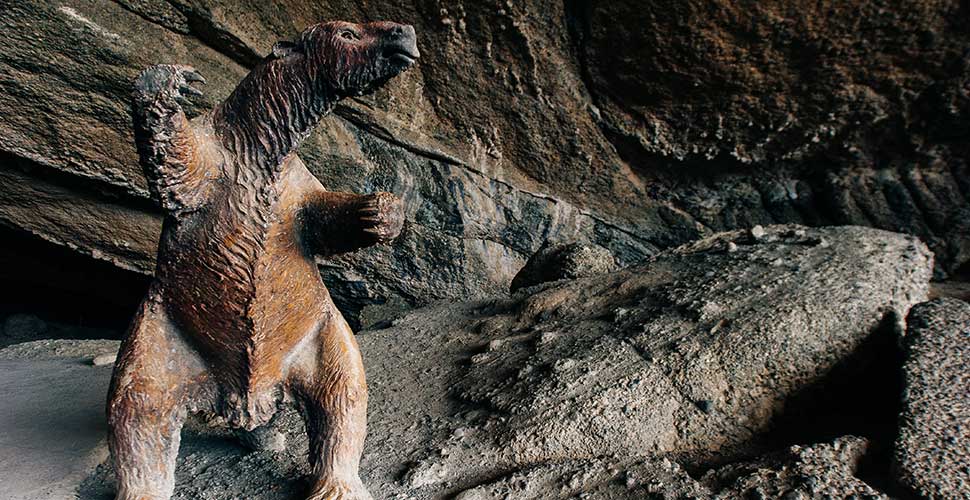
Mylodon Cave
Formerly the home of mylodons, sabre toothed tigers, dwarf horses, and prehistoric humans, the Milodón Cave Natural Monument is a group of three caves located in Patagonia, found outside of Puerto Natales. In 1865, a German explorer descended into the biggest of the caves, a 200 metre-deep cavern, and discovered the well- preserved skin and excrement of the extinct mylodon, a 3 metre high sloth. Now a life-size mylodon statue is found in the cave, now welcomes visitors. Explore all three caves and hike to Devil’s Chair, a nearby rock formation with views of Eberhard Fjord and the surrounding mountains and glaciers.
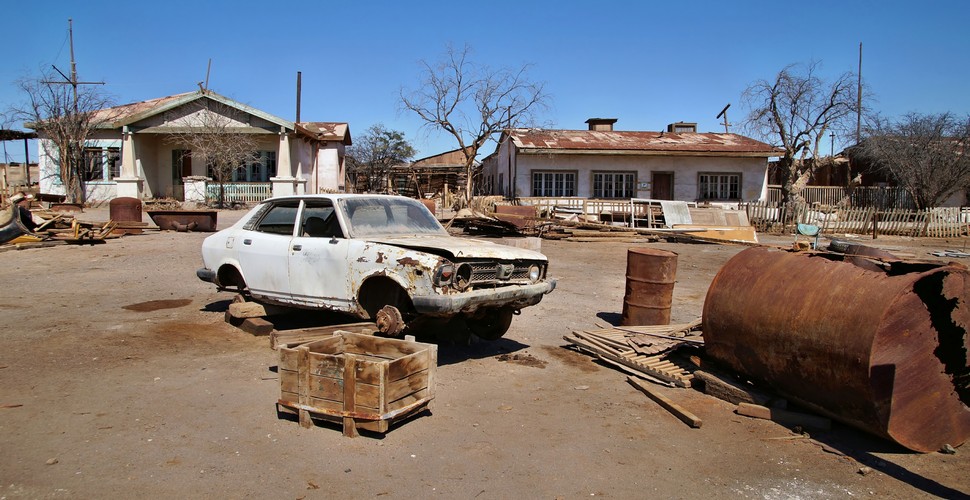
The Ghost Towns of Humberstone and Santa Laura
About 80 km away from the city of Iquique, the once abundant mining towns of Humberstone and Santa Laura are now dusty open-air museums and UNESCO World Heritage Sites. Home to the world’s largest deposit of potassium nitrate, over 200 saltpetre mines were mined by workers from Bolivia, Peru, and Chile. Known as “pampinos”, the miners developed a specific culture of social justice and hard graft. Go to Santa Laura to see the abandoned refinery equipment and the railroad station, while Humberstone mine, contains the homes of the miners, an empty swimming pool, and a haunted theatre to boot!
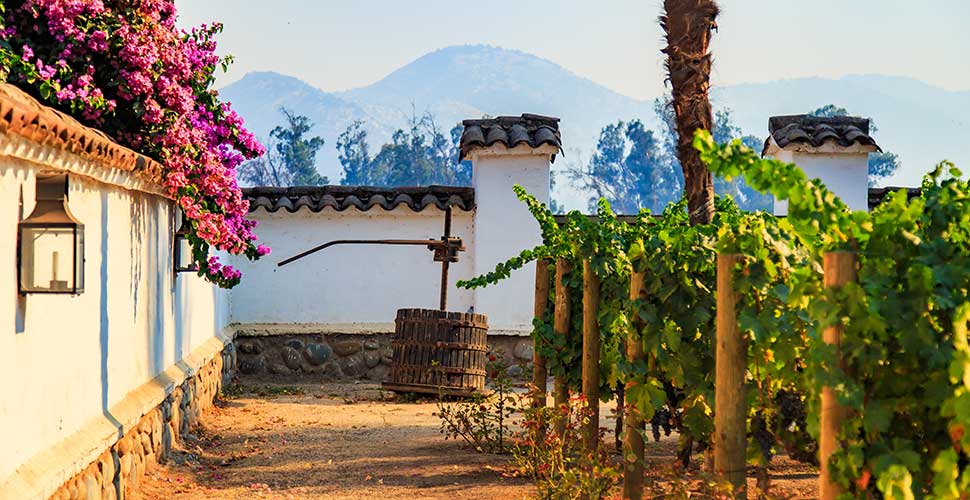
Colchagua Valley
Carménère, Cabernet Sauvignon, and Merlot are three of the main reasons to go to Colchagua Valley. With ocean breezes and fertile earth, it one of the best wine producing regions of Chile. Fresh air, clear skies, relatively flat terrain, and vineyards as far as the eye can see, make the valley ideal for cycling. Consider joining a tour or renting a bike to any of its 20 wineries for a tasting, but too many samples have the obvious consequences 😊. The Santa Cruz Vineyard is one of the best known, who addition to producing full bodied wines, offers a cable car ride to its hilltop cafe for the best views and some friendly llama petting!
Cochamo River Valley
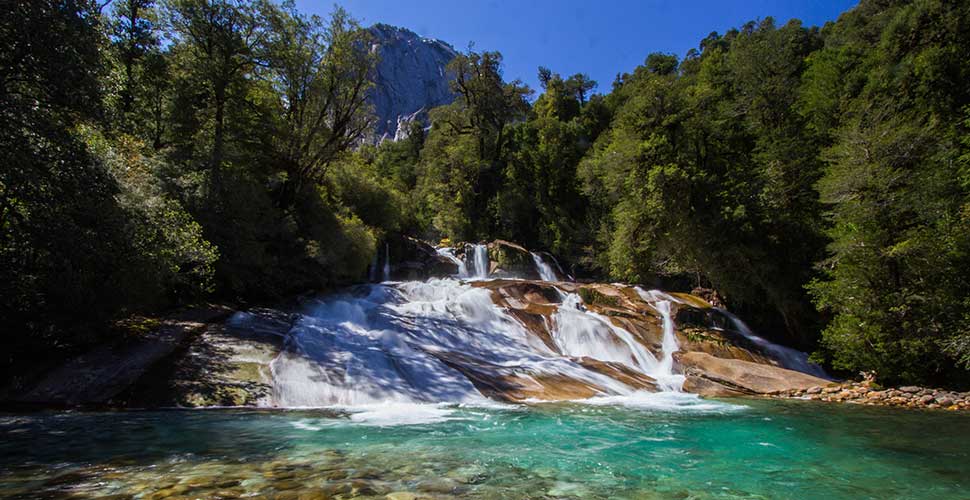
Famous for Butch Cassidy and the Sundance Kid´s visit to this valley en route to Argentina, today, the valley’s lush rainforests, granite domes, and waterfalls are more often visited by hikers, rock climbers, and fishing enthusiasts. Often compared to Yosemite in California, granite walls reach over one km high and is one of the main hiking areas in Chile. Most of the trails are built by hikers cutting through brush, meaning that many are not well-maintained. To cool off, head to the Toboganes de la Junta, a natural pool with a waterfall of stone waterslides, natures aquatic themed waterpark!