From the arid plains of the Atacama Desert to the glacial majesty of Patagonia, Chile is a premier destination for outdoor enthusiasts. Whether you are seeking the thrill of climbing active volcanoes, white-water rafting in the Lake District, or exploring the unique marine life of Easter Island, this guide highlights the most spectacular adventures across the country.
Discover the best regions for trekking, skiing, and water sports as we take you through the diverse landscapes that make Chile a world-class playground for travelers. Prepare to immerse yourself in nature and experience the raw beauty of the southernmost tip of South America.
Chile's diverse geography
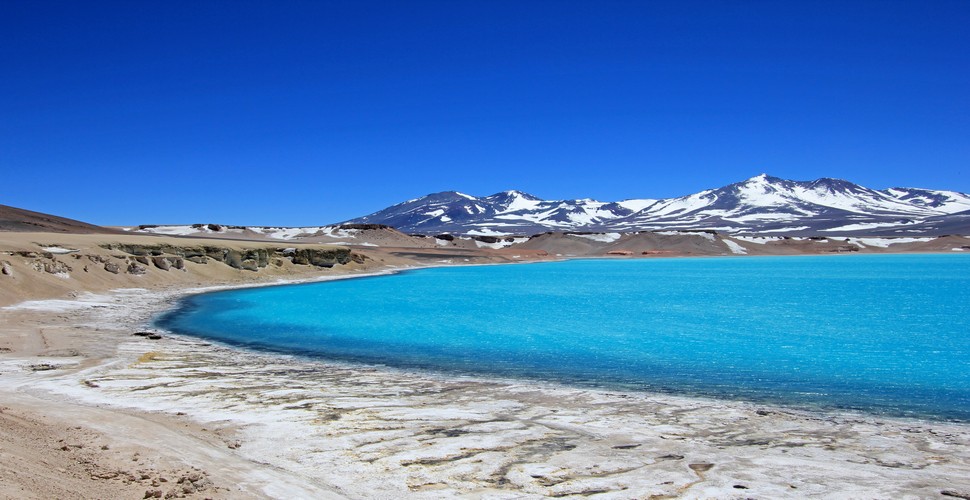
Chile features some of the best skiing in the southern hemisphere and the finest resorts lie just 40km from Santiago, in Valle Nevado and Portillo, while the Termas de Chillán ski centre in the middle of the country allows you to combine the longest run in South America with steaming thermal pools for après-ski relaxation. Volcanos are in fact a defining feature of Chile’s geography. In the Far North, experienced trekkers can tackle volcanos such as the Parinacota volcano and Ojos del Salado volcano, the tallest active volcano in the world.
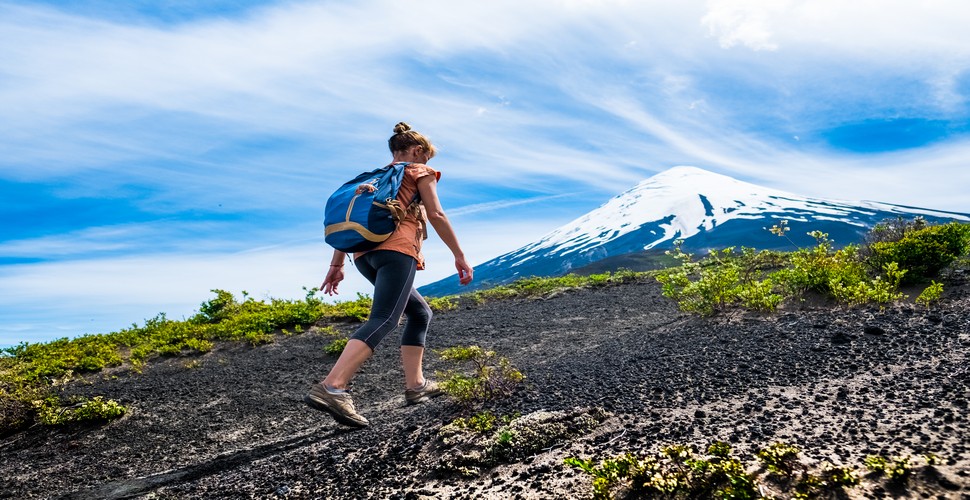
In the Lake District we have Villarica and the Osorno volcanos which make spectacular day climbs for novices. The most challenging vertical ascents are the giant granite towers at the heart of Torres del Paine National Park. If the mountains aren’t high enough, climb aboard a hot-air balloon or paraglide above Iquique’s giant sand dune – a favourite with sandboarders. Water-lovers will undoubtedly be tempted by Chile’s playground of rivers and seas. While Río Trancura and Río Petrohue cater to beginners, Río Futaleufú remains Chile’s most challenging river for white-water rafting and kayaking, while the northern sector of Parque Pumalín, the Gulf of Ancud, the southern fjords and the turbulent Magellan Strait are all prime sea-kayaking territory. Here is our pick of outdoor activities in Chile.
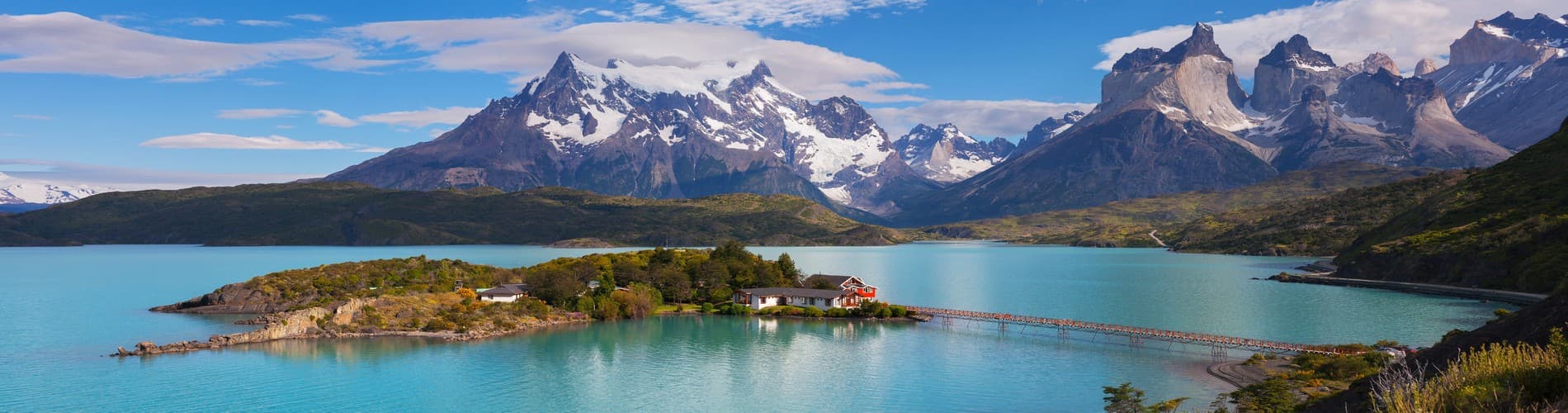
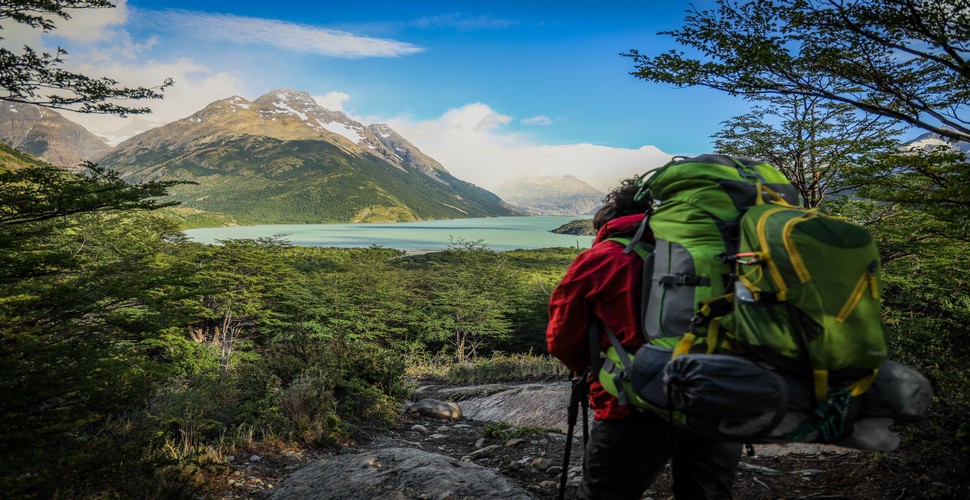
Torres del Paine National Park
If you’ve read anything about this country then it should come as no surprise that Torres del Paine National Park come out at the top of this list of places to visit in Chile. The towers emerging in the background as we hike out of Torres del Paine National Park. Not only will you get your fill of hanging glaciers, glimmering glacial lakes and glimpses of guanacos, foxes and hares, but it’s a genuine adventure that accessible even to those who’ve never embarked upon a multi-day hike before.
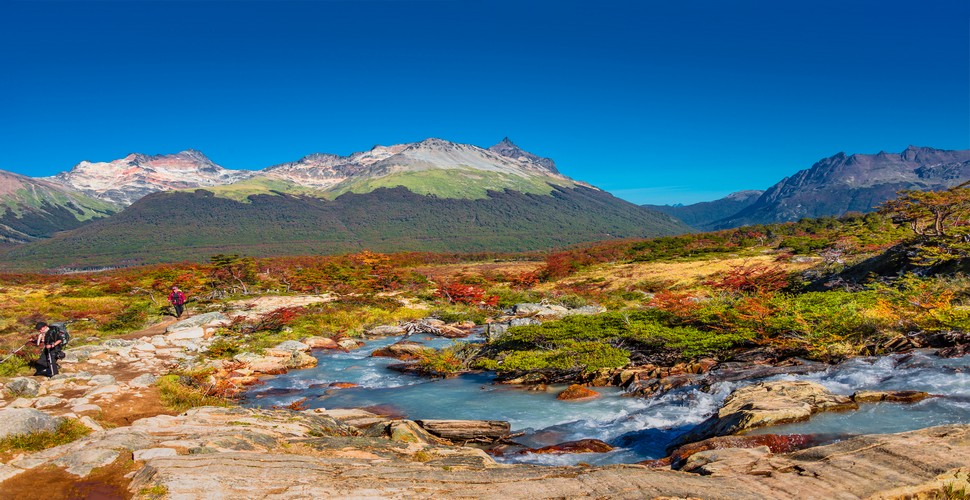
Chilean Tierra del Fuego, Southern Patagonia
As adventurous places to visit in Chile go, this is probably the most difficult and rewarding of them all. Tierra del Fuego, the huge island at the far end of Patagonia, is only really visited on the Argentine side, with tourists making their way to Ushuaia and the southernmost city on the planet. However, the Chilean half of Tierra del Fuego is a bewitching paradise of soaring, snow-dusted mountains, rusty peat bog and a huge range of native wildlife that you’re almost guaranteed to see on a trip here.
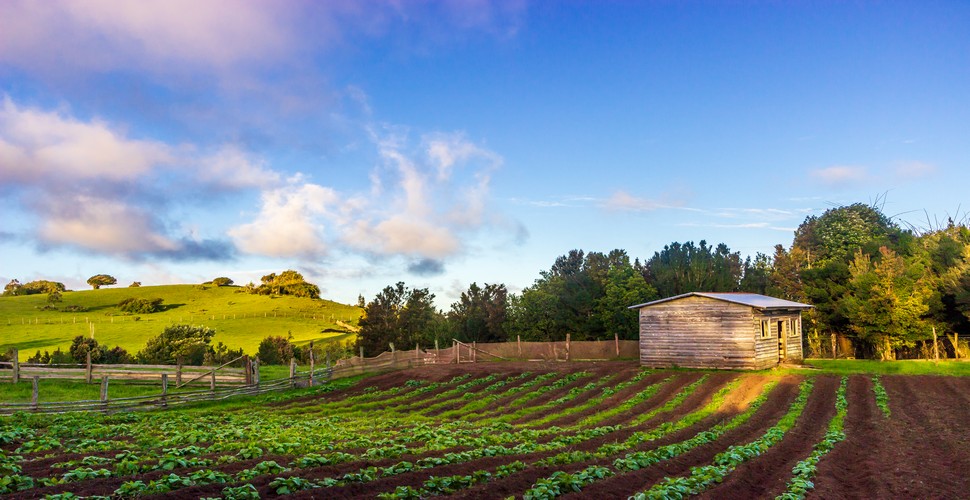
Isla Chiloé
Although a growing number of those who travel in Chile head to Chiloé, the island just south of Puerto Montt in the Lake District. If you have the time, head to the astoundingly beautiful and wildlife-rich Chepu Valley. Here, you can kayak at dawn through the jet-black boughs of a forest which sunk beneath the waters of Río Puntra after a 9.3 magnitude earthquake, the largest ever recorded, ripped through the island, causing the whole of Chiloe to drop 1.5m.
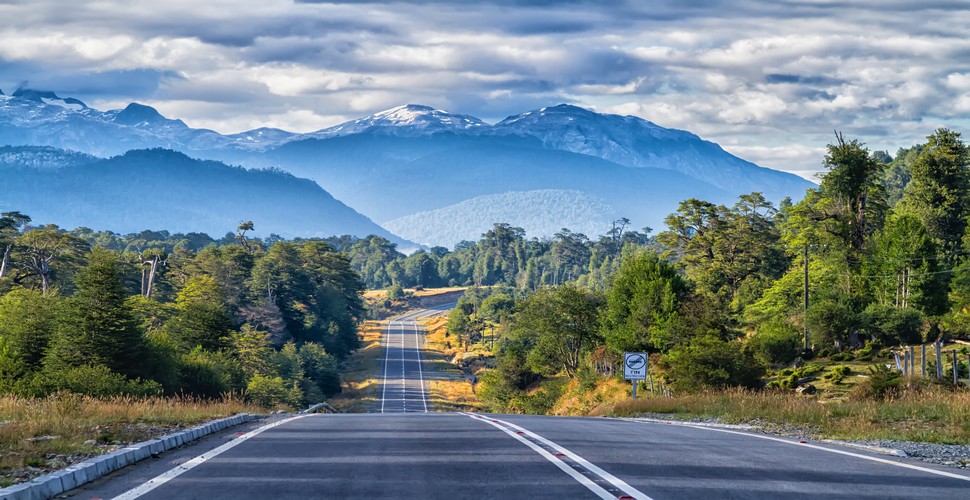
The Carretera Austral, Northern Patagonia
This 1,240km stretch of mostly unpaved road makes for one of the most exciting ways of travelling in Chile: road tripping. Depending on your Chile travel itinerary, you can start the Carretera Austral at its northern tip from Puerto Montt or at its southernmost town, Villa O’Higgins. In reality, most rent a vehicle in the former and drive through the glacial and forested landscapes of northern Patagonia, stopping at Carretera highlights such as the Queulat Hanging Glacier, the Enchanted Forest, the San Rafael Glacier and the Marble Caves.
Puerto Varas, The Lake District
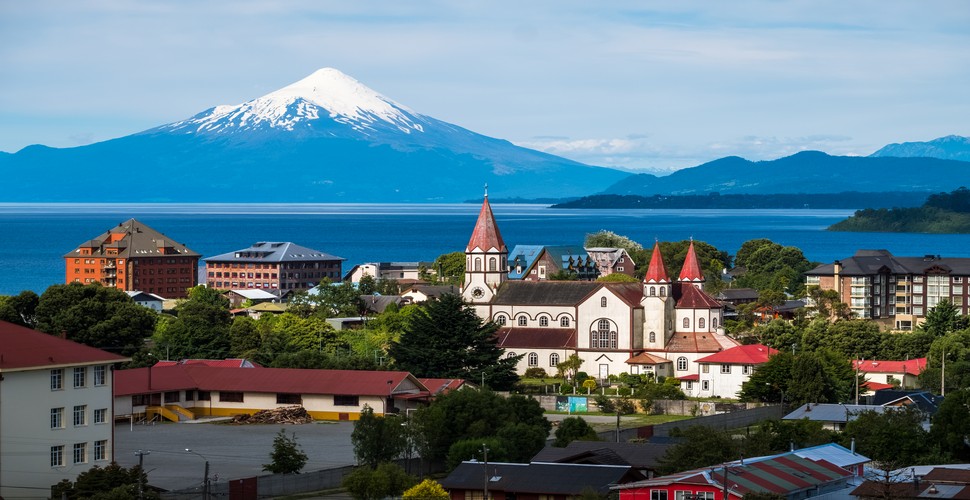
Puerto Varas has long been one of the favourite places to visit in Chile for travellers, not only because this small city has an incredible lakeside location and is overlooked by the snowy cone of the Osorno Volcano, but it’s also a short distance away from a whole host of hikes and activities. One option is to summit the volcano using a tour, but if you’re on a smaller budget, you’re better off renting a car from town and driving up to the end of the road near the top of the volcano, from where it’s possible to ride the cable car even higher. At the top of the cable car, you can hike to the red crater which has stupendous panoramic views of the surrounding landscape. Nearby, there’s also the Saltos de Petrohue, a set of gushing waterfalls that spill over ancient lava flows and the tiny village of Petrohué where you can walk along the beach beside Lago Todos Los Santos and even pay a small amount for a short boat trip around the lake.
The Atacama Desert
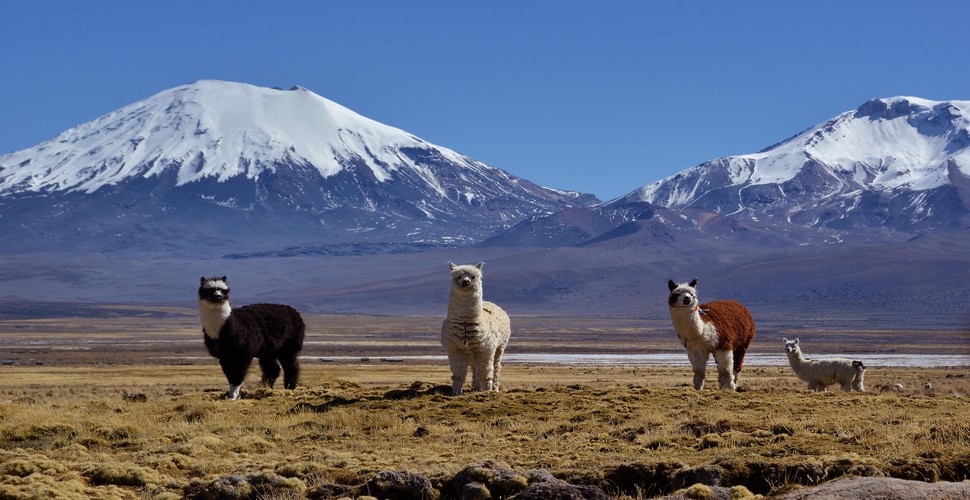
Sky-piercing volcanoes combine with record-breaking geyser fields and a sprinkling of flamingos in the Atacama Desert, one of the most popular destinations for foreign tourists and one of the truly unmissable places to visit in Chile. At over 2,400m above sea level, the Atacama Desert is mind-blowing in both senses of the word and also one of the top places on the planet for stargazing thanks to an average of over 200 cloudless nights per year. But while a trip to this high-altitude region of desert and salt flats is always going to be memorable, one way to ramp up the adventure is by hiring a car and heading out into the Atacama Desert under your own steam.
Pucón, The Lake District
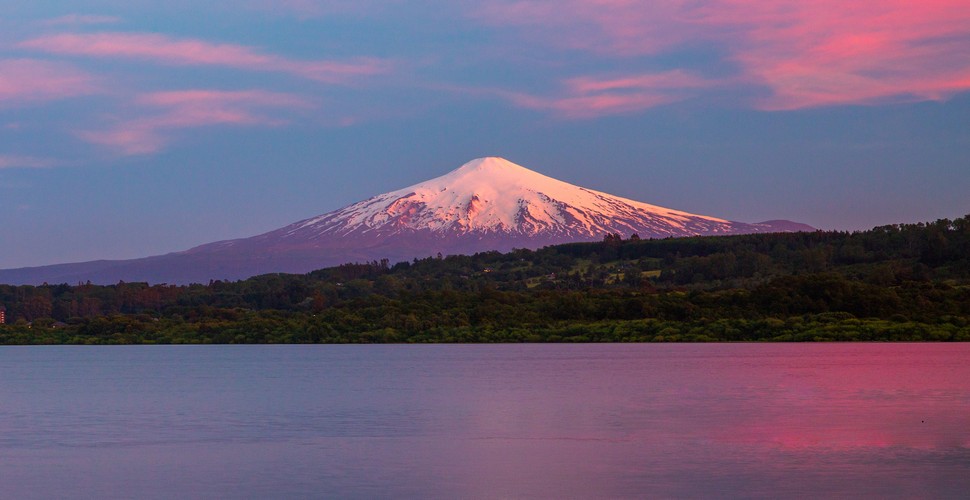
For many, Pucón is the ultimate destination for adventure travel in Chile, with the main highlight being the fact that you can ascend to the peak of the Villarrica volcano, an active, 2,847m stratovolcano that presides over the town and the whole area. One of the major draws of hiking to the top is the lava lake found within the volcano’s crater and which can be seen spitting lava in the months of February and March when it’s most active. Luckily, it hasn’t erupted for two years, when it spewed lava and ash into the air and over 3,000 people were evacuated. The real fun comes when you make your way down, sliding on your posterior as far as the snow will take you. Although you’re unlikely to see the lava if you visit in October or November, you’ll definitely end up sliding down the volcano a lot further (and walking a lot less) than we did when I was there in March. In and around Pucón there are also a wealth of hiking trails with sensational views in Parque Nacional Huerquehue, kayaking and rafting opportunities on the nearby Río Trancura and a load of hot springs that are best visited at night so that you can relax in a geothermal pool beneath a shimmering sky of stars.
Scuba-diving in Easter Island
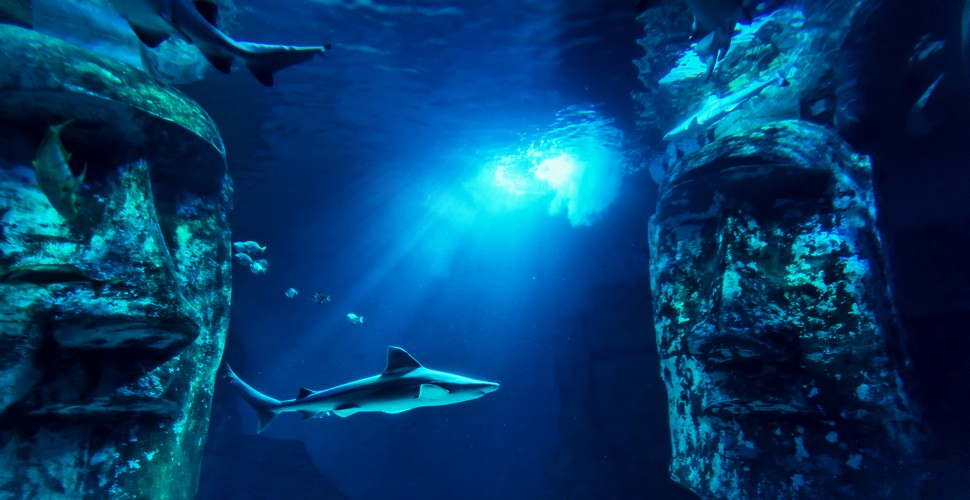
Located 2,300 miles off-shore, Easter Island rests on a broad volcanic ridge that supports 144 species of algae and 111 species of tropical and pelagic fish. The pollution-free waters mean that visibility in these seas can exceed 120 feet, which provides a unique dive-experience for adventure travellers. There are many operators offering a range of local diving centres for visitors to choose from, which all follow official PADI rules and safety routines. Tropical temperatures make for easy diving in the winter, but rough waters can limit choice of dive sites in the summer. The submerged moai statue at the bottom of the ocean is one of the most popular scuba-diving sites for keen divers on Easter Island.