Discover the vibrant heart of Central America in Costa Rica, a land defined by its stunning biodiversity, rich history, and the welcoming "Pura Vida" lifestyle. Nestled between the Pacific Ocean and the Caribbean Sea, this unique nation offers a fascinating blend of cultures, from its colonial heritage to its deep-rooted indigenous influences.
Whether you are planning a luxury honeymoon or an off-the-beaten-track adventure, understanding the geography, history, and culinary traditions of Costa Rica is the first step toward an unforgettable journey. Explore our guide to learn why this "Rich Coast" remains one of the most beloved travel destinations in the world.
Geography
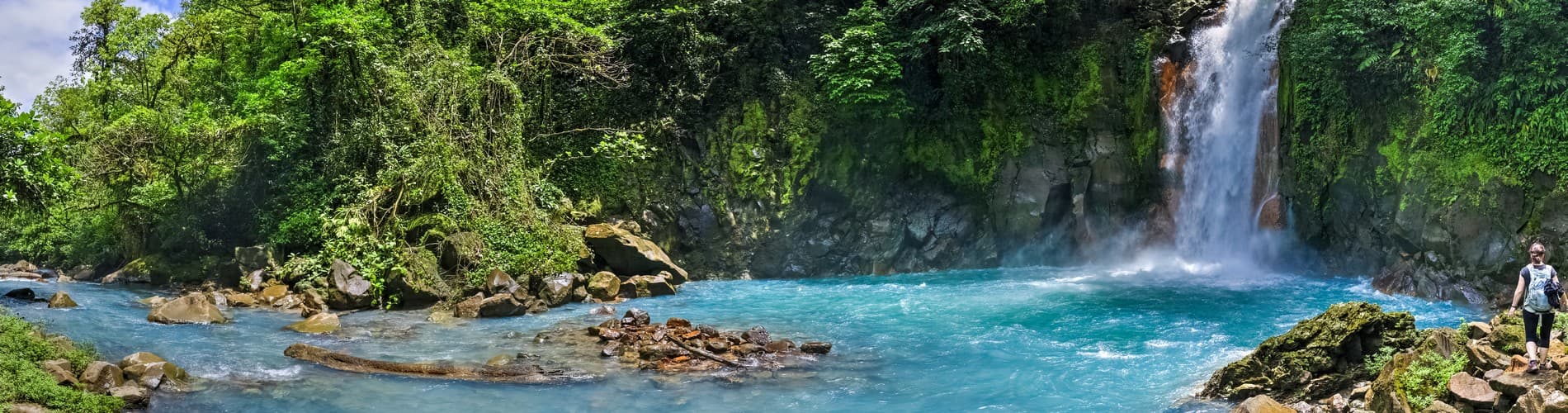
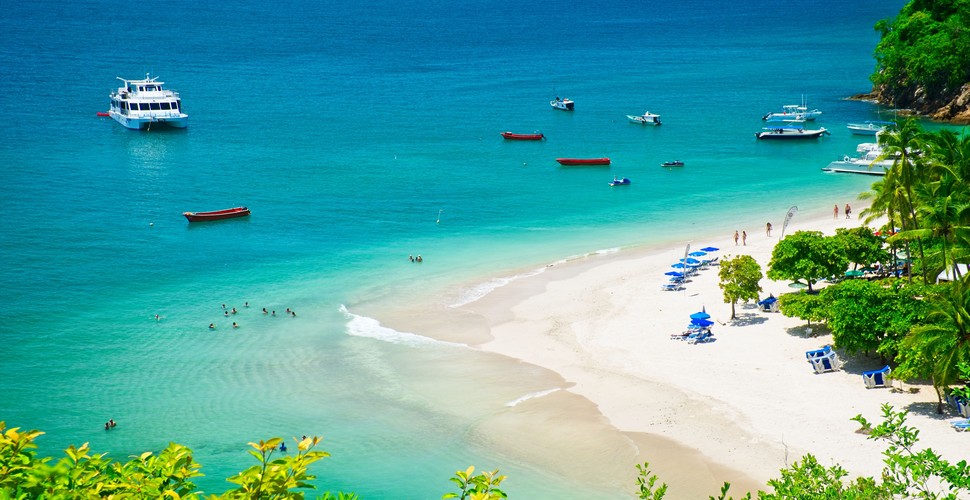
Costa Rica, with 51,100 sq. km, is the second smallest Central American country. This mountainous country is positioned on the Central American Isthmus 10˚ North of the Equator and 84˚ West of the Prime Meridian. It borders Nicaragua to the north and Panama to the south and is therefore situated amid the Tropics. Costa Rica has close to 1,300 km (800 mi) of coastline. The Pacific Coastline with mountainous terrain makes up roughly 80% of the total coastline. Caribbean Coastal Areas are characterized by long sand beaches, humid, lower ocean tide variations, and often swamps and mangroves. The Pacific Coastline on the other hand is characterized by lagoons and hills to high cliffs reaching into the sea, large tidal variations, and rainforest to dry forest to the north, which are due mainly to the Papagayo Winds. The Pacific Coast is distinguished by two large peninsulas reaching out into the sea. The northern and larger peninsula is called Peninsula de Nicoya and is home to the dry forest. The southern and smaller peninsula is called Peninsula de Osa and is home to the Corcovado National Park and rain forest. The highest point in the country is Cerro Chiripo at 3,820 meters (12,532 ft). The highest volcano in the country is the Volcan Irazu (3,431 m / 11,257 ft) and there are about 60 recognizable Volcanos with several still active. The large mountain ranges are mainly formed through volcanic activity triggered by the tectonic plates pushing against the Western seaboard of the Americas and run mostly northwest to southeast throughout the country. Costa Rica has dedicated close to one-quarter of its total land mass to protected areas. Thanks to Costa Rica's geography, it is able to supply the majority of its electricity demand by hydro generation in places like the largest and man-made Arenal Lake.
History
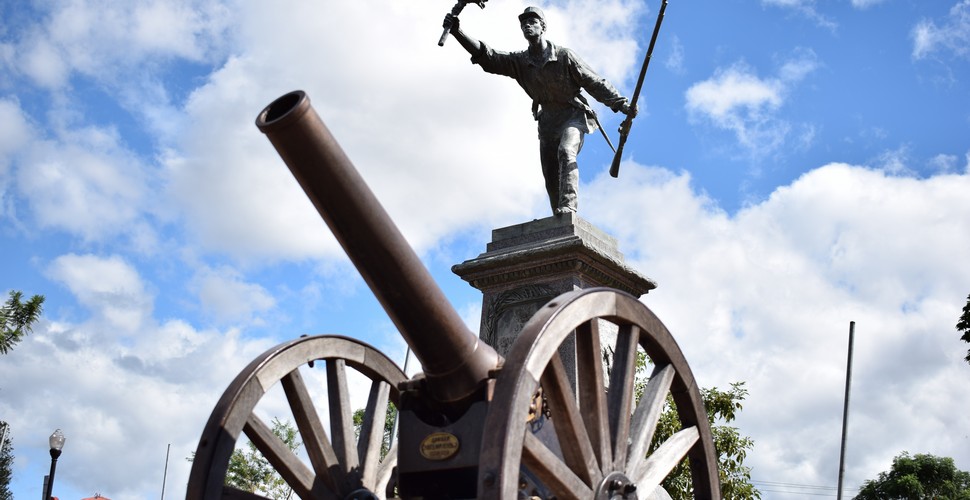
Costa Rica's history is a combination of many different cultures migrating to the country. As a result, modern-day life is influenced by numerous countries and makes for an interesting historical past. Christopher Columbus was the first reported European to land on the soil of Costa Rica in the year 1502. Following his discovery, the conquistadores tried to establish colonies without much success. The trade routes were difficult, creating a lack of goods, money, and population. This isolation caused Costa Rica to be named as one of the poorest colonies within the control of the Spanish Monarchy. This allowed Costa Rica to run somewhat outside of Spanish control, however, the Spanish influence remained. Also, with the new settlers came disease, which unfortunately killed the majority of these indigenous inhabitants. The settlers were also notorious for mistreating the locals and forcing them to work, similar to slavery. In 1821, Costa Rica collaborated with a few other Central American provinces and declared their freedom from Spain becoming a part of the Mexican Empire. Soon after they became their own state in the Republic of Central America. Possibly as an excuse for change, the capital was moved from Cartago to San Jose, where it remains today. This newfound alliance in the Republic was short-lived. In 1838, Costa Rica separated and claimed its independence as a sovereign country. Costa Rica, meaning "Rich Coast", was the first country in the world to constitutionally abolish the use of a national army. Costa Rica ranks 4th on the Human Development Index, among Latin American countries. In terms of the Environmental Performance Index, Costa Rica ranks 5th in the world and number one in the Americas.
Religion and People
The people of Costa Rica call themselves "Ticos" and have developed a welcoming, open, and passionate culture. The Costa Rican culture is vibrant and highly influenced by mainly Roman Catholic Religion like the rest of Latin America. Most “Ticos” are warm-hearted and friendly as were their ancestors. Hospitality, respect, and friendship are enjoyed by visitors to the country. For many Ticos, the ingrained philosophy of Pura Vida is simply enjoying life and being happy, living life to the fullest because life is short. Being thankful for what you have, and knowing that it could be worse. After visiting Costa Rica you will want to claim the Pura Vida lifestyle for yourself, living a peaceful life with an appreciation for your family and friends, also with nature and your own personal life.
Language
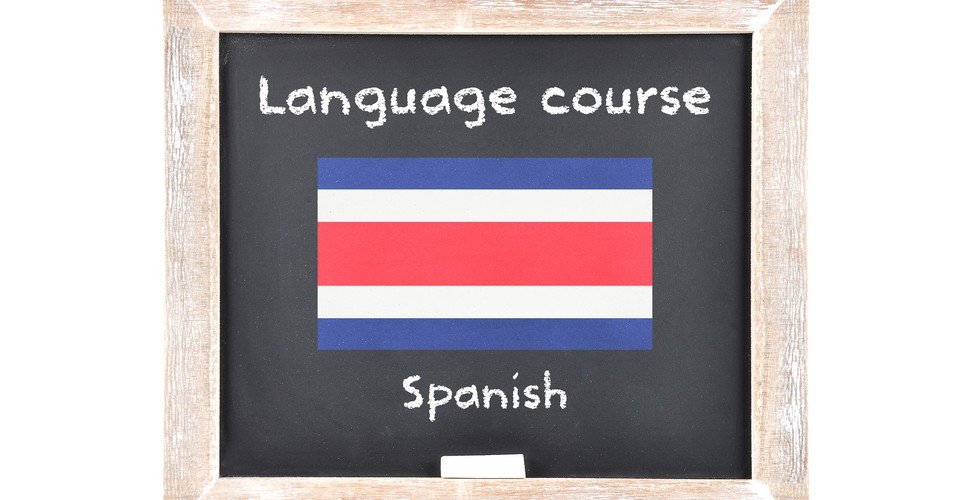
Spanish is the dominant language even though English is widely spoken along the Caribbean Coast and among the younger population. Costa Rican Spanish is easy to understand and most Costa Ricans speak very clearly and slowly and don’t have a strong accent. There are some differences between Costa Rican Spanish and how it is spoken in other countries.
Food
Costa Rican traditional food is characterized as simple. There are really only two main types of food that are found in Costa Rica. Traditional Cuisine which is the most common, known as “comida typica” and International cuisine. San José and the other main cities of the country offer an abundance of different international dishes and restaurants that provide a variety of cuisine for everyone that decides to visit the country. It’s important to mention that Ticos don’t eat in excess, and they make lunch the main meal of the day.
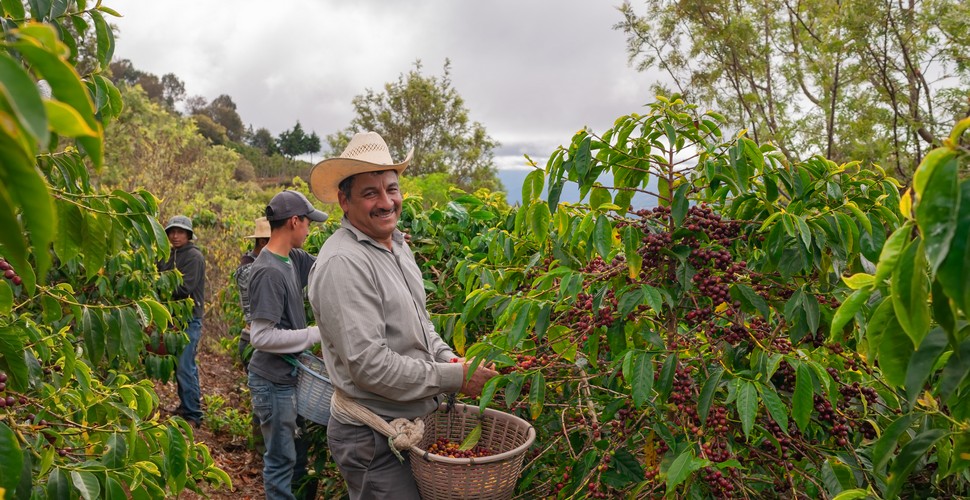
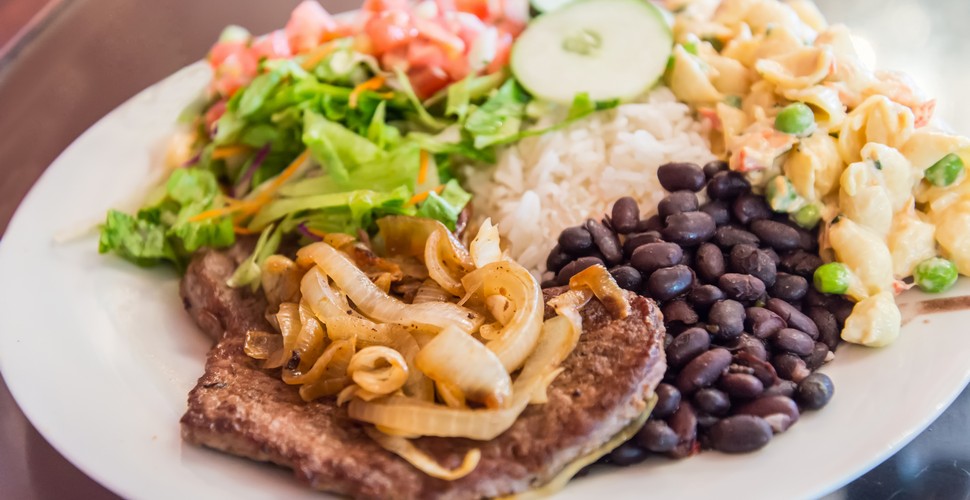
Costa Rican breakfast, lunch, and dinner have two main ingredients in common: rice and black beans. Most Costa Ricans eat at home or make food to take to school or work from home. If people eat out on the run, they usually eat at typical little sodas (restaurants that cater to tourists) that serve very balanced and very reasonably priced meals. Lunches and dinners in Costa Rica are very similar and quite well-balanced meals. The most common is called a "Casado". A Casado includes some type of meat such as beef, chicken, pork, fish, or other seafood, a side salad, rice, black beans, and fried plantains served with some natural fruit drink. These casados vary in price and are the most economical way to get balanced nutrition. Usually, lunch is followed by a coffee break in the afternoon with bread. Other popular dishes for lunch or dinner, are arroz con pollo or chicken and rice, which is white rice dried with special seasonings to become yellow and usually fried. If people are on the run, they will make a quick salad of canned tuna fish, tomato, and onion mixed with mayo. On cold days Costa Ricans love to cook up a huge pot of soup based on beef broth, chunks of beef, and every vegetable under the sun. Surprisingly, the average Costa Rican does not eat a lot of shellfish like crab, lobster, or shrimp because they are pretty expensive and most shellfish are exported. On the Caribbean coast, people's diet varies slightly. One of the most well-known dishes of Limon is Rice n' Beans, which is similar to Gallo Pinto but usually made with red beans, spicy Panamanian peppers, and coconut milk. If made correctly, it is one of the most delicious and interesting dishes one can try while in Costa Rica. San José possesses a broad spectrum of gastronomy. On one hand, it is the center of fine dining and international cuisine in Costa Rica; on the other, its streets and markets are filled with sodas that serve light meals and snacks. Away from the big city, Ticos are less adventurous eaters, so the food becomes more grounded in peasant culture and less varied. Coffee is also an extremely popular and nationally-revered drink.
Now you have some general information about Costa Rica, you can start thinking about your Costa Rica vacation, or ask one of our Travel Designers at Va Expeditions if you want to know all about Costa Rica before you travel!