
Argentina is a land of fascinating contrasts, where breathtaking natural landscapes meet a rich and complex cultural heritage. From the towering peaks of the Andes to the vibrant streets of Buenos Aires, this South American gem offers endless surprises for every traveler.
Discover the unique stories behind Argentina's history, its legendary figures, and the quirky traditions that define its national identity. Whether you are interested in paleontology, world-class sports, or the origins of the tango, Argentina promises an unforgettable journey through time and geography.
Historical and Cultural Curiosities
The name Argentina comes from the Latin word for silver, argentum. When the original Spanish conquerors first met the indigenous people in the region, they received silver objects as presents. Population–wise, Argentina is one of the least densely populated countries on the planet. In 2001, during the year of the country’s worst financial and political crisis, Argentina had five presidents in just 10 days.
In 1892, Argentina became the first country to use fingerprinting as a form of identification when Francesca Rojas confessed to killing her own children. Her bloody thumbprint was found at the scene of the crime. Tango, the sensuous Latin dance and music, originated in the 1880s in the dance halls of Argentina’s capital city, Buenos Aires.

Geography and Natural Wonders
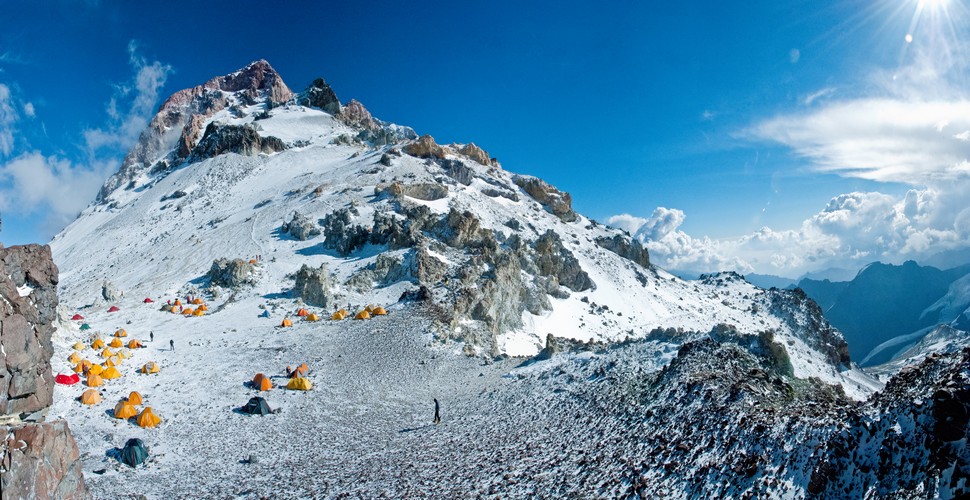
The country boasts the highest and lowest points in South America! The Aconcagua in Mendoza stands at a whopping 6972 metres elevation and the lowest point is the lake "Laguna del carbon" at -105 metres in the Santa Cruz province. The remains of the largest dinosaur ever discovered were found in Argentina. Said to be the largest creature to have ever walked the earth, the new species of Titanosaur was discovered in a desert near La Flecha in 2014.
Unique Traditions and Local Life
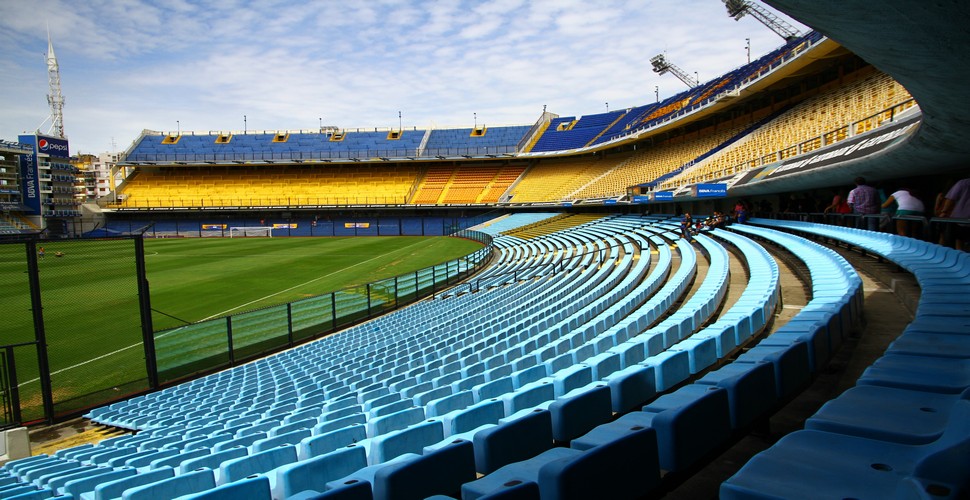
The current pope, and the first from the Americas, Pope Francis, used to work as a nightclub bouncer in Buenos Aires. Argentina’s deceased football player Diego Maradona has inspired a religion: the Church of Maradona. It has over 120,000 members. In the Chubut province of Patagonia in southern Argentina, around 5,000 people speak Welsh. In 1865, a group of Welsh settlers crossed the Atlantic to settle in remote Patagonia.

Argentine farmer Pedro Martin Ureta cultivated a guitar-shaped forest to honour his late wife, Graciela, who died during childbirth in 1977. The world’s widest avenue is in Buenos Aires, Avenida 9 de Julio. It has 14 lanes of traffic and four lanes of parallel streets. Since 1953, the national sport of Argentina has been Pato, a game played on horseback that fuses elements of polo and basketball.
Modern History and Society
Government officials in Lionel Messi’s hometown in Argentina have banned parents from naming their children Messi because an influx of babies named Messi could lead to confusion. The Cuban revolutionary leader Ernesto ‘Che’ Guevara was born in Rosario, Argentina. In 1977, Argentina sent a pregnant mother to Antarctica in an effort to claim a portion of the continent. The boy, Emilio Palma, was the first human to be born in Antarctica.
Argentina shares a border with 5 different countries: Brazil, Chile, Uruguay, Paraguay and Bolivia. In 2010, Argentina became the first country in Latin America to legalise same-sex marriage. The highest mountain outside of Asia is in Argentina. Aconcagua is 6,961m high and is located in the Mendoza province. Argentina has the world’s highest number of psychologists, with 196 per 100,000 people.