Discover the incredible diversity of Ecuador, a nation that packs world-class biodiversity, ancient history, and vibrant culture into a compact South American territory. From the volcanic peaks of the Andes and the lush Amazon basin to the pristine beaches of the coast and the legendary Galapagos Islands, Ecuador offers an unforgettable adventure for every type of traveler.
Whether you are exploring the colonial charm of Quito and Cuenca, trekking through national parks, or witnessing unique wildlife in their natural habitat, this guide provides essential insights into the geography, history, and cultural richness that make Ecuador a must-visit destination.
Ecuador is famous for being home to the Galápagos Islands, but there’s much more to the fourth-smallest nation in South America. From its historic links to the ancient Inca to unusual modern-day exports, here is some amazing information about Ecuador.
General Information
The country's full name is The Republic of Ecuador and the Capital City is Quito. The country is found in the North of the South American continent and covers 283,560 sq km, of land area and 256,370 sq km, of water territory. Ecuador shares land borders with Colombia and Peru, and has a tropical climate along the coast becoming cooler inland at higher elevations and tropical in the Amazonian jungle region of the country.
Ecuador´s Different Regions
This small country is divided into the following different geographical regions:
The Northern Andes
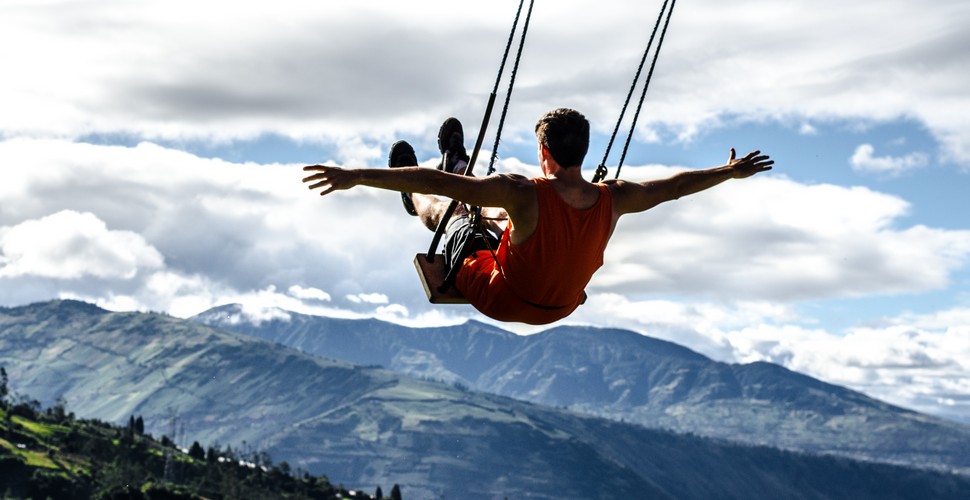
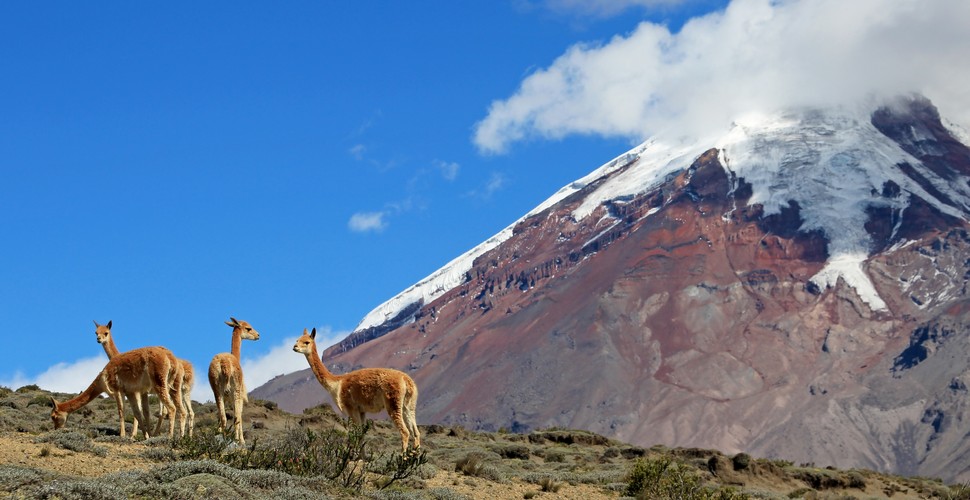
The Avenue of the Volcanos is spectacular. Within a few hours’ travel from Quito, you have over eight major volcanos, including the most famous: Cotopaxi, which is the highest active, snow-capped volcano in the world. There are several activities available, including biking tours of Cotopaxi, climbing tours of Pasachoa, Corazon, Ilinizas, or Cotopaxi, as well as horseback riding from one-day to multi-day trips. There are wonderful places to visit, such as Otavalo and the world-famous market there. Mindo, which is known for its bird and butterfly population makes either a fantastic day trip from Quito or a multi-day stop. Then, of course, there is Quito, which serves as a hub to other places, as well as a great place to sightsee for two or three days.
Southern Andes
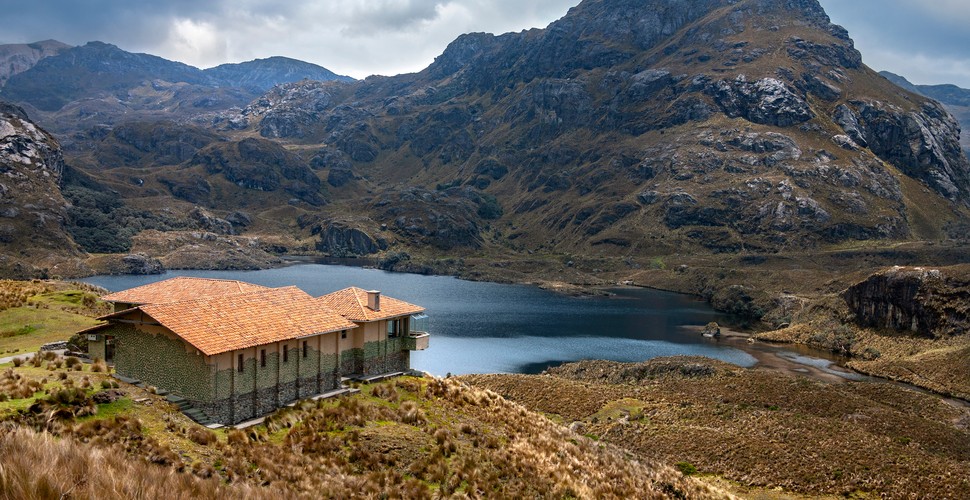
The major attractions of southern Ecuador are the Devil’s Nose Train from Riobamba to Alausi, the beautiful colonial city of Cuenca that is home to more cathedrals per capita than any other Ecuadorian city, and further south Loja and Vilcabamba. Just outside of Cuenca there is a nature reserve worth visiting, known as Parque Nacional Cajas. Cajas contains over 232 alpine lakes and many of them are filled with tasty lake trout. You can visit this park either on a day trip from Cuenca or on a multi-day trekking trip.
Amazon Jungle
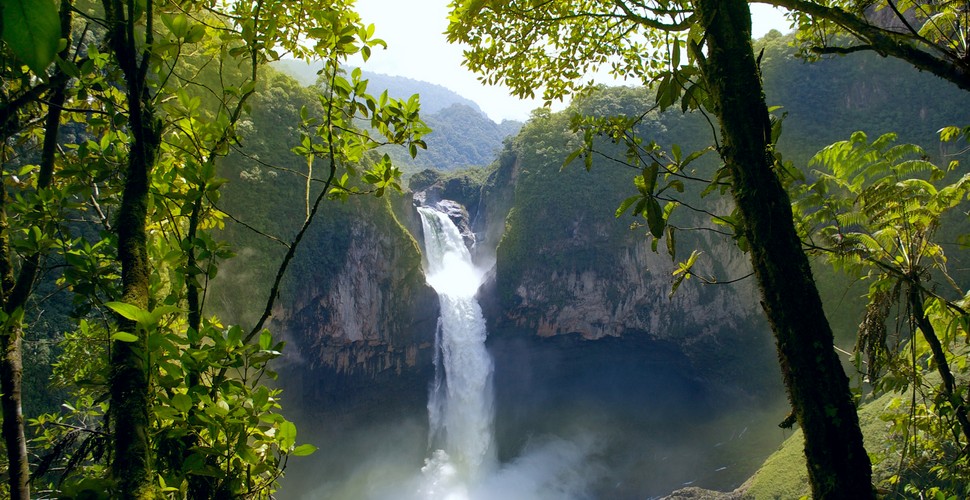
The Amazon basin, east of the Andes, is an almost impenetrable tangle of rainforest known to Ecuadorians as the Oriente (the East). Although the Amazon itself does not flow through Ecuador, all rivers east of the Andes eventually empty into the mighty river. The Cuyabeno Wildlife Refuge, which we will visit, has been declared one of Earth's ten biological hotspots of biodiversity. Hotspots are the world's richest and most threatened ecosystems and Ecuador claims two! There are many different sections of the jungle. It is possible to travel just a few hours in one direction and be in a completely different ecological and geographical zone. In the north, there is the Cuyabeno Nature Reserve, which is made up of eight major lagoons home to pink river dolphins, caimans, piranhas, monkeys, etc. This area represents what most people consider to be the typical “Amazonia” region of Ecuador. Further south, and closer to Quito, is a mountainous area of the jungle near Tena. This area boasts more rivers per square mile than anywhere else on Earth. In particular, the jungle around Tena is known for its incredible white-water rafting and jungle tour combinations.
Coast
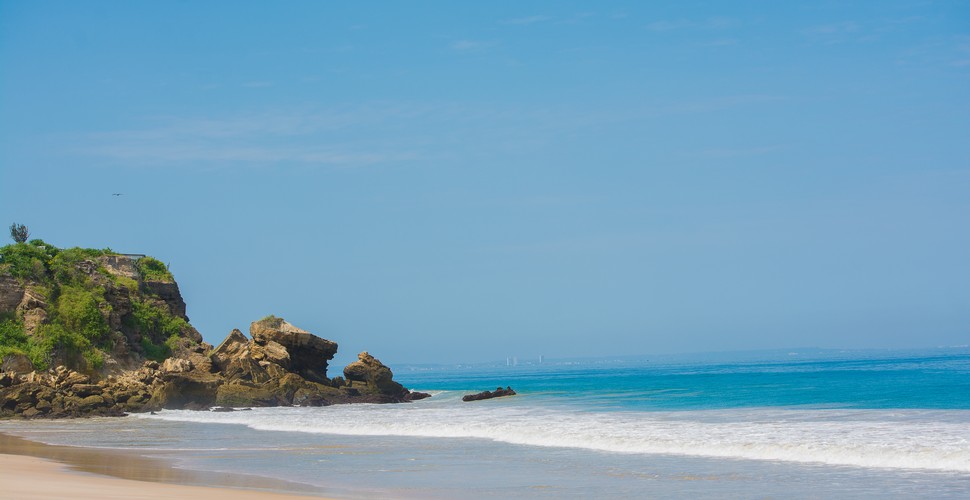
By far the most popular areas of the coast are either Canoa, a small fishing village north of San Vincent—about 10 hours from Quito, or Montañita, a town with a more vibrant nightlife and great surfing options. Both have soft, friendly beaches and attract many tourists and locals alike for their tranquilo atmospheres.
The Galapagos Islands
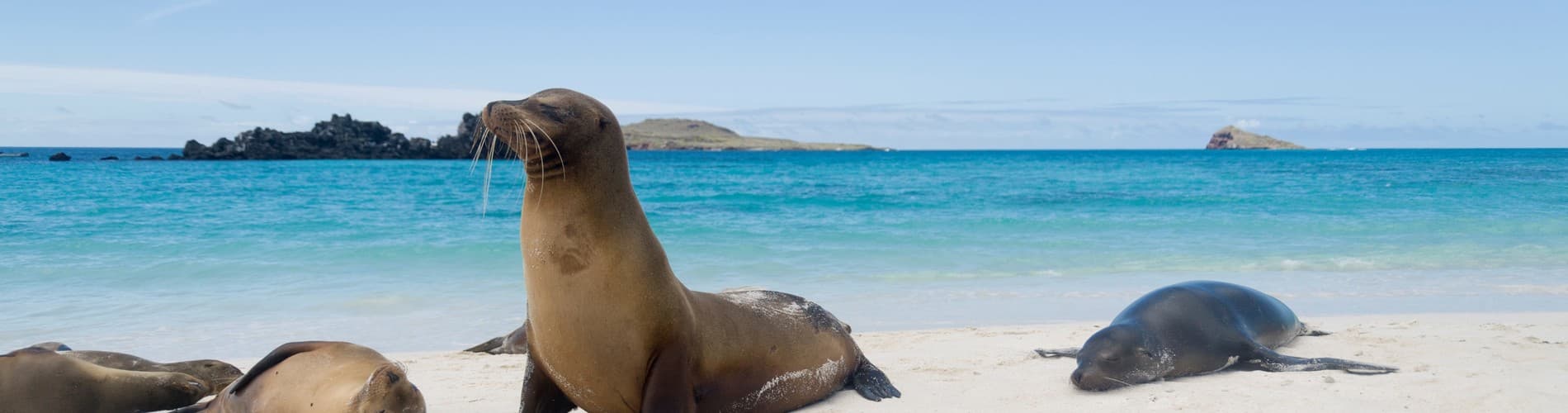
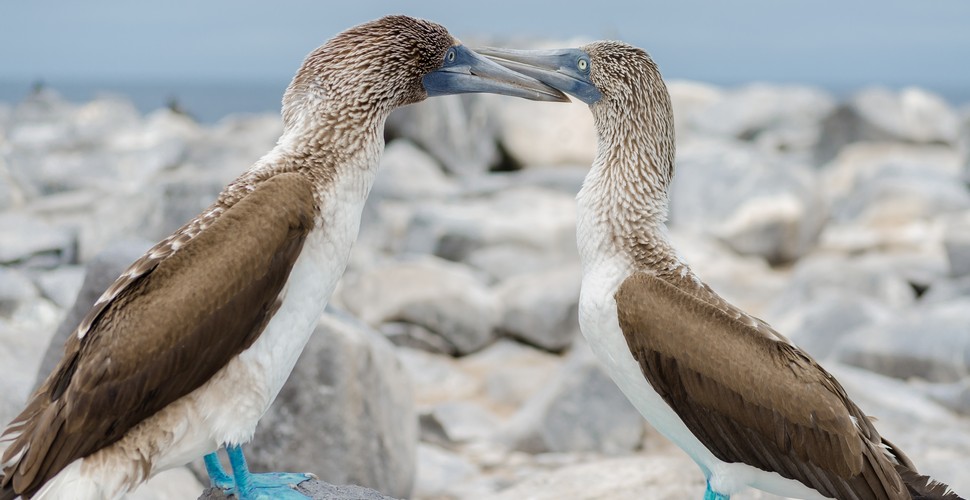
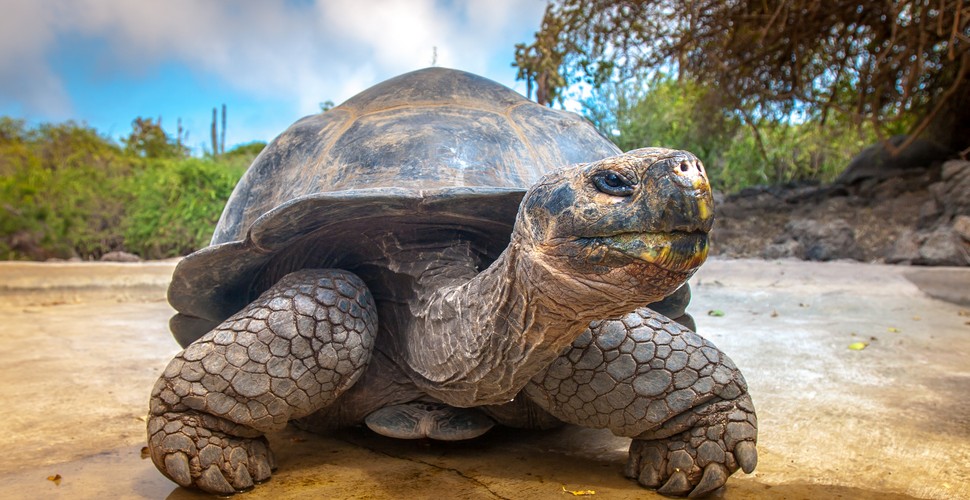
Ecuador is home to the uniquely impressive Galapagos Islands. With animal encounters unlike any other and action-packed excursions galore, a trip to the Galapagos Islands is a vacation you’ll be talking about long after you return home. The islands are a UNESCO World Heritage Center and are famous for their unique animals that inspired Charles Darwin’s theory of natural selection. Thanks to a lack of natural predators, friendly wildlife such as playful sea lions and gigantic sea tortoises let visitors get up close and personal. This archipelago of about 19 islands and many smaller islets sprinkled 620 miles off Ecuador’s coast in the Pacific Ocean is a double World Heritage site and served as the inspiration for Charles Darwin’s Theory of Evolution. Each island boasts its own unique landscape, ranging from barren black, volcanic rocks to swaths of white sand beaches melting into gemstone-blue waters.
Culture
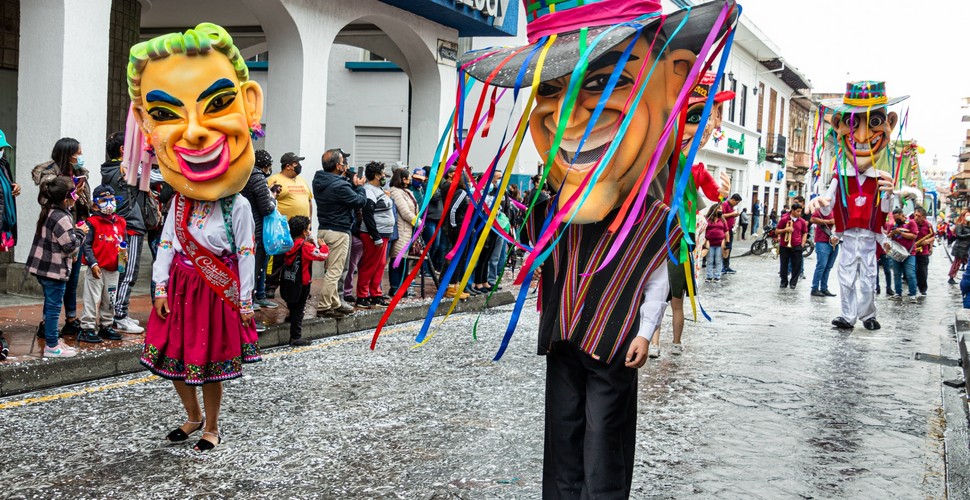
Despite its small size, Ecuador is a major cultural center for arts in South America. Most consider Quito to be the cultural capital as well as the political capital. Ecuador is the birthplace of famous painters like Oswaldo Guayasamin, Camilo Egas, and Manuel Rendon, as well as great writers like Juan Montalvo, Juan Leon Mera, and Juan Benigno Vela.
Ecuador is also famous for its talented artisans. The city of Otavalo, north of Quito, has one of the largest indigenous markets in South America, where travelers can find beautifully woven clothes, tapestries, leatherwork, intricately carved wood, and gorgeous jewelry. When traveling through Ecuador, especially in Quito and Cuenca, the architecture alone is enough to make you marvel. The most prominent style is the well-preserved colonial architecture. In fact, Quito’s historic center was named as UNESCO’s first World Heritage Site.
History
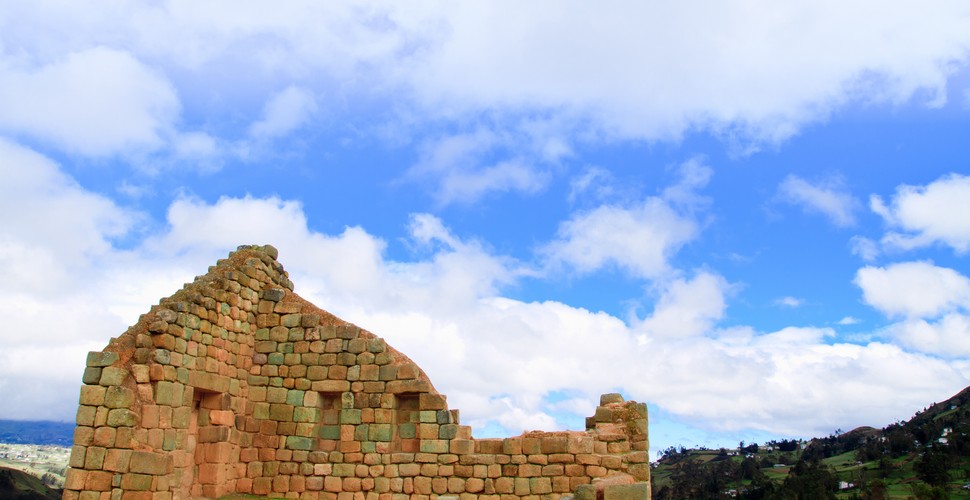
Ecuador is home to one of the oldest civilizations in South America. The Las Vegas tribe lived about 10,000 years ago near modern-day Santa Elena on the Pacific Coast just north of Guayaquil. Advanced indigenous cultures flourished in Ecuador long before the area was conquered by the Inca empire in the 15th century. In 1534, the Spanish arrived and defeated the Inca armies. The "Republic of the Equator" was one of three countries that emerged from the collapse of Gran Colombia in 1830. Today, Ecuador is a republic and maintains a presidential, unicameral representative democracy.
Find out more about a vacation in Ecuador with Va Expediitons here!