


Claire
Travel in South America is a joy to behold. The rich variety of destinations, experiences, landscapes and geography fascinated me so much, that I chose to relocate here, over 20 years ago! The best thing I ever did! Allow me to share my knowledge and passion for Central and South America with you and help you plan your holiday of a lifetime!
ABOUT BRAZIL
Written by:Claire
Last Update: 2024-12-05
Brazil is the largest country in South America and the fifth largest in the world. Its official name is the Federal Republic of Brazil and is capital is Brasilia. The population is officially 208,846,892 and the official language is Portuguese with other native languages spoken in the Amazon region.
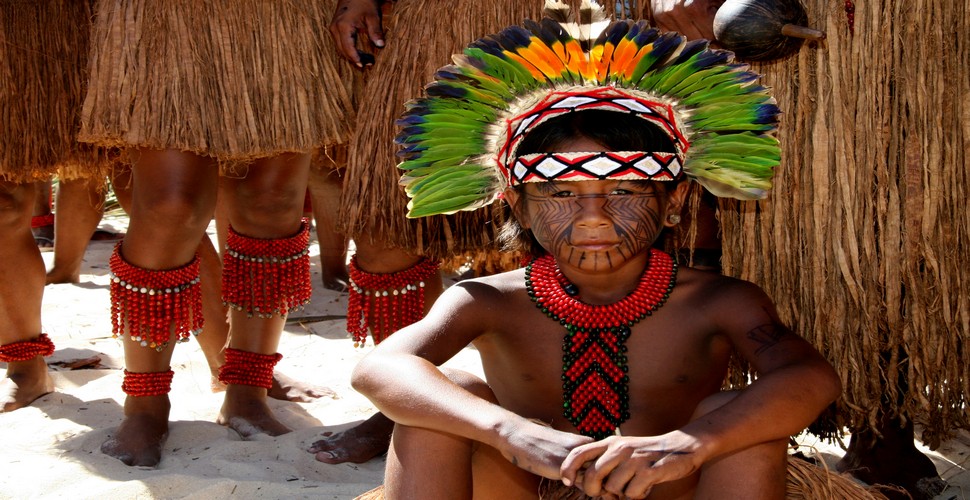
Brazilian Indigenous Tribe
Geography
Brazil forms an enormous triangle on the eastern side of the continent with a 7,400-km coastline along the Atlantic Ocean. It has borders with every other South American country except Chile and Ecuador. The Brazilian landscape is very varied. It is most famous for its dense forests, including The Amazon, the world's largest jungle, in the north. But there are also dry grasslands (called pampas), rugged hills, pine forests, sprawling wetlands, immense plateaus, and a long coastal plain. Northern Brazil is dominated by the Amazon River and the jungles that surround it. The Amazon is not one river but a network of many hundreds of waterways. Its total length stretches 6,840 km). Thousands of species live in the river, including the infamous piranha and the boto, or pink river dolphin.
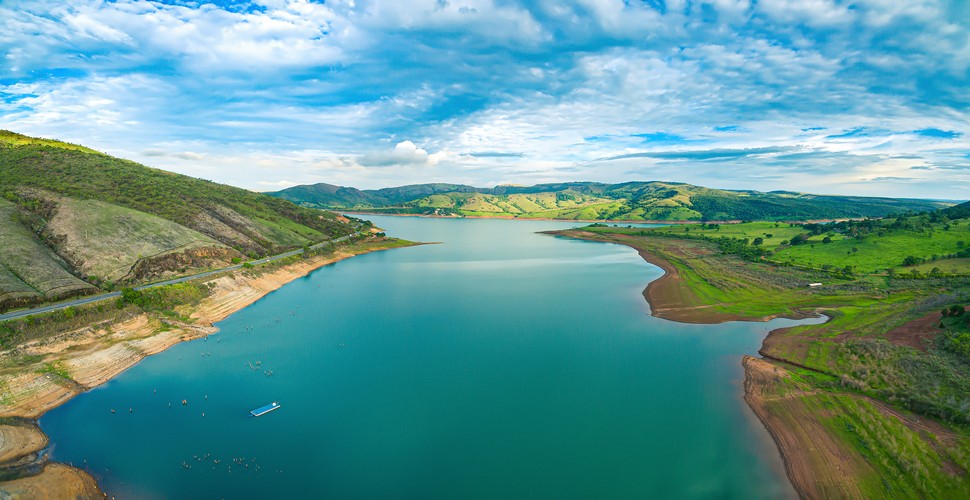
Amazon River
Ecology
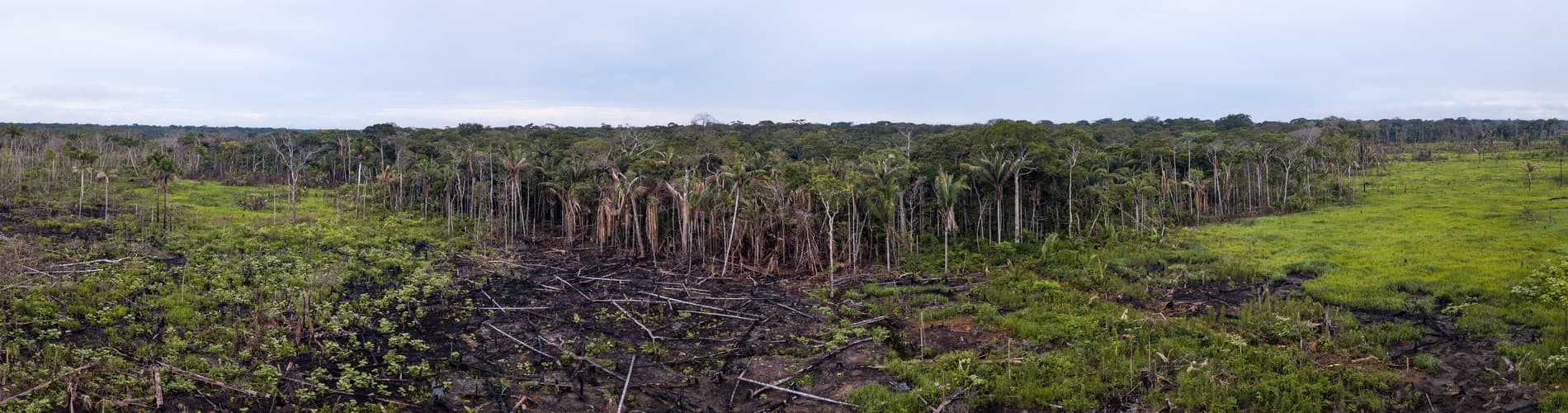
Brazil has the greatest variety of animal species of any country in the world. It is home to 600 mammal species, 1,500 fish species, 1,600 bird species, and an amazing 100,000 different types of insects. Brazil's jungles are home to most of its animal life, but many unique species also live in the pampas and semidesert regions. In the central-western part of Brazil sits a flat, is a wetlands area called the Pantanal. This patchwork of flooded lagoons and small islands is the world's largest wetland. Here live giant anacondas, huge guinea pig relatives called capybaras, and fierce South American alligators called caimans. For thousands of years, people have been exploiting the jungles of Brazil. But since Europeans arrived about five centuries ago, forest destruction has been rampant. Most of Brazil's Atlantic rain forest is disappearing and huge tracts of The Amazon are reduced each year. The government has established many national parks and refuges, but unfortunately, they only cover about 7 percent of the country.
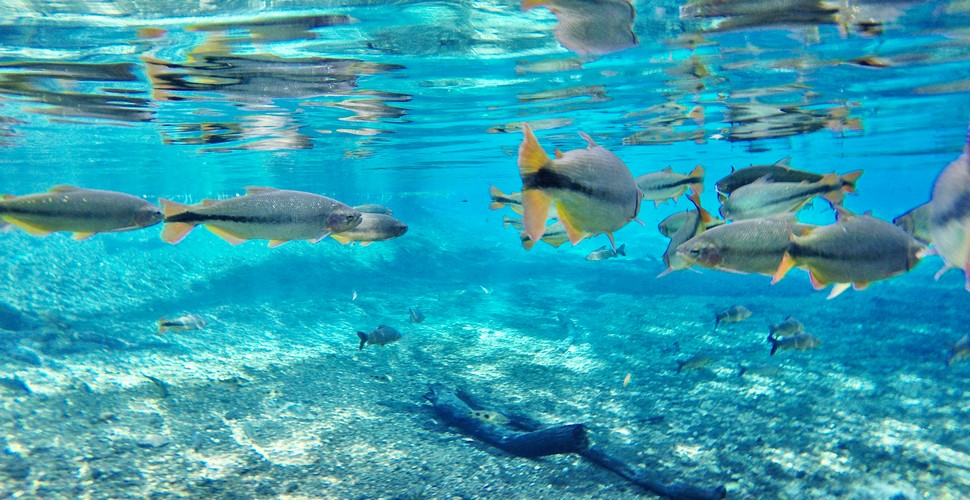
Fish in The Rio Do Prata
Brazilian Demography
The Brazilian population has three major components. Somewhere between 2.5 and 5 million Brazilian Indians inhabited Brazil when the Portuguese first arrived in the early sixteenth century. Divided into many different cultures with distinct institutions, Brazilian Indians spoke a large number of languages. Today they comprise only about .02 percent of the country's population. Their numbers fell rapidly as a result of displacement, warfare and, most importantly, the introduction of European diseases against which they had no immunity. By 1955, only 120,000 Brazilian Indians were left and they were thought to be on the road to extinction. This downward trend has been reversed, however. Their numbers are now increasing owing to improved health care, lower incidence of disease, declining infant mortality, and a higher fertility rate. Contemporary estimates of the indigenous population range from 280,000 to 300,000; the population may reach 400,000 early in the new millennium. Afro-Brazilians, the descendants of millions of slaves brought primarily from West Africa to Brazil over a three-hundred-year period, are the second major component of the national population. Afro-Brazilians and people of mixed racial ancestry account for at least 45 percent of the Brazilian population at the end of the twentieth century. Brazil also has a large population of mixed European, mainly Portuguese, descent. In the late nineteenth and early twentieth centuries Brazil was the destination of many immigrants from Italy, Germany, and Spain. During the same era smaller numbers of immigrants arrived from Eastern Europe and the Middle East. Rounding out the demographic picture are, Japanese-Brazilians, descendants of Japanese who came to Brazil in the first decades of the 20th century, and Koreans who began arriving in the 1950s.
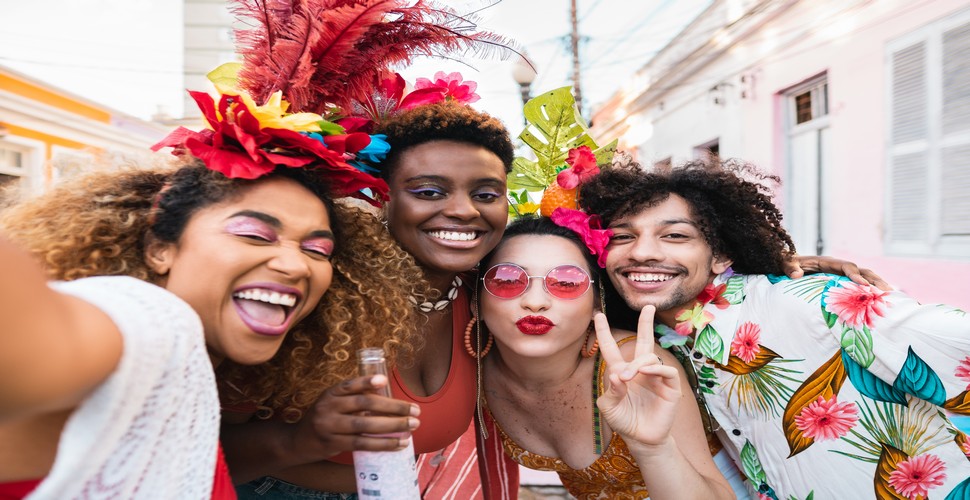
Diverse Brazilian Ethnicity
Brazilian Culture
dating back to pre-colonial times, makes Brazil one of the most culturally diverse countries in South America. Originally inhabited by indigenous tribes, Portuguese ‘discovery’ and colonisation between the 16th and 18th centuries, combined with the effects of the slave trade and immigration from both Europe and Japan in the 20th century, have brought many changes to the demographic make-up of Brazil, producing a vibrant and exciting mix of cultures which spans across the length and breadth of the country.
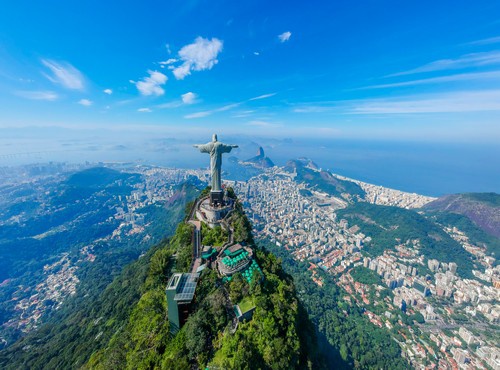
Many will come to Brazil for the extravagant carnival processions which take place in February and are best seen in Rio or Salvador. For those with an interest in art and modern culture, the powerhouse city of São Paulo is the place to head to for museums and modern cultural initiatives. For colonial Portuguese architecture, then the UNESCO listed centres of Salvador and Paraty provide a glimpse into this era of Brazil’s past. One of the main things that cultutrally unites Brazil, however is its love of football.
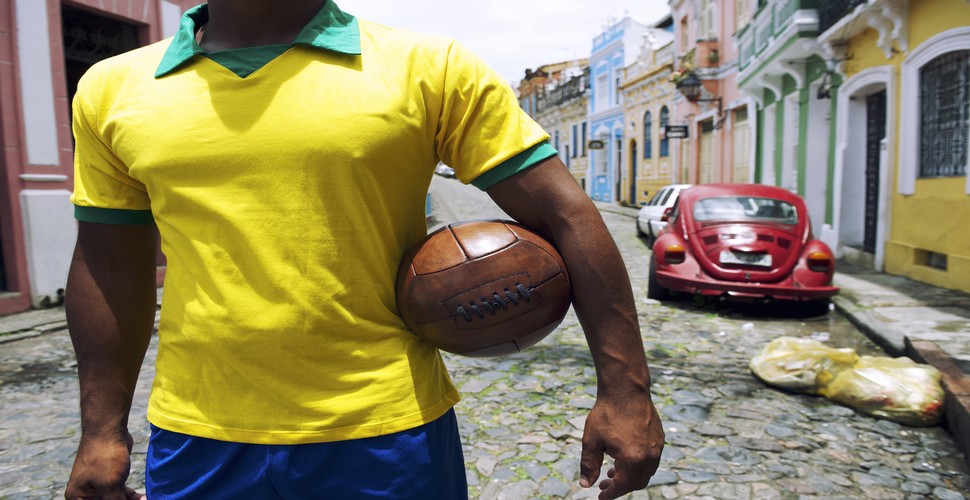
Football Crazy Brazil
SHARE THIS POST
popular-posts-title