Planning a trip to Chile? From the arid landscapes of the Atacama Desert to the icy wonders of Patagonia, this South American gem offers diverse experiences for every traveler. Discover essential travel tips, including currency exchange, safety advice, and the best times to visit.
Whether you are looking for adventure sports, cultural immersion, or simply the best local cuisine, our comprehensive guide answers your most frequently asked questions to ensure your Chilean adventure is seamless and unforgettable.
How easy is it to exchange money in Chile?
Chile’s currency is the peso. Globally, it isn’t considered a primary currency, so you may struggle to find Chilean pesos in your home country. It is possible to exchange money at airports and major hotels in Chile, but the exchange is often not favorable. Your best bet is to take money out of an ATM on arrival. Be aware that there are a few ATMs along the Carretera Austral.
Do I need a power adapter in Chile?
Chile uses 220-volt, 50-hertz electricity. Plugs are typically the two-pronged flat pins used in the US, although some places also use two-pronged round pins. You’ll need a power adapter to fit European and British plugs.
What should I buy in Chile?
Chile is famous for its alpaca wool, so look for ponchos and woven blankets. The Mapuche are renowned for their silverwork and clay or ceramic pots, which make excellent (if heavy) souvenirs. For something more delicate, look for jewelry studded with semi-precious lapis lazuli blue stone or copper handicrafts and jewelry.

Do I need any vaccinations for Chile?
All travelers should visit a doctor before traveling to Chile, as they will provide the most up-to-date information on vaccinations and health issues. Ensure you have adequate travel insurance, as most doctors and medical facilities will require payment in cash immediately.
Is travel in Chile safe?
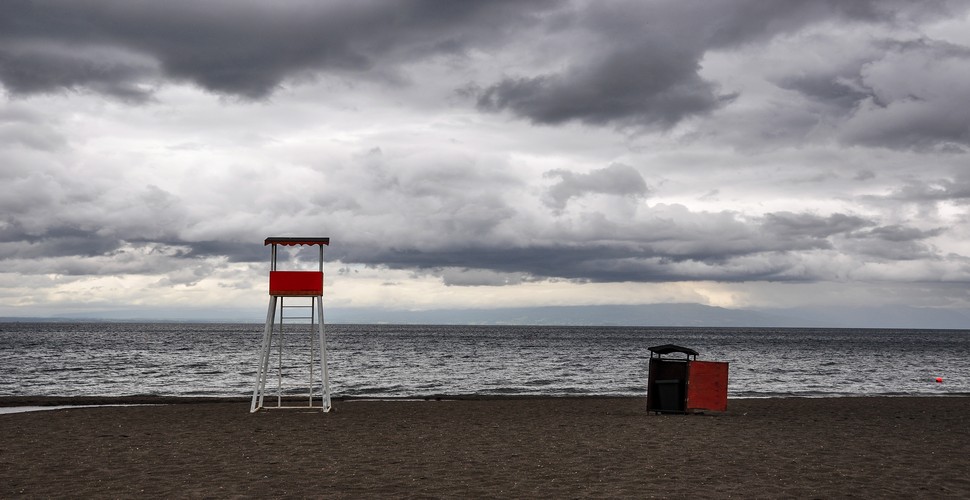
Travel in Chile is generally safe and a lot safer than those in other South American countries. As with any destination, be aware of your belongings in crowded cities, beach resorts or bus stations, as pickpocketing and petty theft can be a problem. Regarding natural phenomena, it is essential to know that earthquakes are typical, although the likelihood of being caught in a major one is slim. Be aware that Chile’s beaches have offshore solid currents, so follow advice on whether it is safe to swim. Chile also has 50 active volcanos if you are thinking of visiting one.
Will my Mobile phone work in Chile?
Most international cell phones will work in Chile, but you’ll be subject to expensive roaming charges. If you plan to stay in Chile for any length, buy a local SIM card from Chile for any length of time, and buy a land local SIM card from either Entel or Telefonica.

How much should I tip?
Tipping is customary in Chilean restaurants. Expect to tip around 10% off the bill (check if it’s already included under servicio). Taxi drivers do not require tips, but it is polite to round the fare up for convenience.
Which documents are required to go to Chile?
Contact Chile’s embassy in your country to know if you need a tourist visa. Otherwise, it would help if you had a passport valid for at least six months after your scheduled return date.
When is the best time to visit Chile?
Given the length of the country, it depends on where you’re going! You can visit the north all year long, but it is busier in January and February, and it’s really hot. In the south, the weather is more stable from November to March.
What are the mandatory vaccinations?
There are no mandatory vaccinations.
What is the time zone of Chile?
Time in Chile is divided into two time zones. Continental Chile uses the time offset UTC−03:00. Additionally, Easter Island uses the time offset UTC−05:00.
Can we travel to Chile with the children?
Of course! Chileans are very warm people, and their hygiene, health, and safety are decent. Our tours will please young children as well as teenagers.
Where can we go hiking?
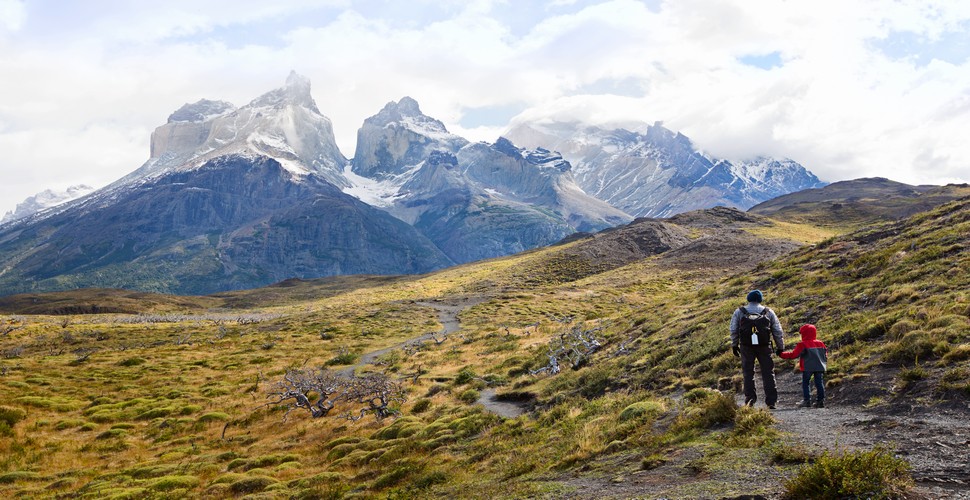
Everywhere in the country! Chile offers some of the most iconic and stunning trails in the world in unique environments. Pumalin National Park, Torres del Paine National Park or the Lake District are a trekker's paradise.
North or South?
Both! It’s up to you! In the North, you will be charmed by the immensity of the desert plunging into the ocean, the small villages of the Altiplano, the Andes and their thousands of volcanos, and the wild coast. In the South, the Lake District, Chiloe Island and Patagonia are just mind-blowing.
What local specialties are we going to discover?
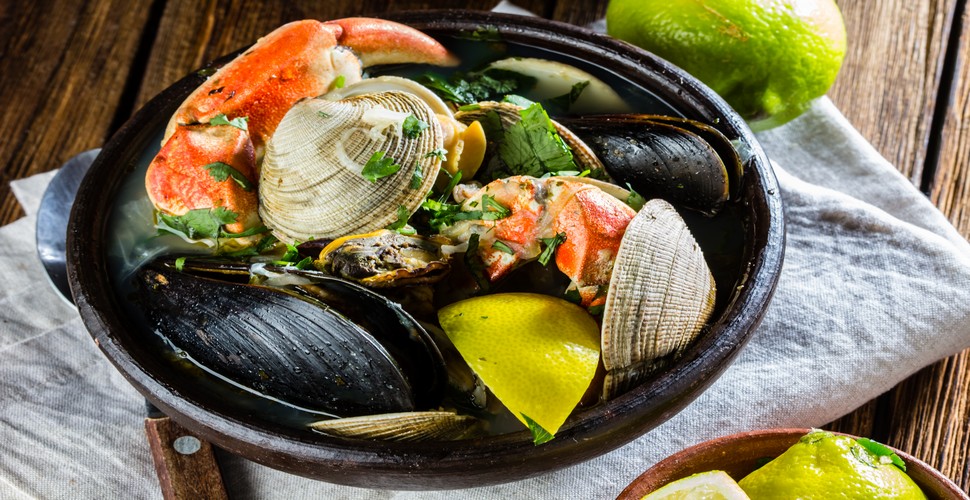
Folklore and music go hand in hand with Chilean culture and traditions. Each region's rich food and wine variety brings Chilean cuisine a unique flavor. Most dishes are prepared with fish and seafood along the long coast. Pisco is the national beverage, usually served as a Pisco Sour, produced between Chile’s third and fourth regions, in addition to quality wines.
Is the water safe to drink?
Tap water is safe to drink in most parts of the country. To be sure, ask your tour leader or the hotel/ restaurant staff. Bottled water is readily available as well if desired.
How expensive is Chile?
Chile is among the most expensive countries in Latin America. Prices of hotels and transportation go up considerably from mid-December through mid-March and again in July and August.
Which sports are available in Chile?
This country is a feast for the senses on foot, horseback or by bike! From the most straightforward activity to the most extreme, hit the rivers for speed and thrills on hydrospeed, rafting or sail at your own pace on a canoe or a kayak on the lakes for a gentle discovery. Paragliding, Sky diving or cruising, Chile’s secrets are just waiting to be discovered. Hike to isolated places, climb the slopes of volcanos and take a swim in one of the countless hot springs of the country.
You can check out more FAQs about VA Expeditions and the tours we offer in Chile here.